


Capturing Light
A historic department store reimagined as a modern workspace, complete with dining and retail offerings
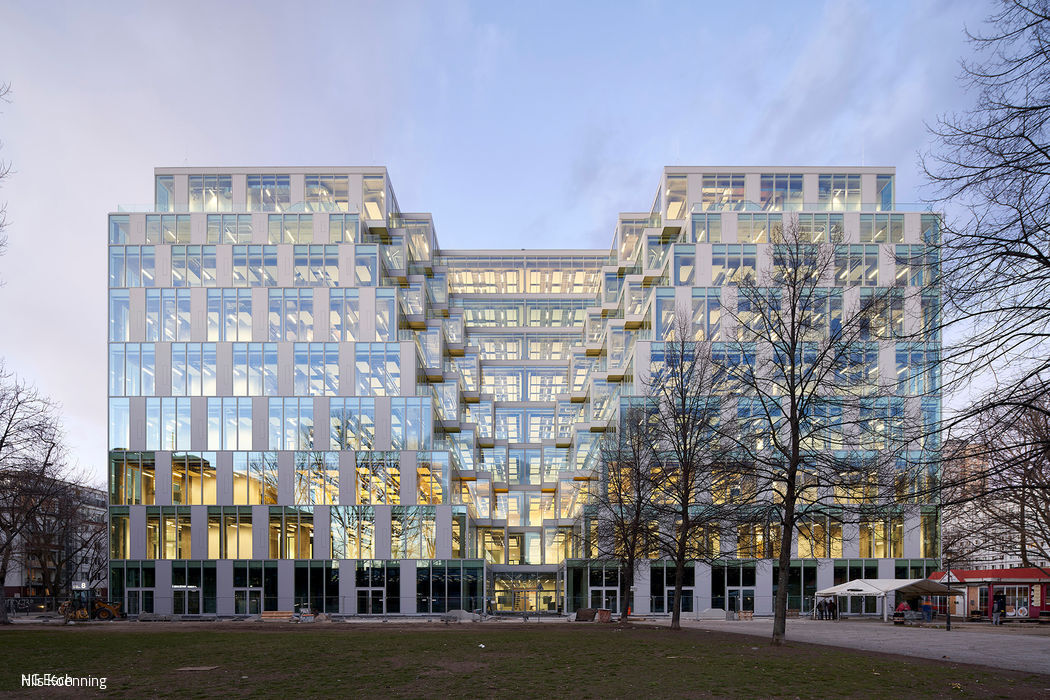
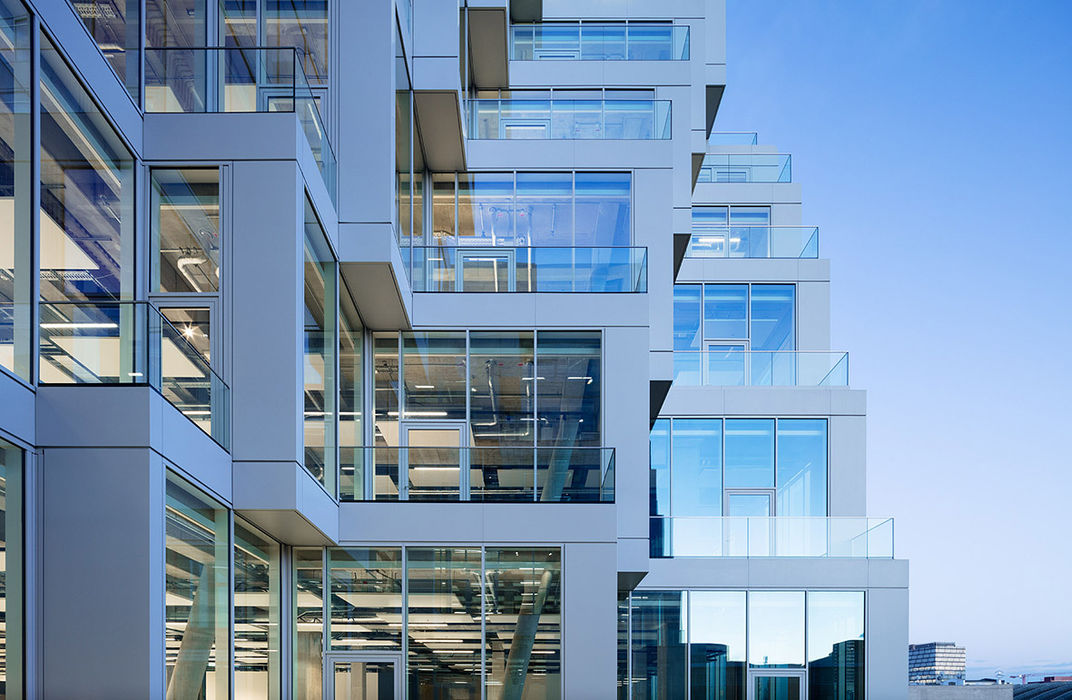
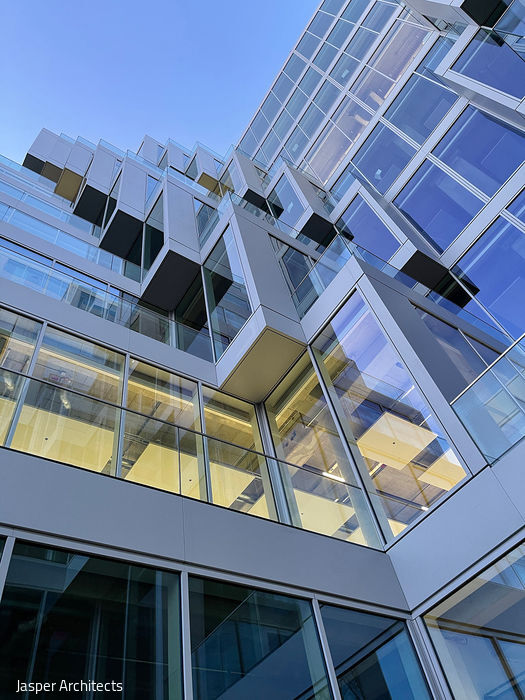
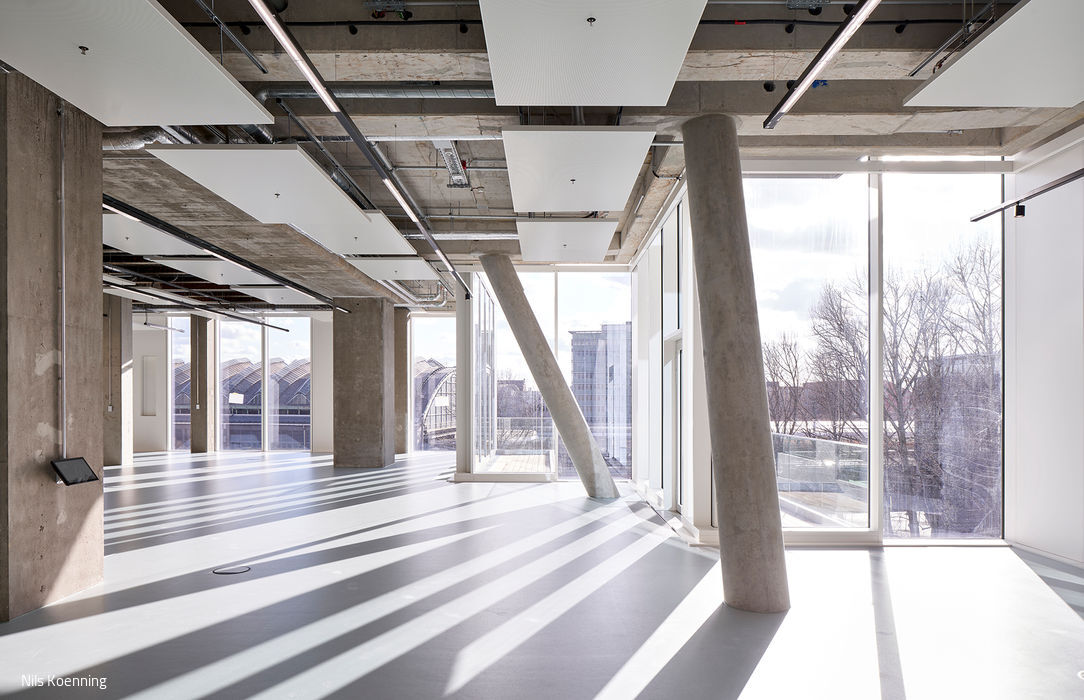
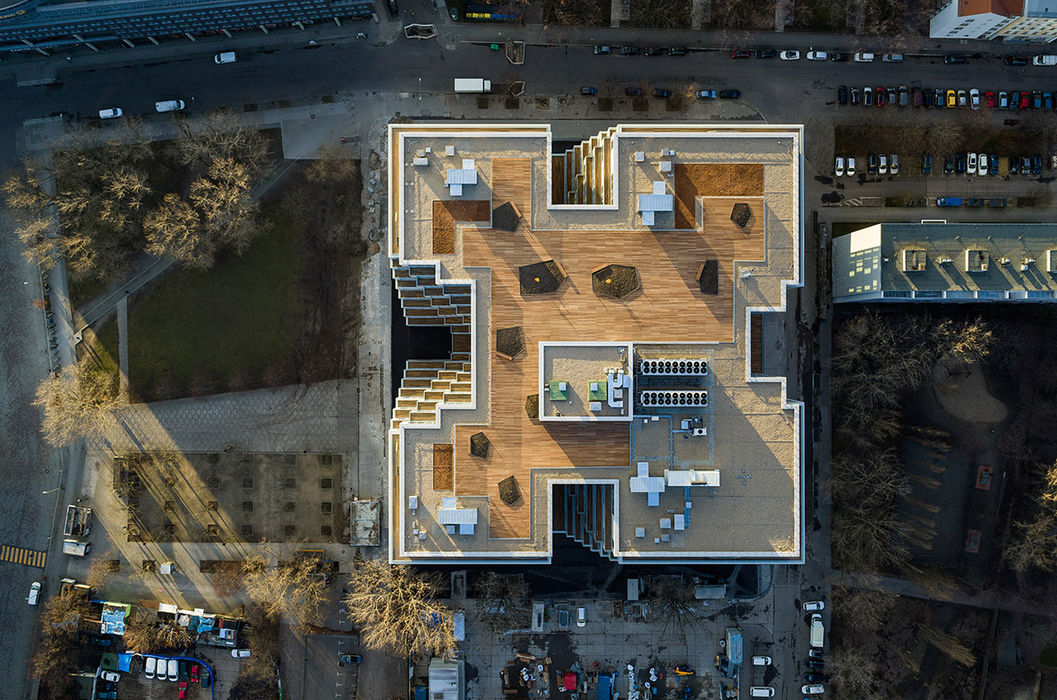
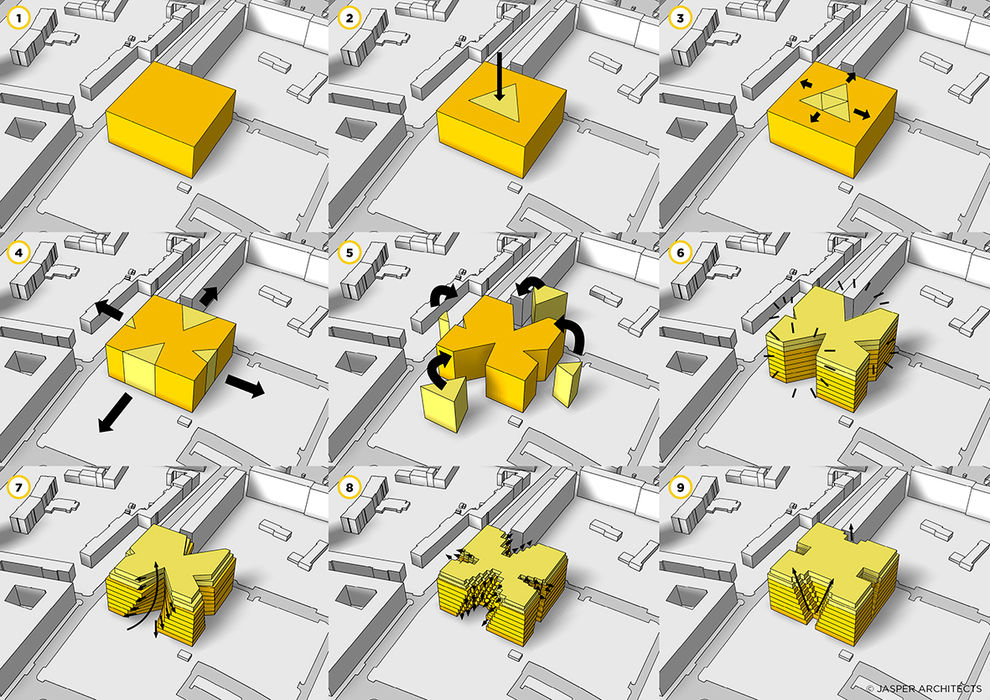
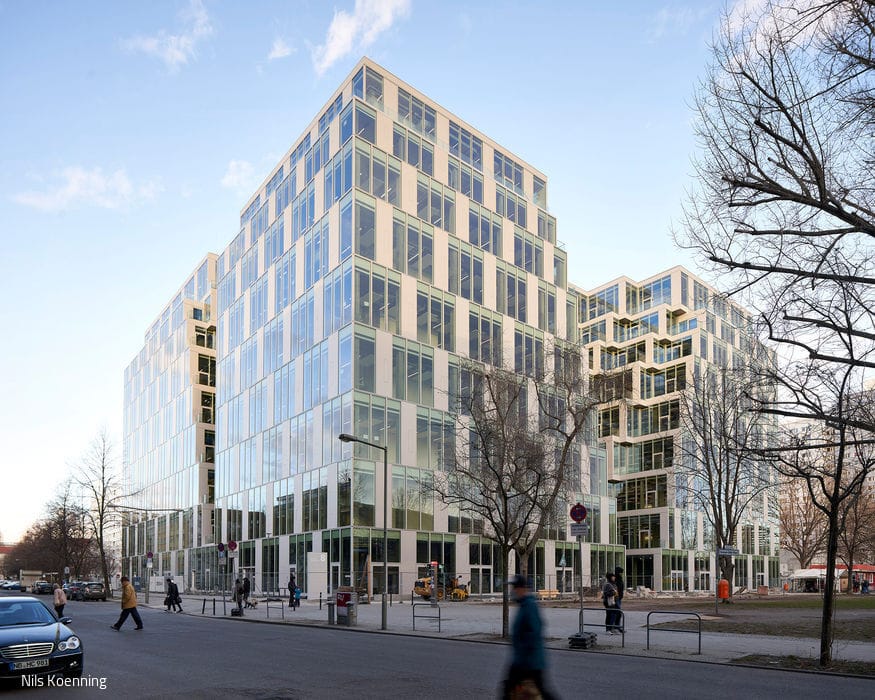
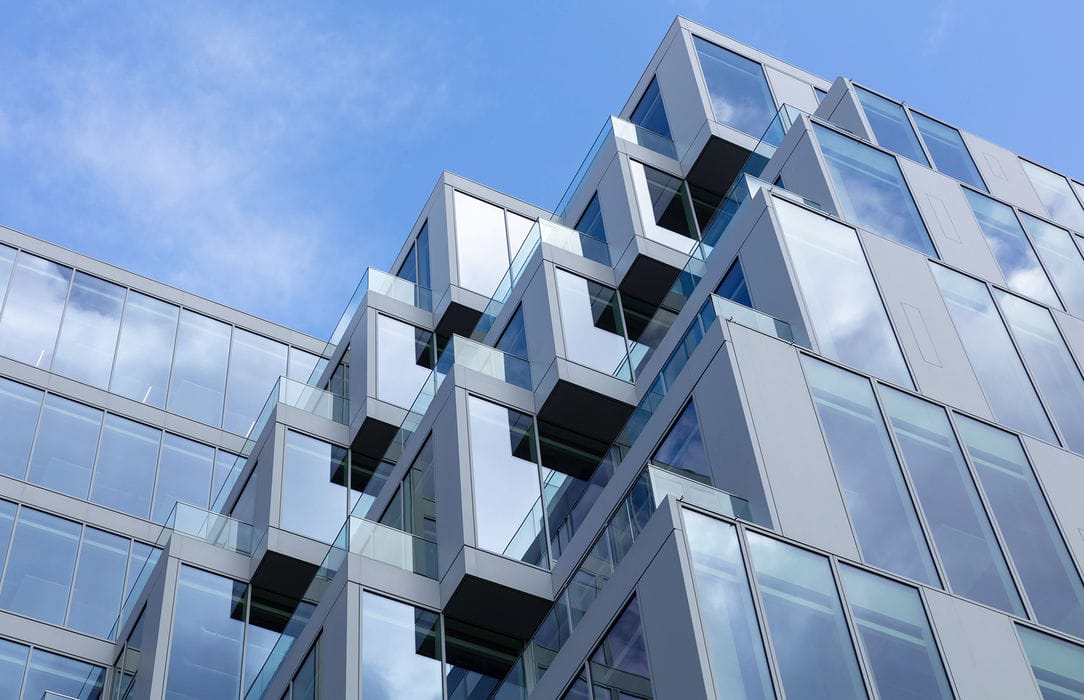
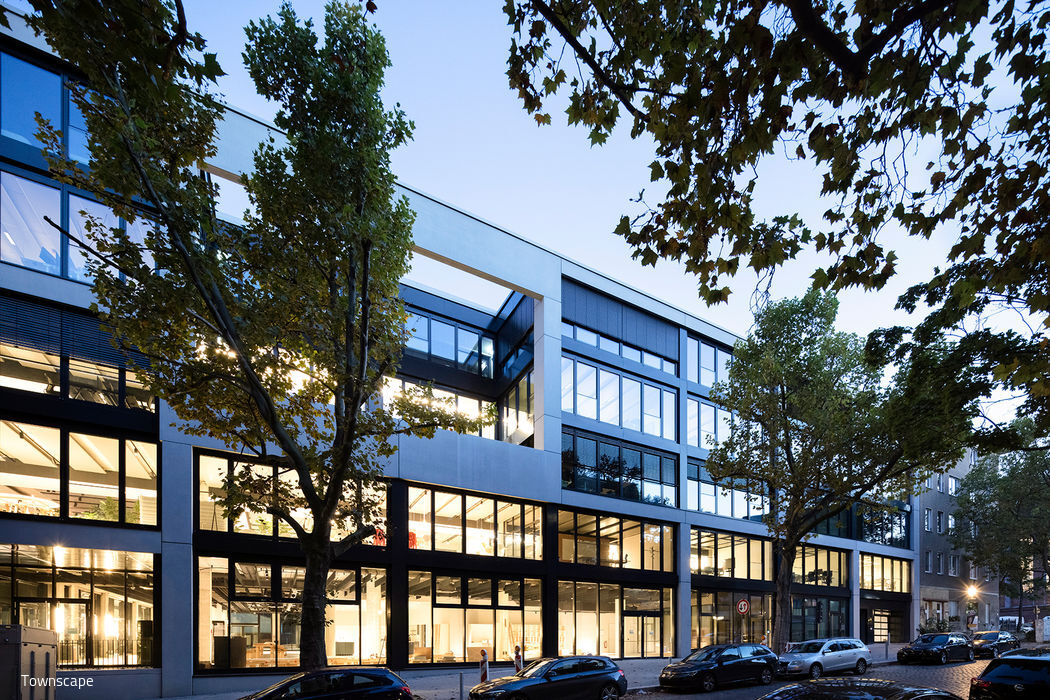
Few would have believed it possible: the Centrum department store, standing near the former East German main station—now Ostbahnhof—has undergone a radical transformation. Once a symbol of East Germany's faith in progress when it opened in 1979, the building had lost its purpose after the fall of the Berlin Wall, serving briefly as a Hertie and Kaufhof before falling silent. When Austrian real estate company Signa acquired the property, they launched a design competition. Martin Jasper and his internationally acclaimed team at Jasper Architects won, joining forces with Berlin-based firm Gewers Pudewill to lead the overhaul.The restructuring was nothing short of bold: converting a closed, windowless concrete cube into an open, light-filled glass structure seemed nearly impossible. Yet the architects achieved it through a daring strategy. They completely gutted the building down to its steel skeleton—a "structural conversion" tailored to meet Zalando's modern workplace needs. The breakthrough came from what might be called a stroke of genius: slicing a central gorge through the building's core and cutting wedges into each of the four exterior walls. This dramatically transformed the interior with natural light, though at the cost of some floor area. Two additional stories were added to restore the original footprint.Viewed three-dimensionally, the interior unfolds as an X, with four zones on each floor arranged around a central hub. The raw industrial character of the original structure has been preserved—ventilation systems, cables, pipes, and rails all remain visible and exposed. The façade employs two complementary module types, alternating between fully glazed and solid sections, with glass-only inserts filling the gaps. The ground floor welcomes retail, supermarkets, and cafés, while Zalando's upper-floor offices are designed with flexibility to accommodate evolving workplace standards.The result, which opened in March 2021, is remarkable: a building that's been completely reborn without losing its essential character.
www.jasperarchitects.com
www.gewers-pudewill.de
Photography Credits:
HG Esch
www.hgesch.de
Nils Koenning
www.nilskoenning.com
(Published in CUBE Berlin 01|22)


Increased
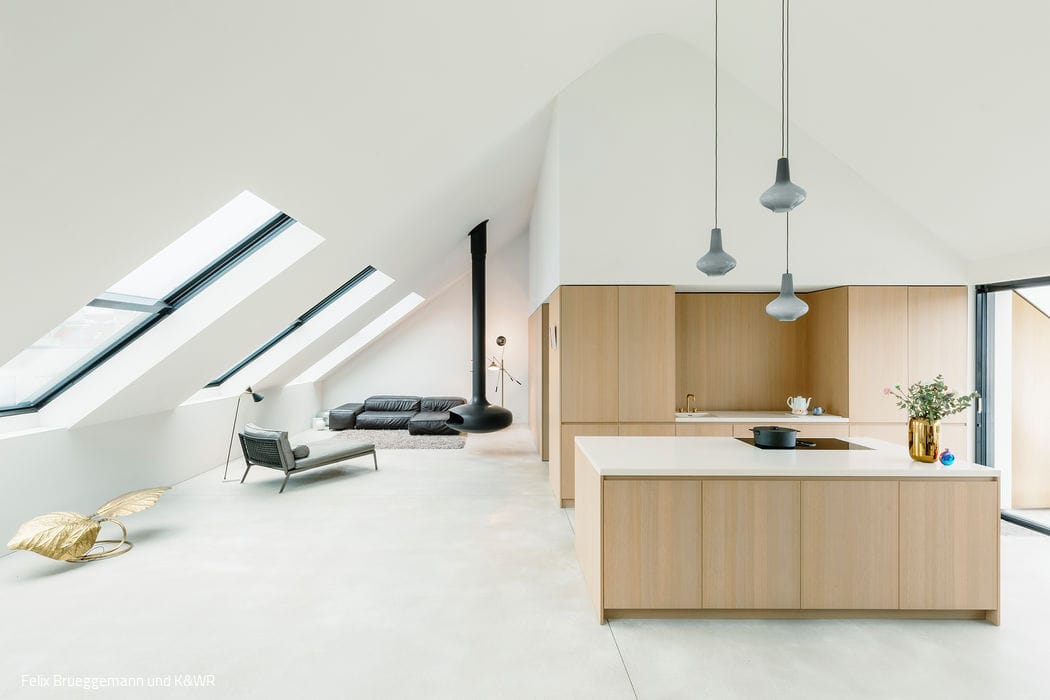
A Wilhelminian townhouse with a maisonette apartment in the attic
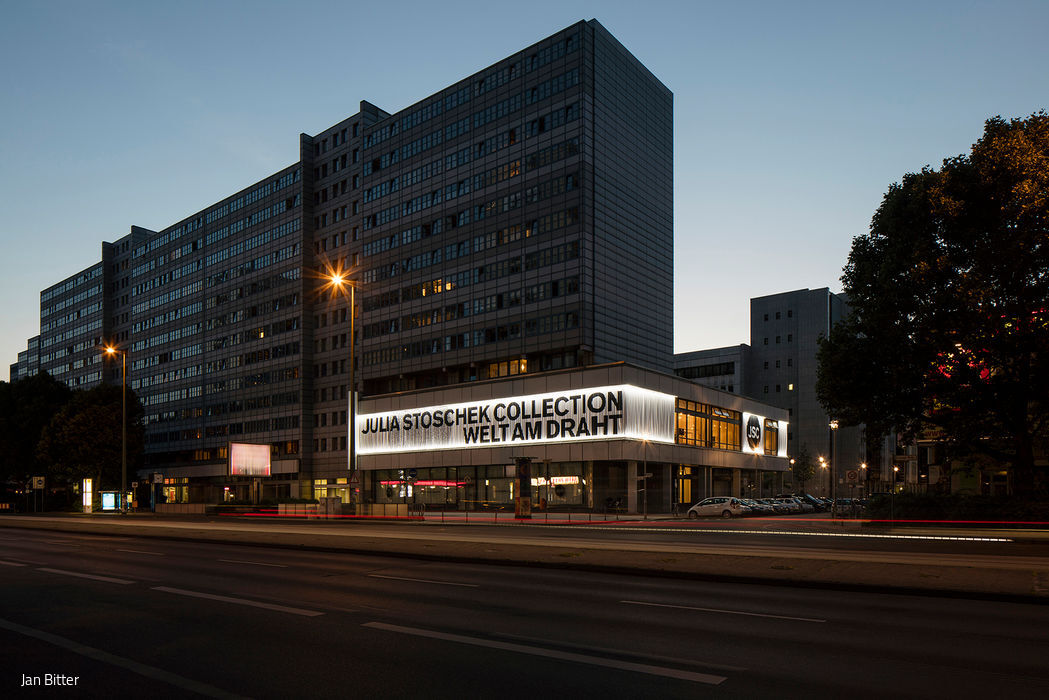
Built to Last
The JS Collection has become a sought-after destination, with the thoughtful renovation playing a key role in its success.
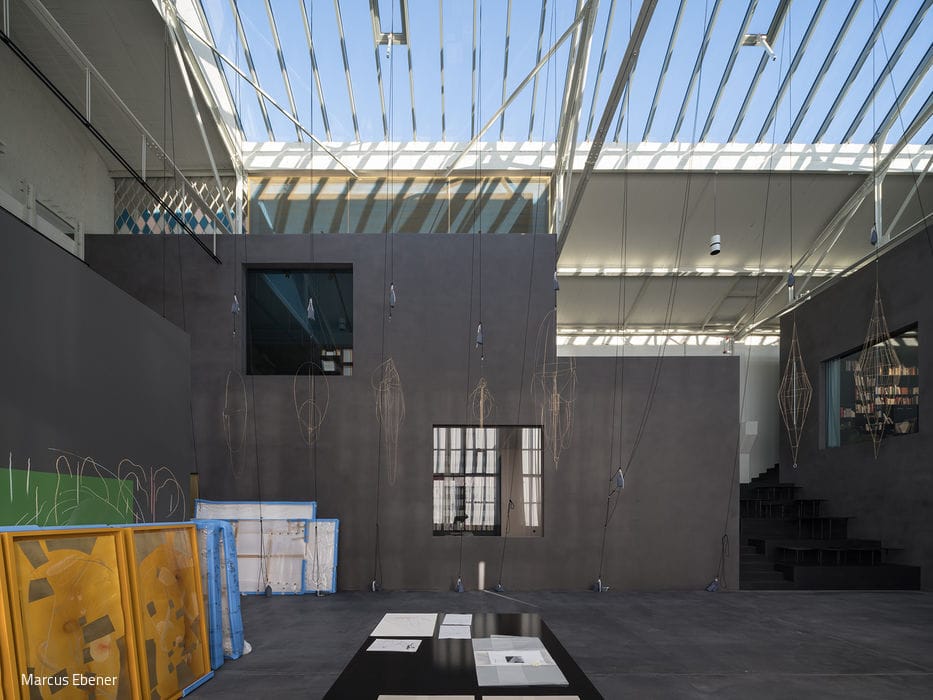
Extravagant Interiors
The architects' house-within-a-house concept is a masterstroke.

The Yellow Wonder
Restructuring of the former BUFA site