


All's well that ends well
Despite challenging constraints, a small architectural gem emerged
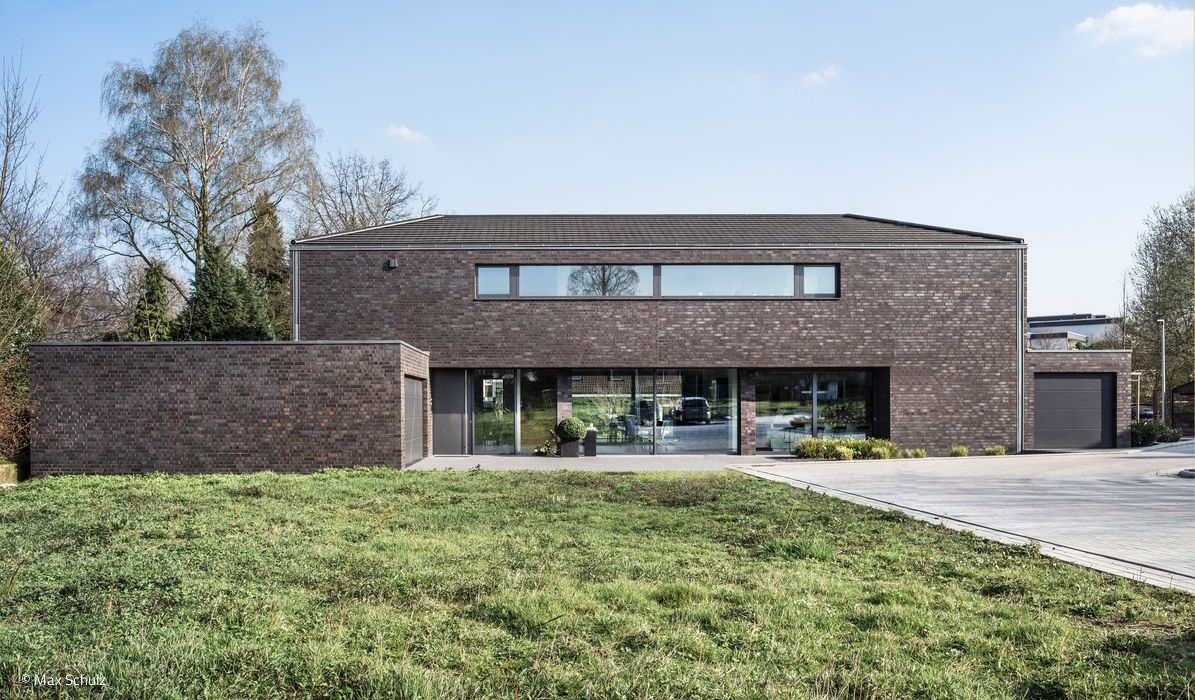
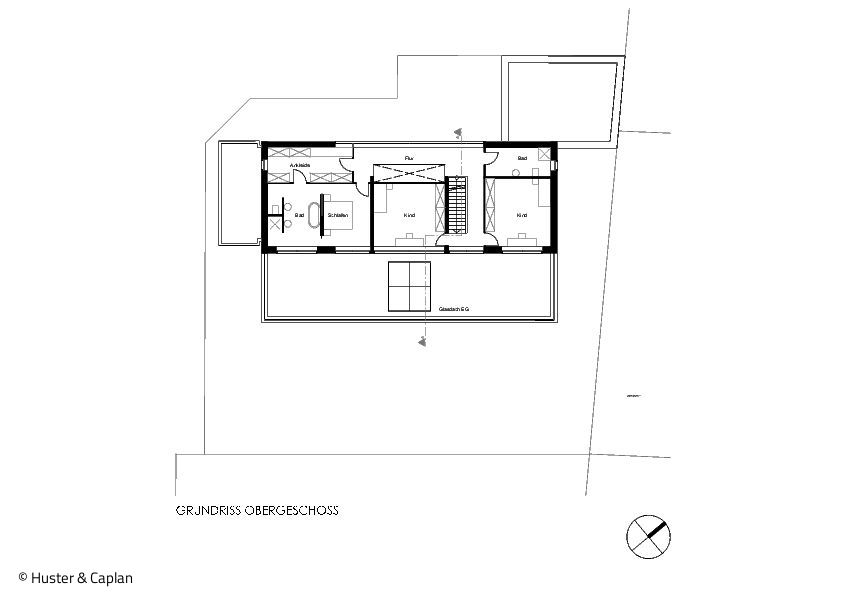
Initial contact between the clients and the architectural firm Huster & Caplan from Lüdinghausen had been established some time earlier. The clients then embarked on a year-and-a-half search for the ideal plot of land. Once the purchase agreement was signed, they reached out to the architects with optimism: "We've found the perfect site where we can bring all our ideas to life—a flat roof, staggered stories, and clean linear design!" This vision was even enshrined in the notarial contract.
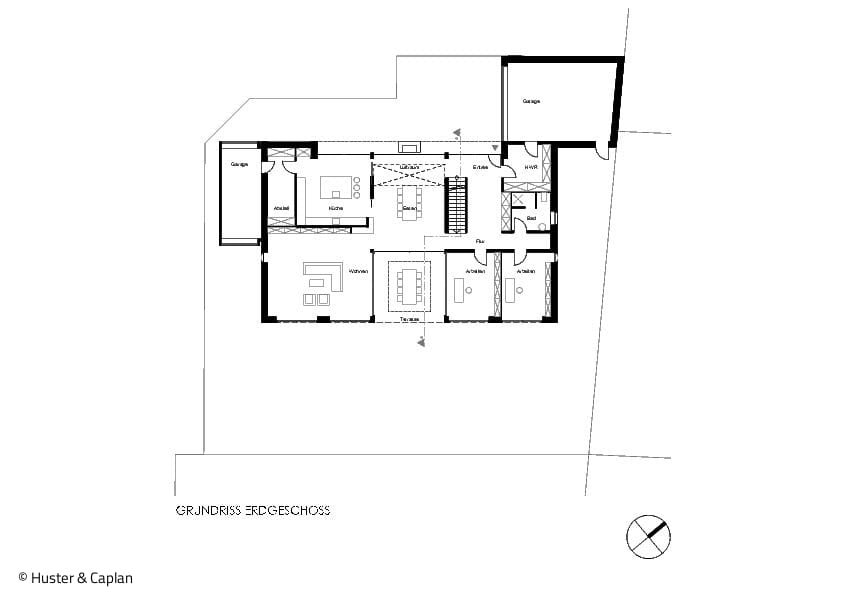
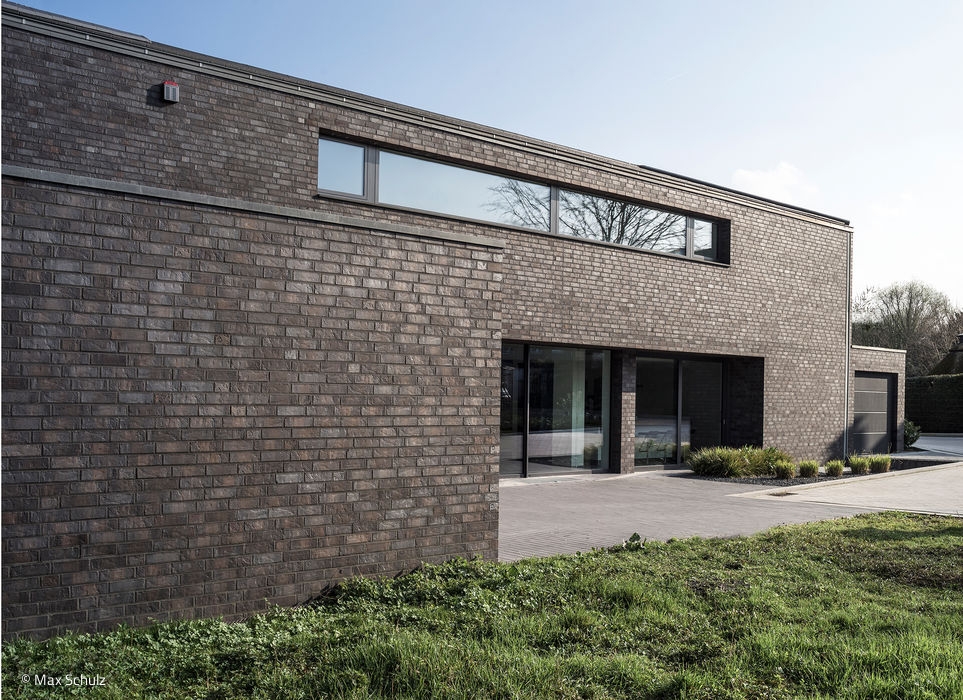
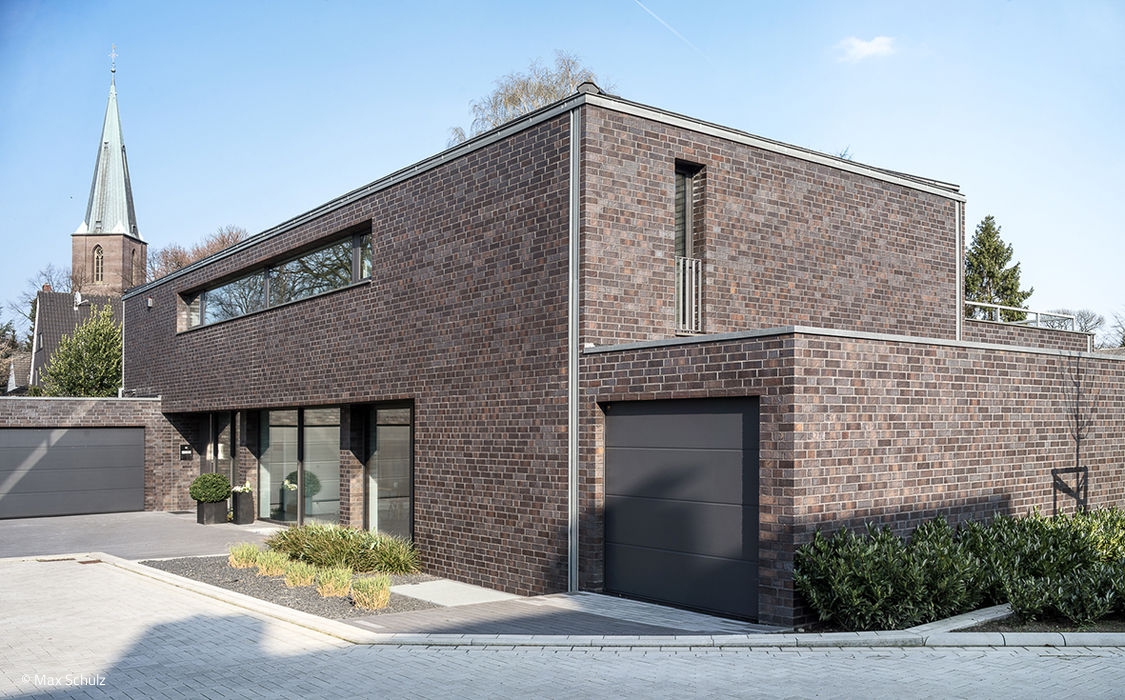
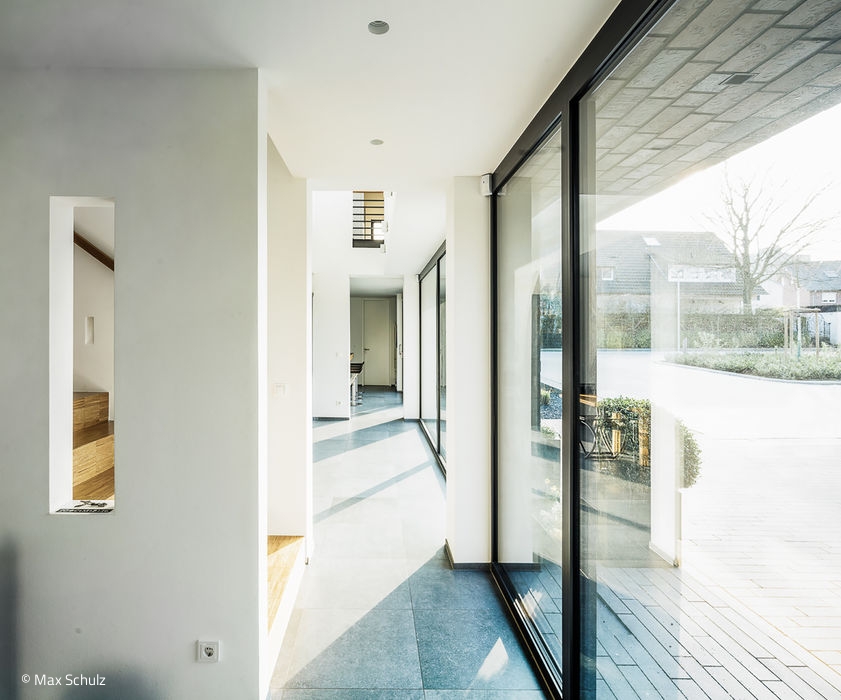
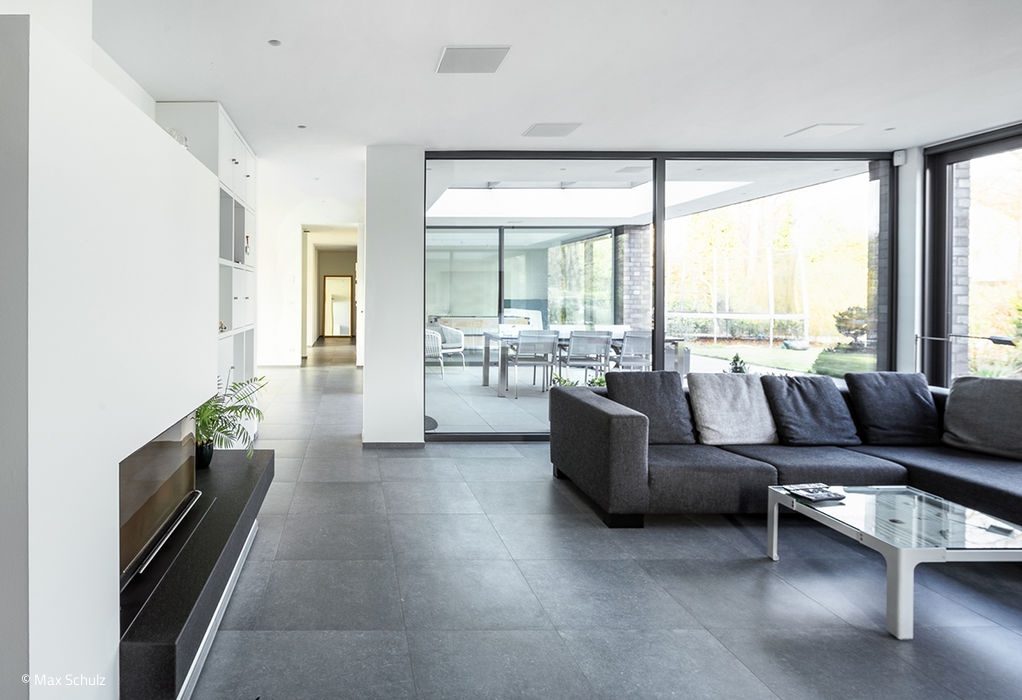
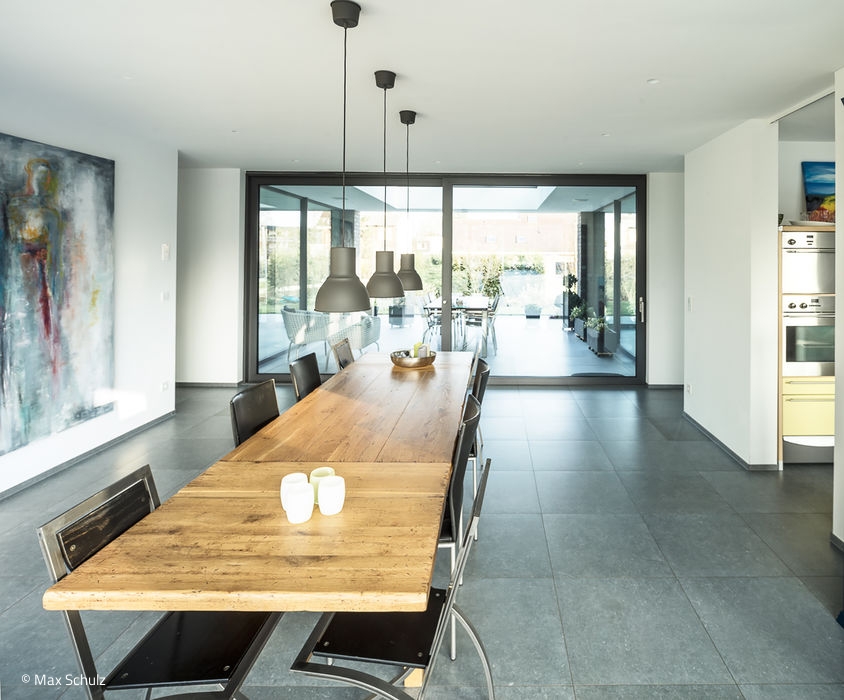
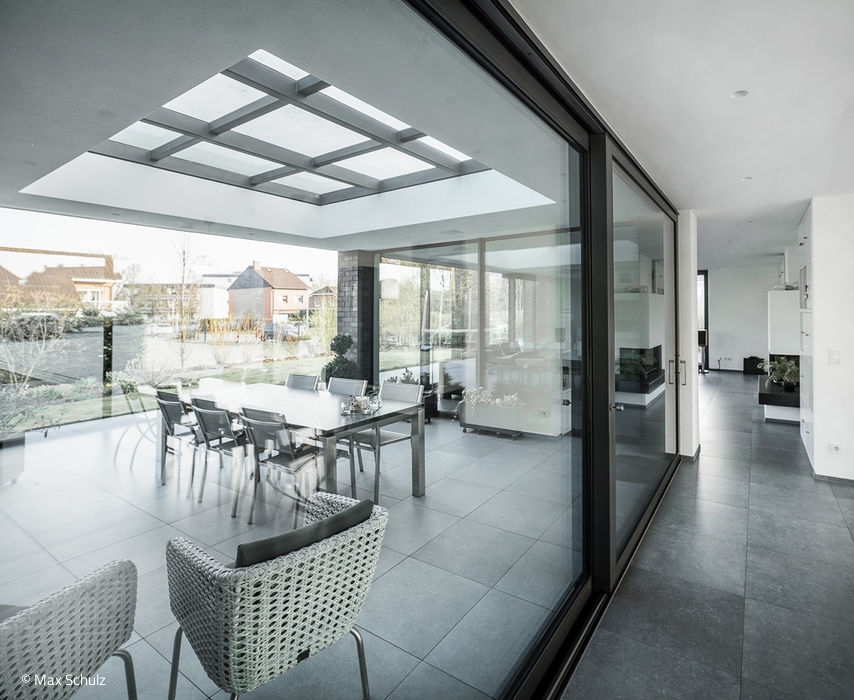
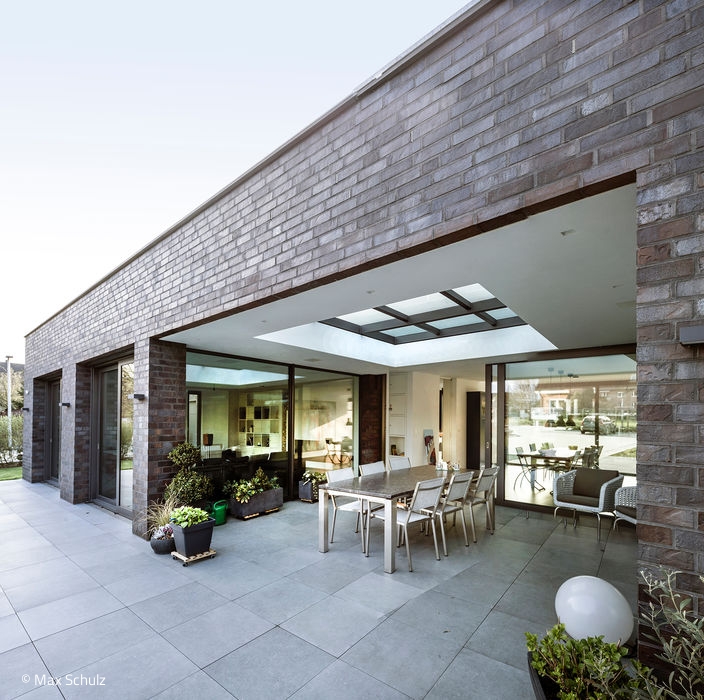
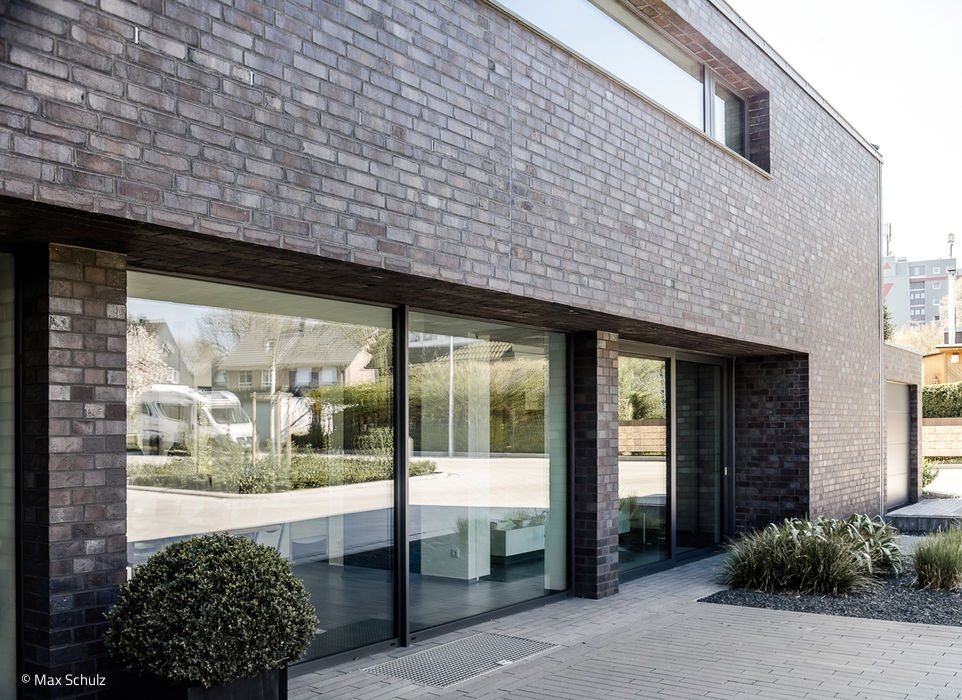
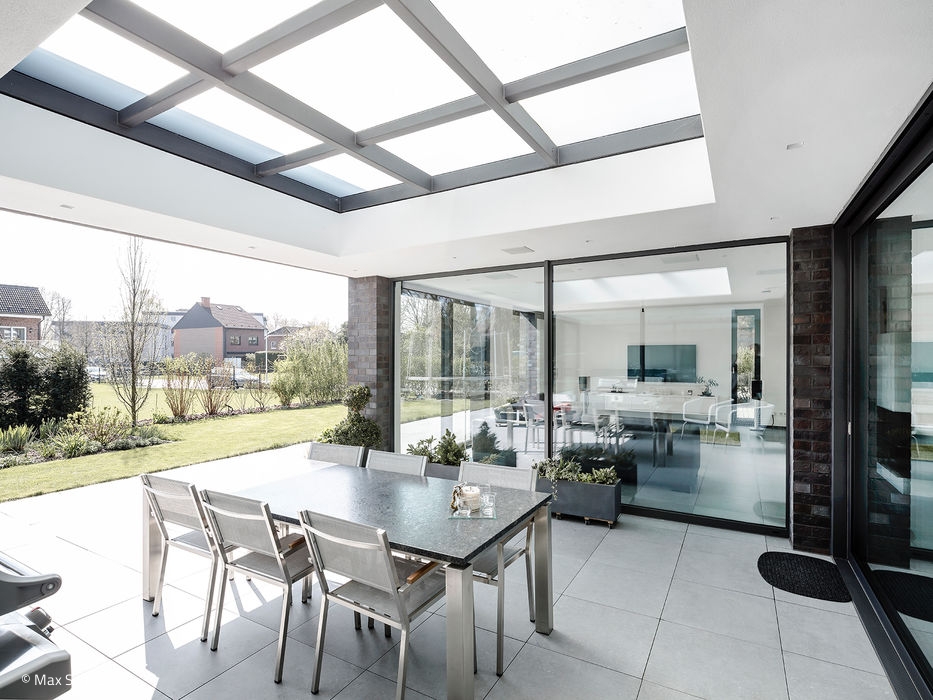
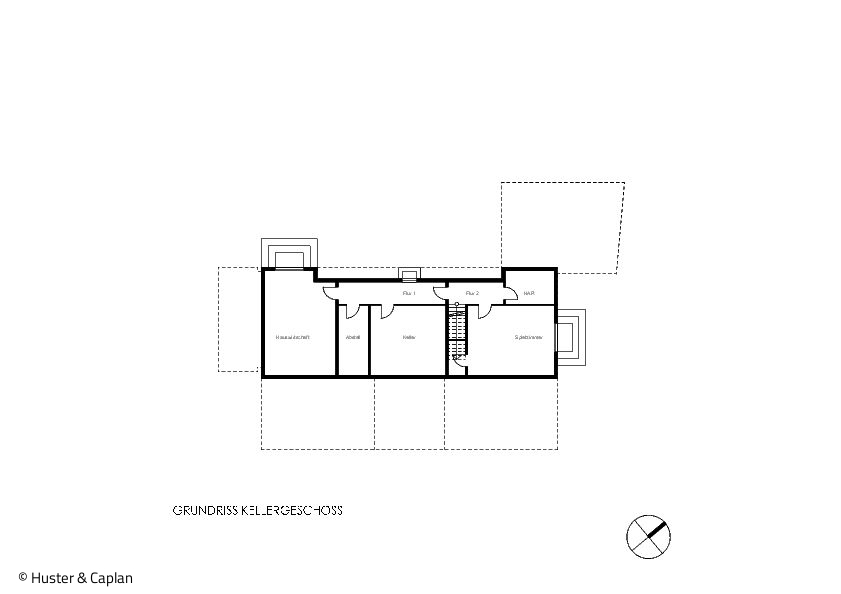
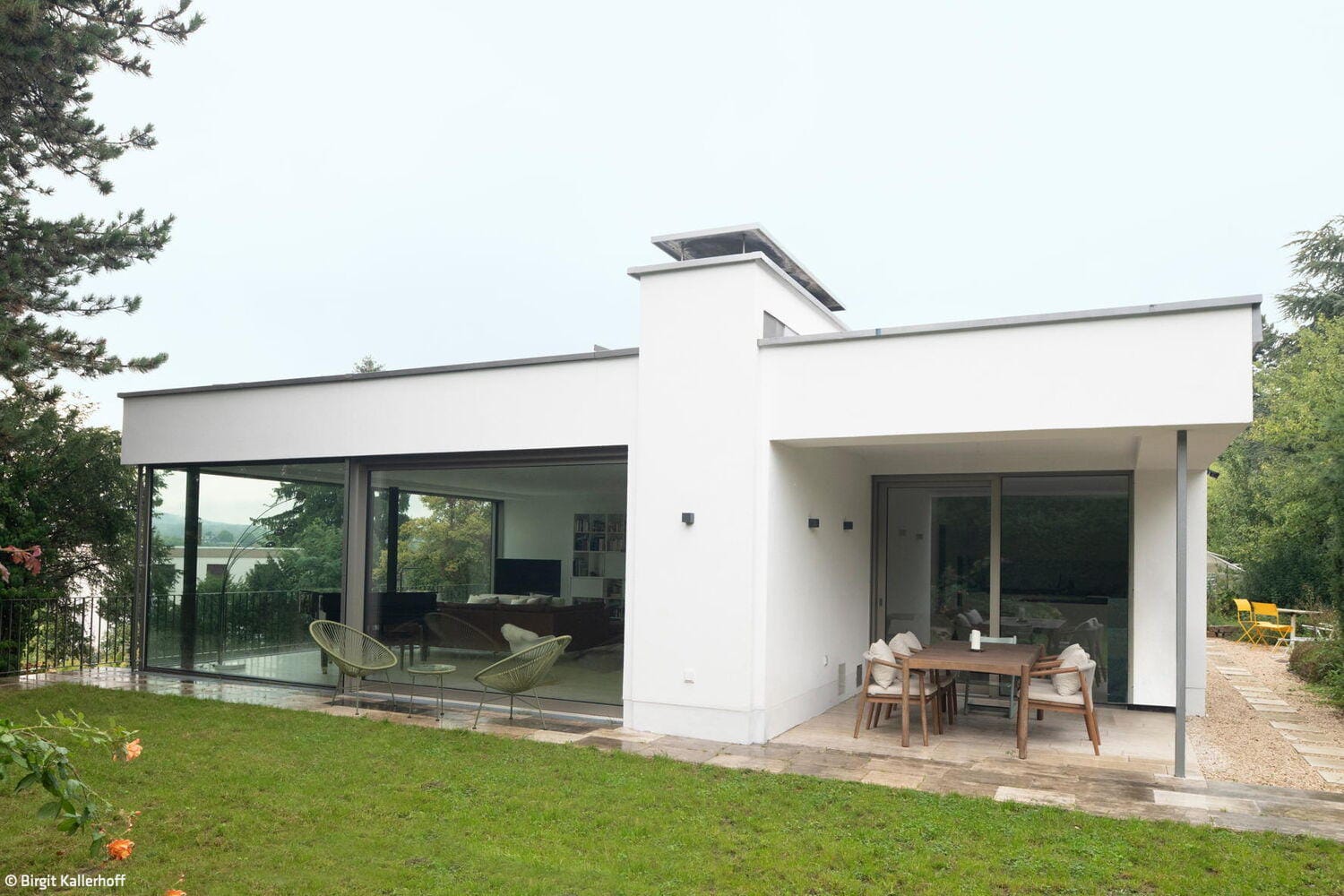
The approximately 750 m² property in Herten sits within a small new development in an established urban neighborhood, bordered by a private garden, a kindergarten's outdoor space, and the development's new access road. However, an outdated zoning ordinance severely restricted what could be built there—single-storey structures with pitched roofs only. The architects' initial conversation with the clients was sobering, to say the least. Cards needed reshuffling. Through extensive dialogue with city planners, a solution emerged that satisfied everyone involved. The result: a cleanly designed, partially underground residence that technically qualifies as single-storey under local floor-area regulations. The pitched roof is actually a very gently sloped hip roof without eaves overhang, its form and materiality reinforcing the building's architectural clarity. The street-facing entrance expresses two stories, while the garden elevation presents a single-storey composition with staggered levels. The ground floor unfolds as a flowing sequence of spaces where interior and exterior dissolve seamlessly into one another. Multiple sight lines crisscross the central areas—both outward and vertically between floors. Expansive glazing and an inserted glass-roofed loggia amplify this sense of spatial continuity and light.
The dining area anchors the house—positioned centrally and opening directly onto the loggia, it becomes the heart of family life. All other ground-floor living spaces orient themselves to this central dining room. Upstairs, the attic level provides generous accommodation for private bedrooms and baths, with expansive glazing extending the rooms into a secluded rooftop terrace. A glass walkway above the loggia visually links the floors. This dialogue between spaces continues: the circulation areas frame views into the dining room via a small gallery bridge. Marked by balanced proportions and meticulous craftsmanship, this timeless architectural gem integrates thoughtfully into its setting while maintaining a distinctive presence all its own.
(Published in CUBE Ruhrgebiet 03|19)


Concrete Meets Wood
Nestled in nature, the bungalow reveals its true character from within.
My house by the lake
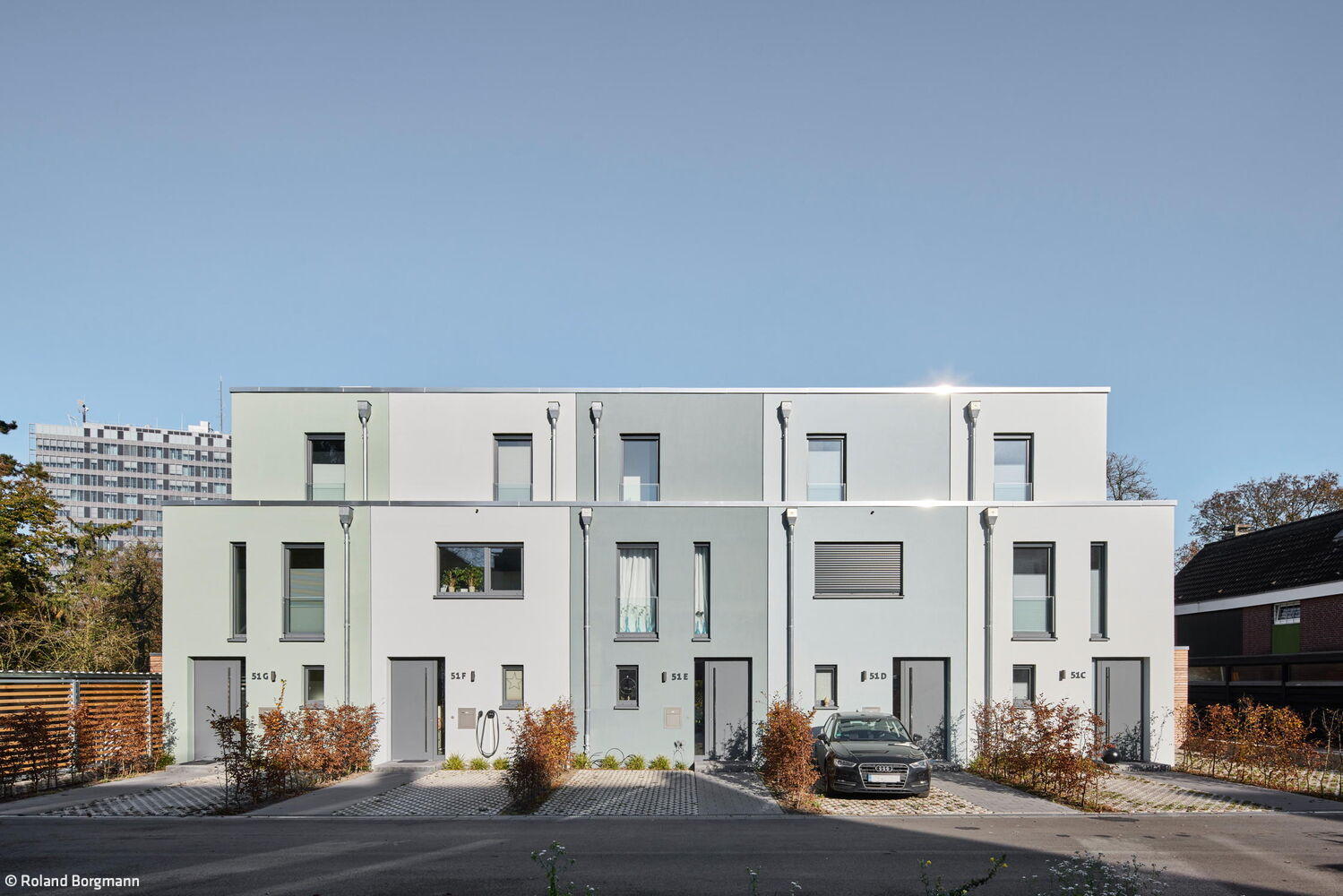
Striking terraced houses rise on a previously vacant site
A Masterful Composition
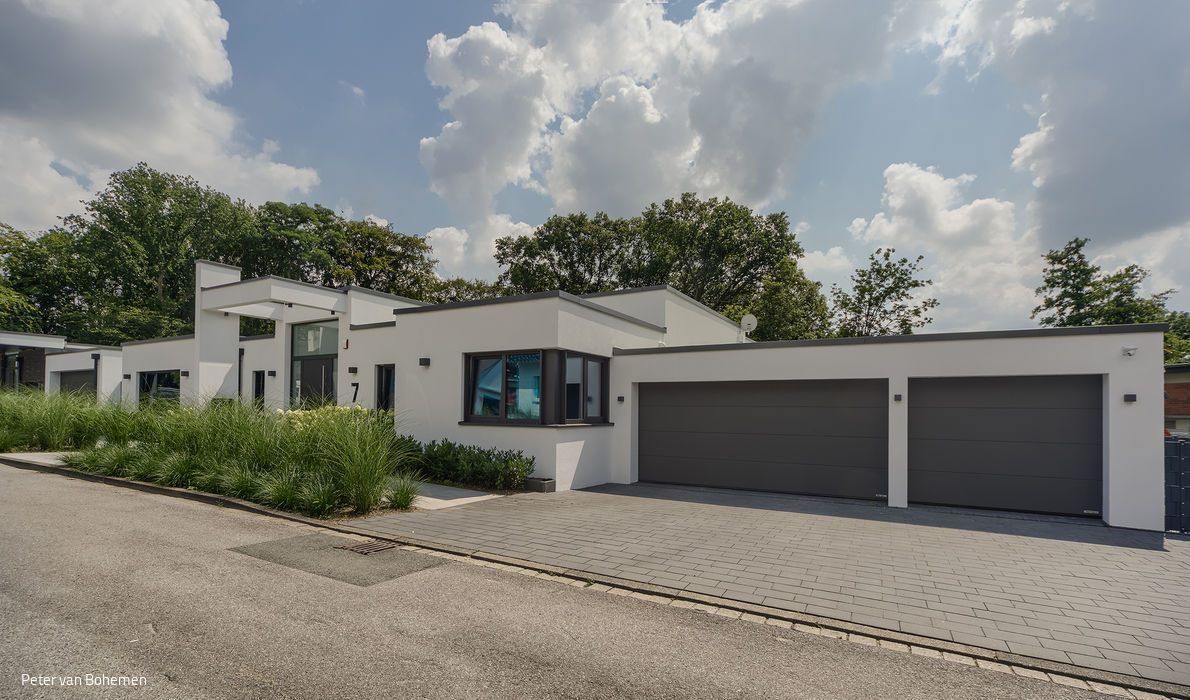
Two Distinct Bungalows, Harmonious Neighbours
Learning Made Fun
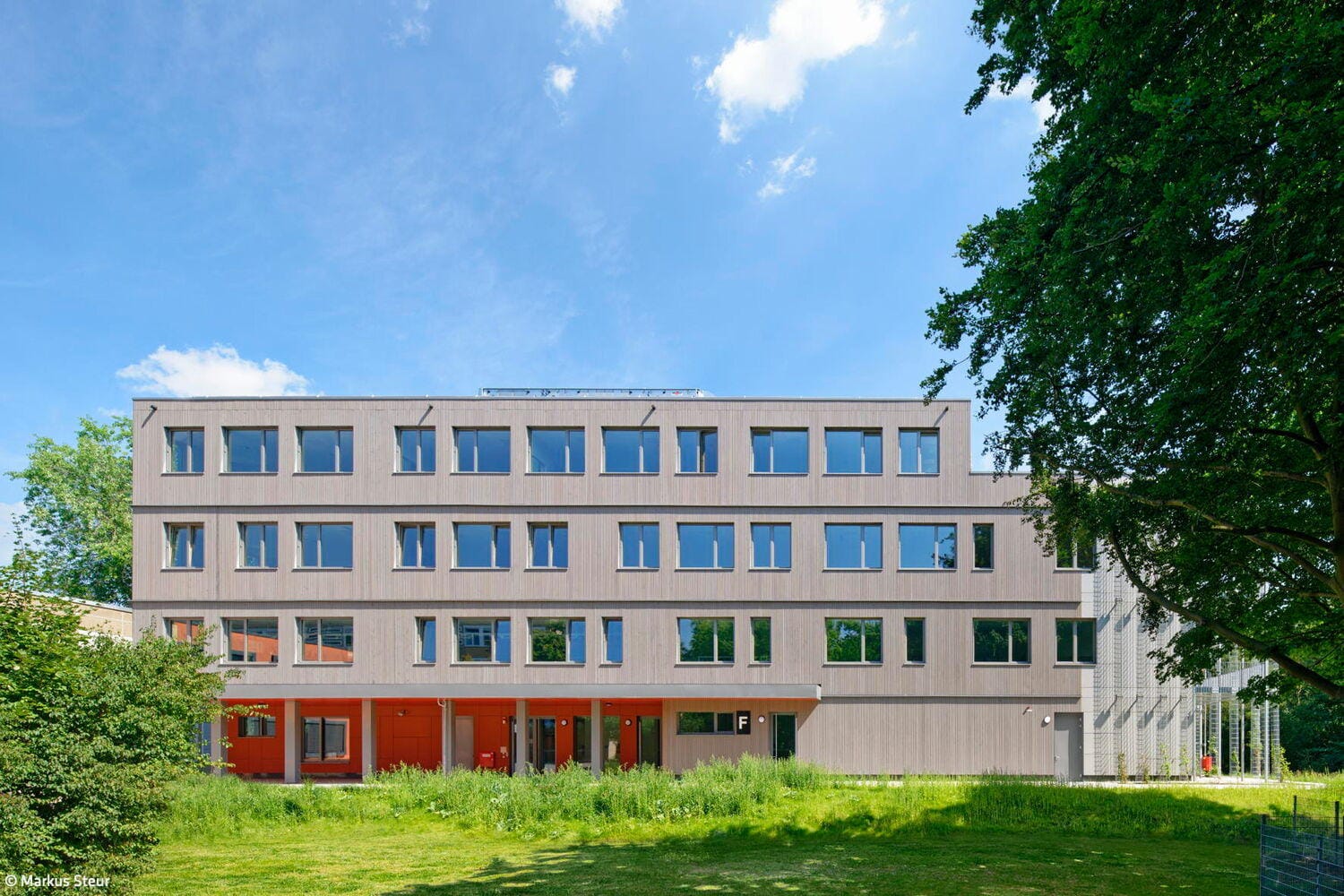
A bright modular building delivers a Dortmund secondary school with modern, flexible learning spaces