


A Challenging Conversion
A Disused Pigsty Becomes a Modern Home
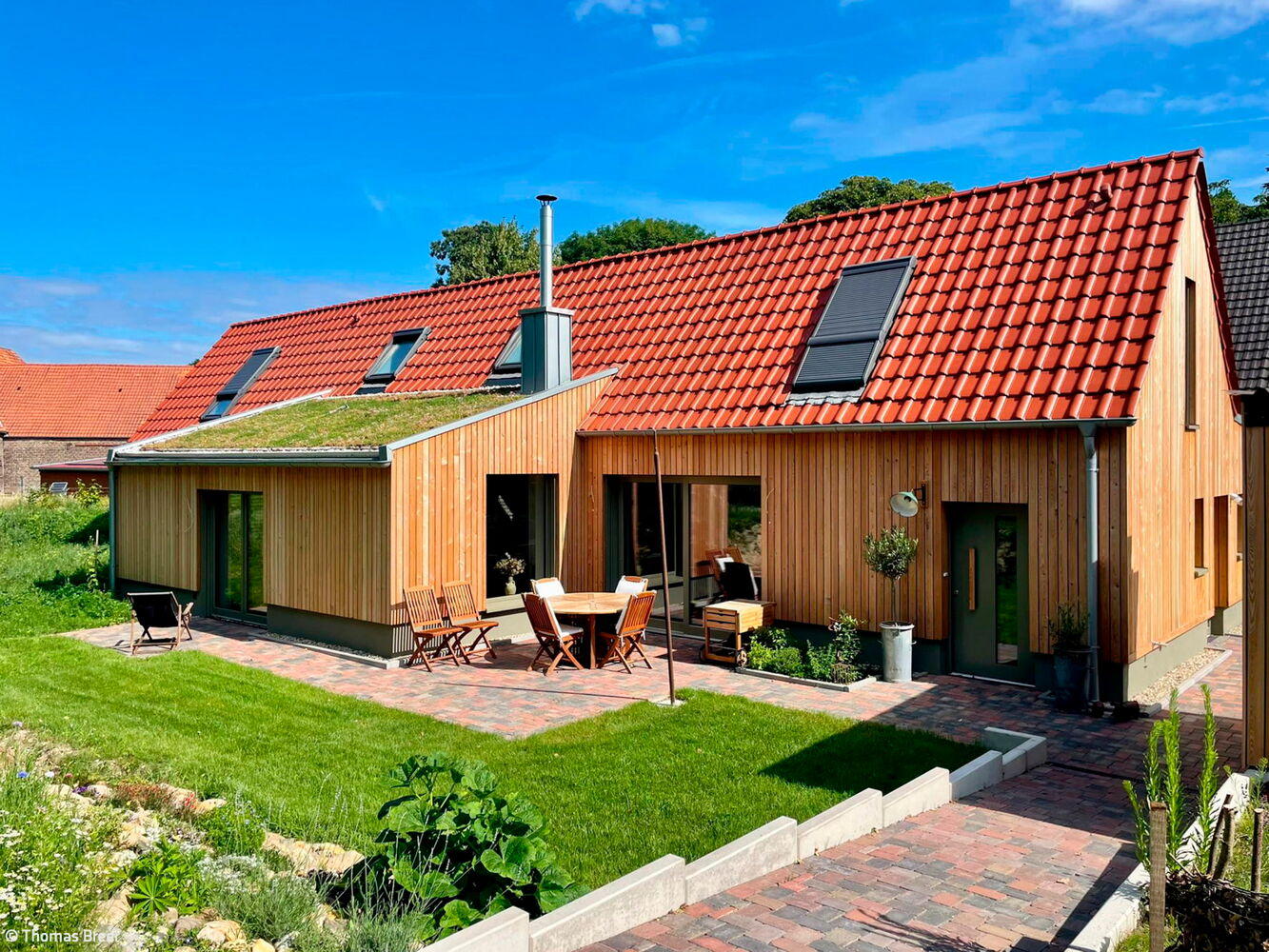
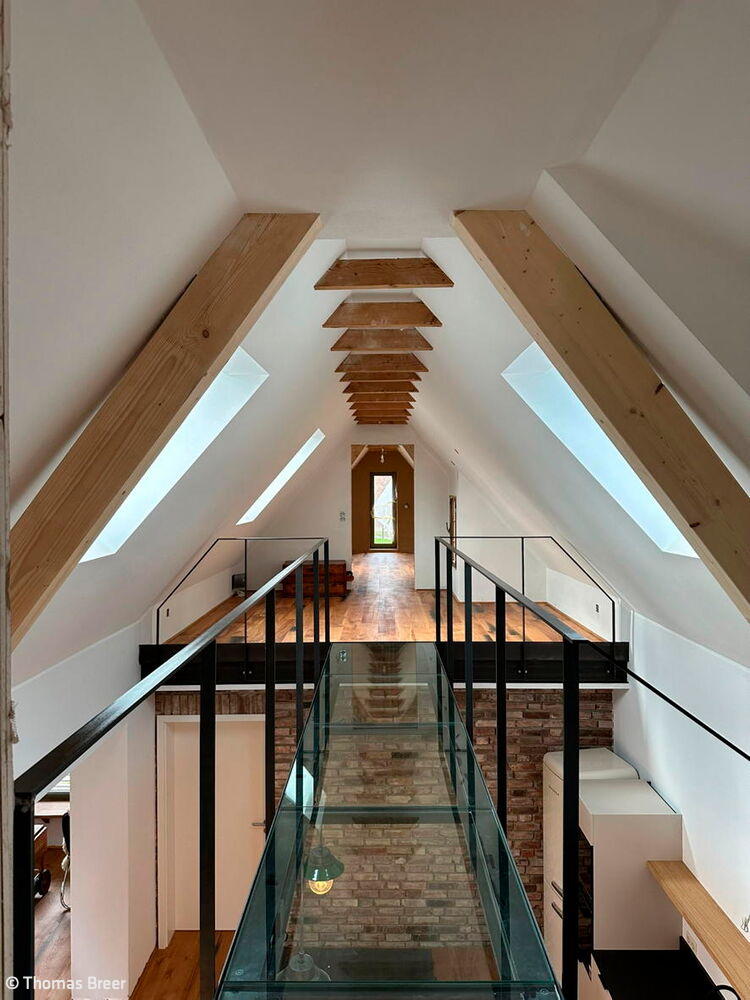
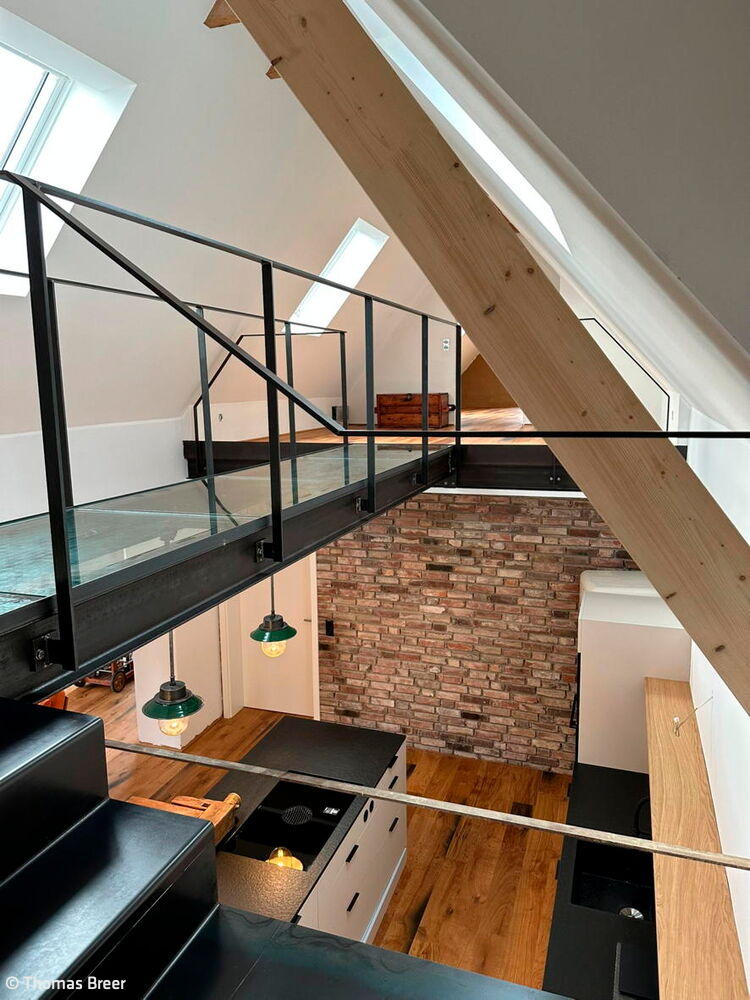
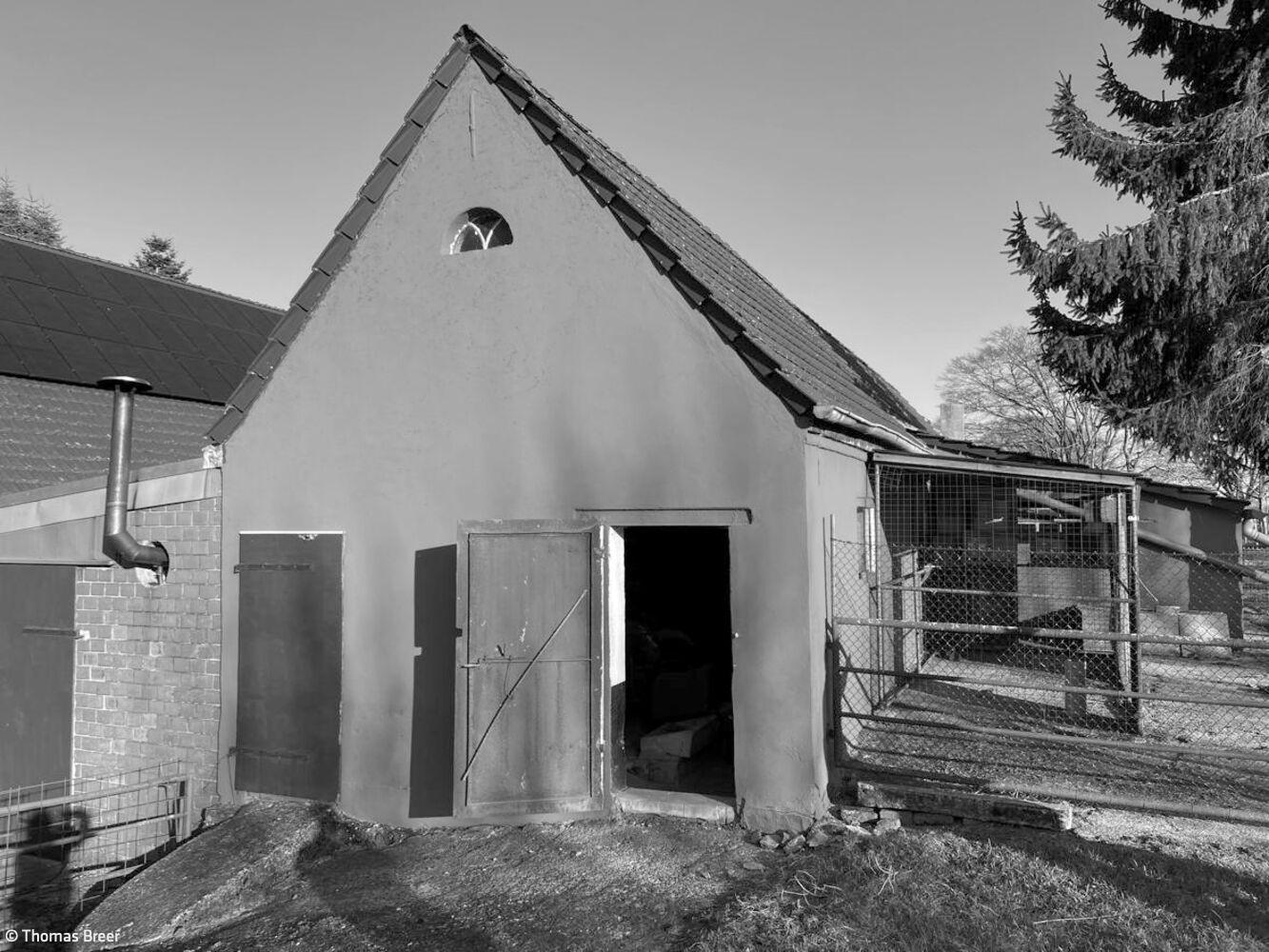
Perched on a hilltop with sweeping views across the Lower Rhine landscape stood a derelict pigsty and adjoining chicken coop—remnants of a working farm, now owned by the clients. They envisioned a contemporary home that would meet modern standards for comfort and energy efficiency, all while embracing natural materials.
The planning and execution team at TBA Thomas Breer Architekten in Kalkar faced particular constraints that come with renovating rural buildings. As Thomas Breer explains: "Building codes require that we preserve the structure's original cubic volume—there's no room for expansion. We can modify the load-bearing structure, but we can't rebuild it from scratch." His firm has navigated similar challenges on numerous projects. Visually, the converted structure distinguishes itself through a rear-ventilated larch facade that contrasts beautifully with the surrounding red-brick courtyard. Wood fiber insulation was chosen for both the facade and roof. Generous skylights punctuate the roof's terracotta tiles, flooding the interiors with natural light. A green roof adorns the former chicken house, completing the transformation.
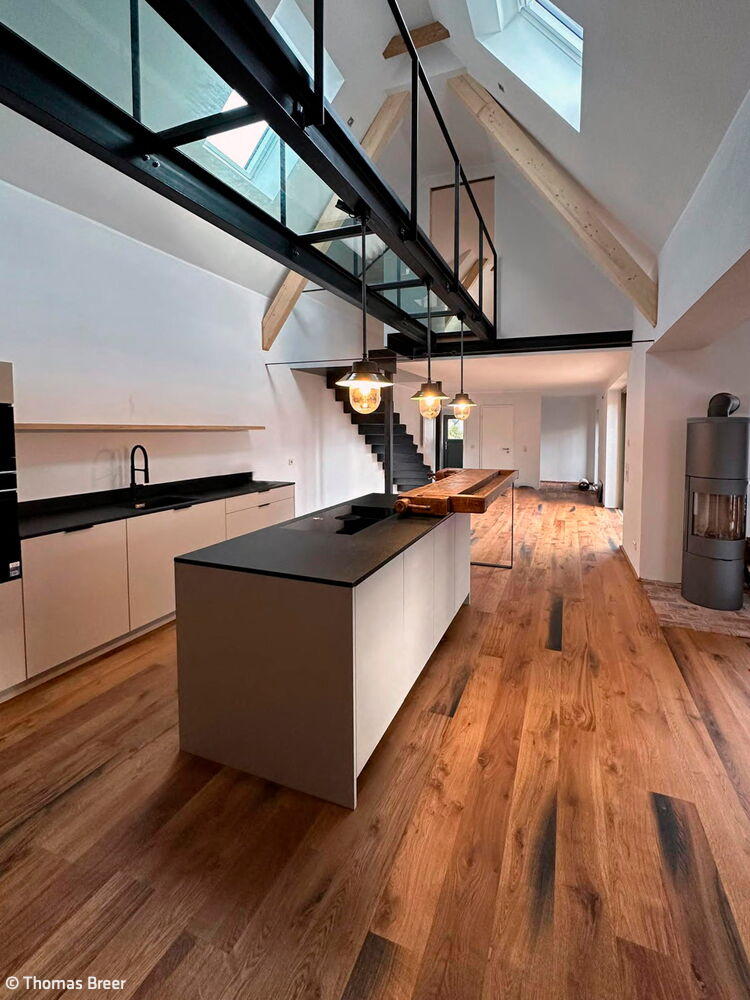
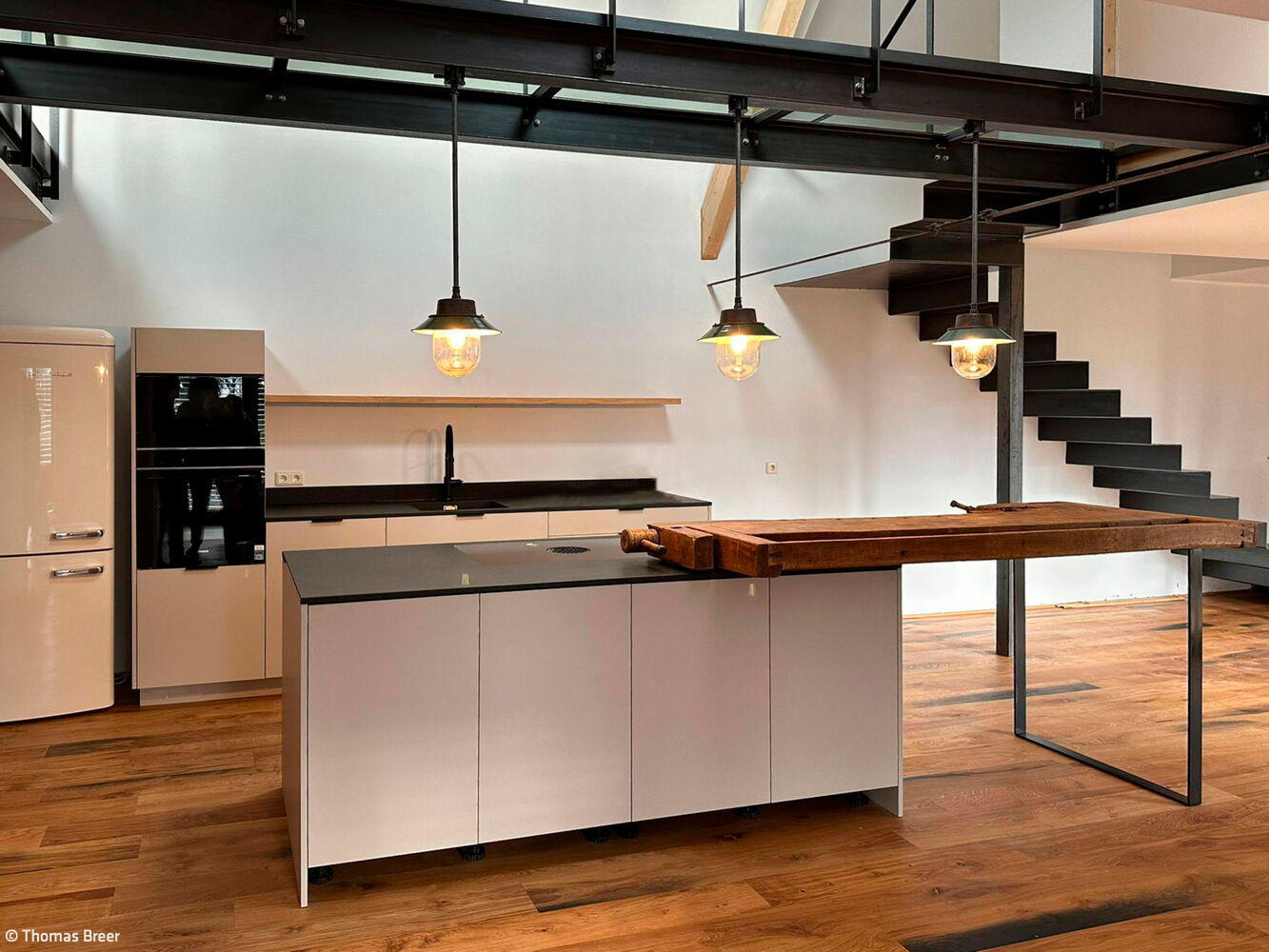
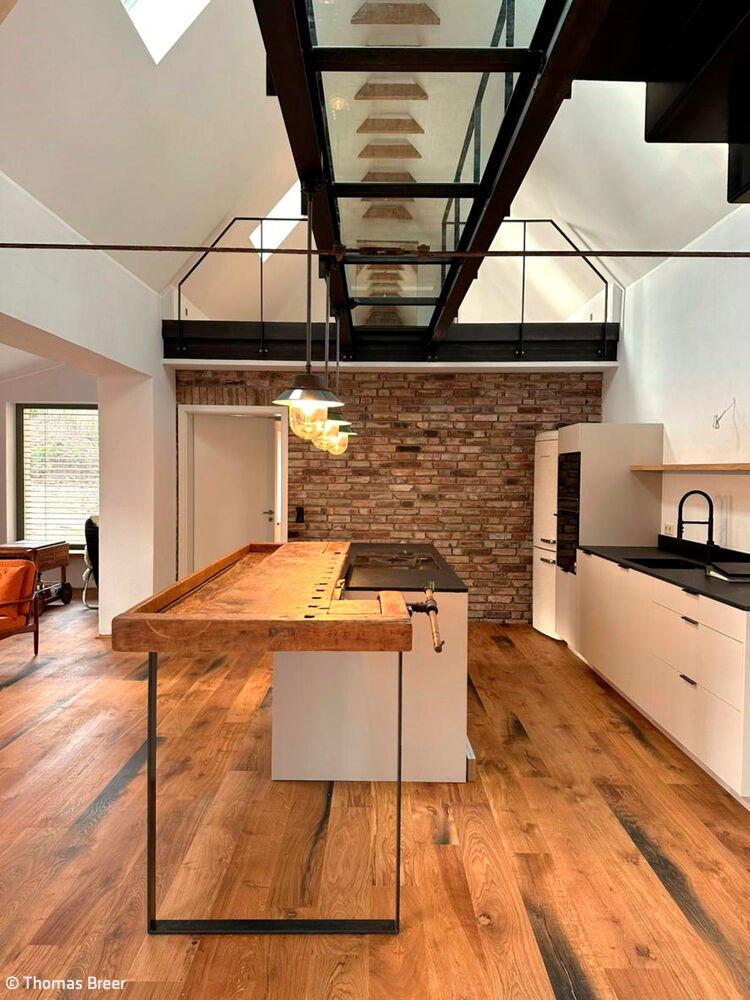
The gutting began with careful deconstruction, followed by the construction of a "house within a house" and the installation of a new foundation slab. The exterior walls were protected from efflorescence with a thin masonry lining on the interior. In the living spaces, floor-to-ceiling windows frame views of the surrounding landscape. The roughly 150 m² of living space flows across an open-plan ground floor where the living, dining, and kitchen areas merge seamlessly. The double-height space above the cooking zone creates an impressive sense of openness and light.
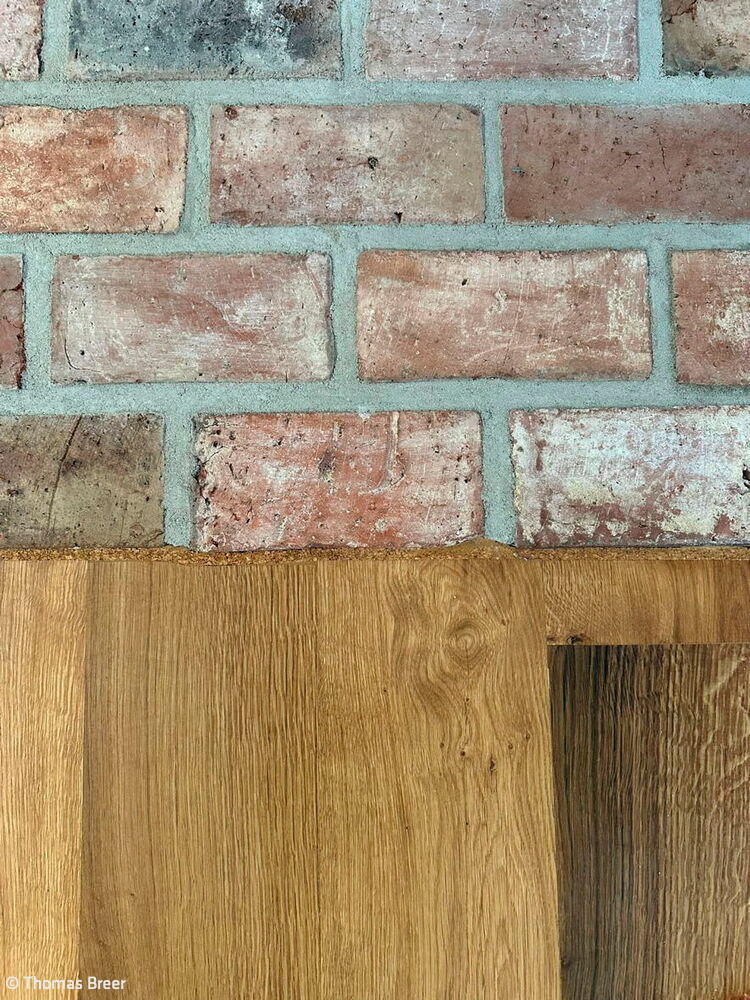
Historic elements salvaged from the original structure were reintegrated thoughtfully: the rope mechanism from the old roof framing, reclaimed bricks now serving as the kitchen's accent wall, and a contemporary basin mounted on a vintage washstand in the accessible ground-floor bathroom. An internal light well extending to the attic floor bathes this interior space in natural light and air. Upstairs, a glass-floored steel bridge spanning between the two rooms becomes a defining architectural gesture, while a folding steel staircase elegantly links both levels. A steel fireplace adds warmth on cooler evenings. The solid wooden floors tell their own story—timber sourced from the nearby Reichswald forest, its dark striking flecks a testament to shrapnel embedded during wartime.
www.thomasbreer-architekten.de
Photography:
Thomas Breer
(Published in CUBE Ruhrgebiet 03|25)

Sustainable and Respectful
The new Duisburg food bank—designed with both function and fiscal responsibility in mind.

Park of Movement
Revierpark Vonderort in Oberhausen pursues a holistic approach

Harmonious Composition
A new rectory opens up the parish in Lütgendortmund
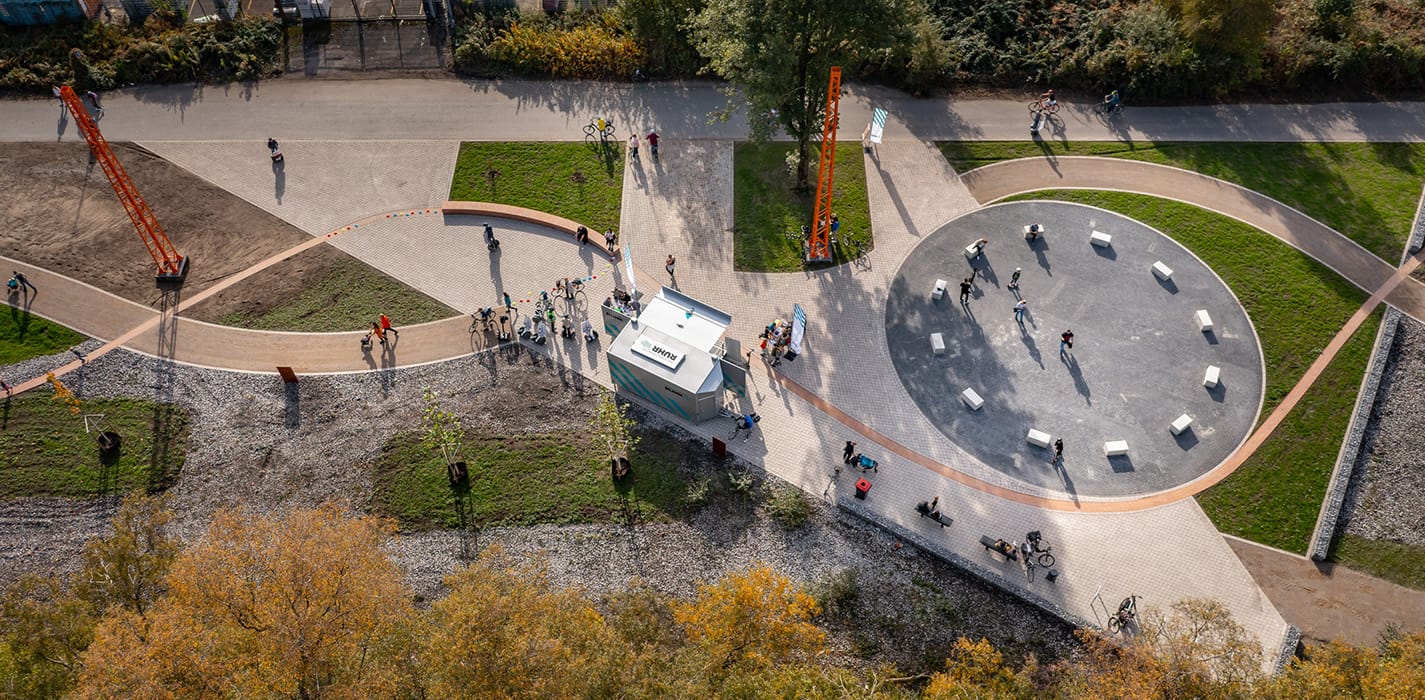
Wasteland Becomes Activity Park
The AktivLinearPark forms the southern access point to the Hoheward slag heap in Herten.