


House and Dunes in Harmony
A wellness resort on Sylt that seamlessly merges with its natural surroundings
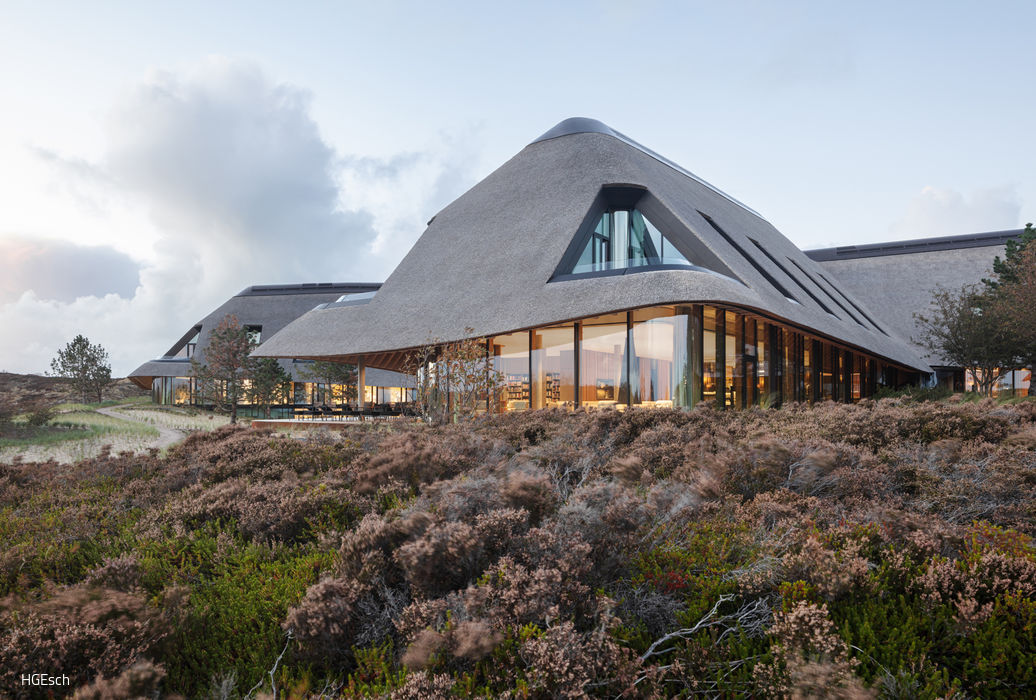
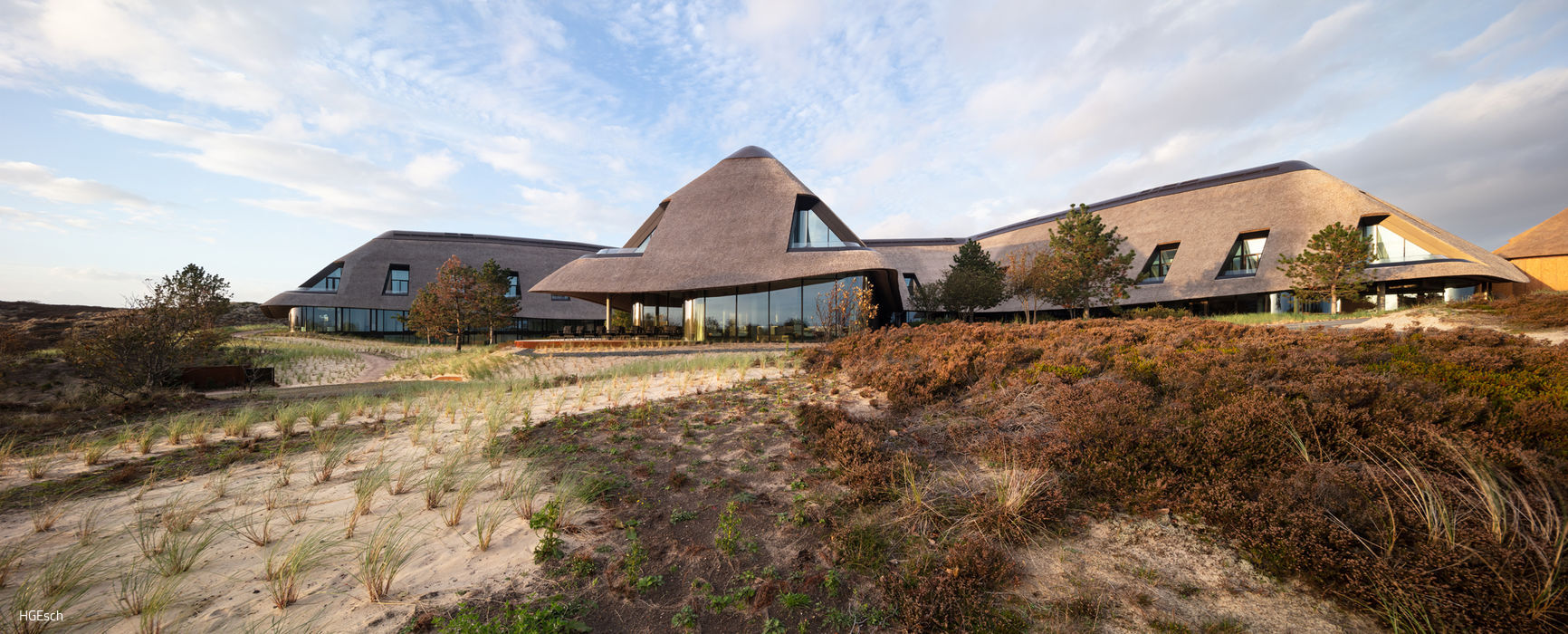
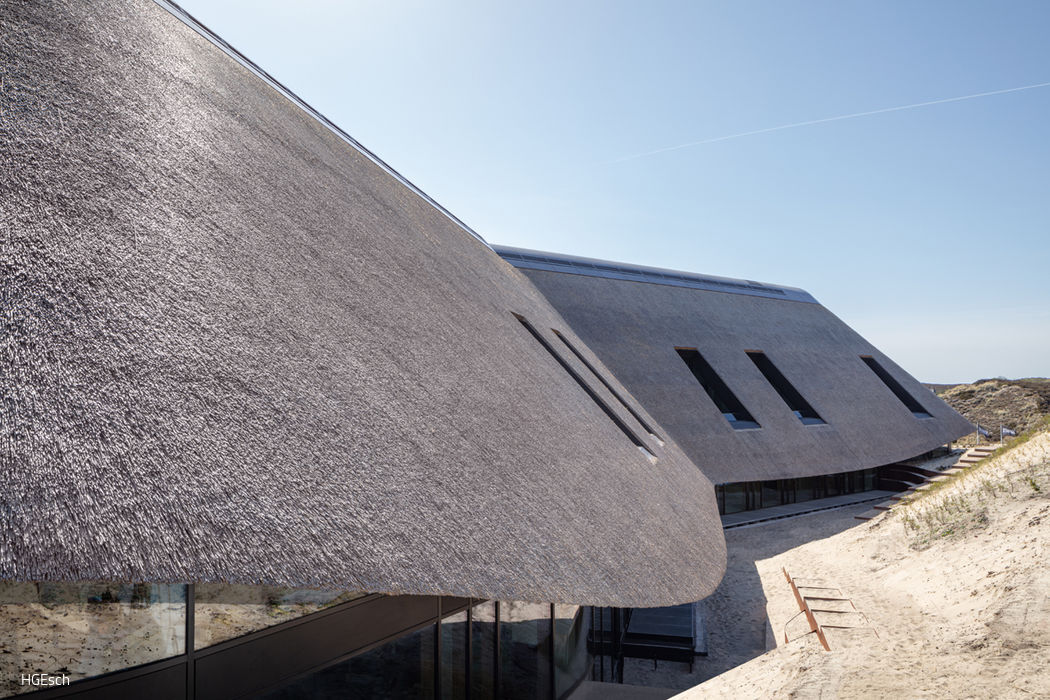
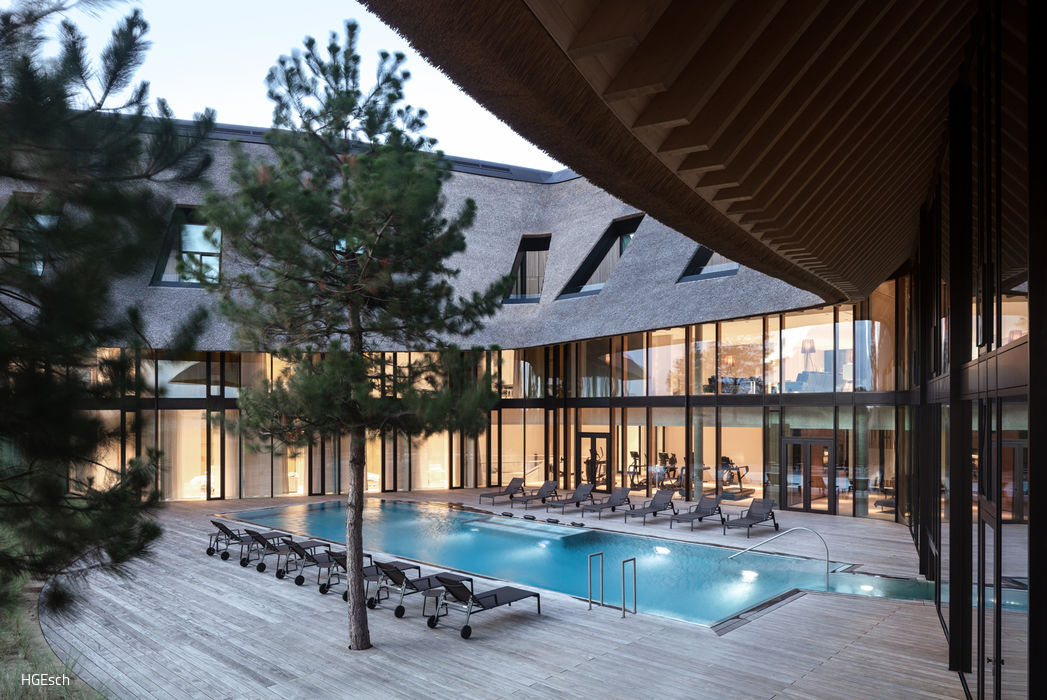
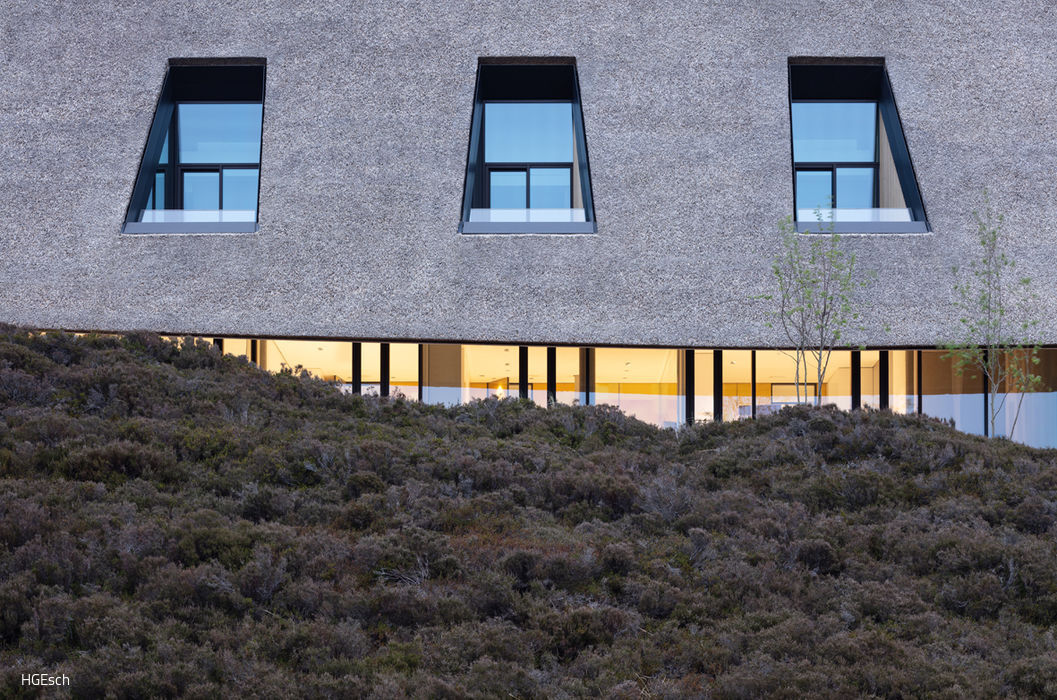
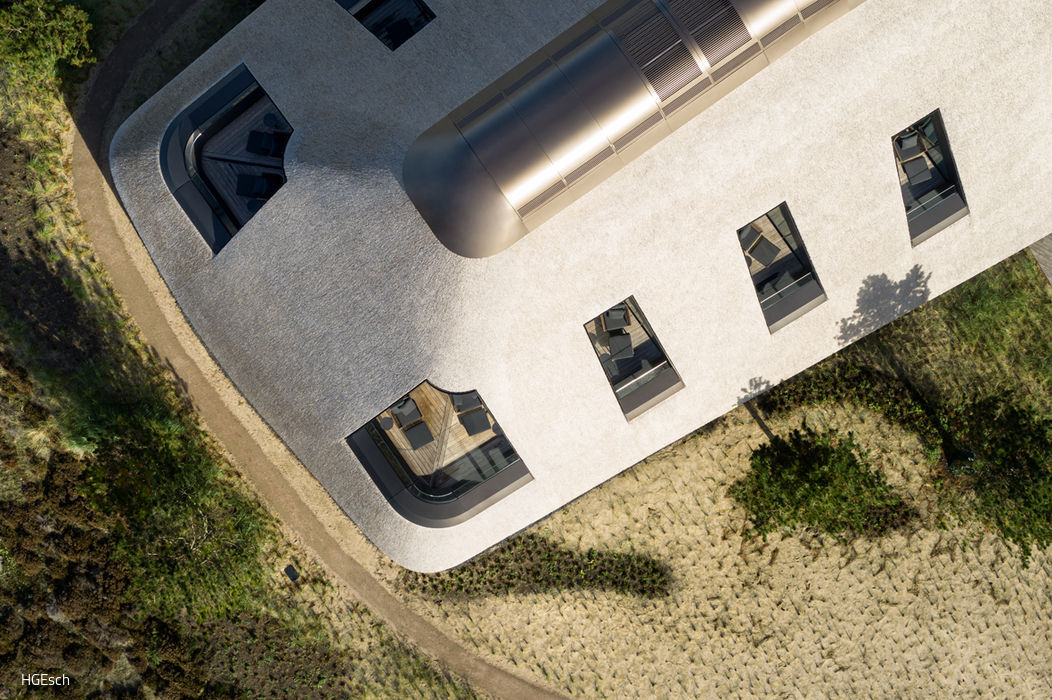
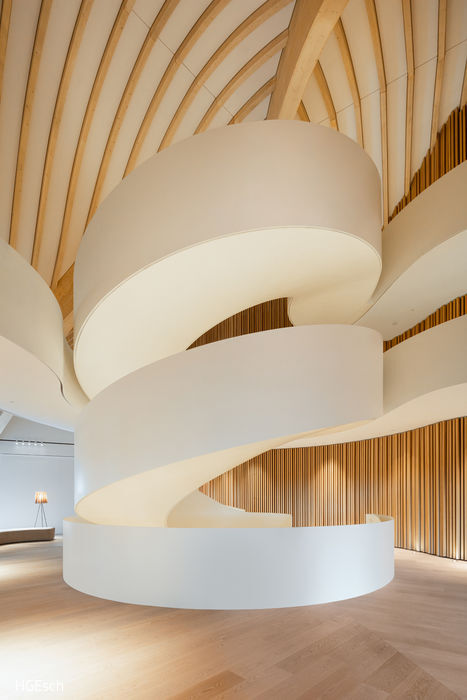
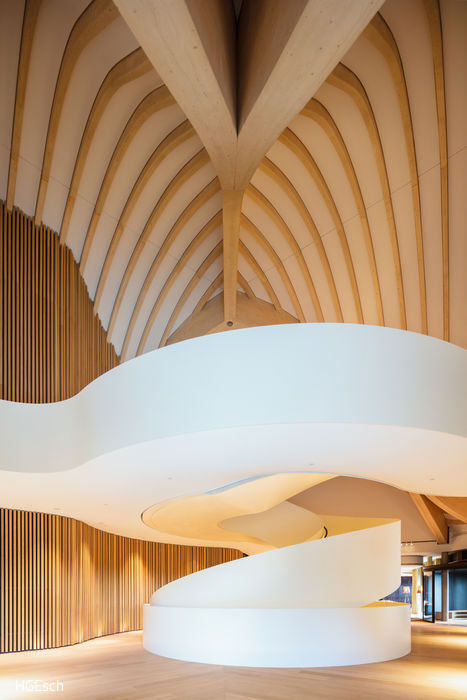
Sylt's dune landscape captivates with its raw, windswept beauty—a character that architect Christoph Ingenhoven and his firm, ingenhoven associates, have masterfully woven into the new Lanserhof. The building itself becomes part of the landscape, its architecture reinterpreting the traditional thatched-roof vernacular through a distinctly contemporary lens. The project was realized on land reclaimed from a 1930s military compound. Alongside the preserved, heritage-protected officers' quarters, the resort comprises a main building, three beach pavilions, and a diagnostic center. The new structures command attention from afar, their generous overhanging thatched roofs unified to form Europe's largest thatched roof—a striking 7,100 m² of covered surface. True to the Lanserhof's philosophy of wellness through simplicity, luxury here means not ornamental excess but rather refined restraint. Carefully sourced, ecologically sound materials define the aesthetic throughout. Expansive spaces and a carefully orchestrated dialogue between inside and out foster an intimate connection between inhabitant and nature. The color palette—predominantly white, beige, and gray—echoes the subtle tones of the surrounding dunes. The main building comprises three interconnected pavilions along its north facade, a deliberately compact footprint designed to minimize site disturbance. High-performance thermal insulation further reduces energy demands. Two upper floors accommodate 55 guest rooms, while the ground level houses the medical spa complex—including clinic, treatment areas, reception, and restaurant. Below, a dedicated wellness level features a climbing wall, spa facilities, pools, and both indoor and outdoor saltwater bathing areas. The architectural language draws inspiration from Sylt's quintessential Frisian farmhouses, with their characteristic deep-eaved thatch, modest window openings, and restrained facades—reimagined here with contemporary sensibility. The main building rests on columns, allowing the ground floor to be entirely glazed, creating an unbroken visual continuum between interior and landscape, punctuated only by glimpses into the building's interior life. The roof's gentle ridge and soffit lines gracefully mirror the dunes' undulating form. An imposing timber and steel staircase anchors the interior, threading through all levels and guiding guests from reception through the medical zones to their private quarters. Each room opens onto its own sheltered outdoor terrace. Loggias carved into the roof's profile provide respite from coastal winds while framing unobstructed vistas toward sea and dunes alike.
Photography Credits:
HGEsch
www.hgesch.de
(Published in CUBE Hamburg 01|24)



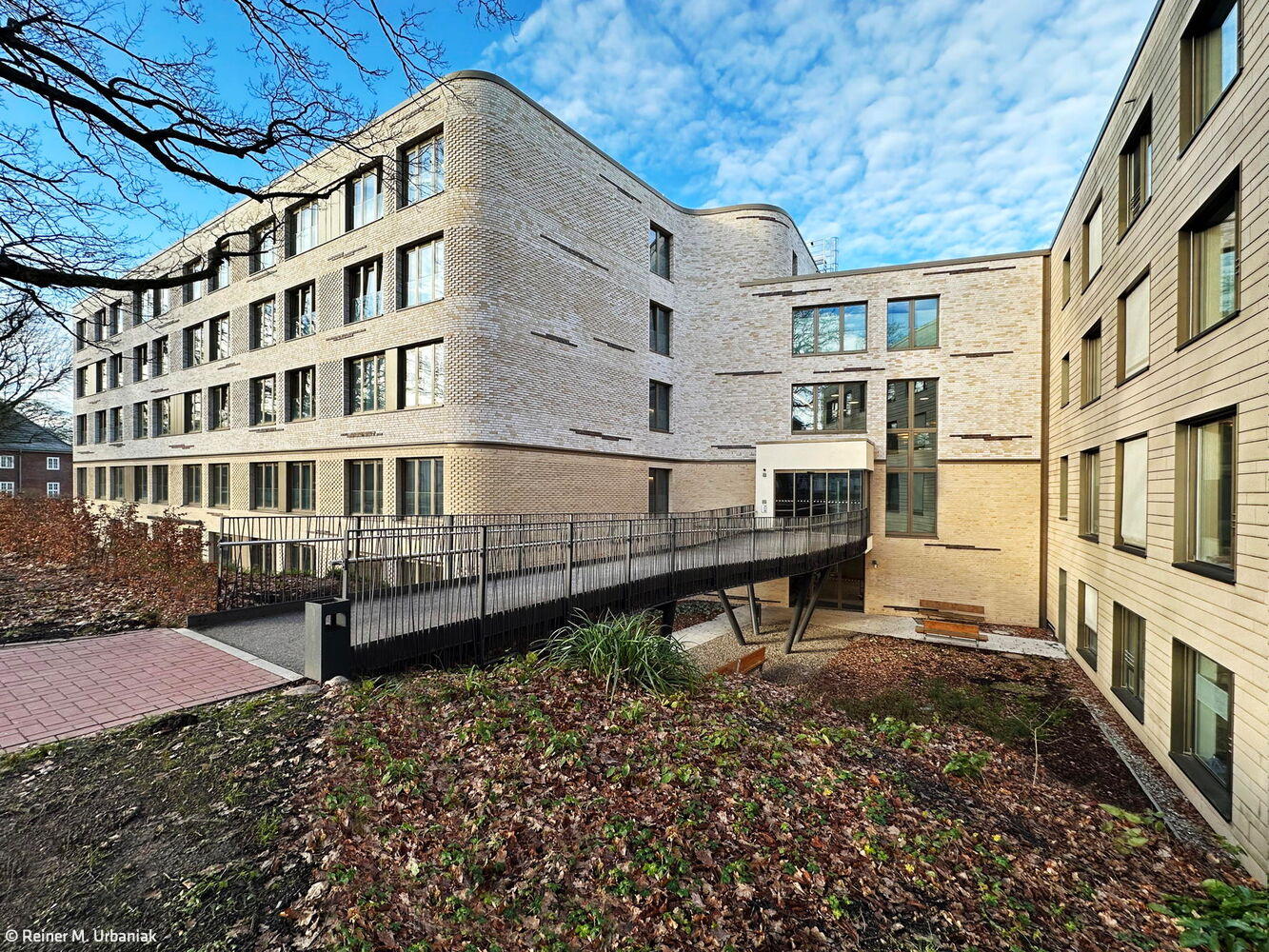
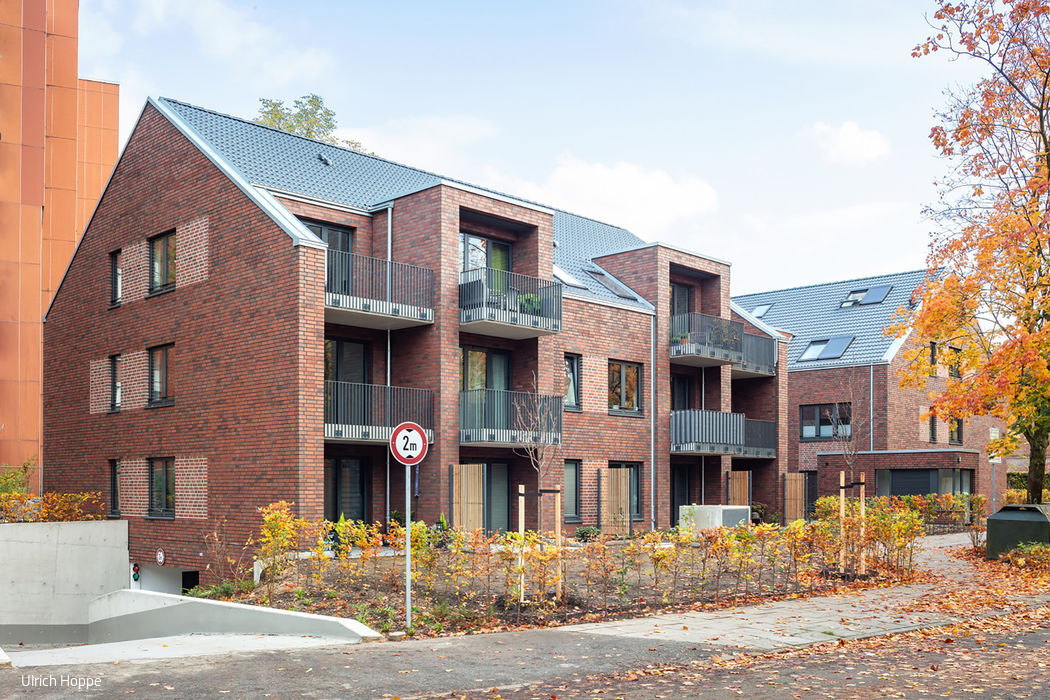
Village and/or City?
Sensitive densification draws on the historic village core
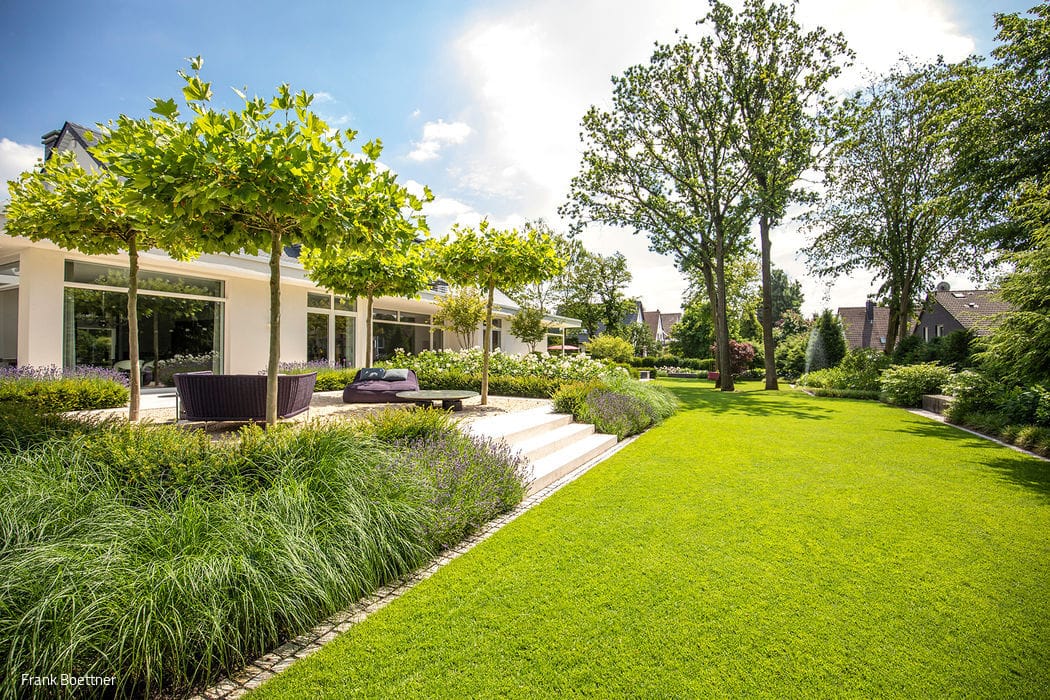
Reclaimed Paradise
From Mundane Lawns to a Vibrant Family Haven
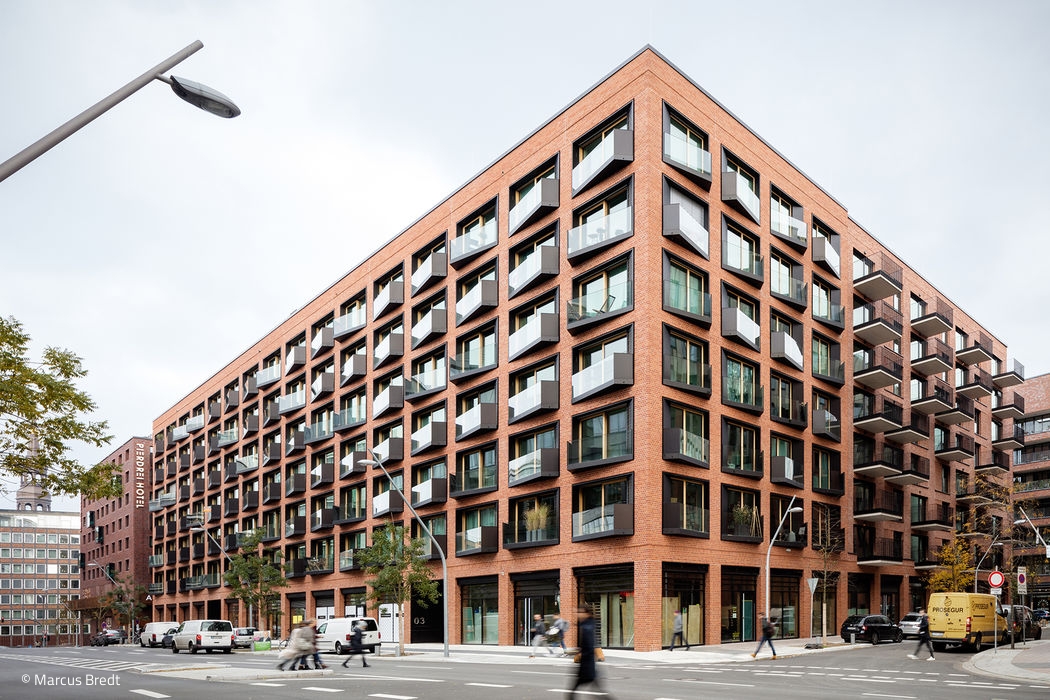
A Small City Within the City
Around a dozen different uses are integrated throughout KPTN.
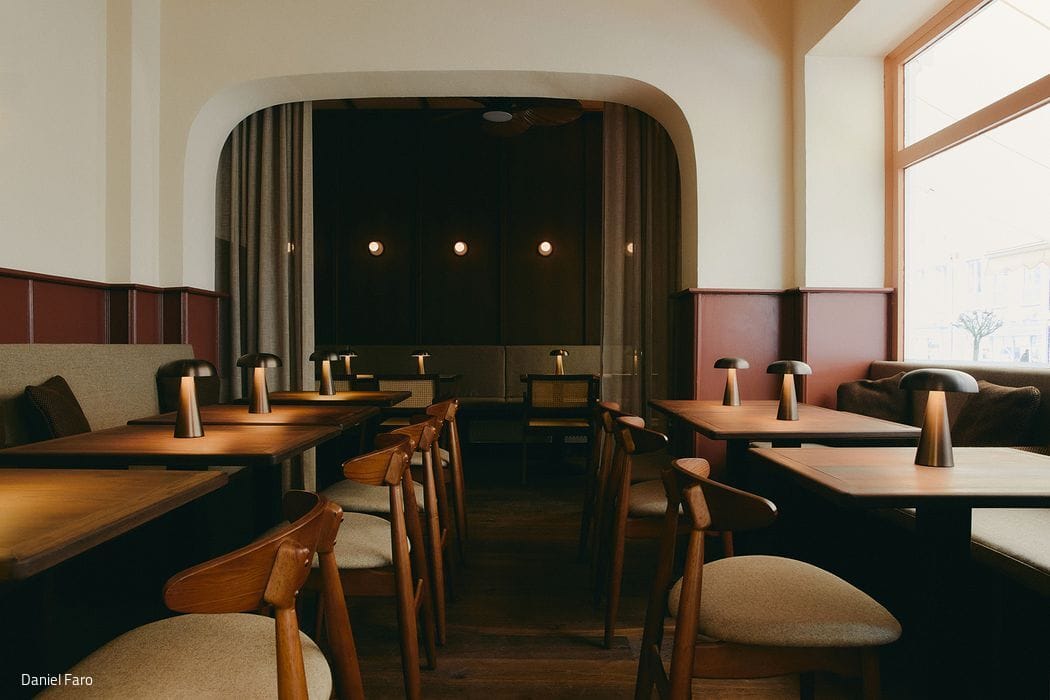
Authentic Indian Cuisine
The restaurant's Winterhude location draws its warmth and character from Indian colour and culture.