


House by the Lake
Pure geometry with a bold envelope

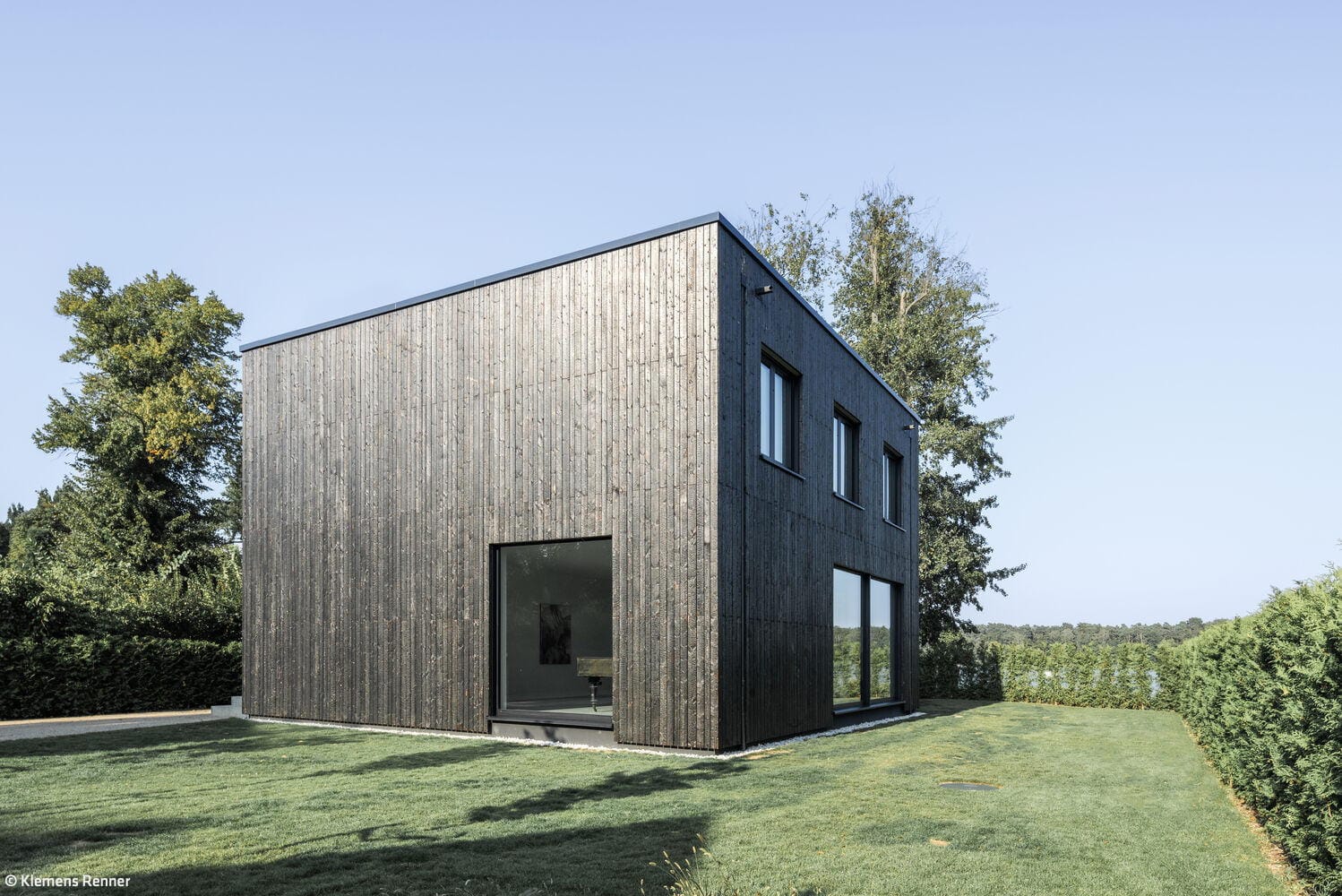
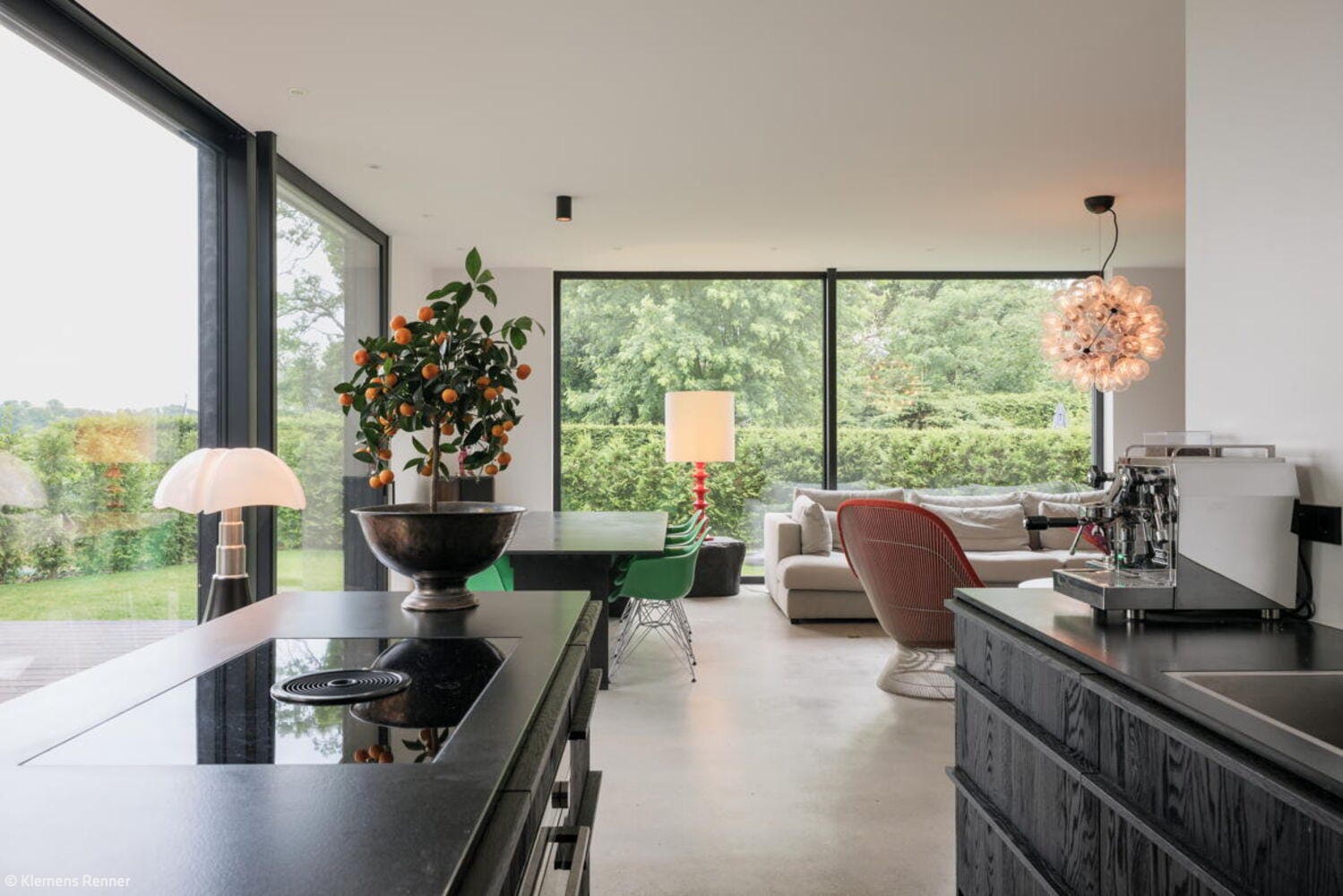
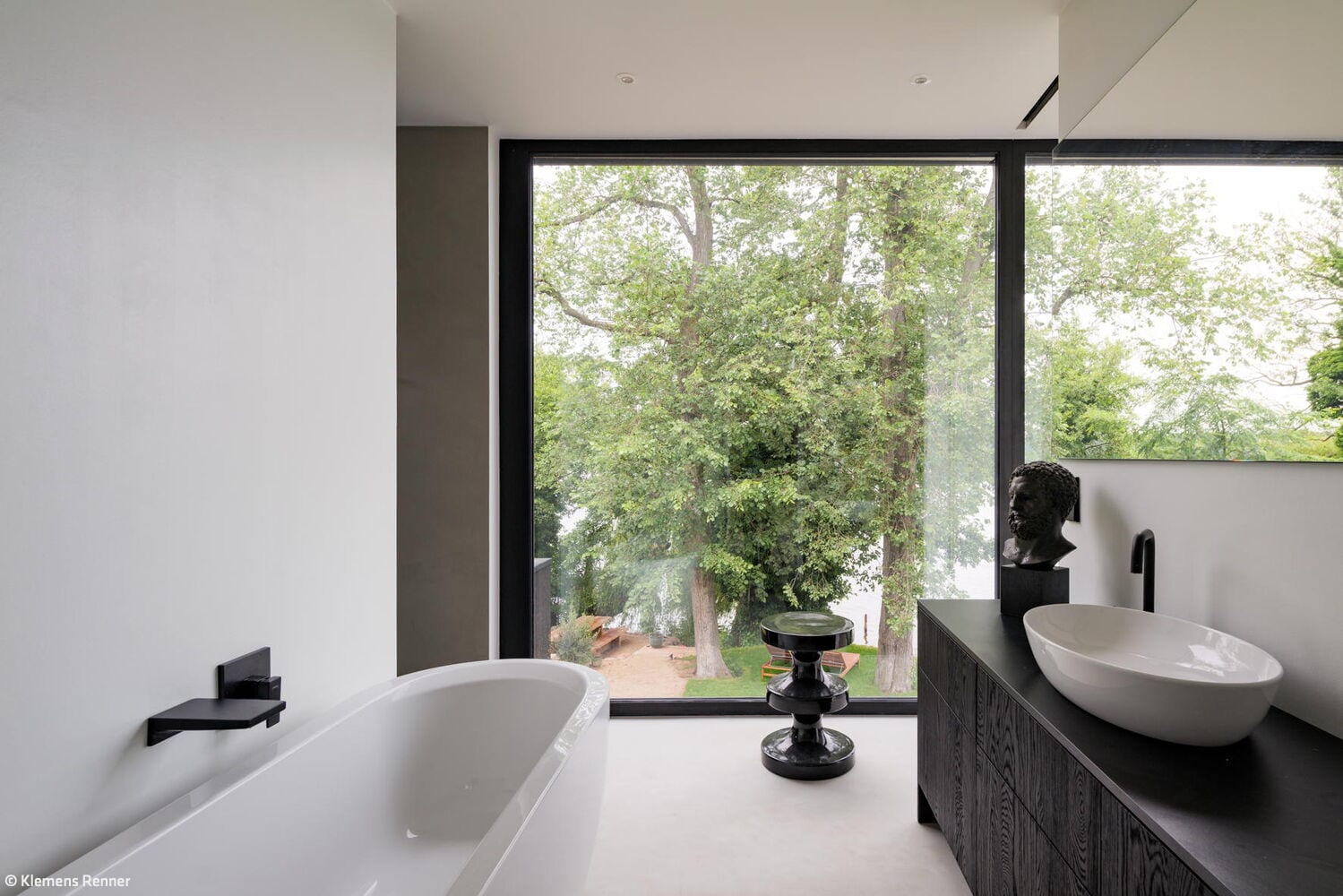
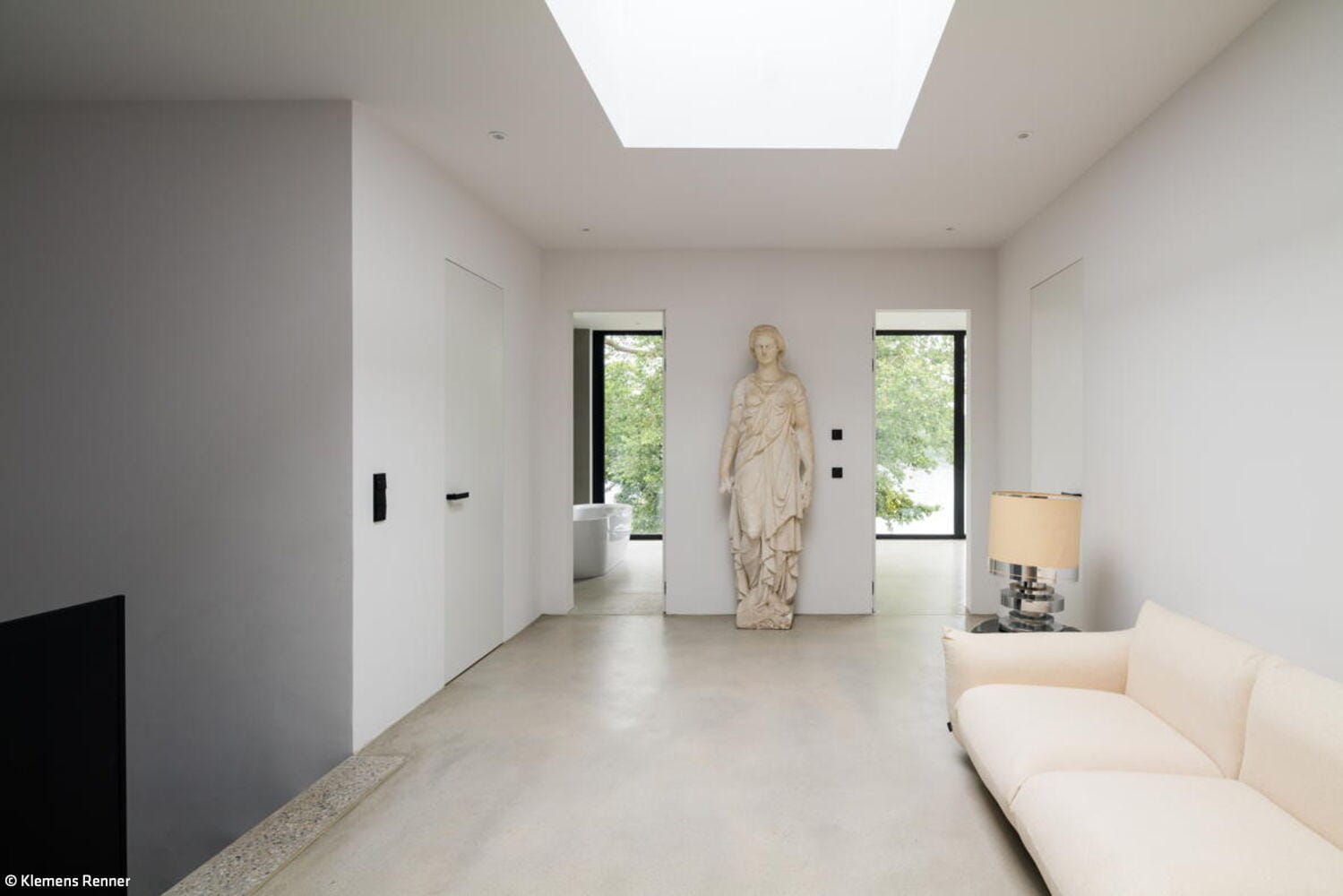
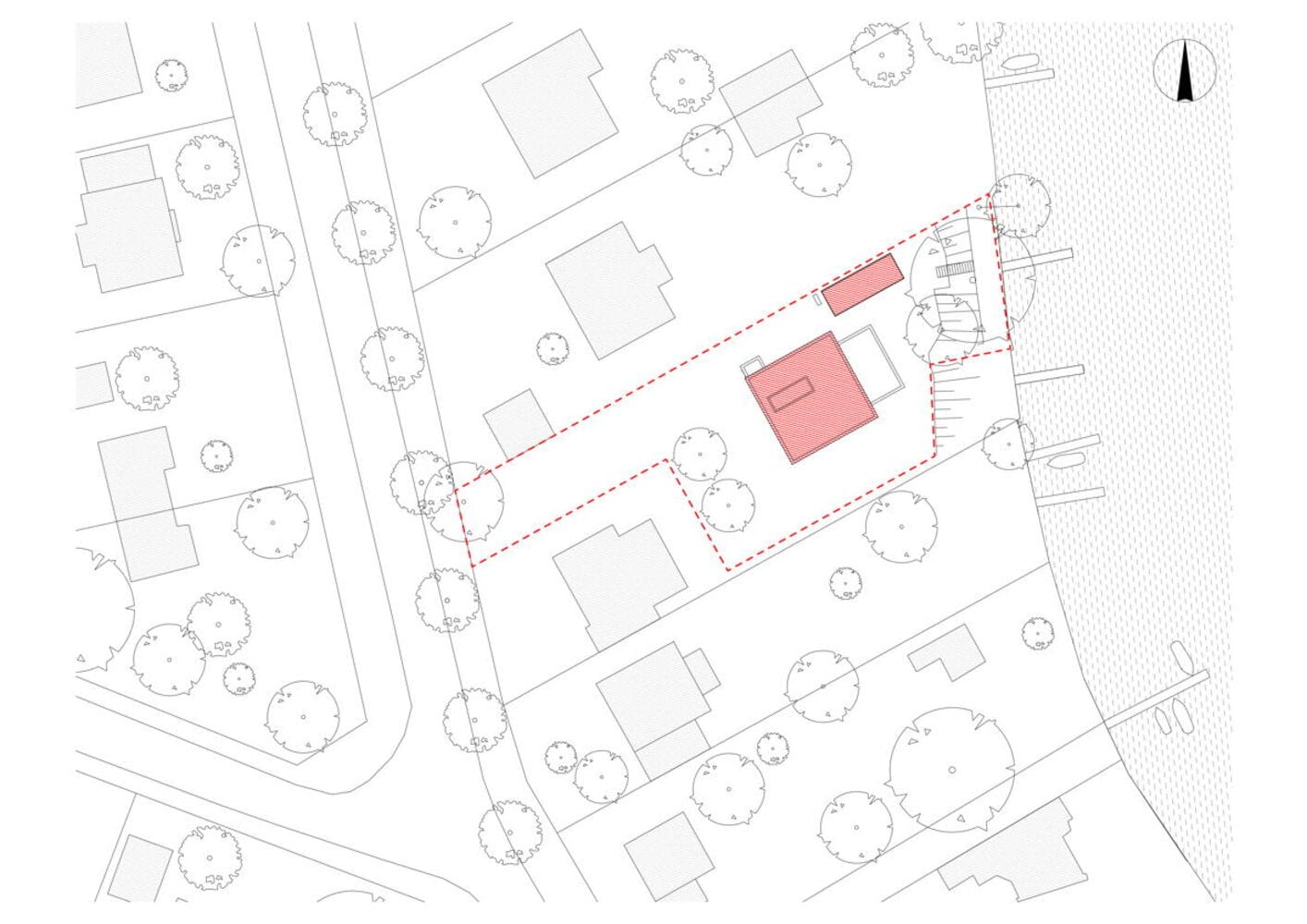
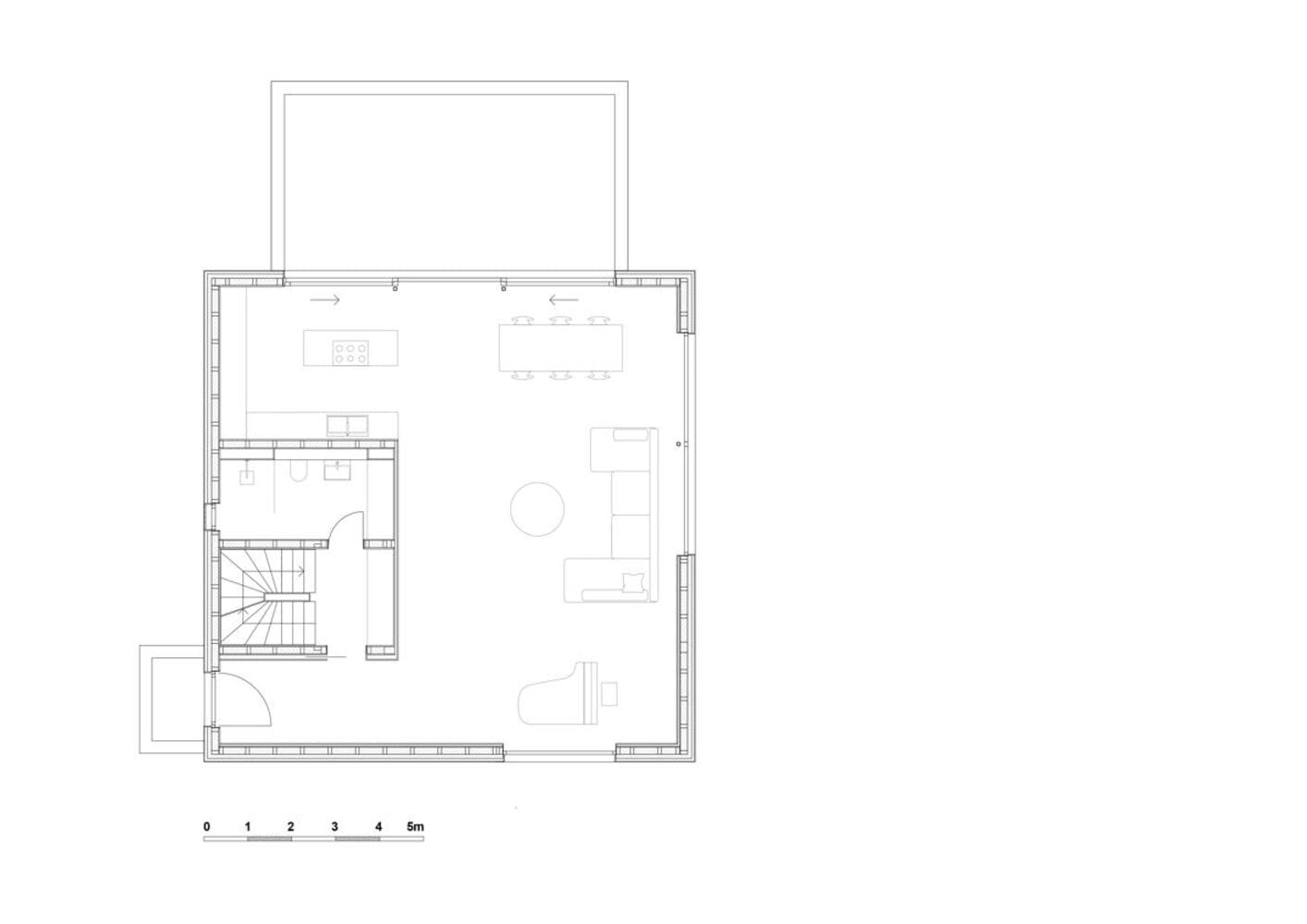
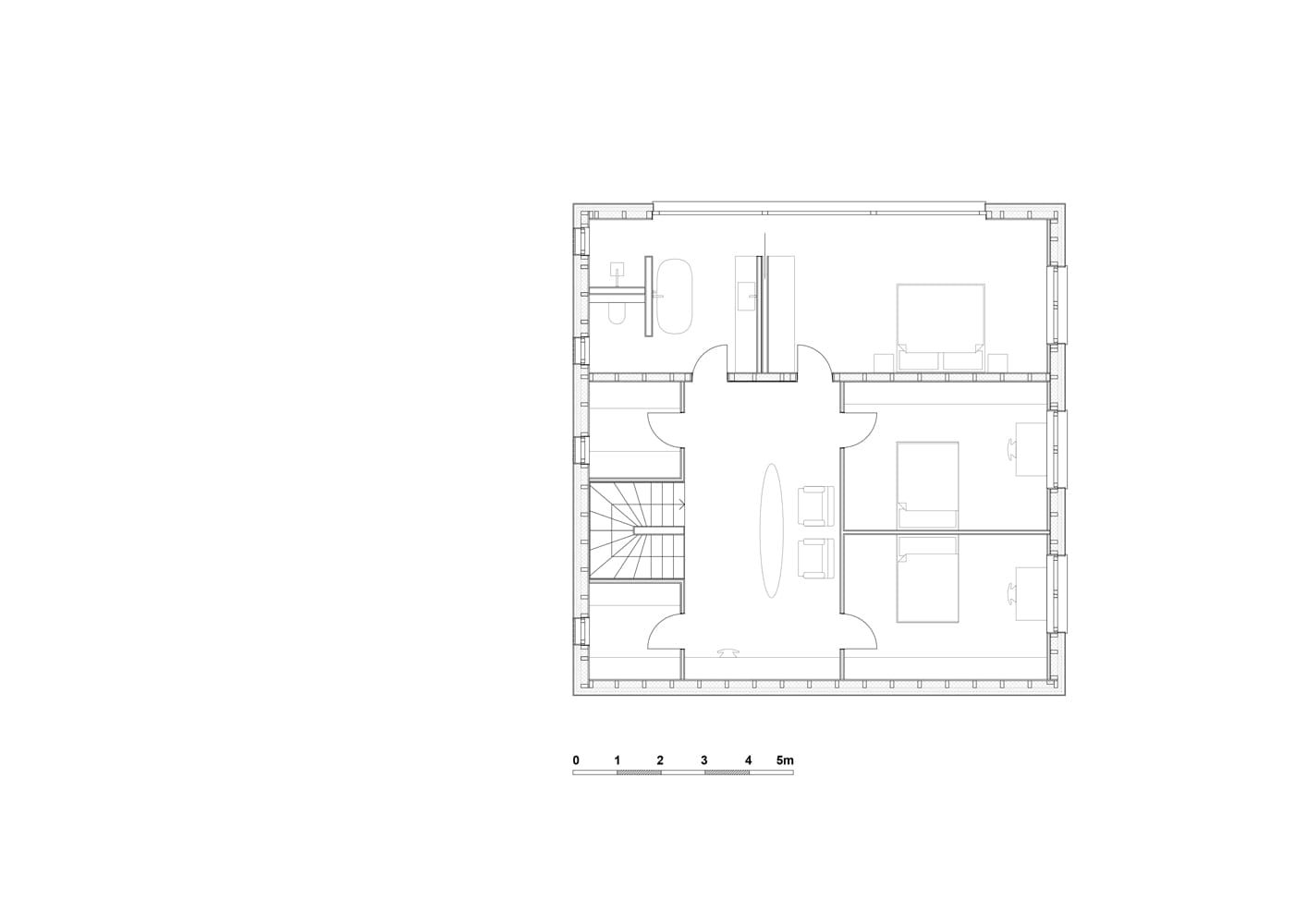
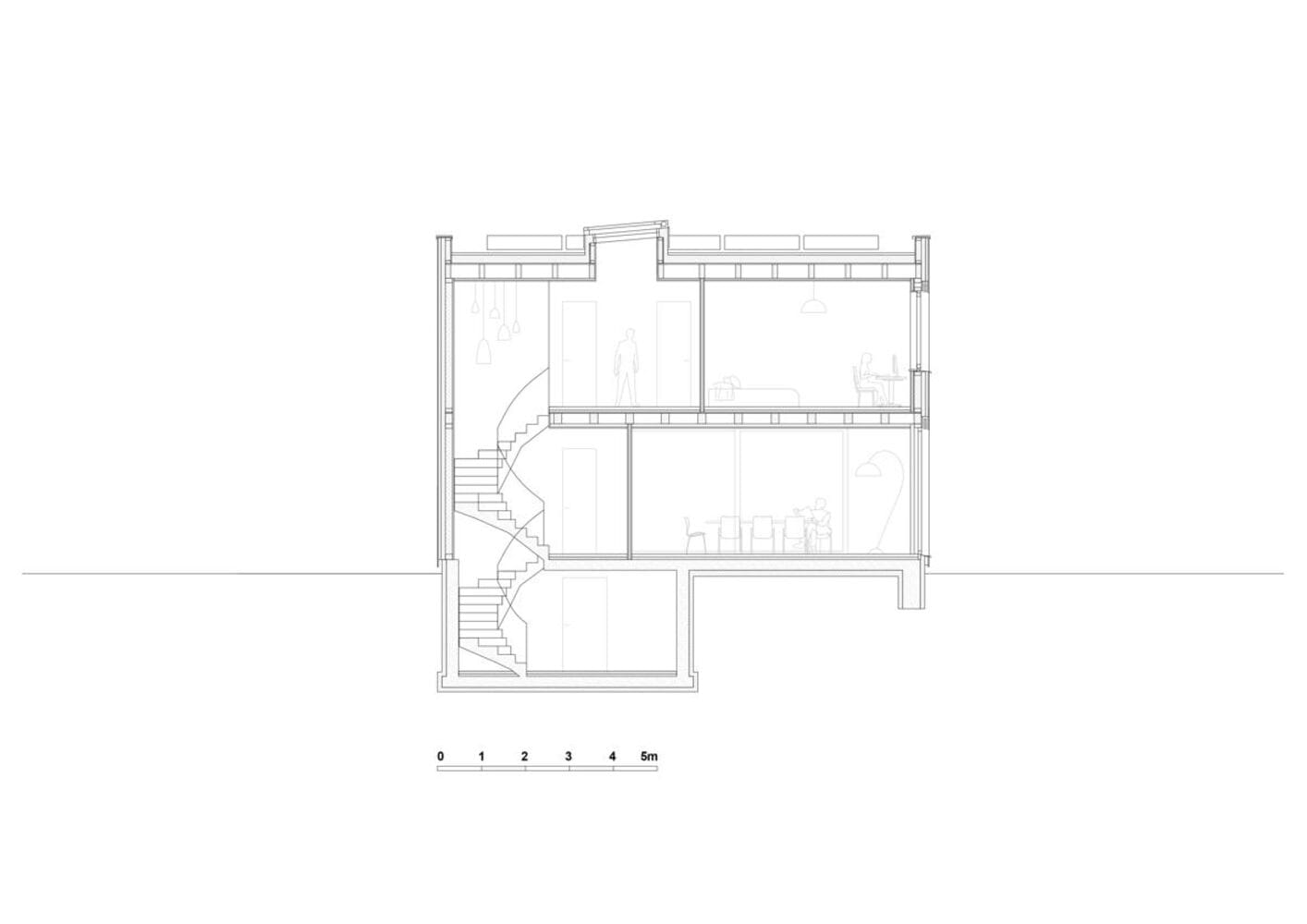
A beautiful house combines aesthetic architecture, functional spatial design, premium materials, an ideal location, and sustainable building practices. The "House by the Lake" exemplifies this vision perfectly—so much so that it earned a well-deserved spot on the longlist for the "Best Houses 2025" architecture competition. Working hand-in-hand with the clients, the team at Transstruktura created a residential design with the potential to become a contemporary classic. The firm operates on a distinctive model: for each project, they assemble the ideal team from their collective pool of architects. For this endeavor, architects Eva Dietrich and Nataliya Sukhova, alongside team member Esin Erdinch, took the helm.
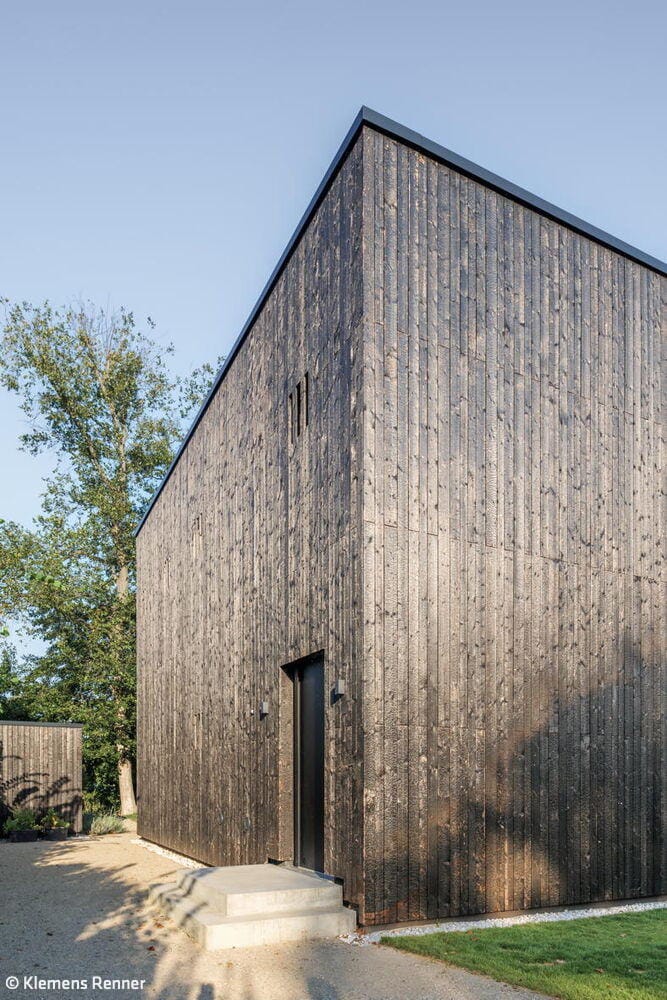
The firm's philosophy extends beyond design: they champion sustainable innovation and share that knowledge through lectures and cultural architectural events. Naturally, this commitment translates into thoughtful material choices and energy-conscious construction methods. As for the "House by the Lake" itself: its compact cubic form—rendered in blackened wood—seems austere at first glance, until it reveals its sophistication. A timber frame structure with wooden beam ceilings, its most distinctive feature is the façade of vertically oriented wooden cladding, charred using the traditional Shou-Sugi-Ban technique. The boards vary deliberately in width to achieve a more organic texture. This striking black exterior draws inspiration from historic fishing huts and boathouses still visible in the surrounding area, creating a meaningful dialogue with the landscape.
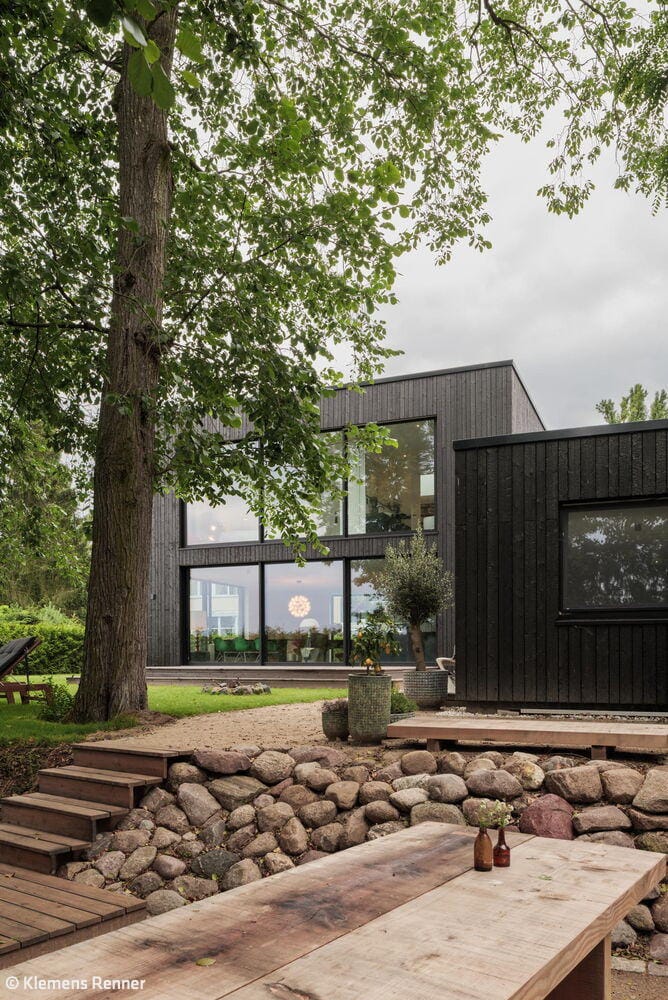
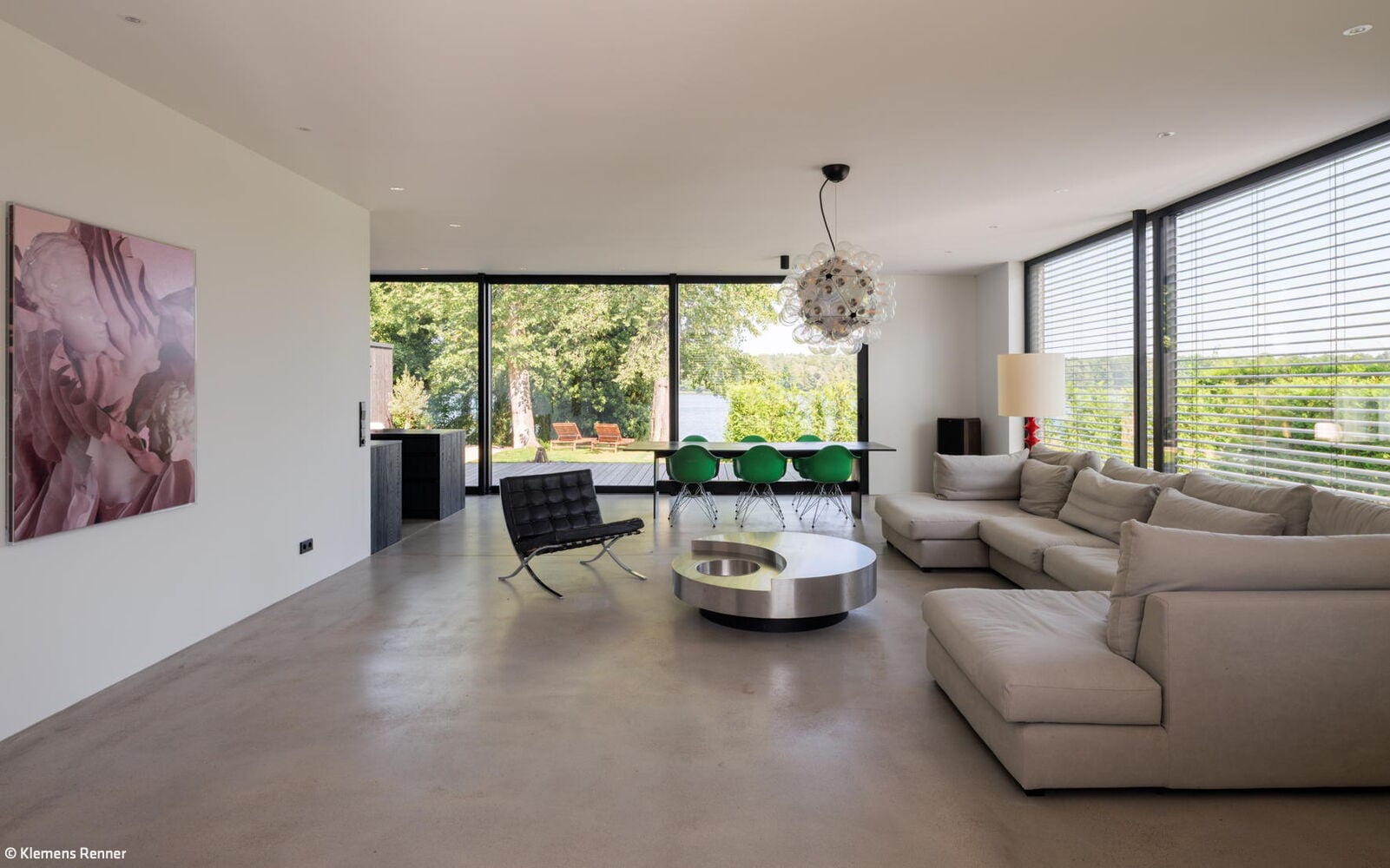
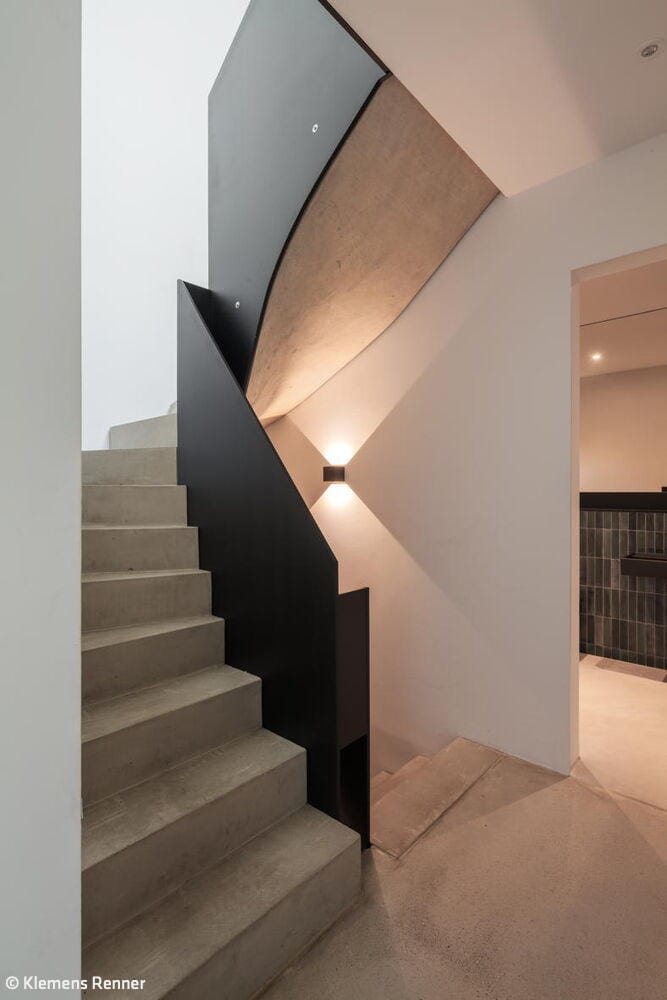
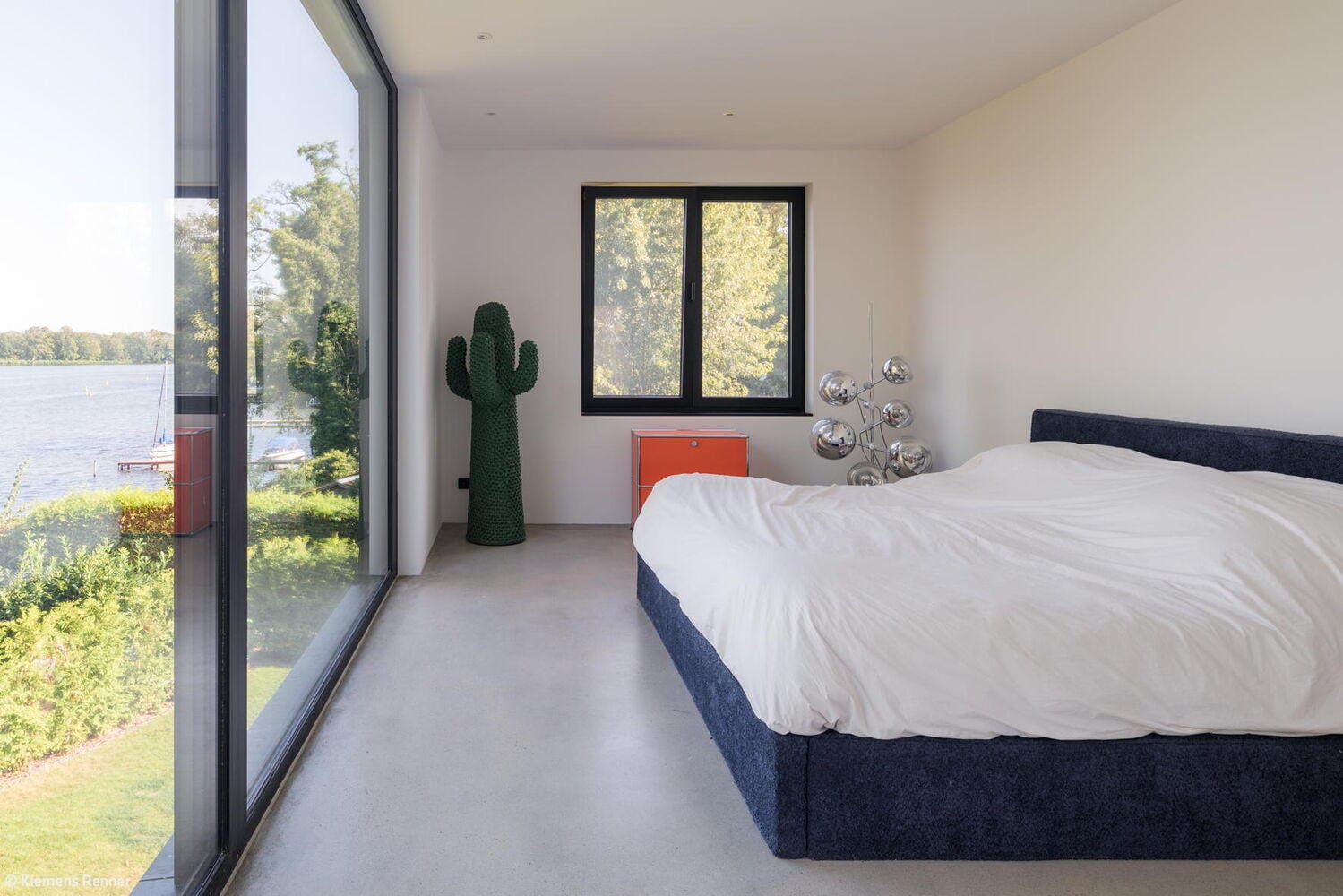
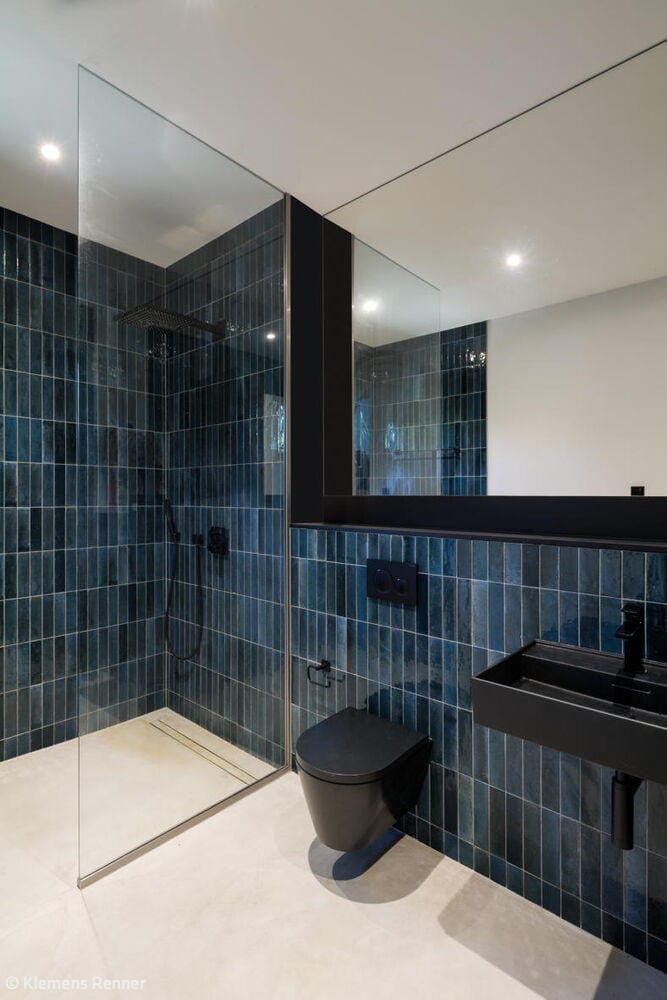
The design speaks to the heritage of the old fishing village while embracing contemporary materials and architectural expression. The eastern lake-facing side showcases expansive panoramic windows, as does the southern elevation. Established trees and newly planted saplings provide natural screening. From these vantage points, the structure reads as a glass pavilion cradled within a timber frame. A generous front terrace beckons for outdoor dining, sunbathing, or quiet contemplation. The insulation strategy employs cellulose blow-in and wood fiber materials. A polished concrete screed ties the three levels together via a sculptural staircase, seamlessly transitioning to microcement flooring in matching tones throughout the bathrooms. The open ground-floor layout combined with expansive glazing blurs the boundary between interior and exterior, allowing residents to fully embrace their surroundings from within. Bright, generous living spaces define the interior experience.
Living area: 205 m²
Plot size: 1,096 m²
Construction period: 2022–2024
Construction method: Timber frame with wooden beam ceilings
Energy systems: Air source heat pump + photovoltaic installation
Photography:
Klemens Renner
www.klemensrenner.com
(Published in CUBE Berlin 04|25)



Green Corridor from East to West
A distinctive revitalization through the integration of urban spaces

Open Living
Residential Complex: A New Interpretation of the Berlin Block
Vacation at Your Doorstep
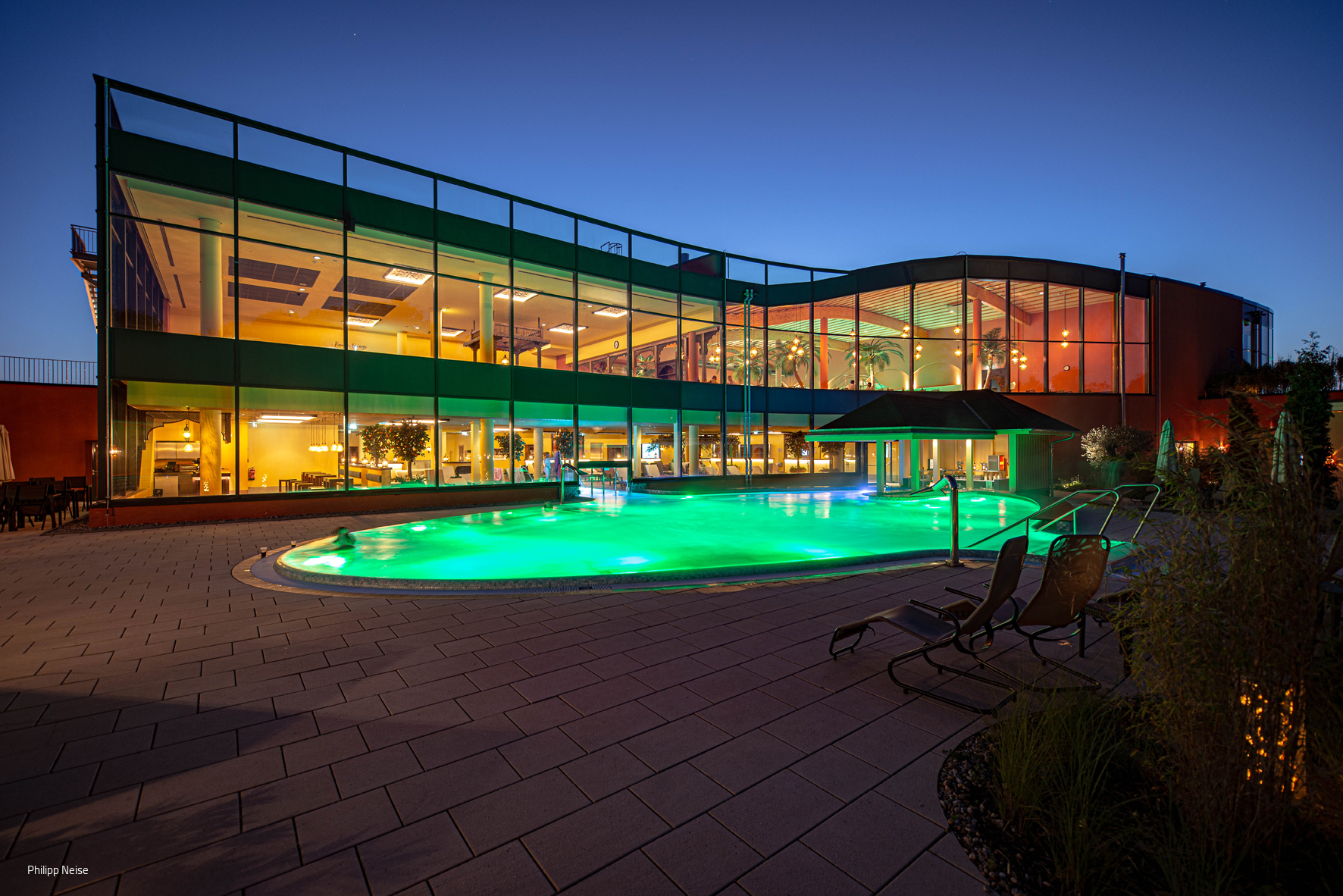
Havel-Therme in Werder: Where Wellness, Adventure, and Recreation Meet