


A Master of Architectural Form
Architect Gottfried Böhm Celebrates His 100th Birthday
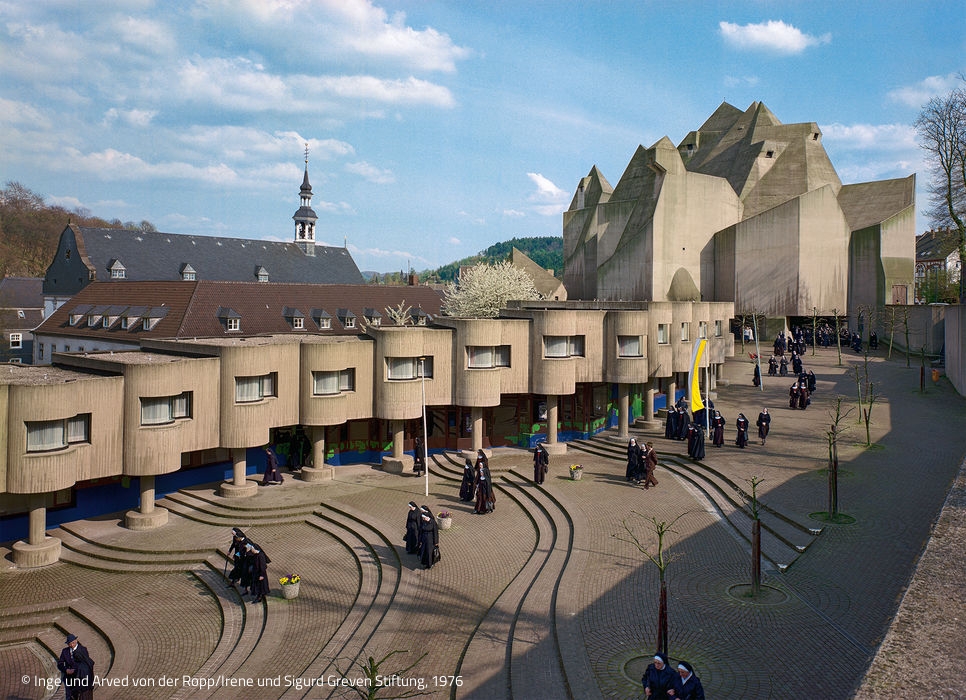
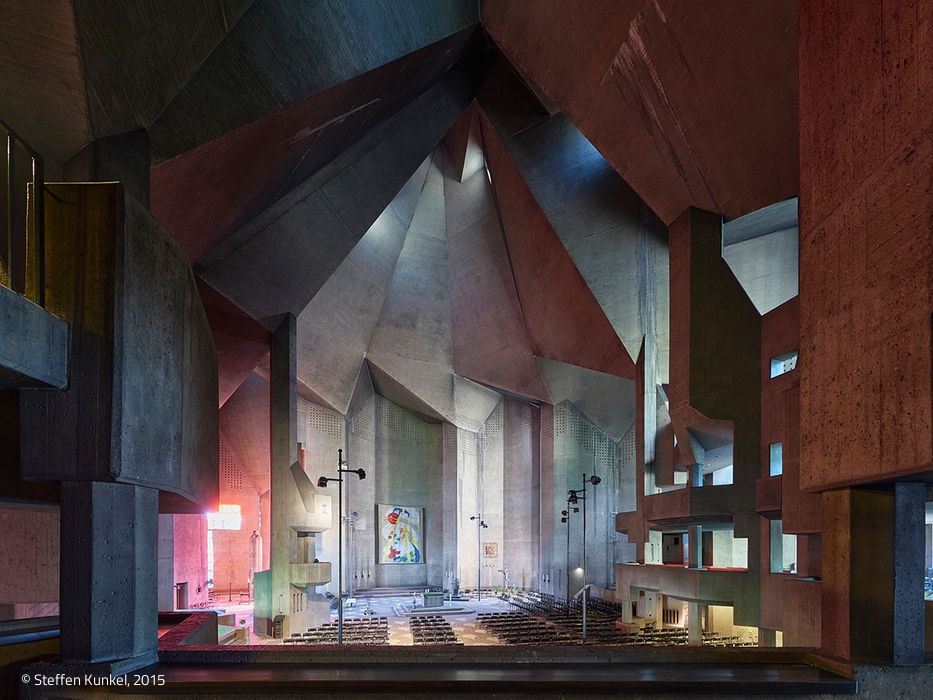
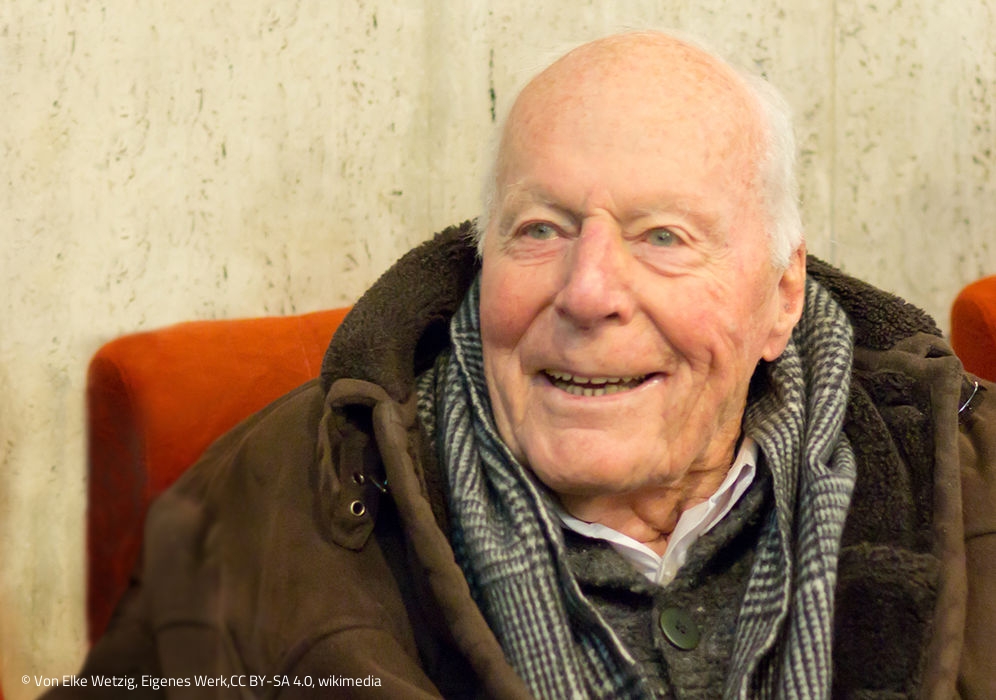
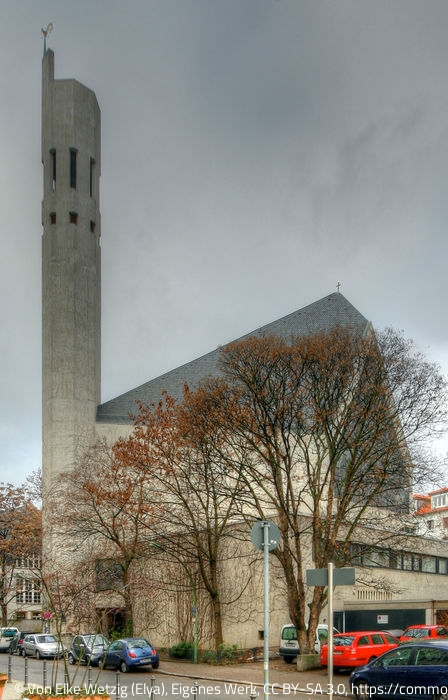
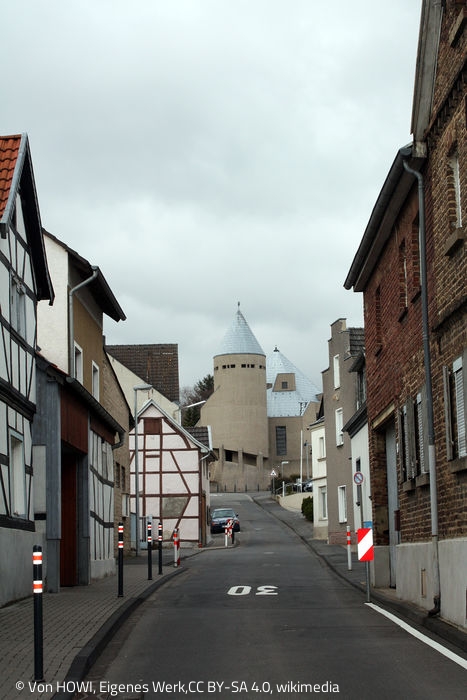
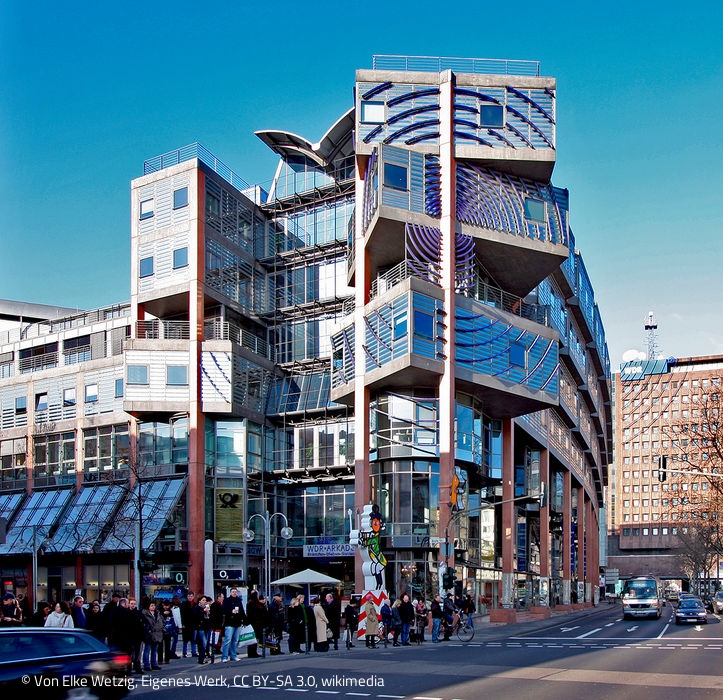
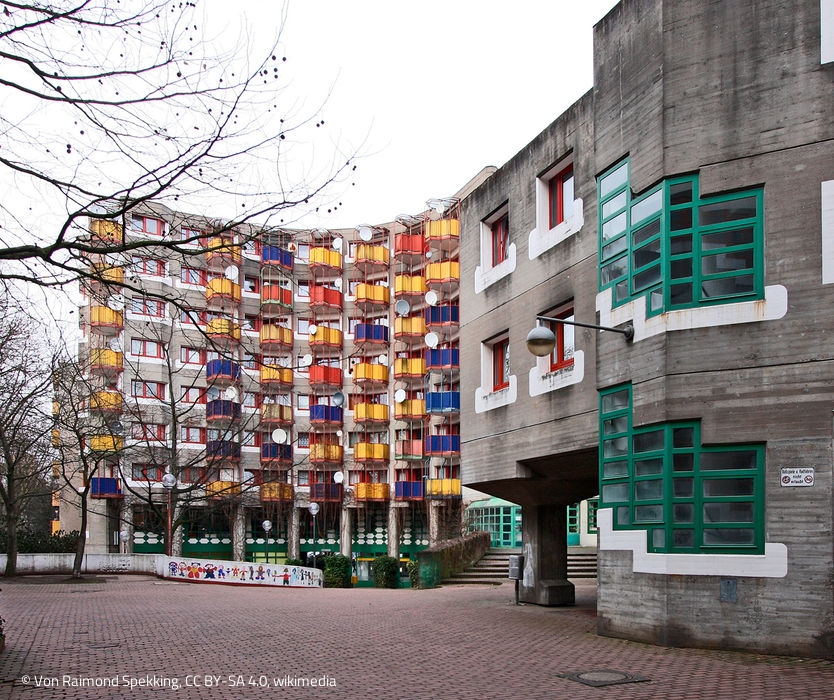
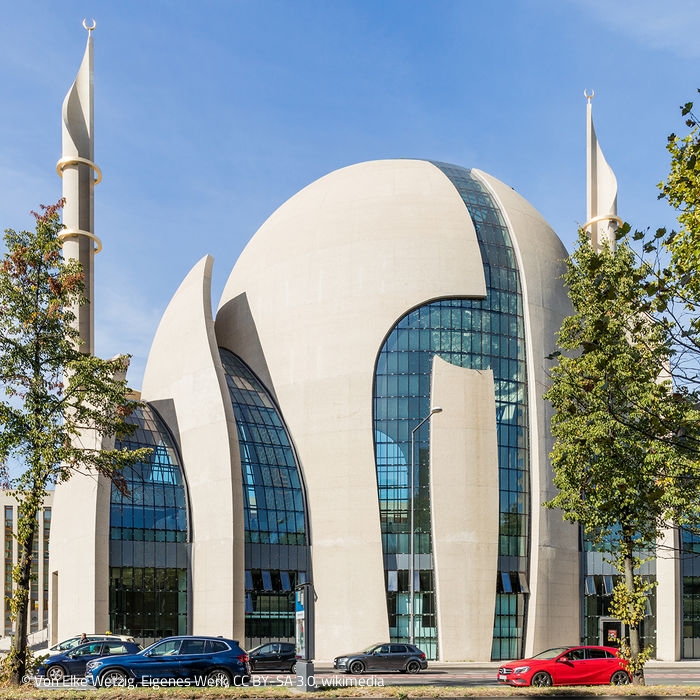
They exist—architects with remarkable longevity. Gottfried Böhm turned 100 on January 23, 2020. Today, he reportedly still makes his way to the office in Cologne-Marienburg each day, the practice his father Dominikus Böhm established in the 1920s and which he now shares with his sons Peter and Paul. Since the post-war era, Böhm's buildings have been distinguished by their expressive, sculptural language—a natural outcome of his dual training in architecture and sculpture at the Technical University of Munich during and after World War II. This combination proved formative to his entire approach.
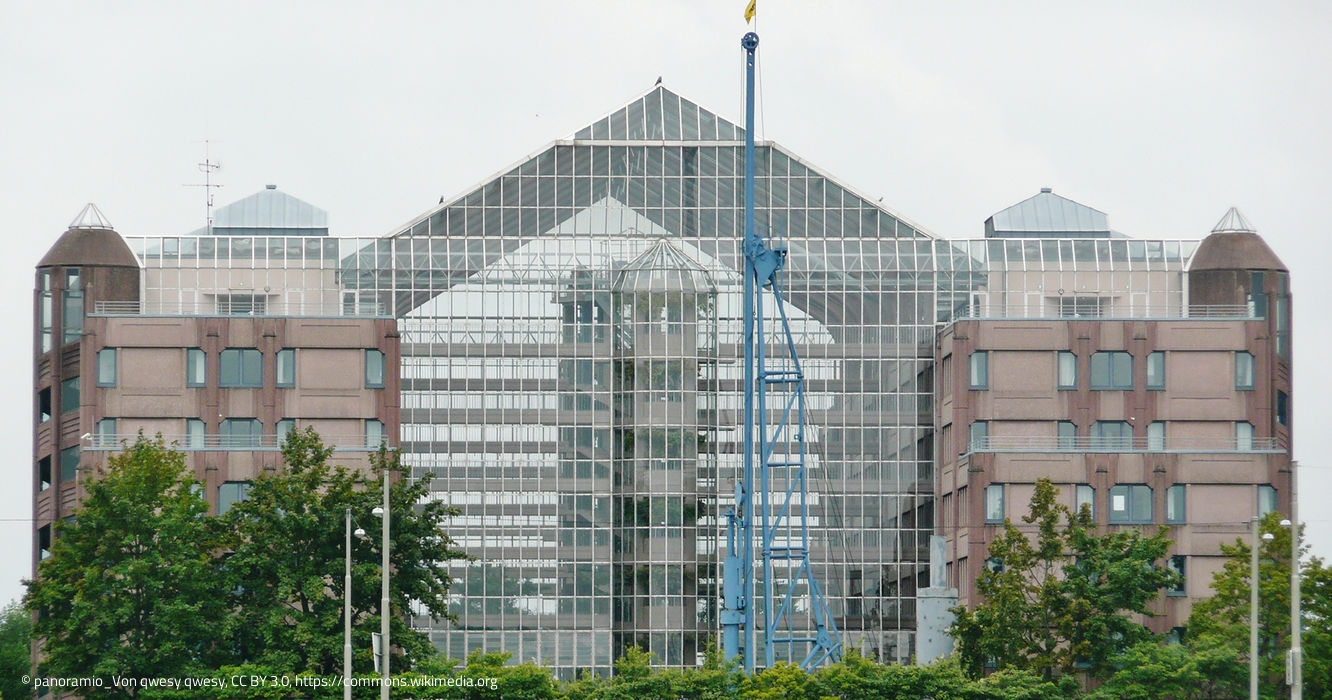
Böhm's first independent project was the chapel "Madonna in the Ruins," completed in 1947 amid the devastated remains of Cologne's St. Kolumba. The 1950s saw him design more than thirty additional churches—works that transformed post-war Germany, particularly the Rhineland, into an experimental laboratory for modern ecclesiastical architecture. In doing so, Böhm stepped decisively into his father's shadow, a pioneering church architect since the 1920s. International recognition came with the Marian pilgrimage church at Hardenberg in Neviges, near Velbert. This bold concrete structure—conceived as a jagged crown of folded forms—houses a cavernous, mystical interior that remains remarkably intimate. It represents the culmination of decades of formal exploration, as underscored by a current exhibition at the German Architecture Museum in Frankfurt. As the great post-war church-building surge of the 1960s concluded (Böhm had contributed over 60 sacred spaces to this movement), he pivoted toward other architectural challenges. Among his most striking works is the Züblin headquarters in Stuttgart, a postmodern-inflected complex unified by an expansive glass atrium. In the 1980s, he first proposed the iconic dome restoration for Berlin's Reichstag—a concept that would later influence the Bundestag competition. By 1986, Böhm, who served as a professor in Aachen for many years, became the first German architect to receive the prestigious Pritzker Prize. The turn of the millennium brought further notable additions to his body of work: the Hans Otto Theater in Potsdam and the Central Mosque in Cologne-Ehrenfeld, among others. To mark this centenary fittingly, celebrations span the entire year through Böhm100—a network of exhibitions, lectures, tours, and discussions that affirms the enduring significance of his architectural legacy.
(Published in CUBE Magazine 01|20)




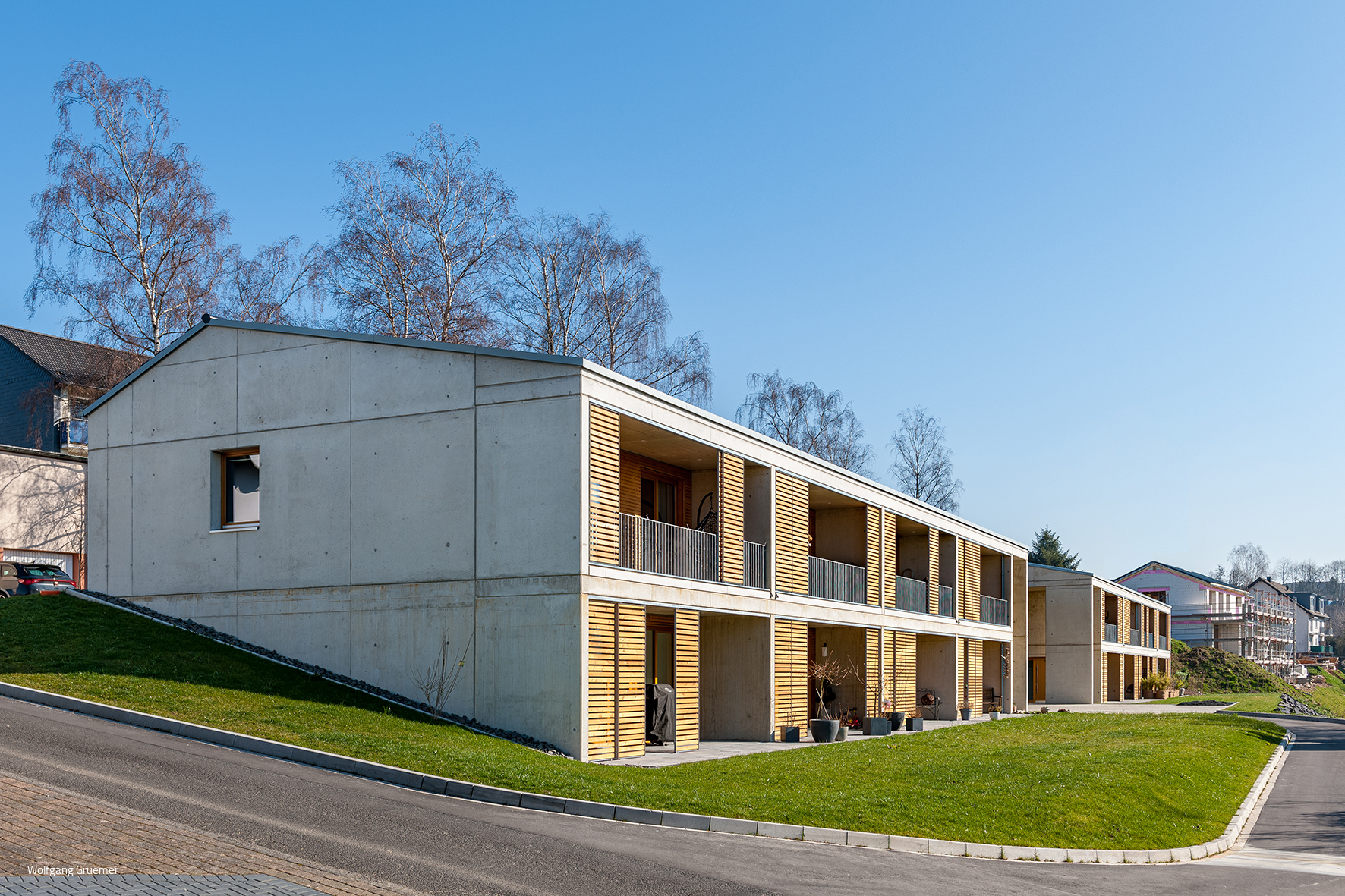

Signs on the Wall
A multifunctional community building where the spiritual and secular worlds converge
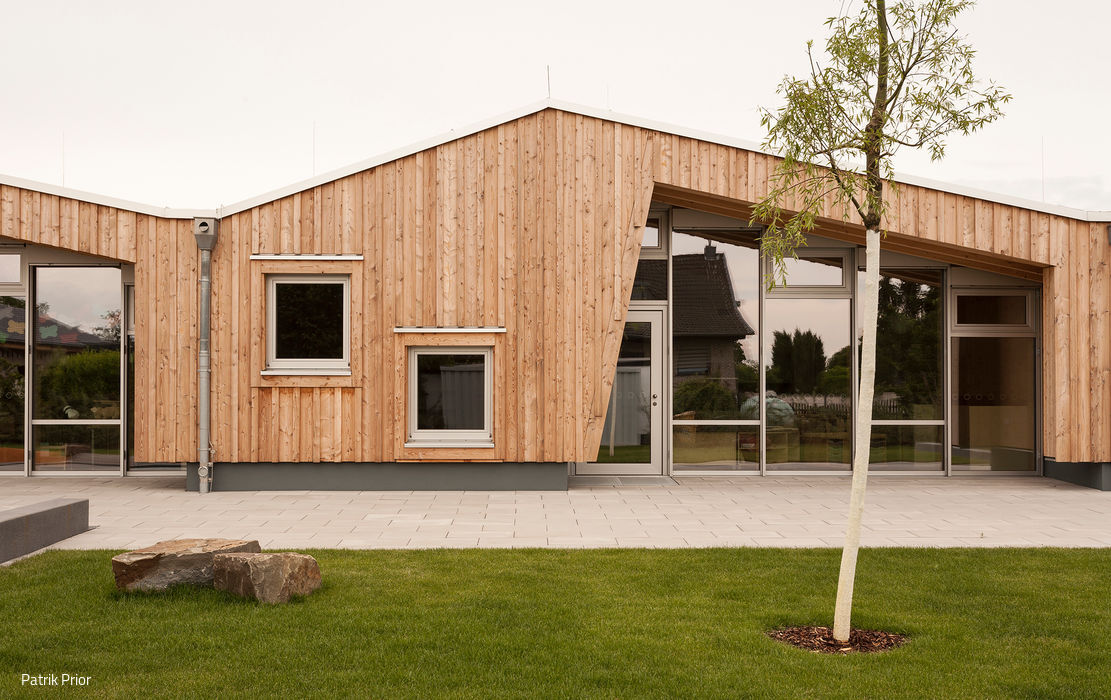
Crafted like building blocks
A Bonn daycare that excels through site-sensitive yet flexible, modular design.
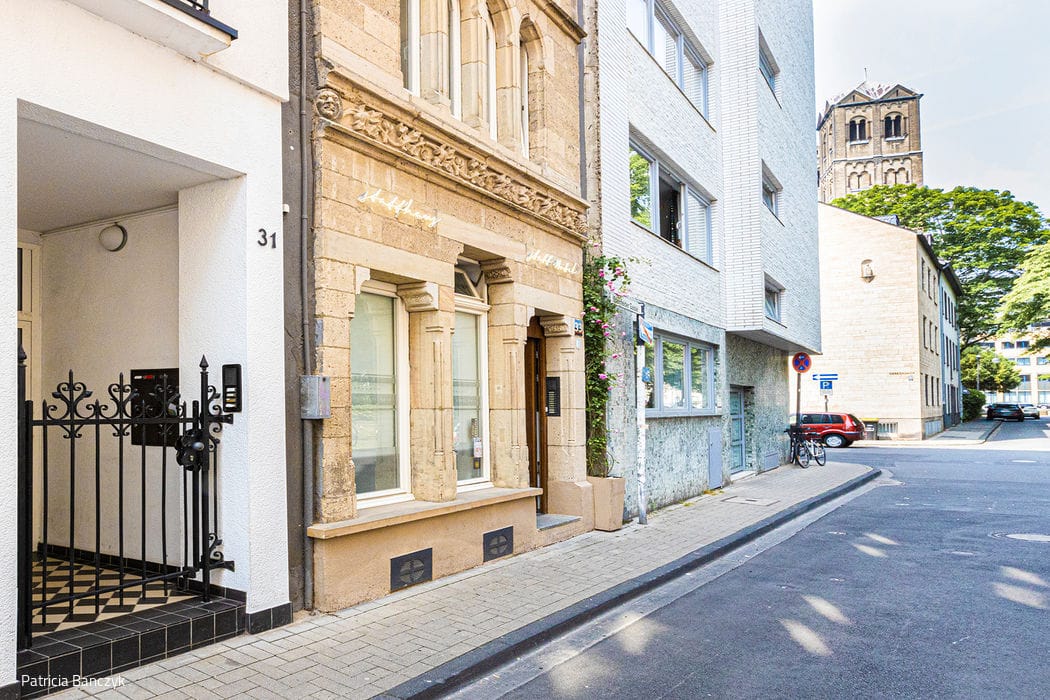
Comfort in Neo-Gothic Walls
Six floors of a narrow townhouse offer peaceful sleep in the heart of Cologne.
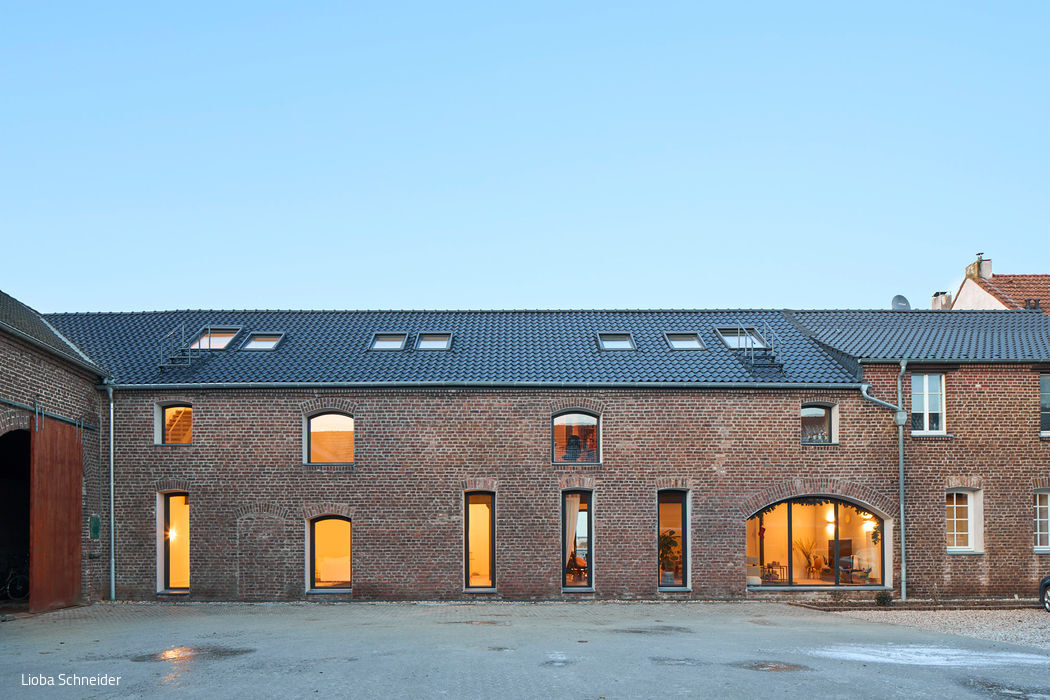
Rural Metamorphosis
A historic riding stable in Meerbusch finds new life as luminous residential space