


Working Within Historic Walls
From historic livestock halls to contemporary workspaces
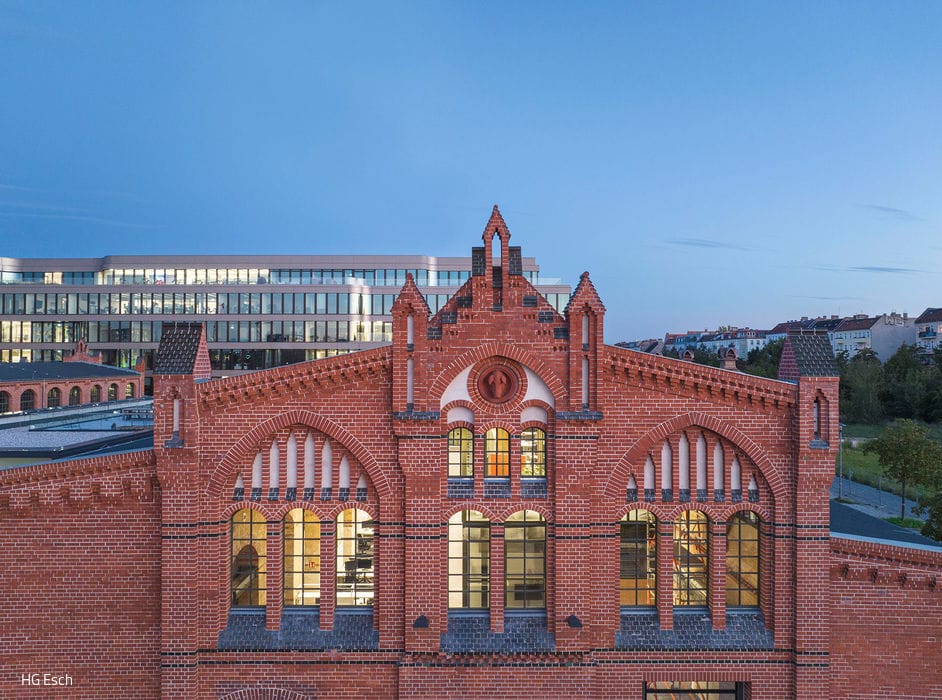
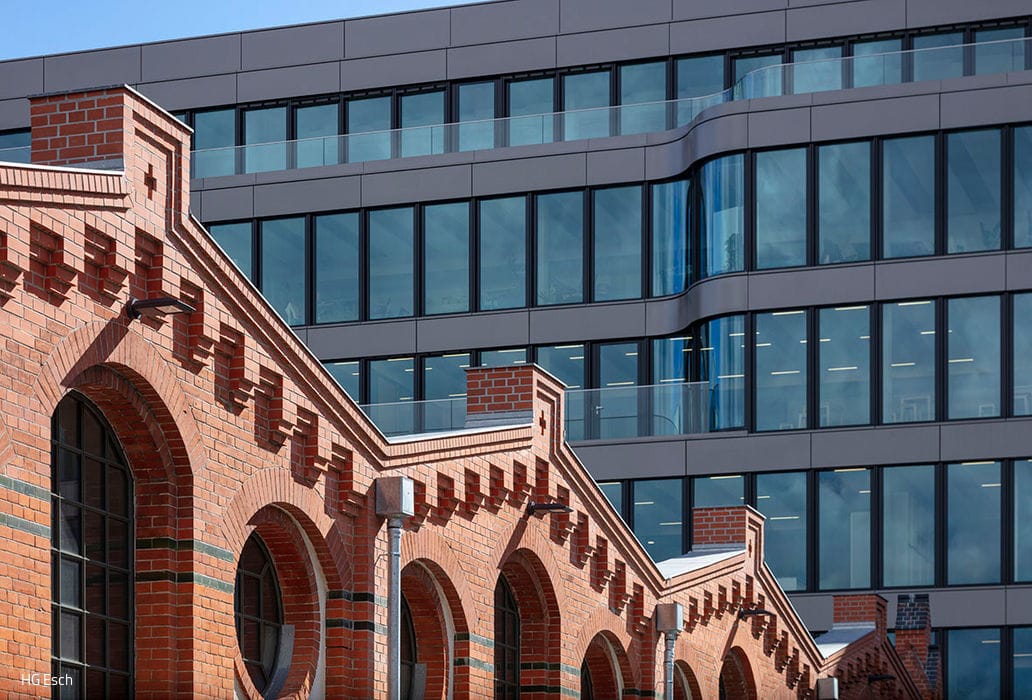
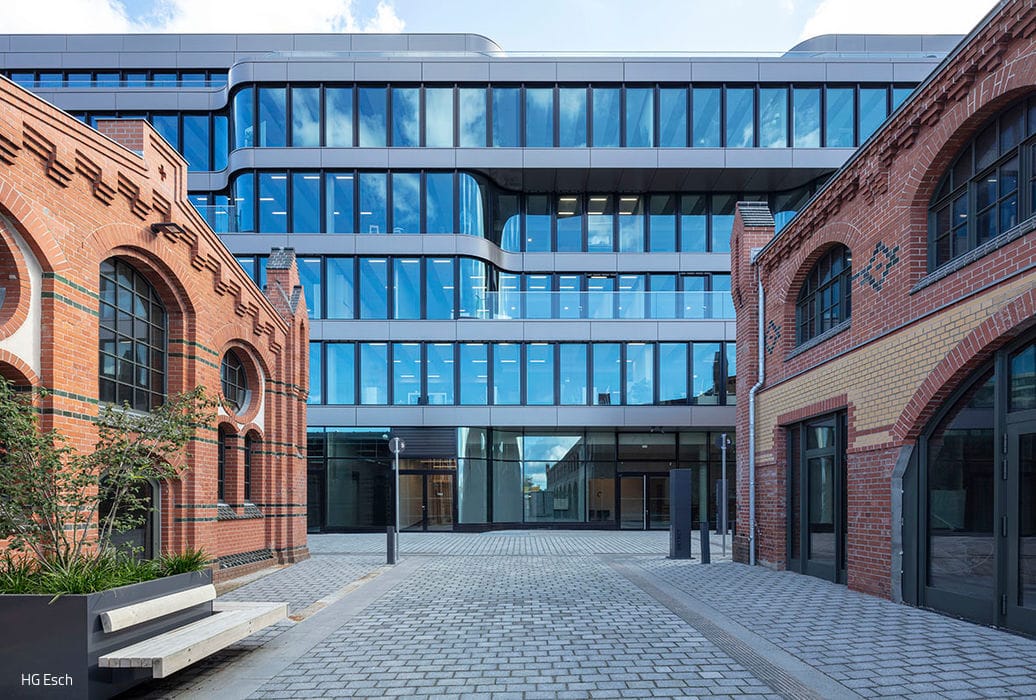
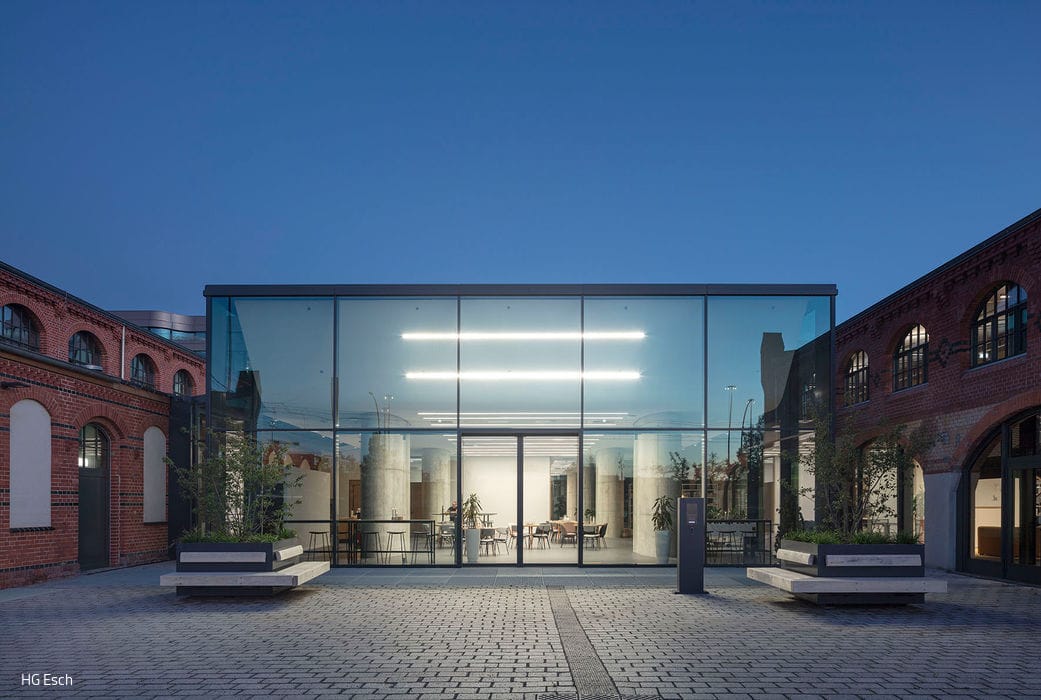
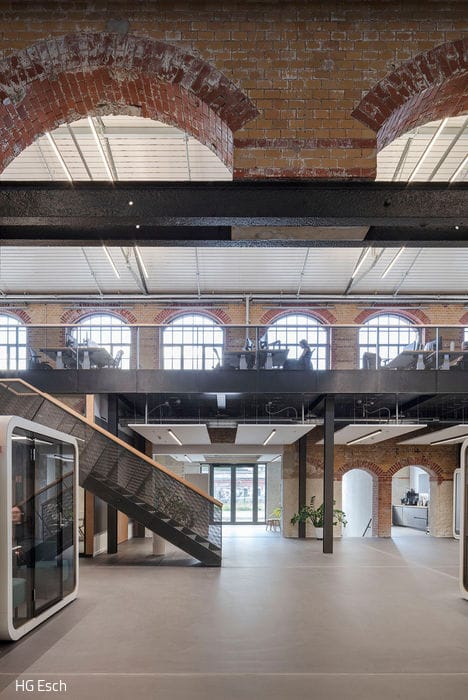
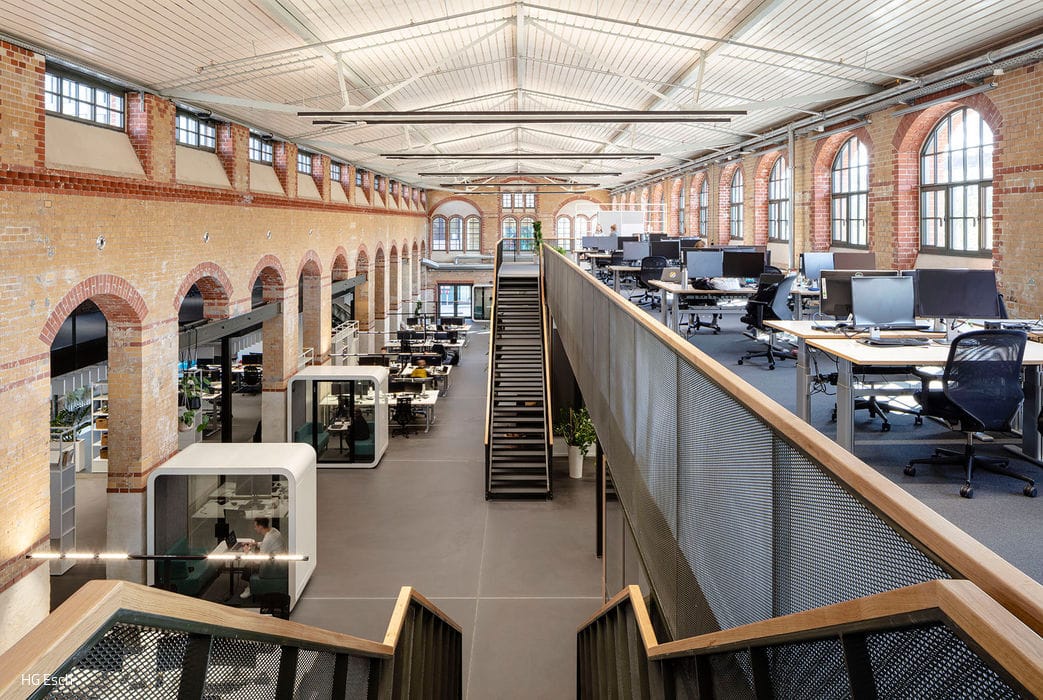
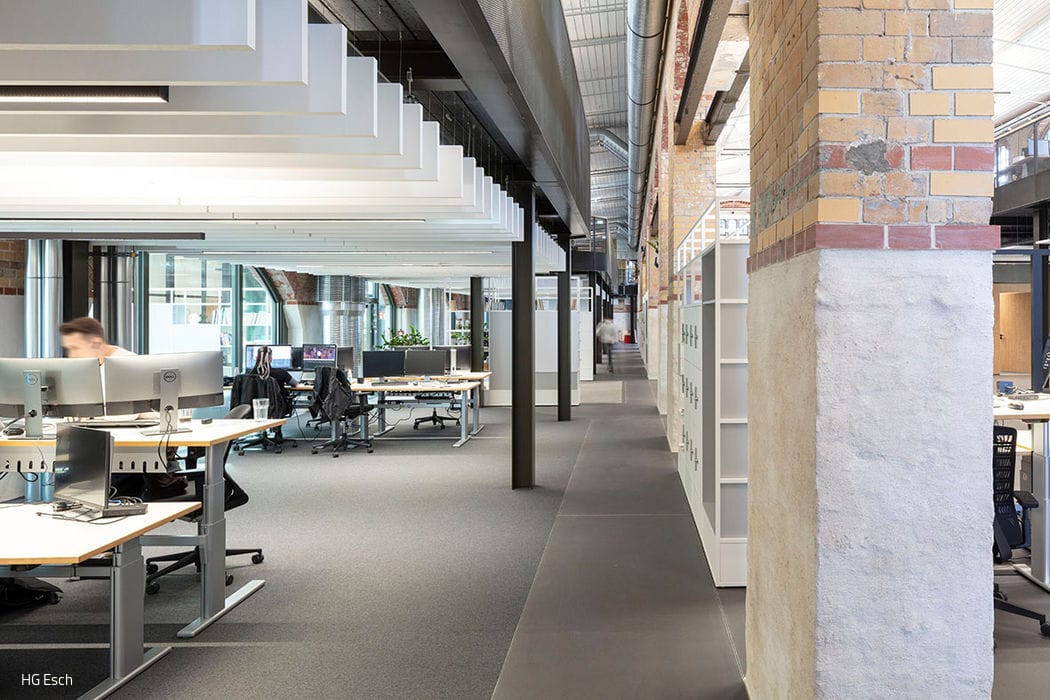
Between 1877 and 1881, a central livestock and slaughterhouse was established on a 38.62-hectare site in Lichtenberg, supplying Berlin and its surrounding region with meat for more than 120 years. The last historic halls closed their doors in 1990. What followed was decades of neglect—the remaining buildings sat empty and deteriorated, while a devastating fire claimed further structures. Roughly three decades later, the halls immediately east of Landsberger Allee experienced a dramatic transformation. Under the direction of developer HB Reavis and designed by Berlin-based firm Gewers Pudewill, the "Alter Schlachthof" development site gave rise to "DSTRCT," a vibrant new district. The scheme centers on a new Carée that integrates three historic halls with a five-story building running parallel to Landsberger Allee. This article focuses on the existing structures; a subsequent piece in the next
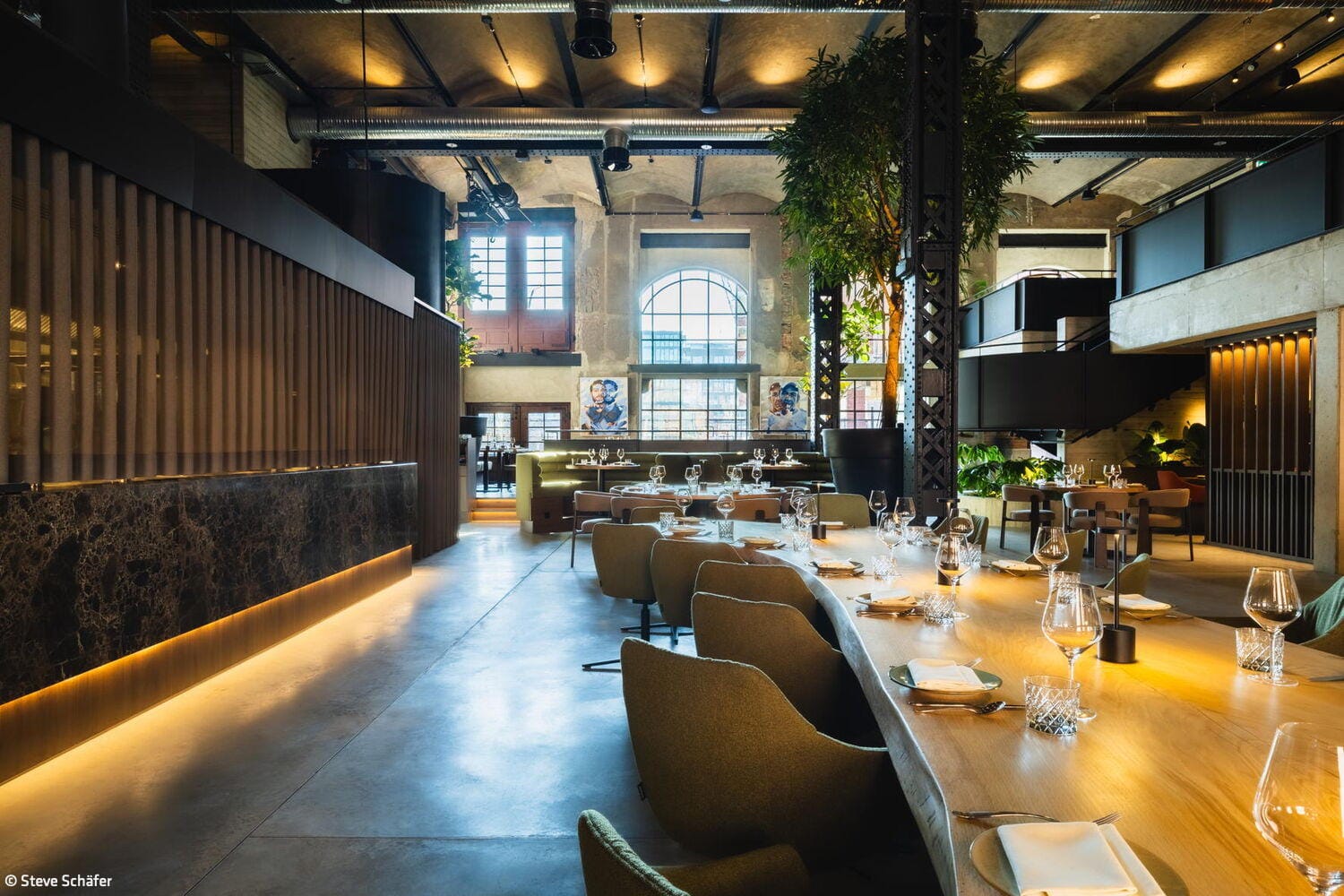
CUBE Berlin edition presents a blueprint for adaptive reuse. Two elongated halls once processed pigs as slaughterhouses, while the adjacent rectangular structure served as an auction house for imported livestock. Each former slaughterhouse spans 60 by 25 metres. The expansive auction hall—measuring 50 by 58 metres with approximately 2,900 m² of floor space—is supported by 36 cast-iron columns. The halls reach ridge heights of several metres, with eave heights ranging from five to seven metres. Before conversion could begin, these three red-brick heritage structures underwent meticulous restoration. The hall ceilings were painstakingly reconstructed using historical colour analysis, while windows were faithfully recreated to match their original designs. Project developer HB Reavis reimagined the spaces as cutting-edge workplaces for creative and tech industries. The former slaughterhouses evolved into contemporary office environments. "The heritage-compliant renovation and structural reinforcement demanded more technical and financial investment than constructing an entirely new building," notes architect Georg Gewers. The thoughtful transformation honored the buildings' past—preserving traces of former industrial use while carefully documenting graffiti from its period of temporary occupation. Gallery levels were inserted along one side of each slaughterhouse, expanding usable office space. Wood-clad staircases link the work levels throughout. Within these revitalized halls, work and collaboration gain new depth, unexpected versatility, and unmistakable character.
Photography Credits:
HG Esch
www.hgesch.de
(Published in CUBE Berlin 02|23)
Garden of Short Paths
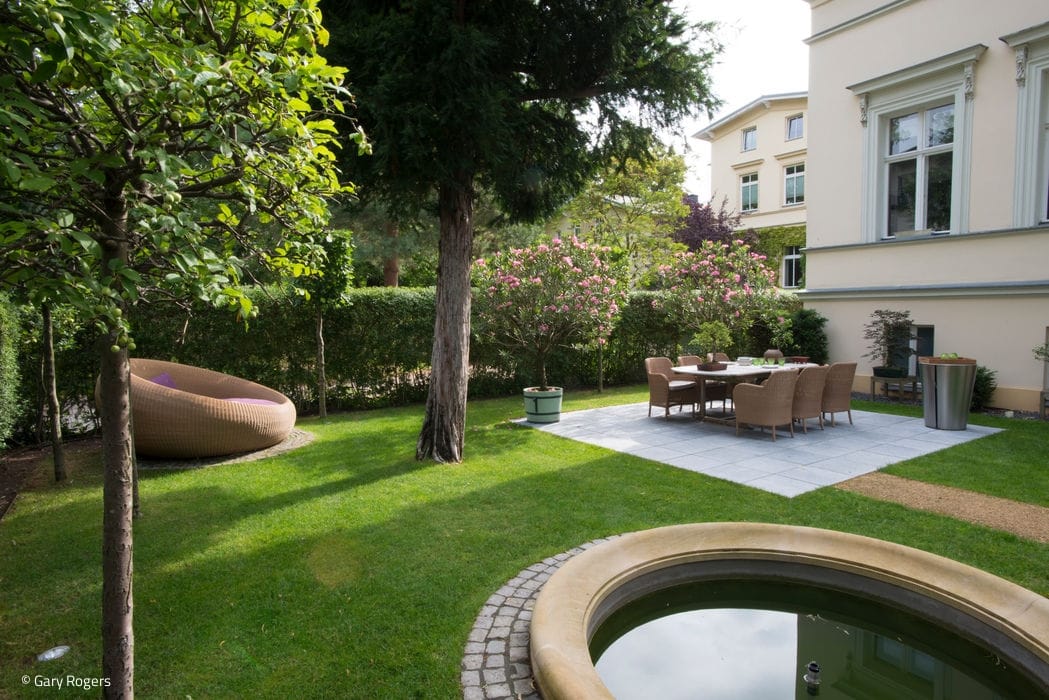
Contemporary Garden Design Meets Timeless Architecture
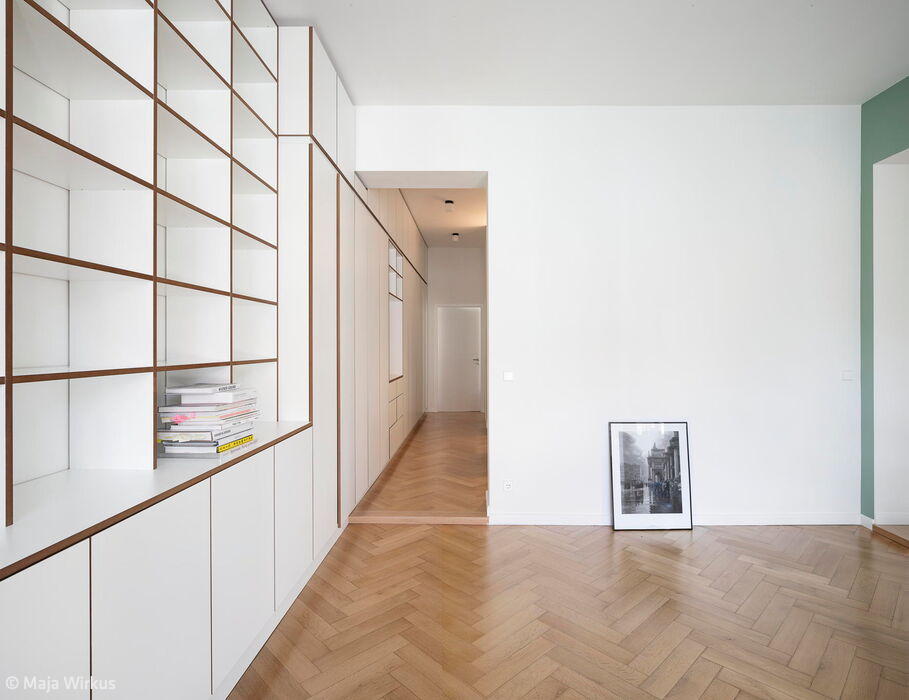
Refresh and Renewal
A historic Gründerzeit apartment receives a complete makeover and contemporary redesign.

Leading by Example
A solid wood house: prefabricated, sustainable, and energy-smart
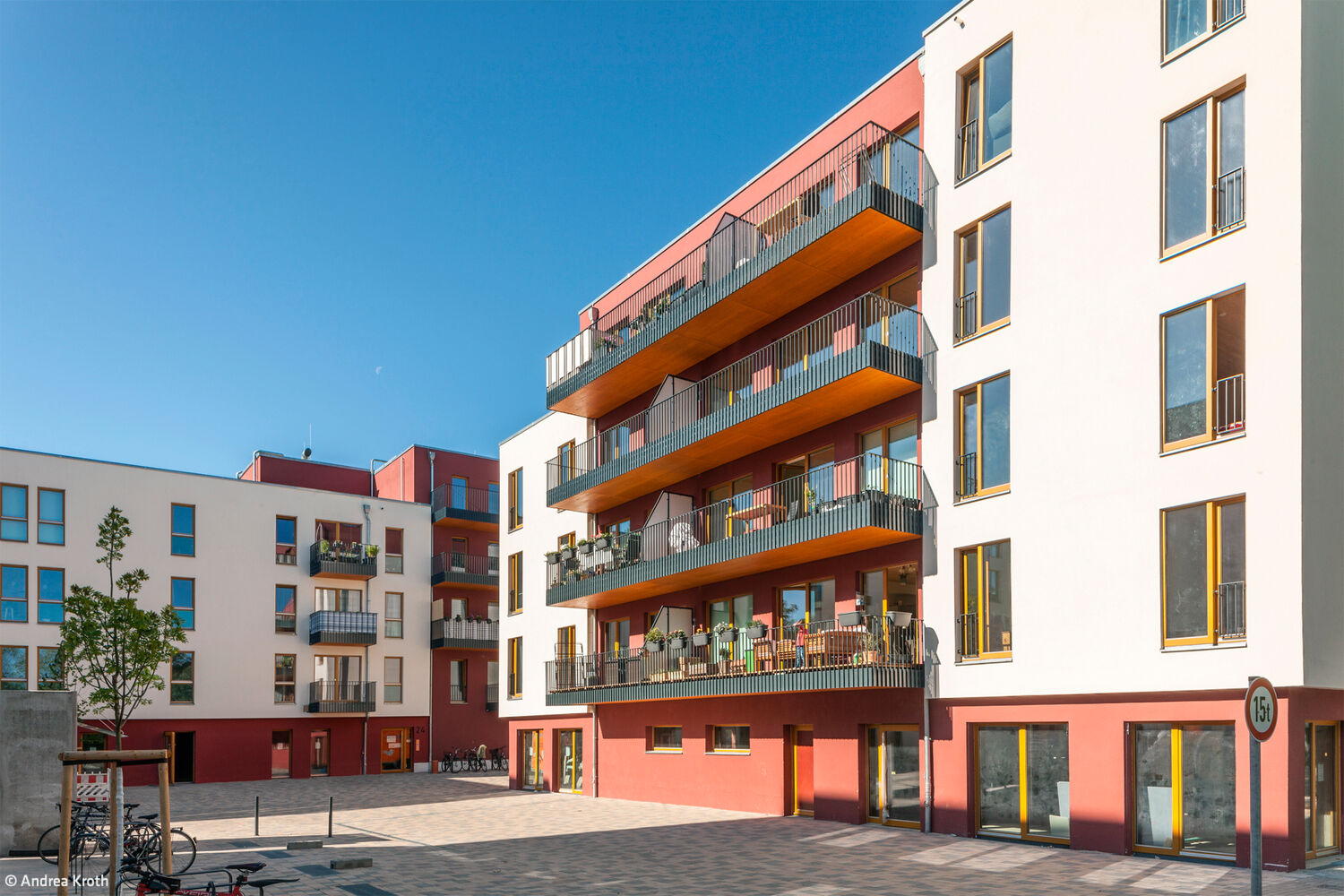
Award-Winning
A residential neighbourhood in timber-hybrid construction – exemplary in every way