


Architectural Refresh
Accessible Entrance for a Government Agency
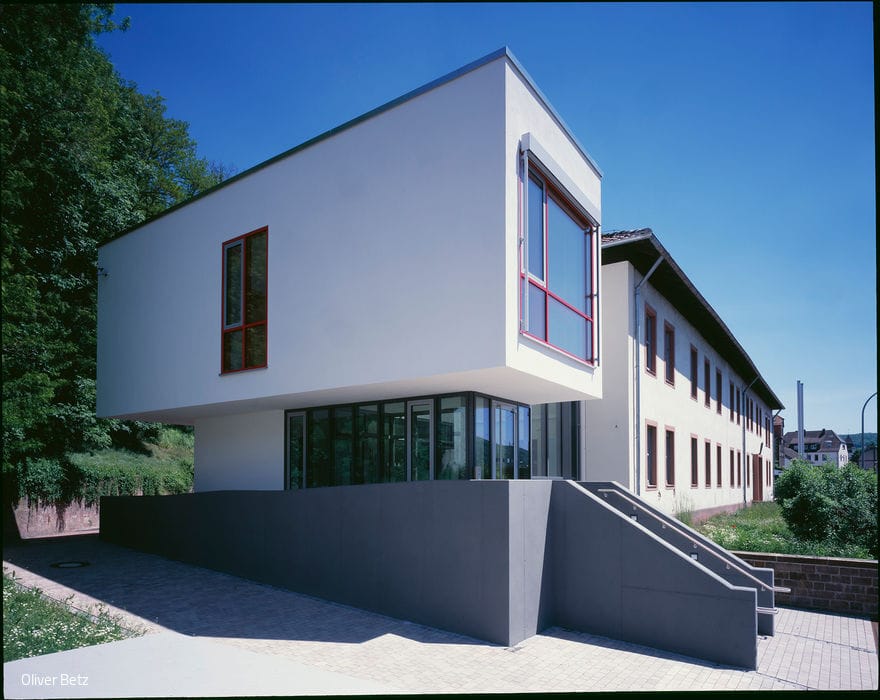
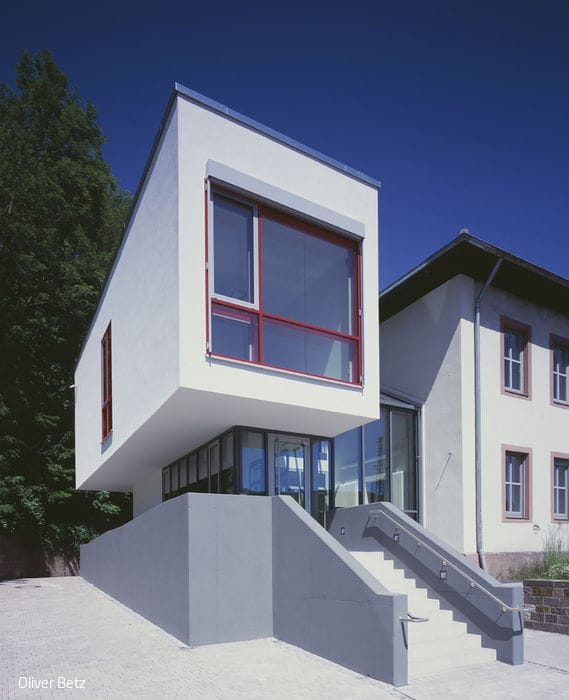
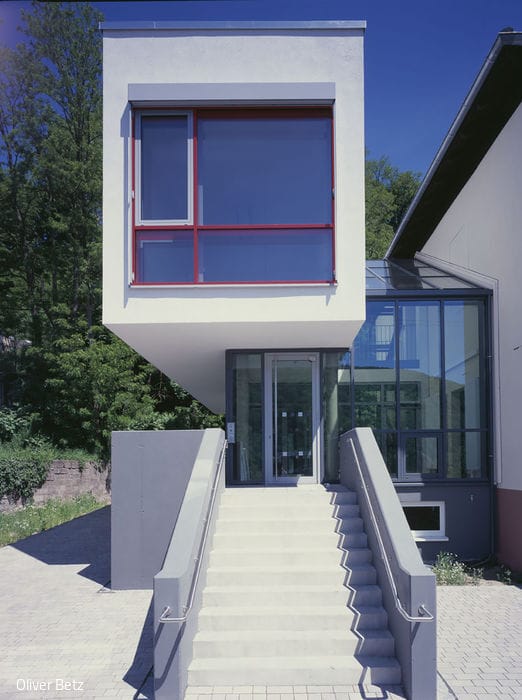
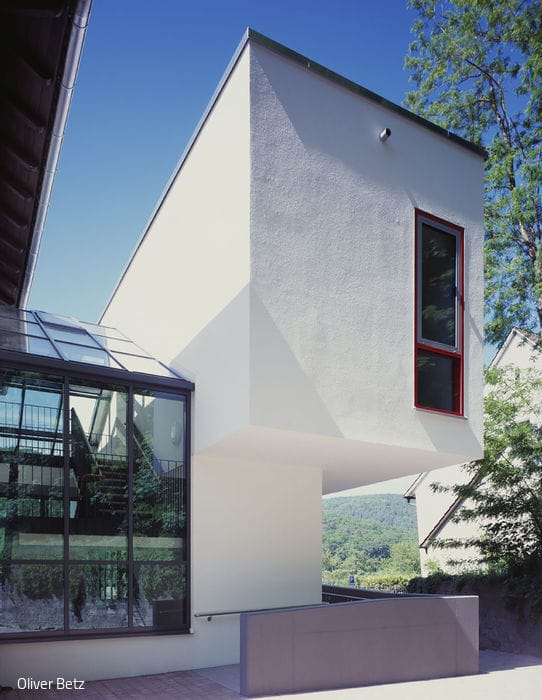
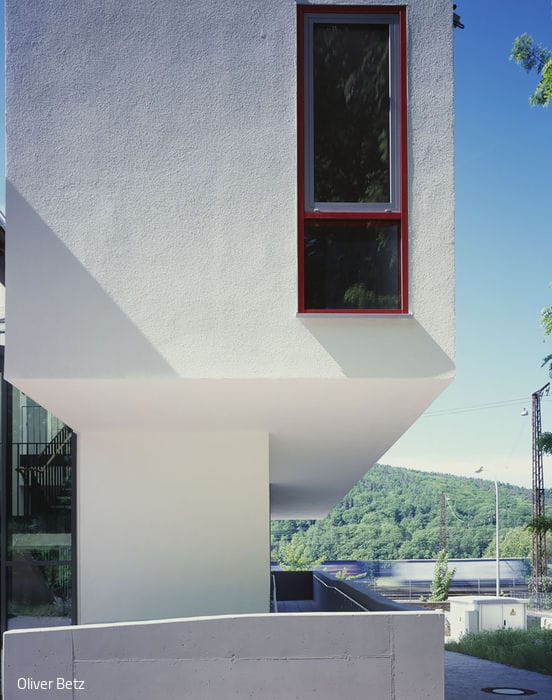
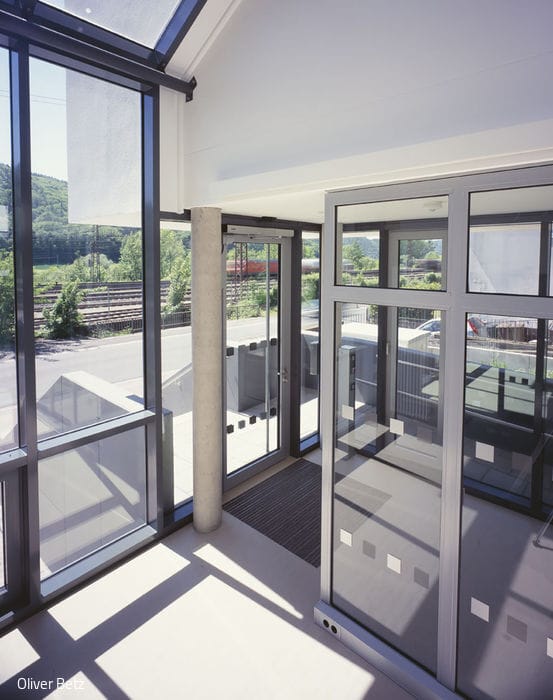
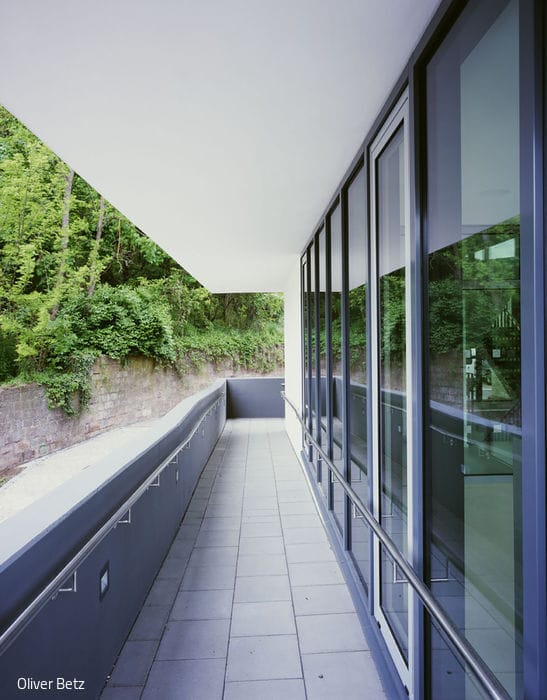
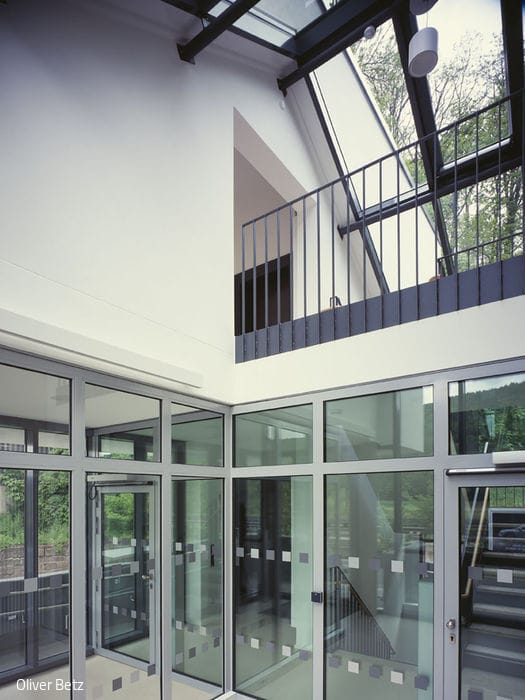
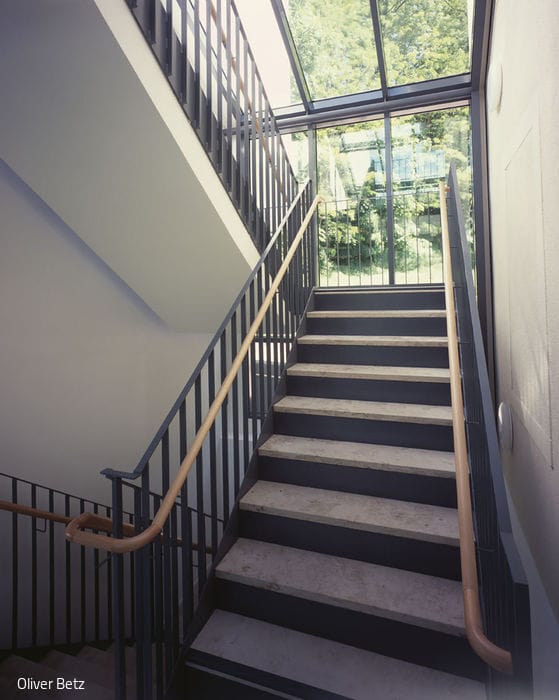
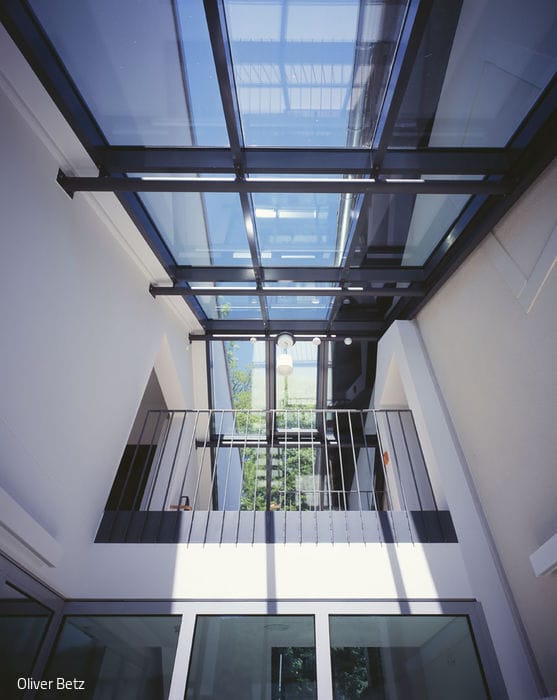
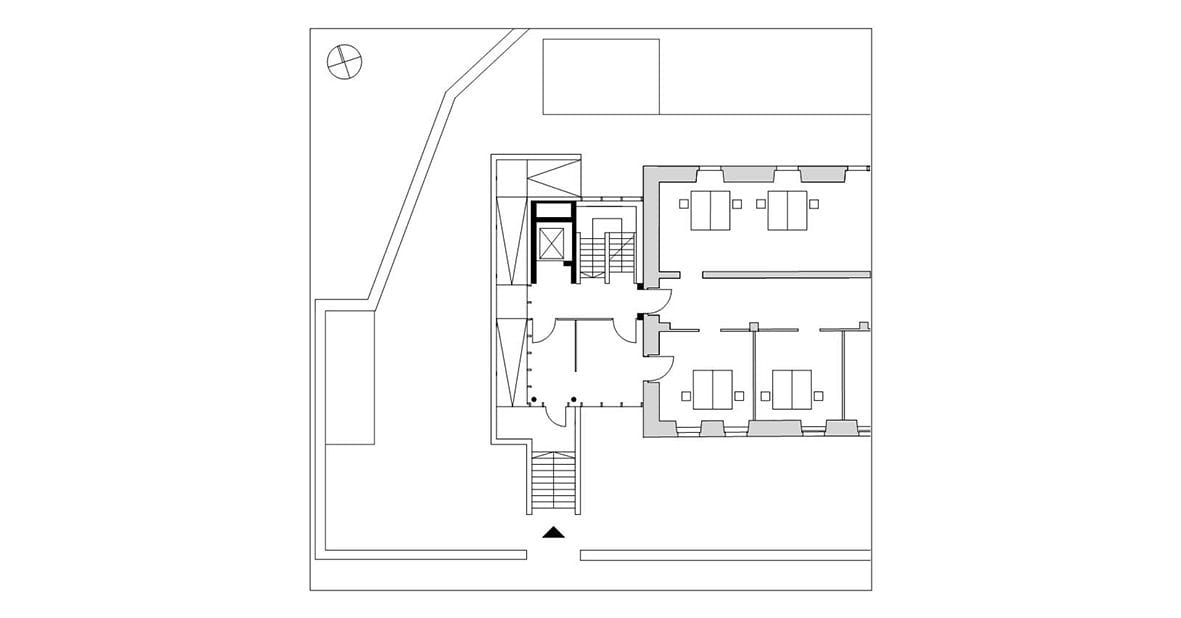
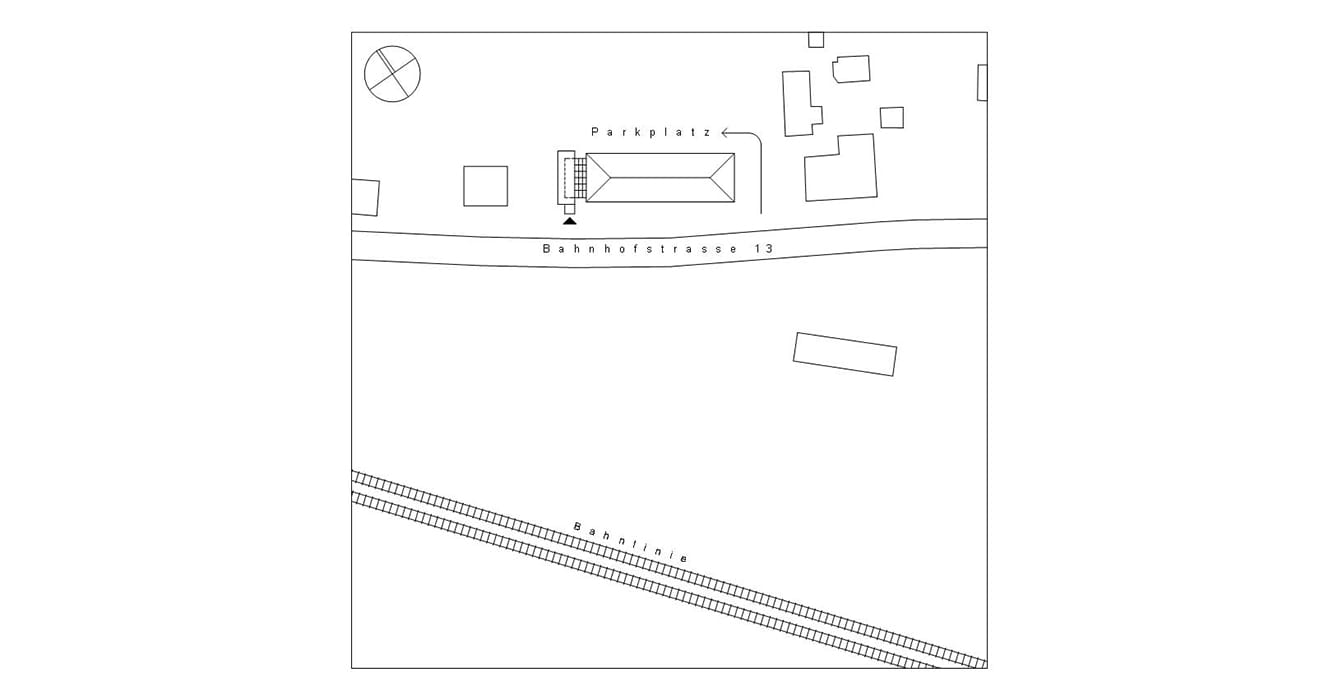
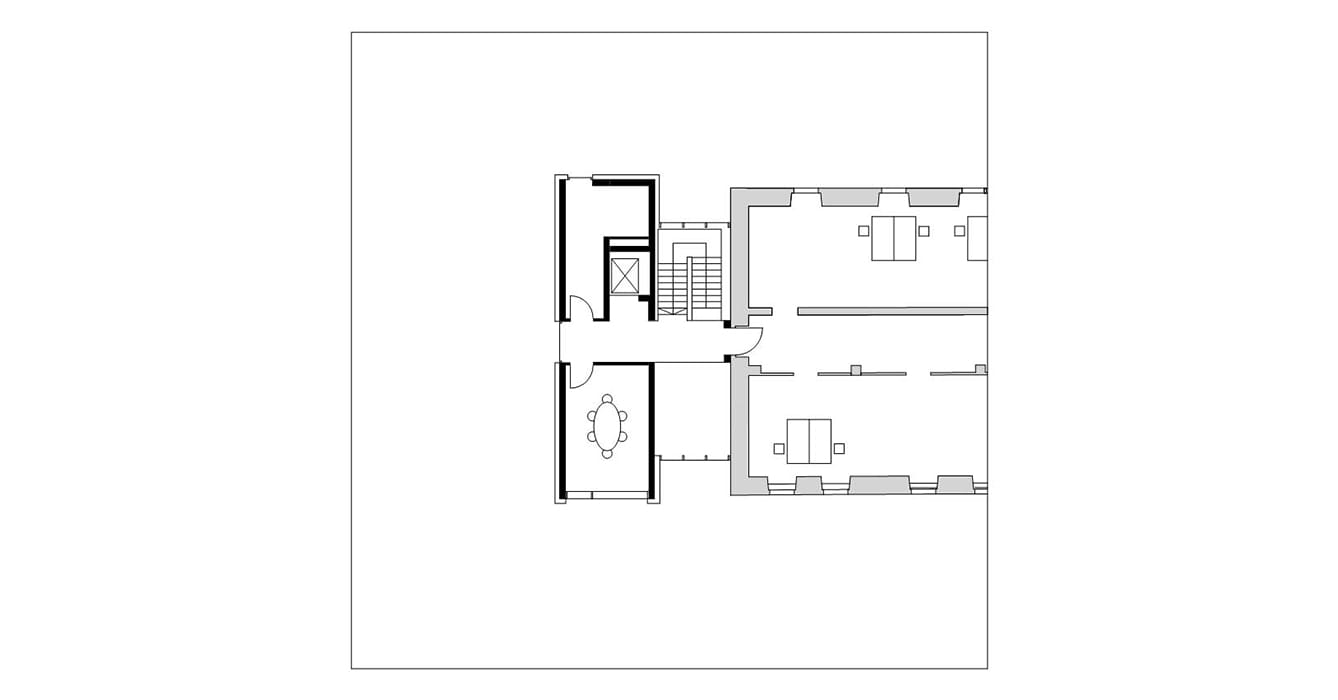
The Land Registry Office in Gemünden am Main faced an urgent challenge: its post-war building lacked barrier-free access. The Würzburg State Building Authority, acting as client and project manager, selected Munich-based architects Betz for their compelling vision—a modern, distinctive extension that met universal approval. The new structure serves multiple functions while harmonizing with its context, including the adjacent railway grounds. Within the existing building's courtyard, a 2,000 m² site now accommodates parking. From this lot, visitors ascend a weather-protected ramp to the main entrance; street-level access is via an open staircase. At the stair's terminus stands a striking glass cube—a transparent gesture that frames the interior staircase and elevator, embodying the design's commitment to openness and legibility. The building's rear features a slender plinth supporting a robust reinforced concrete volume. This configuration creates seamless access between the existing structure and the new entry pavilion at ground and first-floor levels. A cantilevered upper floor shields the ramp approach from all weather directions. Inside, an entrance-exit security vestibule regulates visitor flow. Access control, strategically positioned via a connecting door in the original building, enables controlled entry procedures. The vestibule's glass partitions provide ballistic protection and house a body scanner and inspection station for bags and documents.
The "box"—the upper-floor volume that cantilevers 1.5 meters above its base—houses an eight-person conference room and a compact office. Elevator access reaches only this upper level; the basement archive remains accessible by stair alone. The glazed stairwell acts as a visual bridge between old and new, topped with a matching glass gabled roof, while the upper floor concludes with a gravel-surfaced flat roof.
Through its carefully considered construction methods and exterior components, the building significantly exceeds EnEV energy standards, achieving notably low heating demand.
Photography Credits:
Oliver Betz
(Published in CUBE Frankfurt 01|22)
Abundant Light and Greenery
Oper46 redefines office space with distinctive design vision.
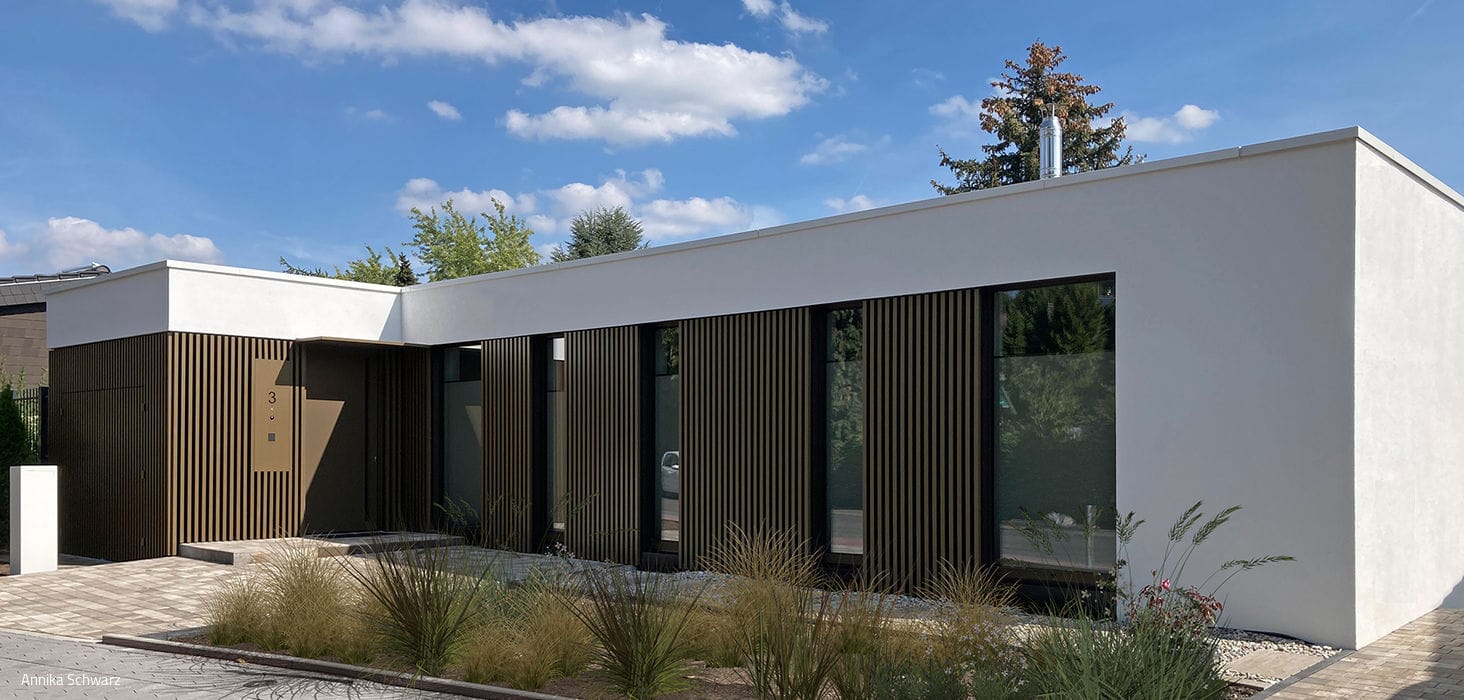
Timeless Elegance
A 1960s bungalow steps into the 21st century
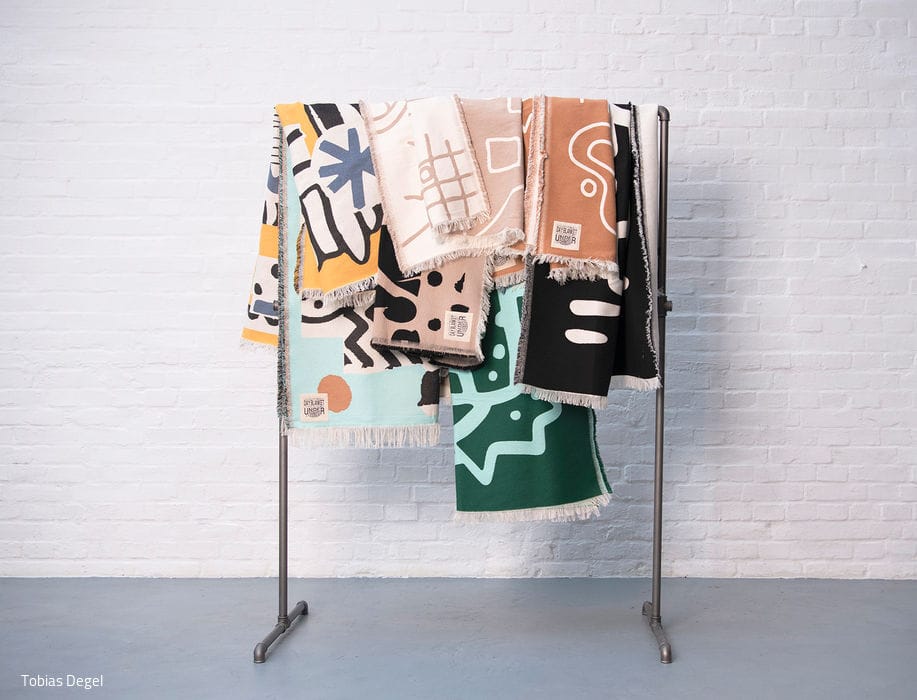
Sustainable and Colorful
Wiesbaden graphic designer Tobias Degel explores diverse formats and applications
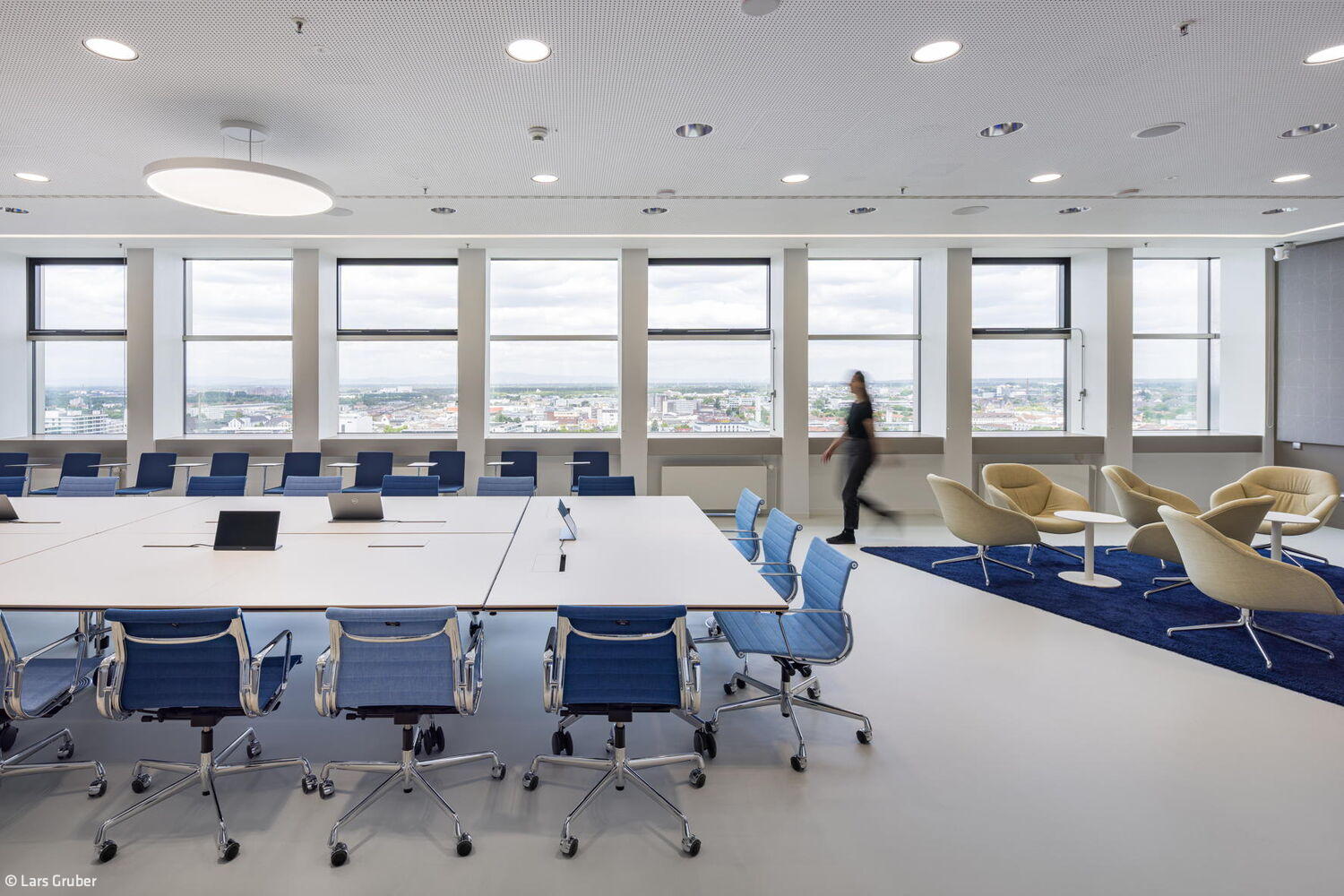
Clear Words & Expansive Vision
A University Senate Hall That Strengthens Identity and Dialogue