


The Green Heart Connects
From Industrial Scrap to Urban Sanctuary: A Remarkable Transformation
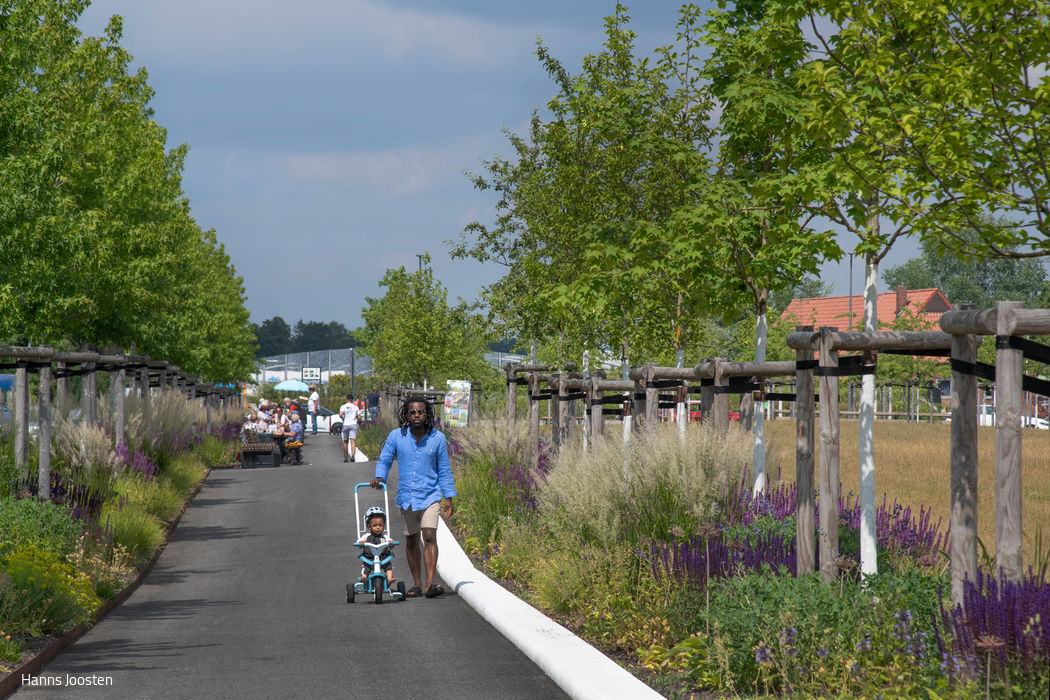
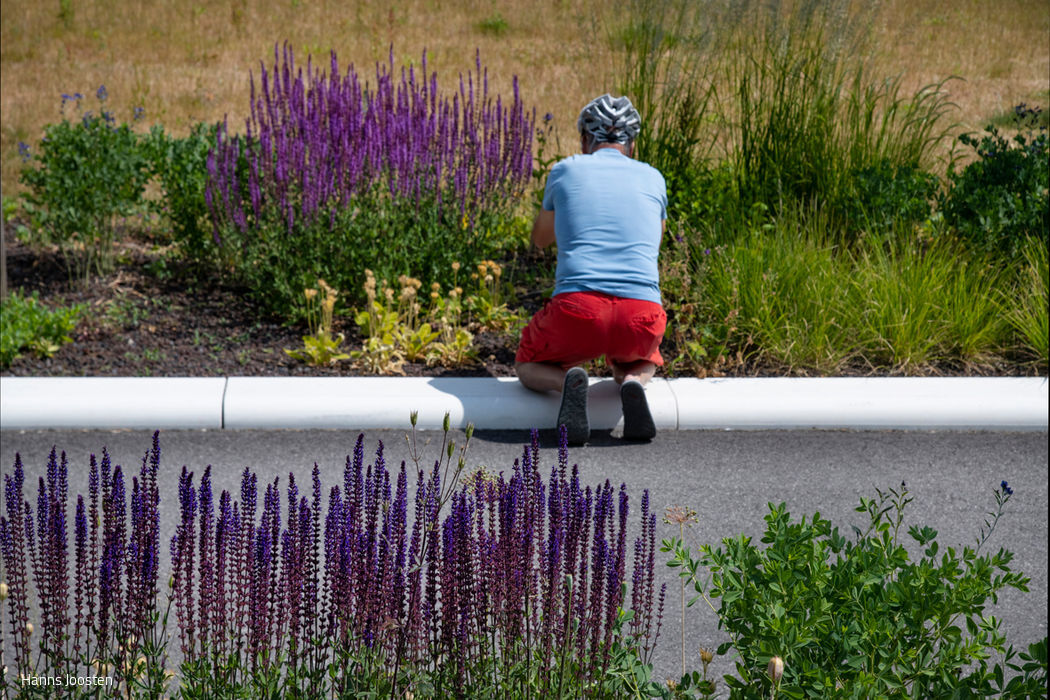
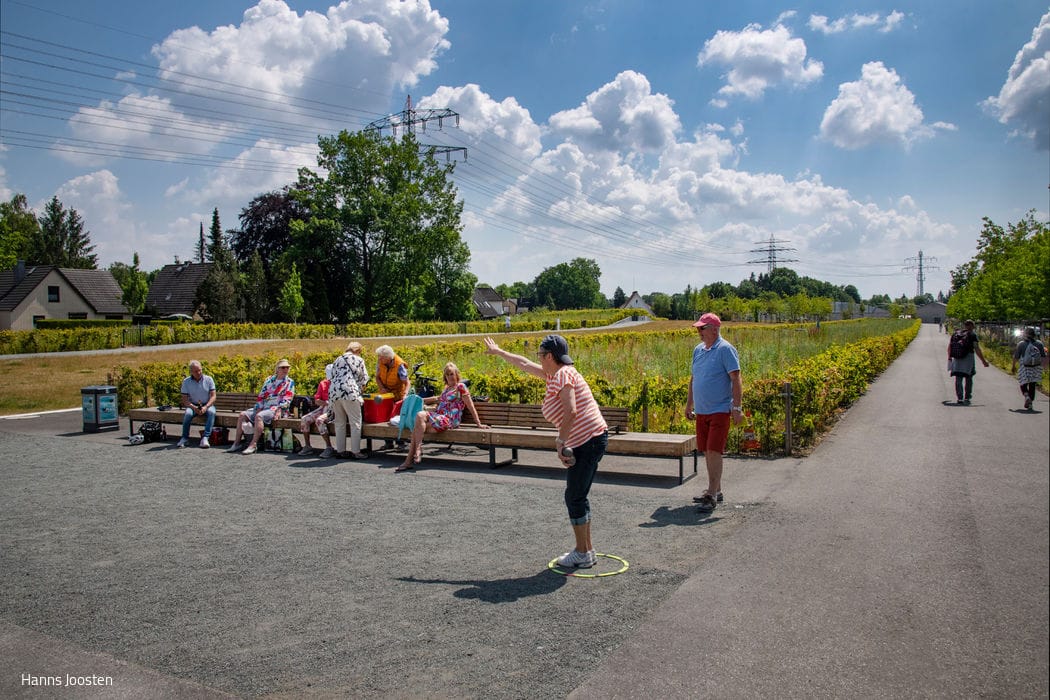
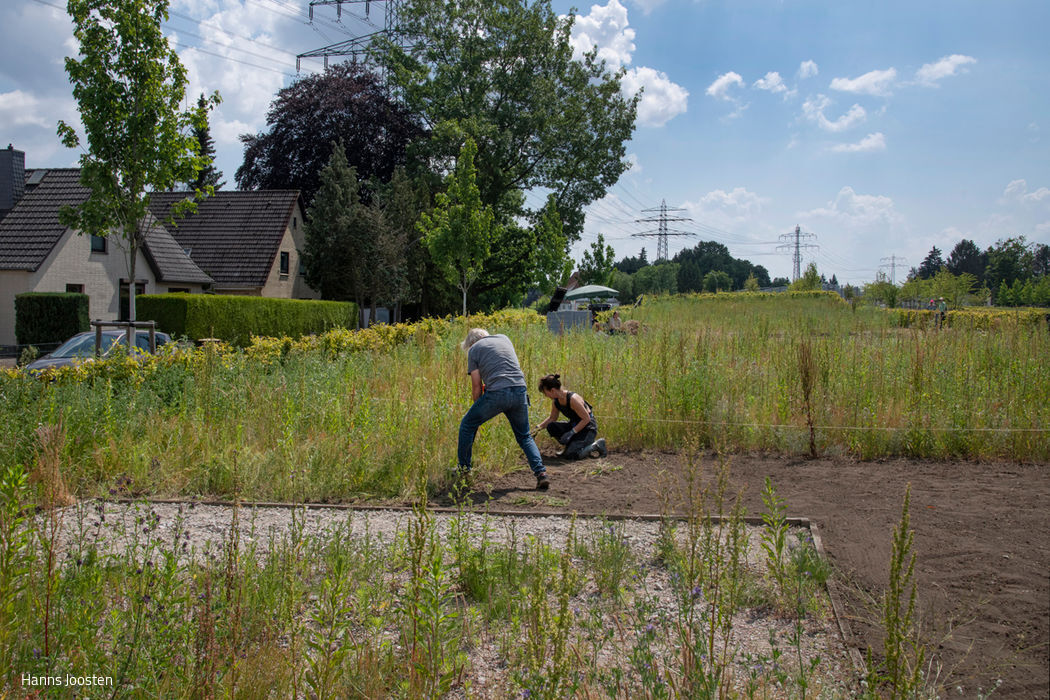
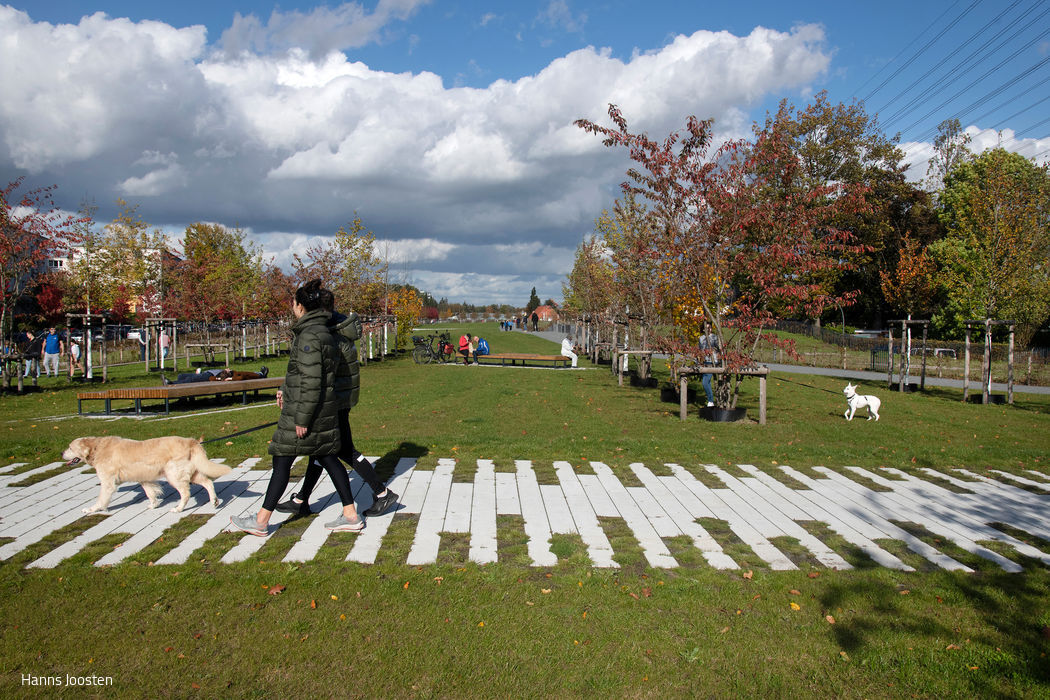
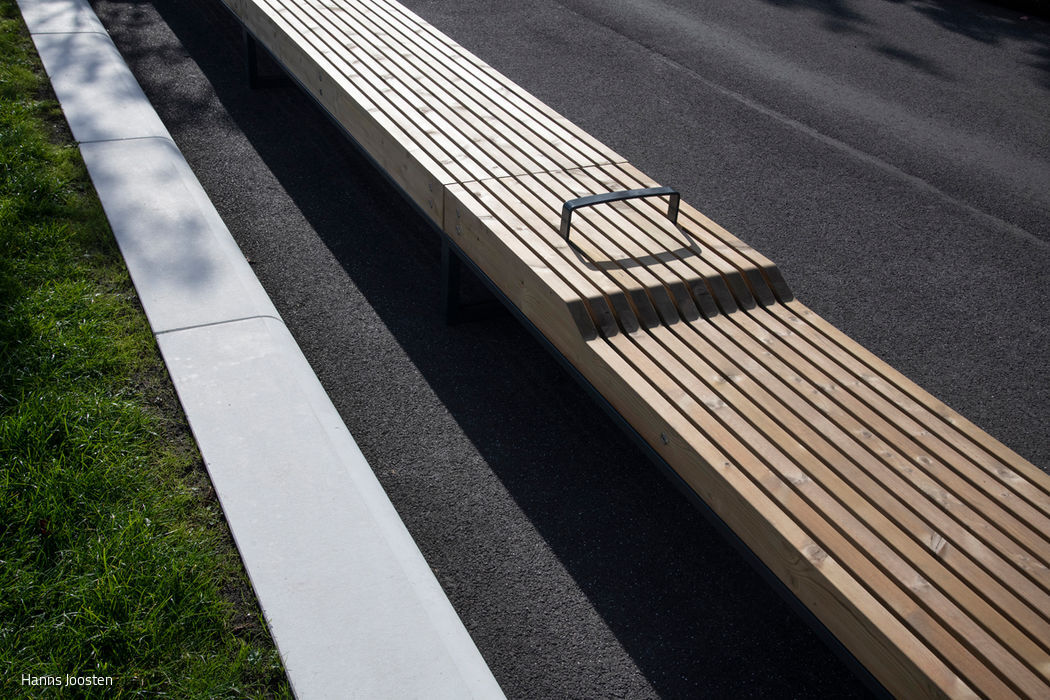
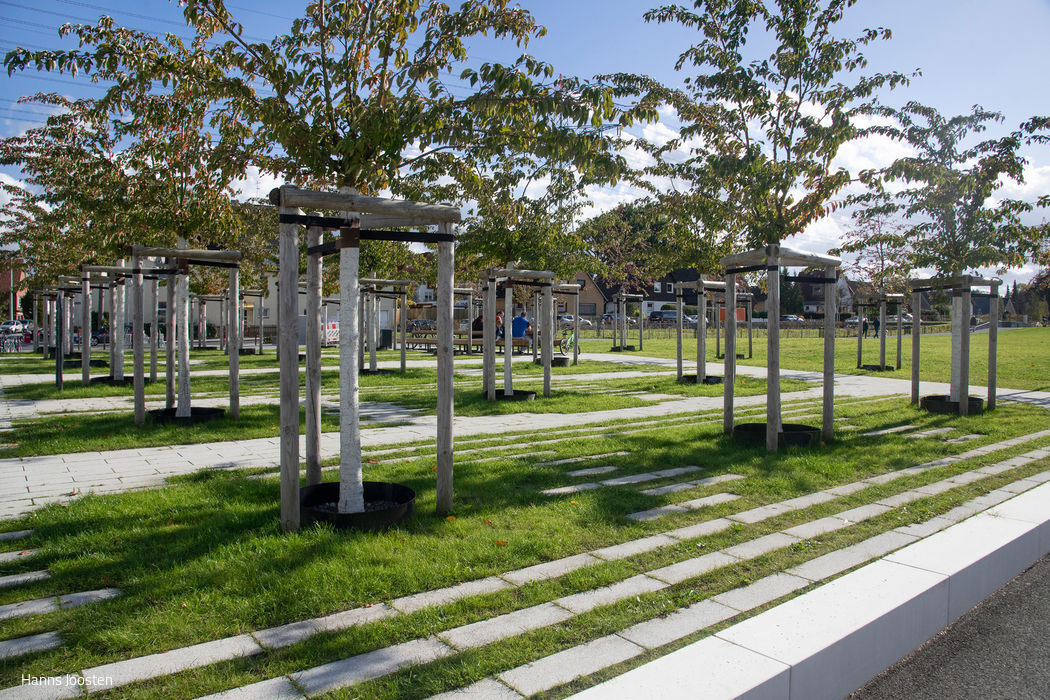
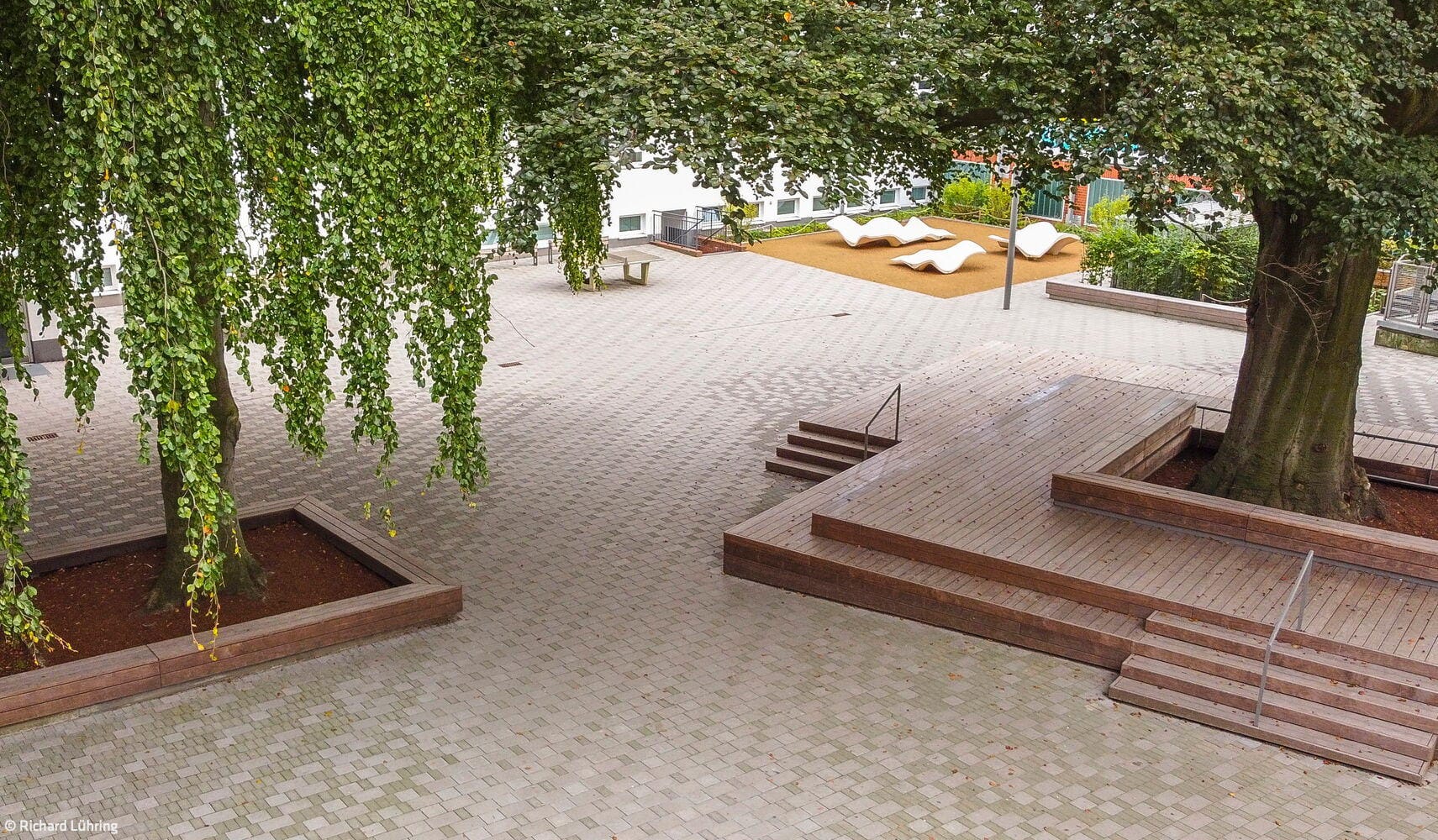
Edouard Manet's painting "Le déjeuner sur l'herbe" inspired Pola landscape architects to reimagine the new park atop the A7 tunnel in Schnelsen. Where streams of traffic once flowed beneath open skies, a vibrant ecosystem now flourishes – rising above the roar of six lanes of motorway traffic. Here, residents gather for picnics, neighbourhood children play safely, and urban farmers tend fruit and vegetable gardens. A three-hectare green roof has transformed Manet's dreamy vision of an outdoor feast into living reality.
The transformation was substantial: 44,500 tonnes of soil repositioned, 150 trees planted, and 42 community gardens established across 1.4 hectares of the 560-metre park. Over twelve years of planning and construction, every plant selection was fine-tuned in response to Hamburg's shifting climate and evolving soil management research. The A7 motorway had brutally divided Schnelsen—isolating neighbourhoods on either side of an open highway trench that flooded the area with relentless noise. Today, the new green space has healed that wound, breathing new life into community engagement shortly after opening. What once severed the district now unites it. The park has become the neighbourhood's green anchor—a gathering place that strengthens social bonds and elevates the entire community's sense of belonging and wellbeing. In a fitting tribute, the park bears the name of Dorothea Buck, a local sculptor and passionate advocate for destigmatizing mental illness. The Frohmestraße neighbourhood garden within the park similarly honours medical pioneers rooted in Schnelsen's history. The Geschwister-Tölke-Platz celebrates sisters Erika and Ilse Tölke, whose charitable foundation championed social initiatives and cancer research across the city.
This speaks volumes about Schnelsen residents' deep connection to their transformed landscape. But it's equally a tribute to civic power: the grassroots initiative "Ohne Dach gibts Krach" (No roof means noise) challenged city planners to reimagine noise mitigation – and in doing so, unlocked the urban potential of the "Hamburger Deckel" project itself. Two additional parks will follow on tunnels in Stellingen and Altona by 2025 and 2028. Few debuts could be more compelling than Dorothea Buck Park – a public realm that strengthens community bonds and social cohesion.
Photo:
Hanns Joosten
www.hannsjoosten.de
(Published in CUBE Hamburg 01|24)
A Passion for Wine
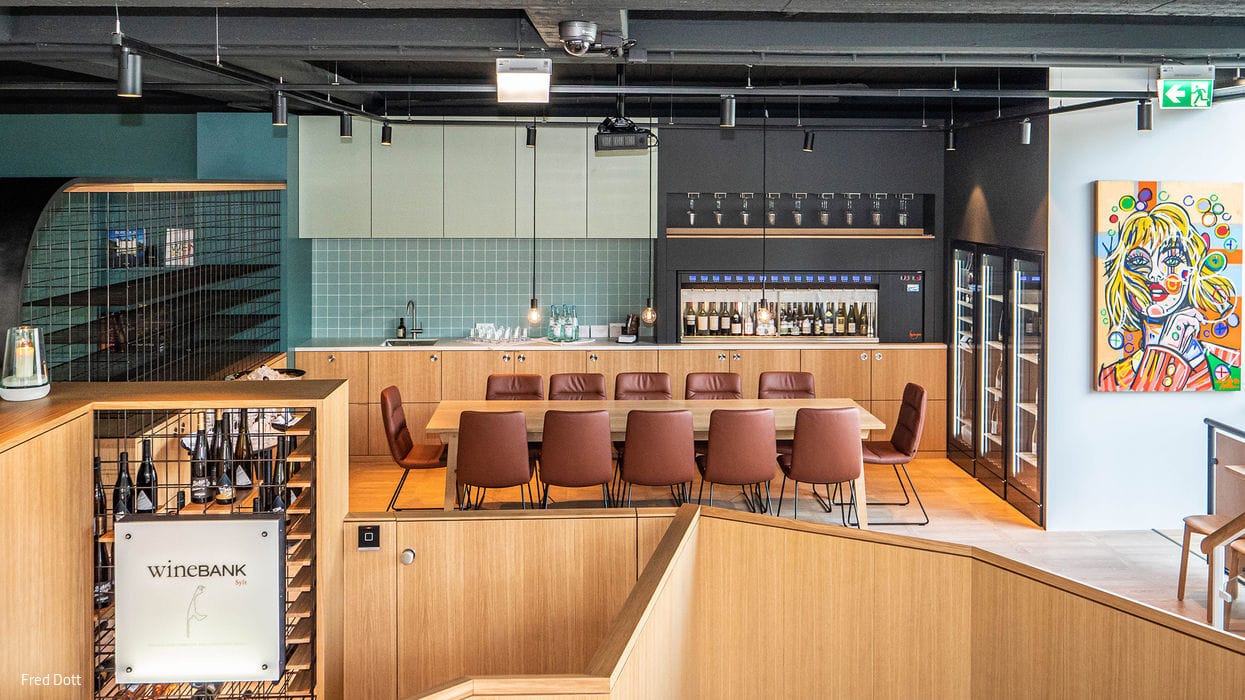
An exclusive members' club for wine lovers – now on Sylt

Modern and Functional
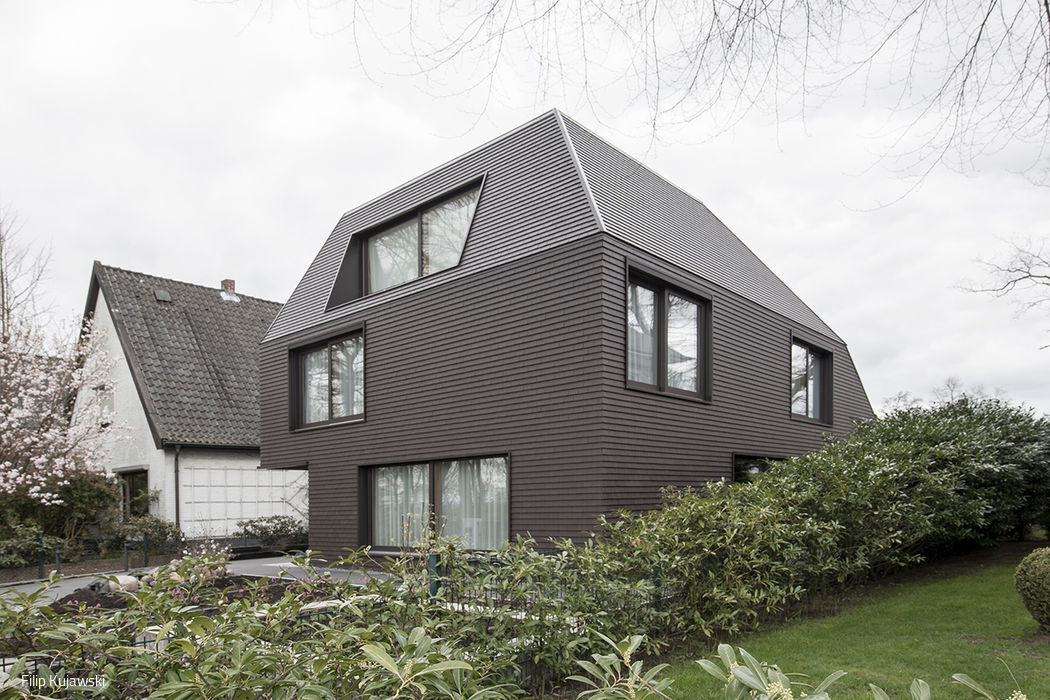
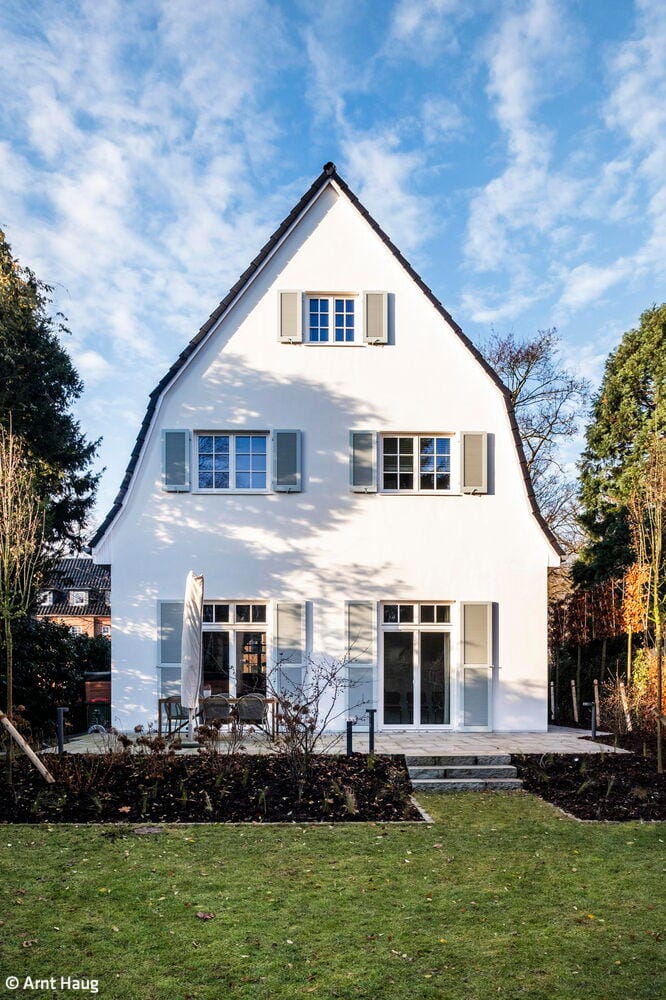
A minimalist gabled-roof home designed for comfort, space, and family living.

A Distinctive Vision
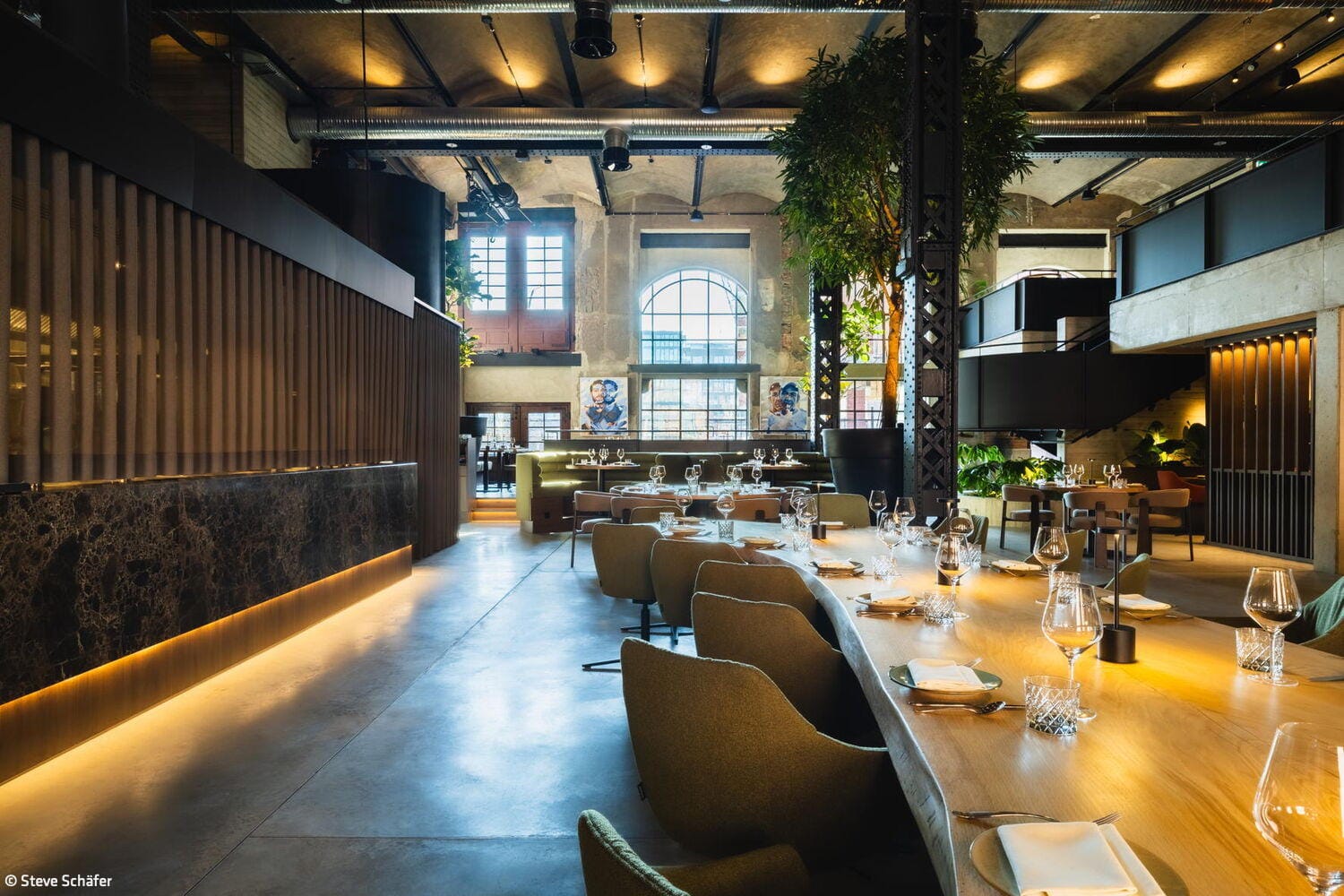
A refined patisserie with industrial-chic aesthetics takes residence in a historic cocoa warehouse in the Speicherstadt
A Northern German Farmhouse
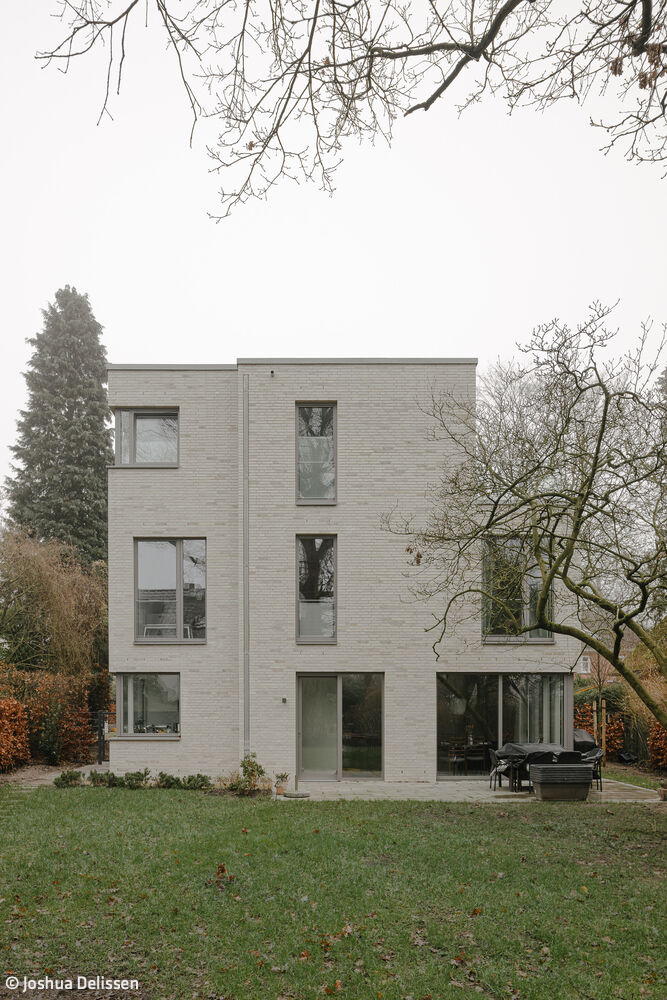
A modern reinterpretation achieving maximum privacy, inside and out