


Gentle Giant
How One Office Building Transformed Strahlau
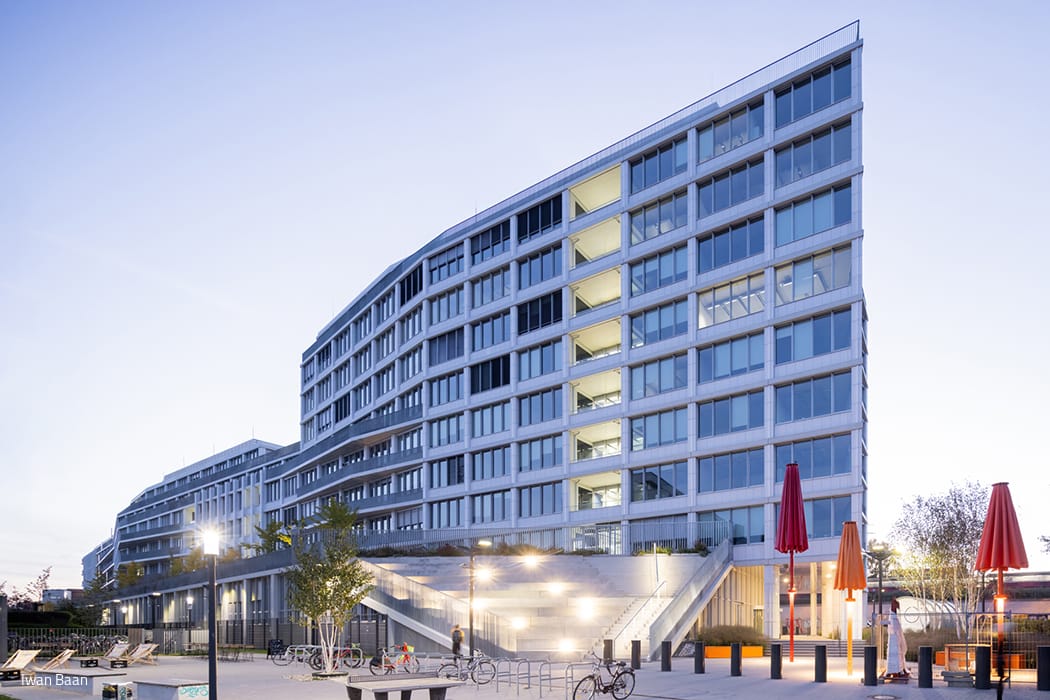


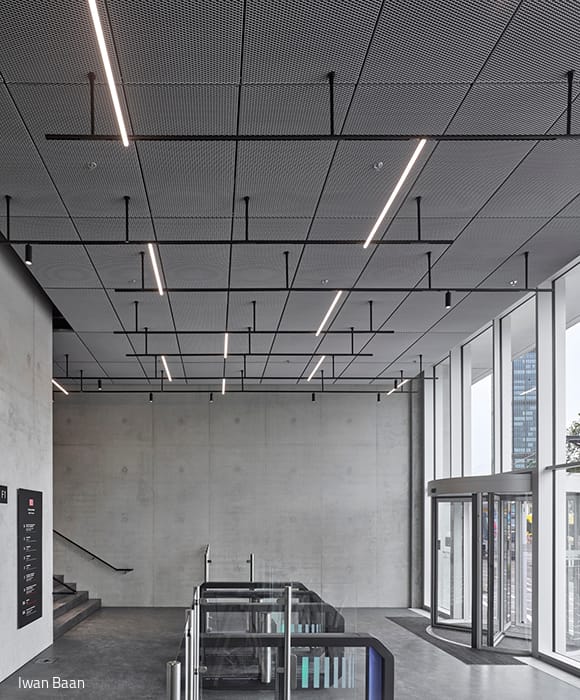




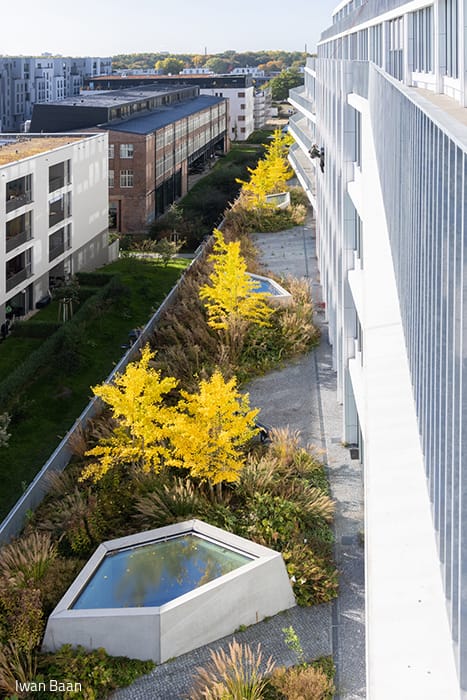
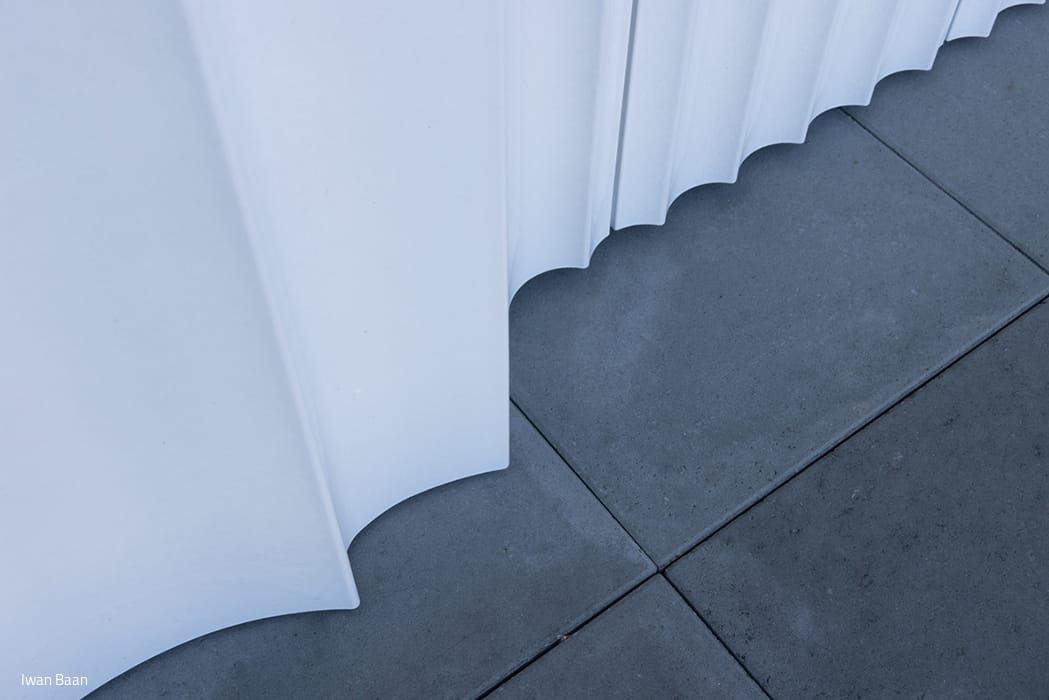
In the heart of Berlin stands a building of remarkable proportions: at 300 metres long, the office building near Ostbahnhof station and Rummelsburger Bucht may not be the city's longest structure—but it commands attention through its impressive architectural achievements. Designed by the internationally renowned architecture firm Barkow Leibinger, with offices in Berlin and New York, the building called "B-Hub" runs north to south along Kynaststraße in the Strahlau district. Positioned parallel to the street and Berlin's Ringbahn railway tracks, it serves as a protective barrier shielding the residential neighbourhoods to the east from automotive and rail noise. Built on a long, narrow site where a glass factory once stood, B-Hub exemplifies thoughtful urban densification and the revitalisation of challenging urban contexts. Barkow Leibinger Architects are renowned for the meticulous craftsmanship evident in every project—B-Hub has already achieved DGNB Gold certification (German Sustainable Building Council) and secured a spot on the 2024 DAM Prize shortlist. At the waterfront-facing northern end, a public forecourt staircase provides dramatic entry. Inside, two primary entrances on the ground floor serve the building's two main tenants. At its highest point (43 metres), the structure contains ten storeys, gradually stepping down to seven storeys at the southern end. The façade's rhythmic folds and bends create visual lightness despite the building's considerable mass—avoiding any sense of a heavy monolith. These staggered floors generate terraces and planted outdoor spaces, designed alongside the building's landscape by Berlin-based architects Topotek1. The upper floors are progressively stepped back, creating a dynamic profile. Below ground, a multi-level car park accommodates both bicycles and cars, complete with EV charging stations. The façade's defining character comes from horizontal and vertical ceramic elements. Sculptural terracotta pieces add three-dimensional depth to the white-toned surface, while 11,000 m² of solar-control glazing is integrated throughout. The vertically-articulated windows nestle within the strict rhythm of the perforated façade between pilaster strips and cornices, complemented by aluminium roller blinds. Metal balustrades frame each window opening. The cornices employ exposed concrete prefabrication, while the pilaster strips are clad in white-glazed terracotta shells. The location's advantages are unmistakable: immediate proximity to Ostkreuz station connects occupants to all regional transit and long-distance rail services. Equally compelling is Strahlauer Insel's quiet recreational character. The building comprises 47,300 m² of usable floor space within a gross area of 64,000 m². Office spaces inside are fully customisable, ranging from compact units to generous areas up to 4,000 m². Two primary tenants share the space: a federal government agency and Deutsche Bahn. A shared ground-floor canteen serves all staff, while a supermarket and café welcome the broader public.
Photography Credits:
Iwan Baan
www.iwan.com
(Published in CUBE Berlin 04|23)



A New Lease on Life
A historic Gründerzeit apartment receives a complete makeover and contemporary redesign.
Plasticity and tension
Living in a central location with an urban atmosphere
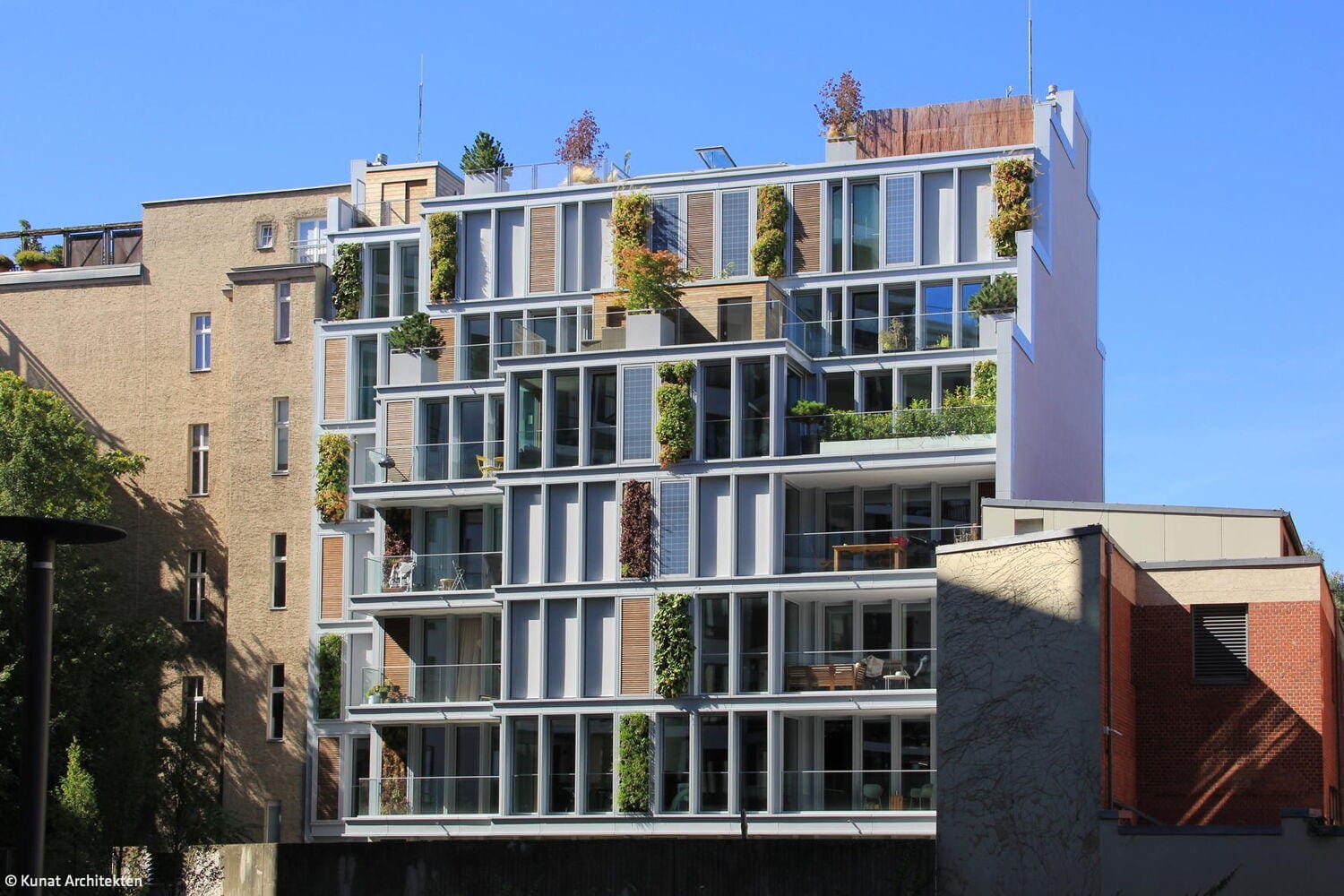
The Façade Takes Center Stage
A Residential and Commercial Building with an Exceptional Façade

Restoration and Reinvention
How Garages Became Community Space: An Award-Winning Transformation