


Thoughtful Urban Repair
A heritage-sensitive revitalization demonstrates what infill development can achieve for the urban fabric
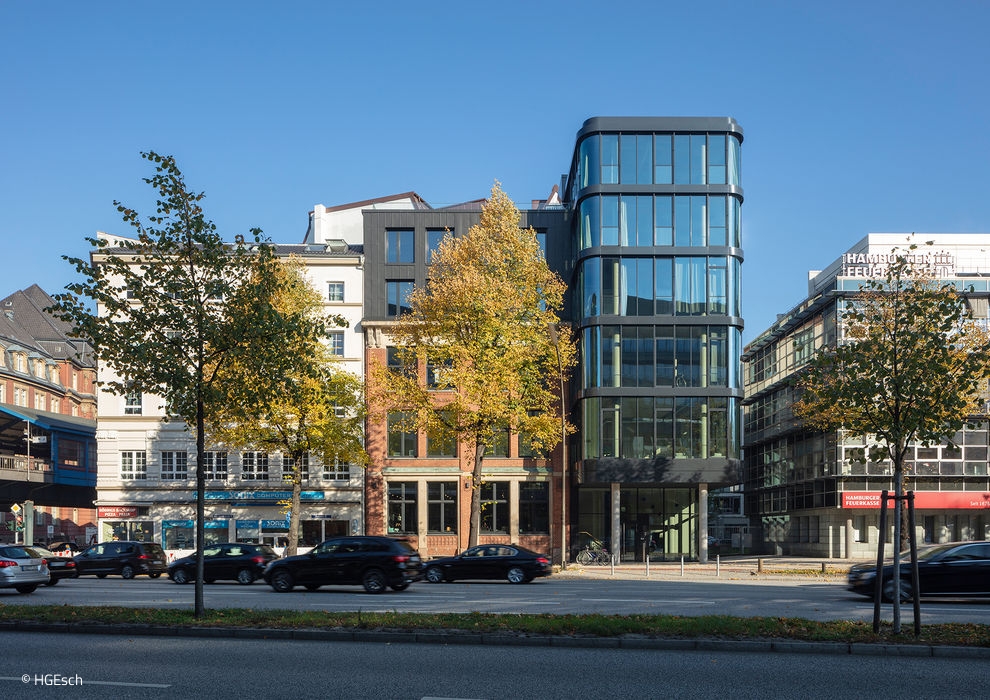




This infill development on the narrow Görtwiete, close to Willy-Brandt-Straße, orchestrates a virtuoso interplay between three building elements: a historic structure with clinker brick facade, a new construction with glass facade, and an upper-story addition with contemporary roof detailing. The ensemble exemplifies what the Cologne and Hamburg-based architecture firm Caspar (formerly meyerschmitzmorkramer) defines as thoughtful urban repair. The project has now been honored as the winner of the German Design Award 2020.
The existing buildings comprise the listed Appendix Altes Klöpperhaus, which was erected in 1911 as an extension to the Altes Klöpperhaus following designs by architects Lundt and Kallmorgen. The Altes Klöpperhaus, an imposing commercial building, was already renovated by the architects in 2016 and transformed into a modern office and business facility.
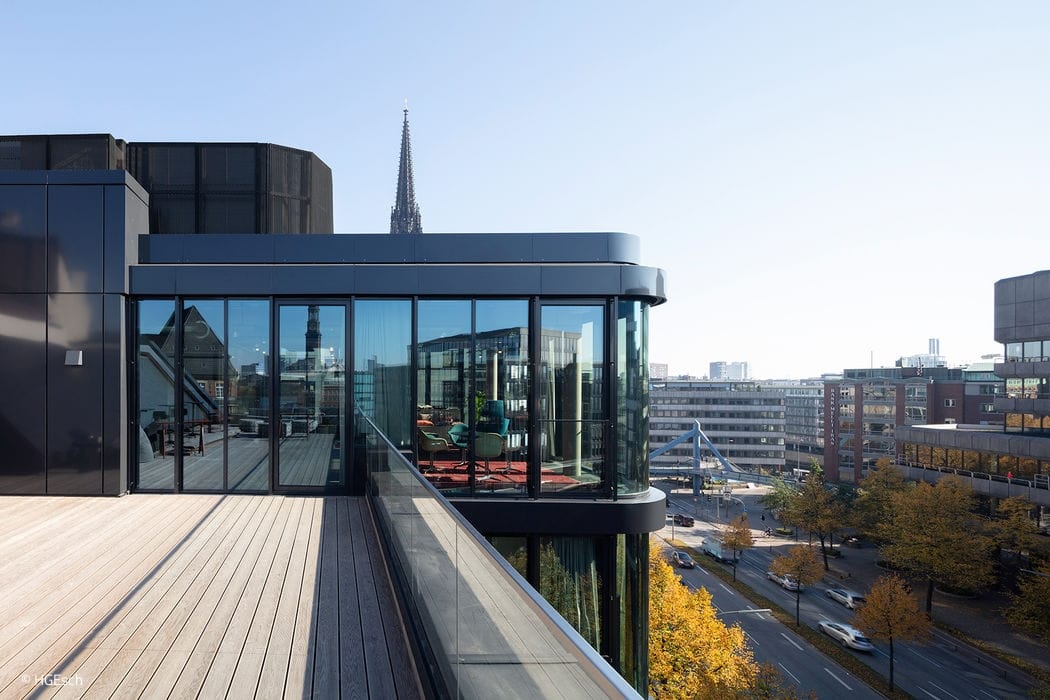
The three-story Appendix, however, demanded a fresh approach. Following successful negotiations with the heritage conservation authority, it was expanded by two additional floors during renovation and supplemented with a six-story glazed tower on the 129 m² adjoining plot. Caspar's challenge was to unite the three building components within the confined space while adhering to heritage preservation and structural requirements, creating a harmonious whole. The result exemplifies a convincing urban repair. The roof of the existing structure was dismantled back to the cornice line and received a two-story facade clad in dark metal panels. Characteristic features include oversized window openings and a roof terrace with expansive views, accessed from the top floor of the adjoining new structure.
The six-story new building volume is positioned at a narrow opening of the block interior courtyard, a placement the architects emphasize through cantilevered upper stories and a glass facade that flows dynamically around the rounded building corners. The historical significance of Görttwiete as a pedestrian connection between Rödingsmarkt and Hopfenmarkt is thus preserved.
The new structure encompasses 725 m² gross floor area across six levels. What impresses is not only the loft-like spaces with their four-meter heights and the spectacular panoramic views through the floor-to-ceiling glazed facade. The ensemble convinces through its historical references and stands as an effective urban repair, bridging the dynamic chapters of the city's history at this location.
Photography Credits:
HGEsch
www.hgesch.de
(Published in CUBE Hamburg 01|20)
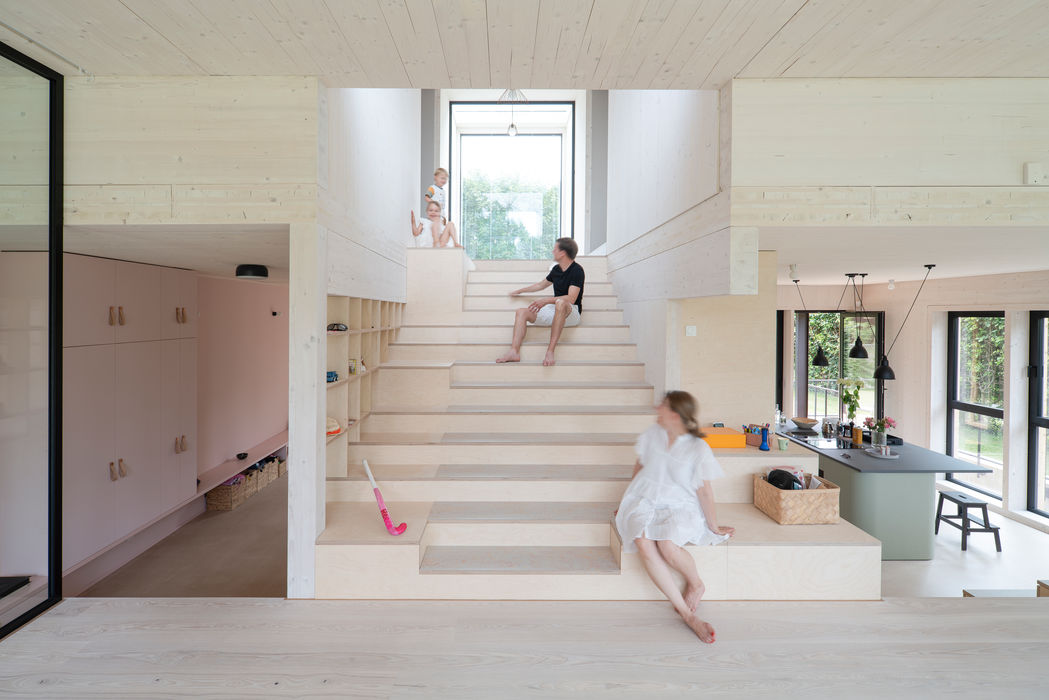
Wood Takes Center Stage
The courage and openness of all involved created something truly extraordinary.
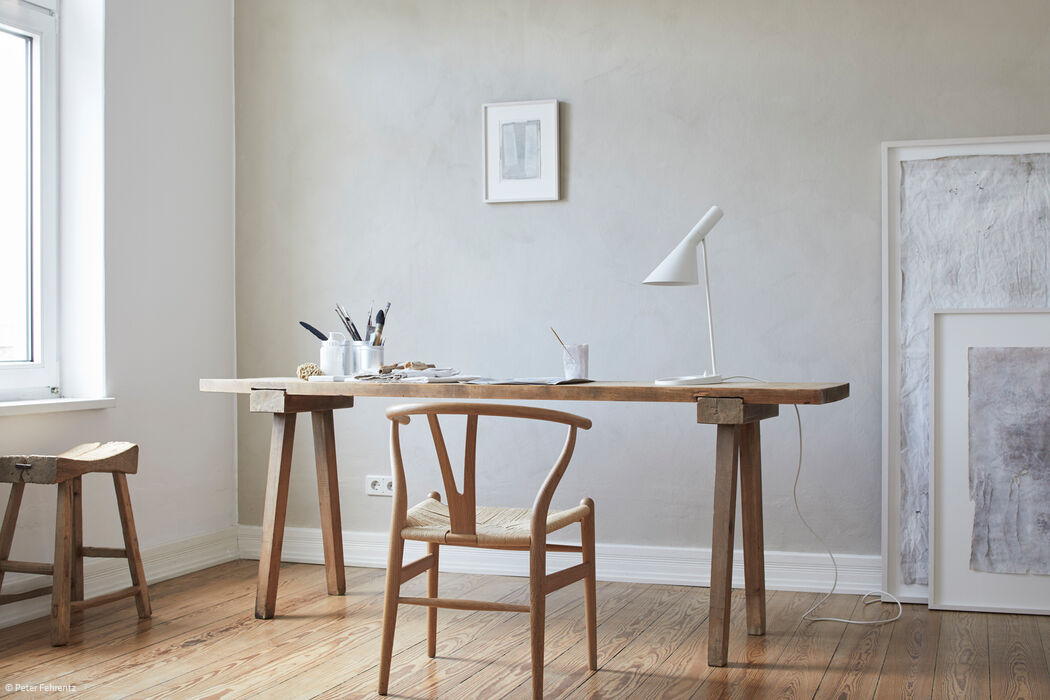
Inspired by Nature
Soft matte walls in eco-certified clay paint—14 sophisticated colours
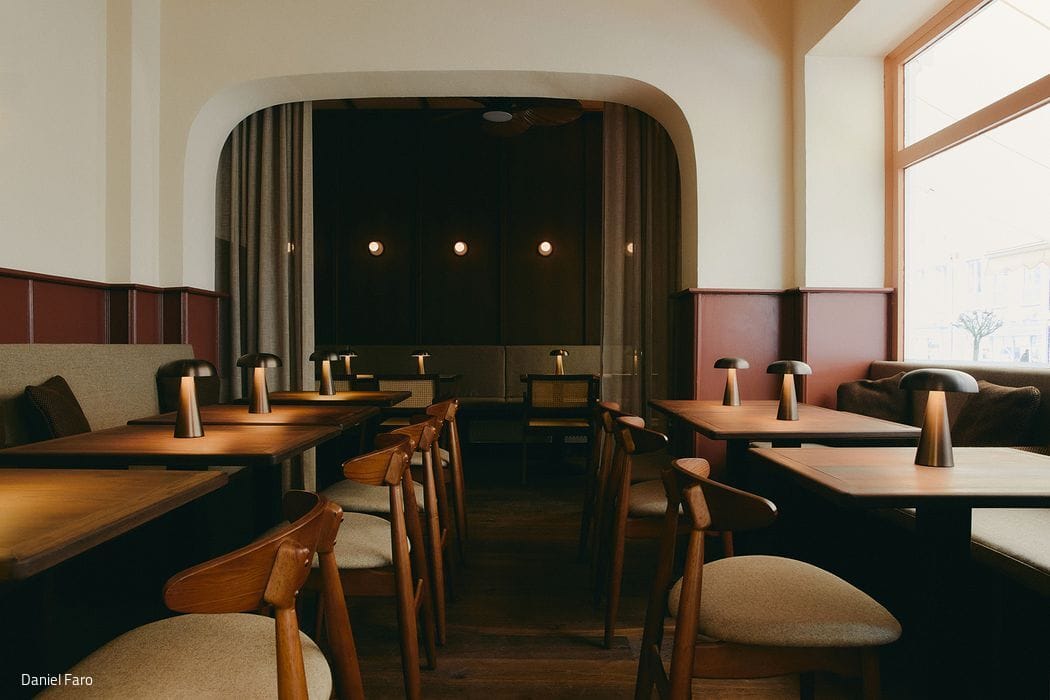
Authentic Indian Cuisine
The restaurant's Winterhude location draws its warmth and character from Indian colour and culture.

What Color Is Water?
Finding Balance: Variety and Repetition in Jenfelder Au