


Architecture as Intermediary
A new home settles into the landscape and reshapes the place
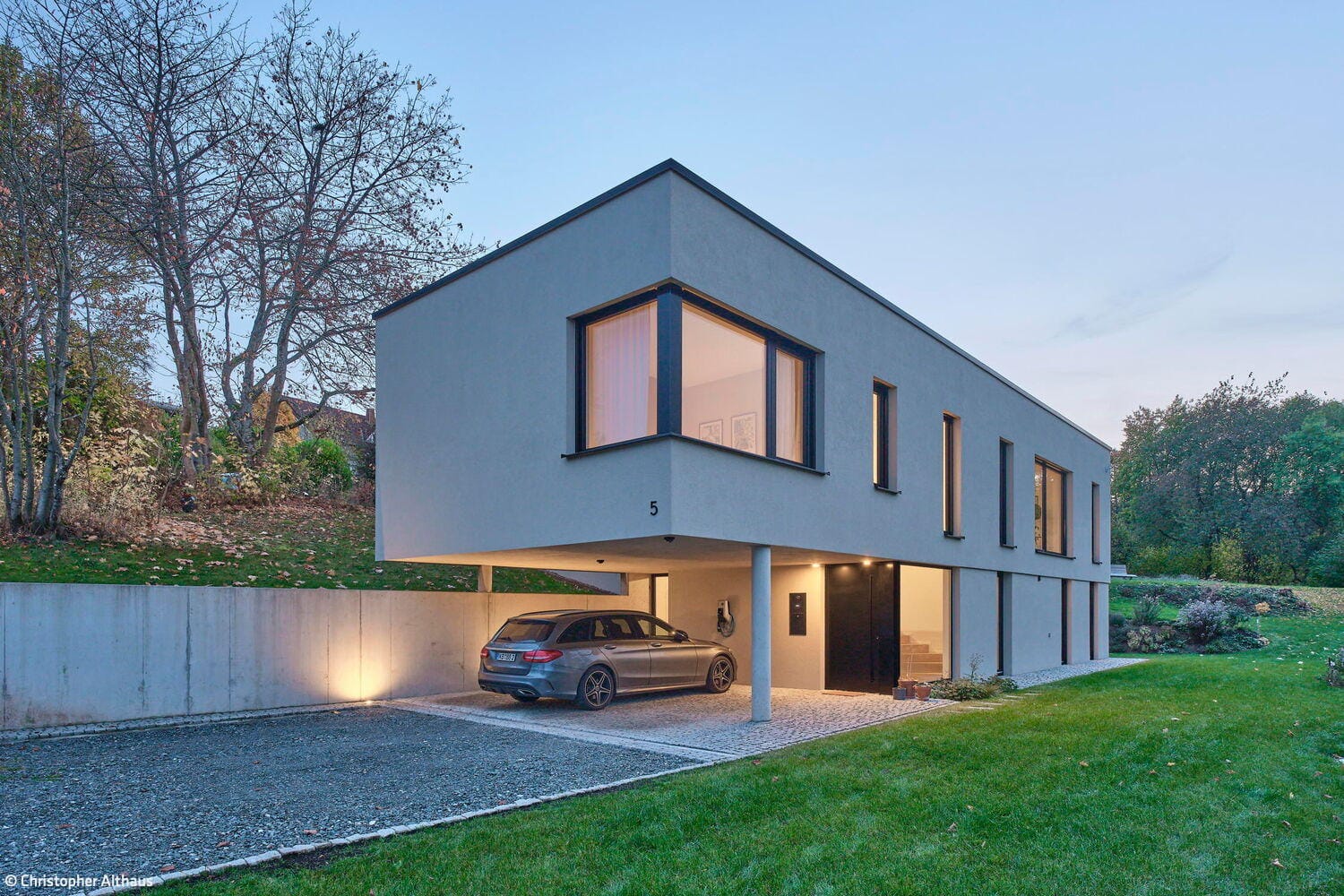
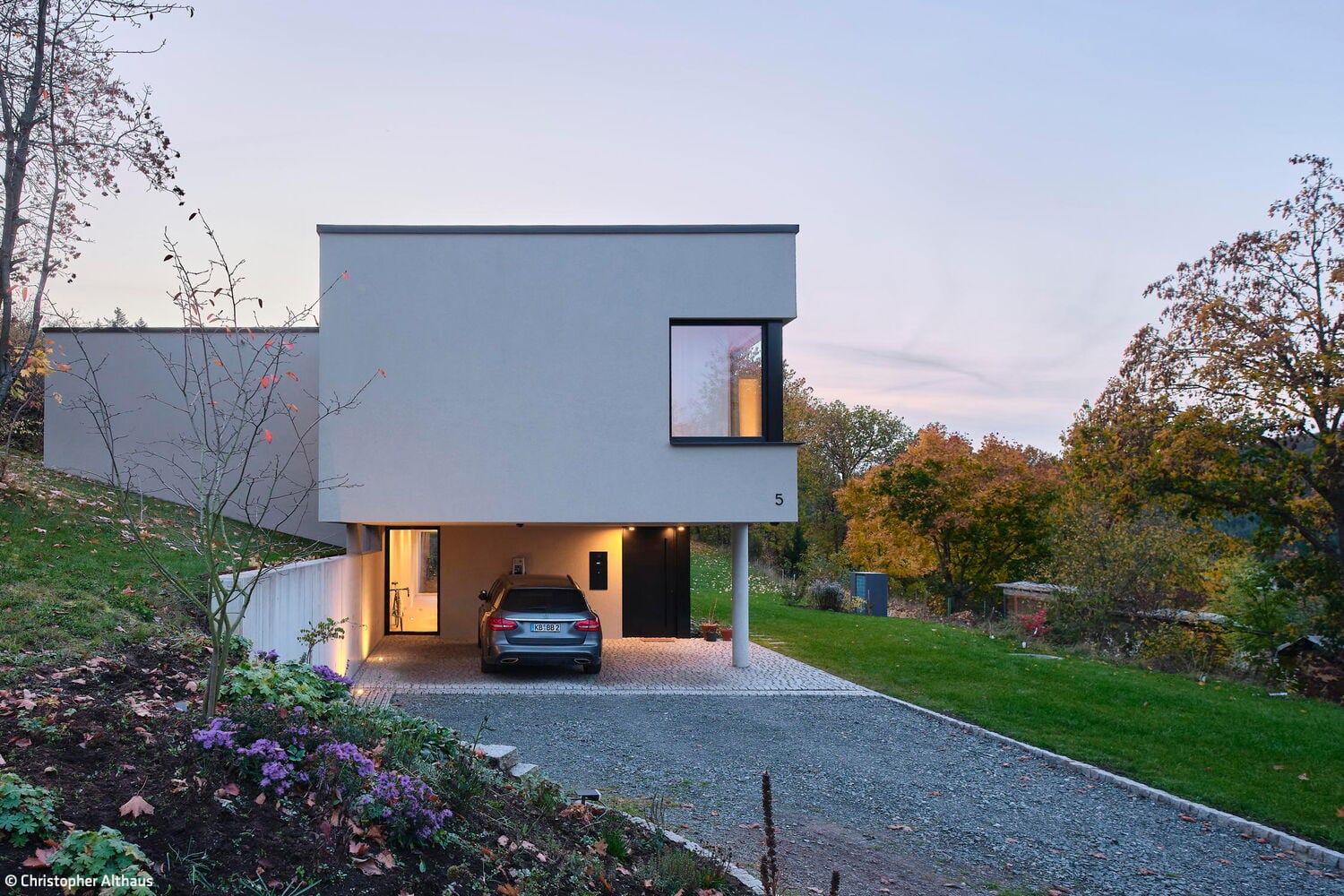
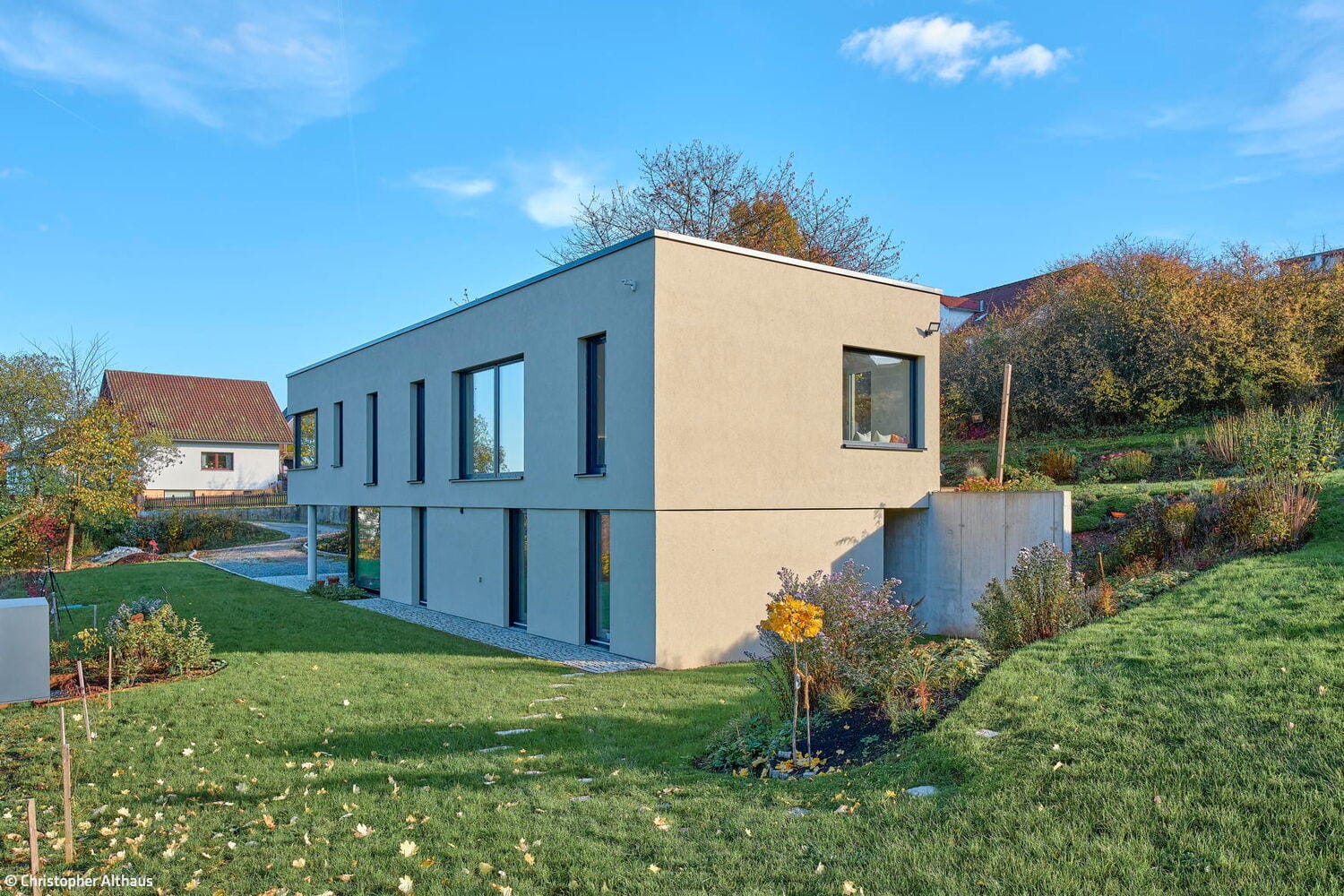
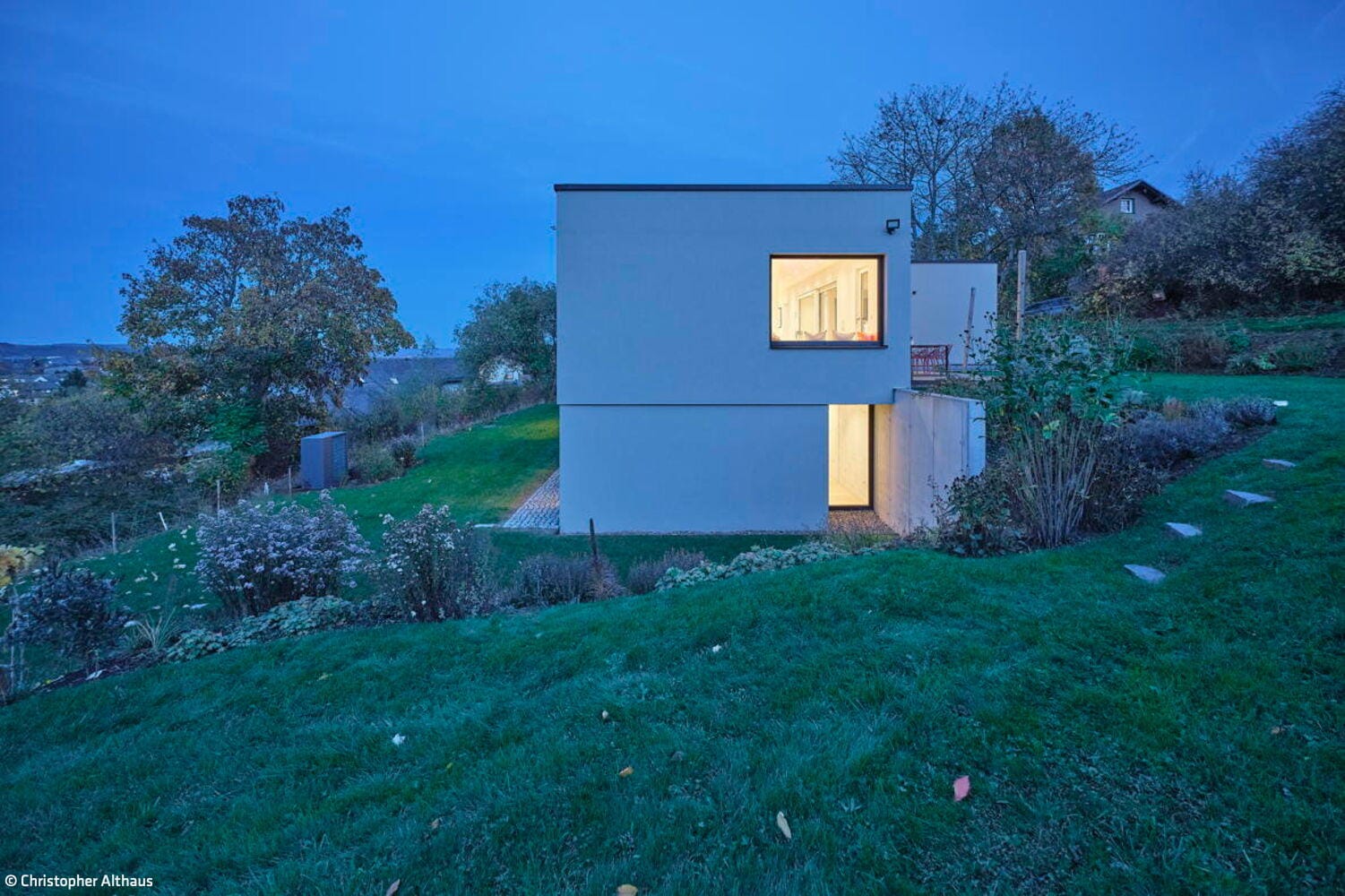
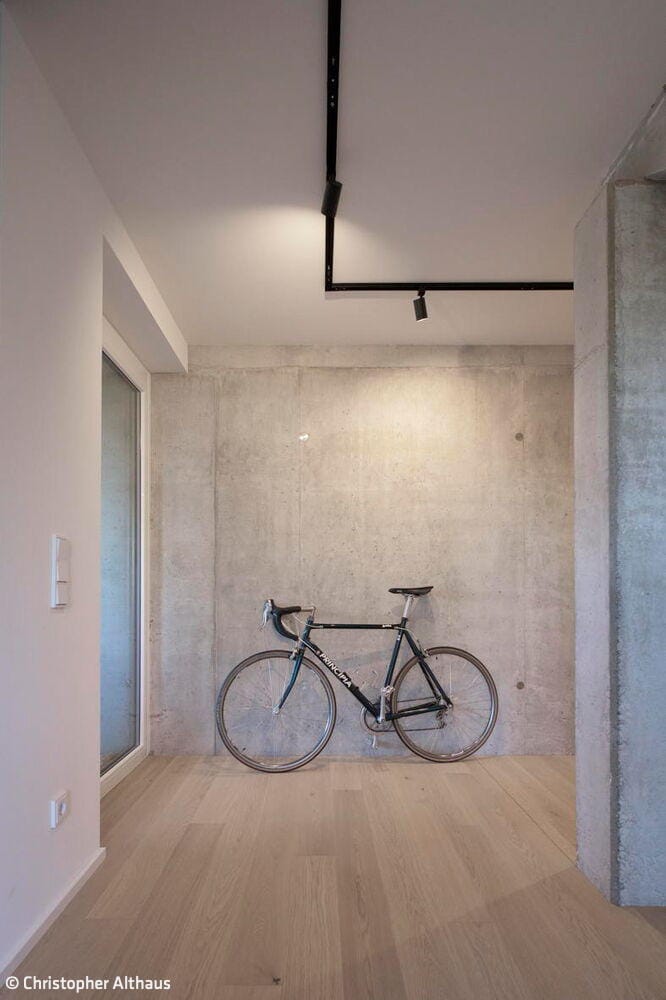
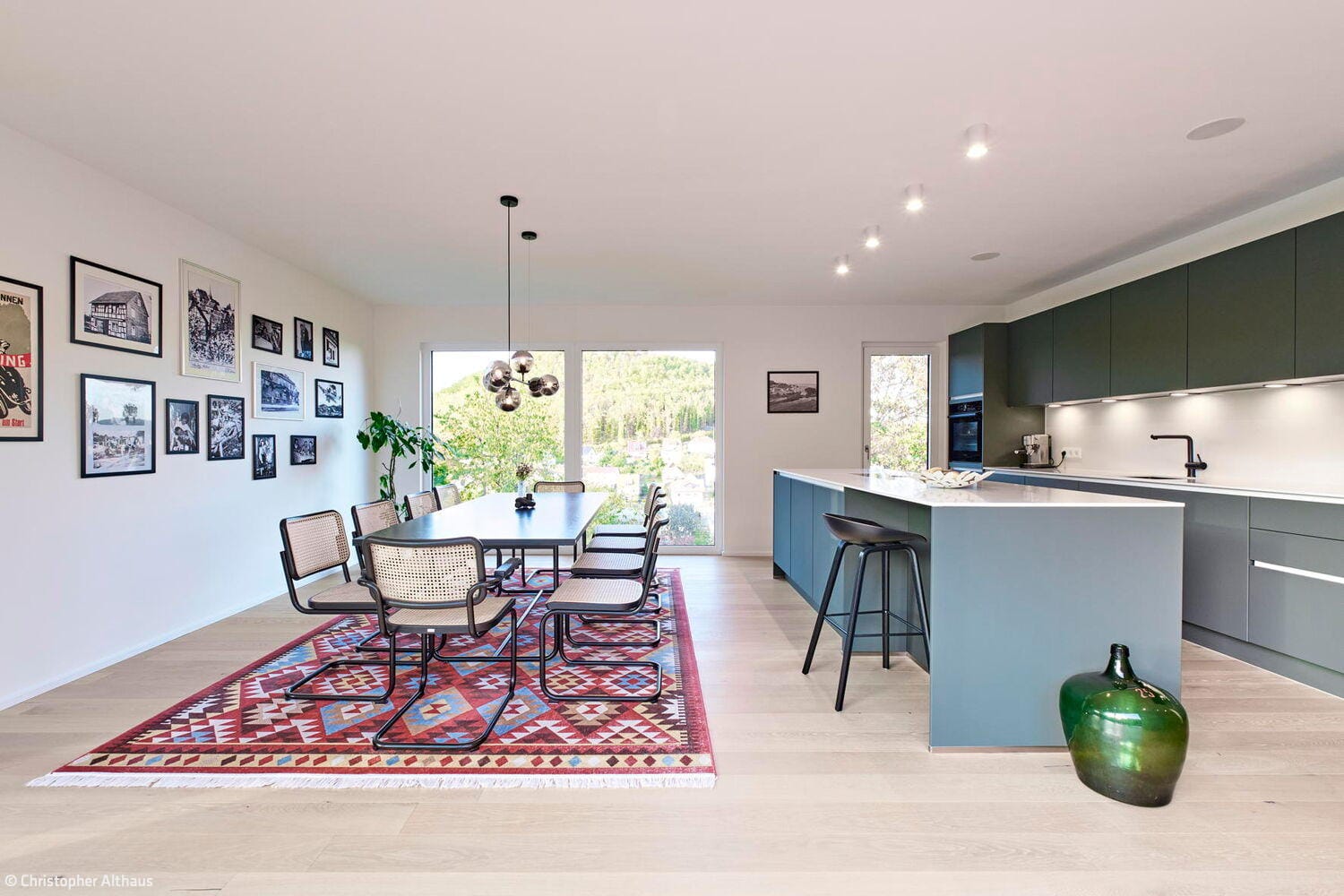
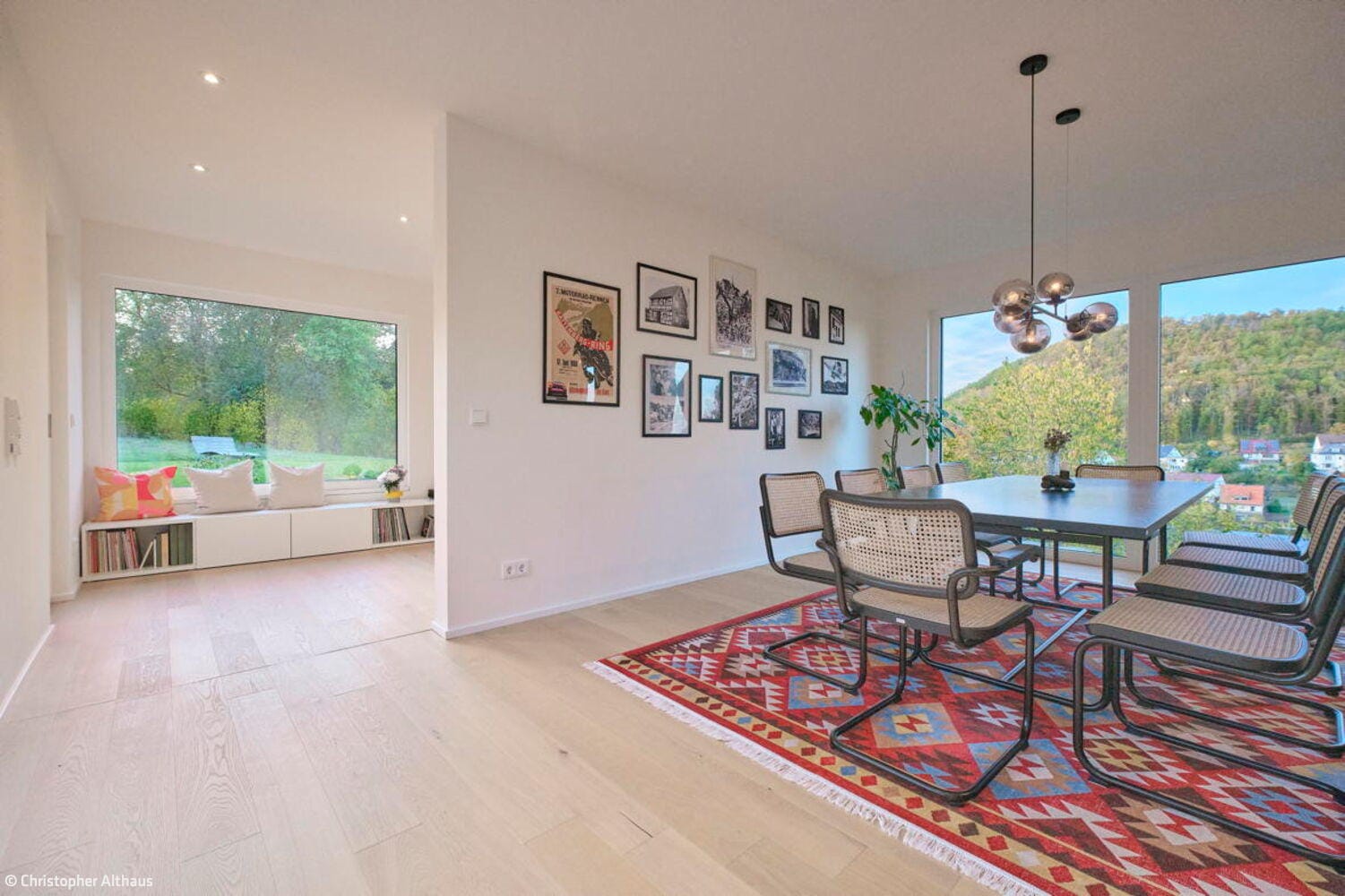
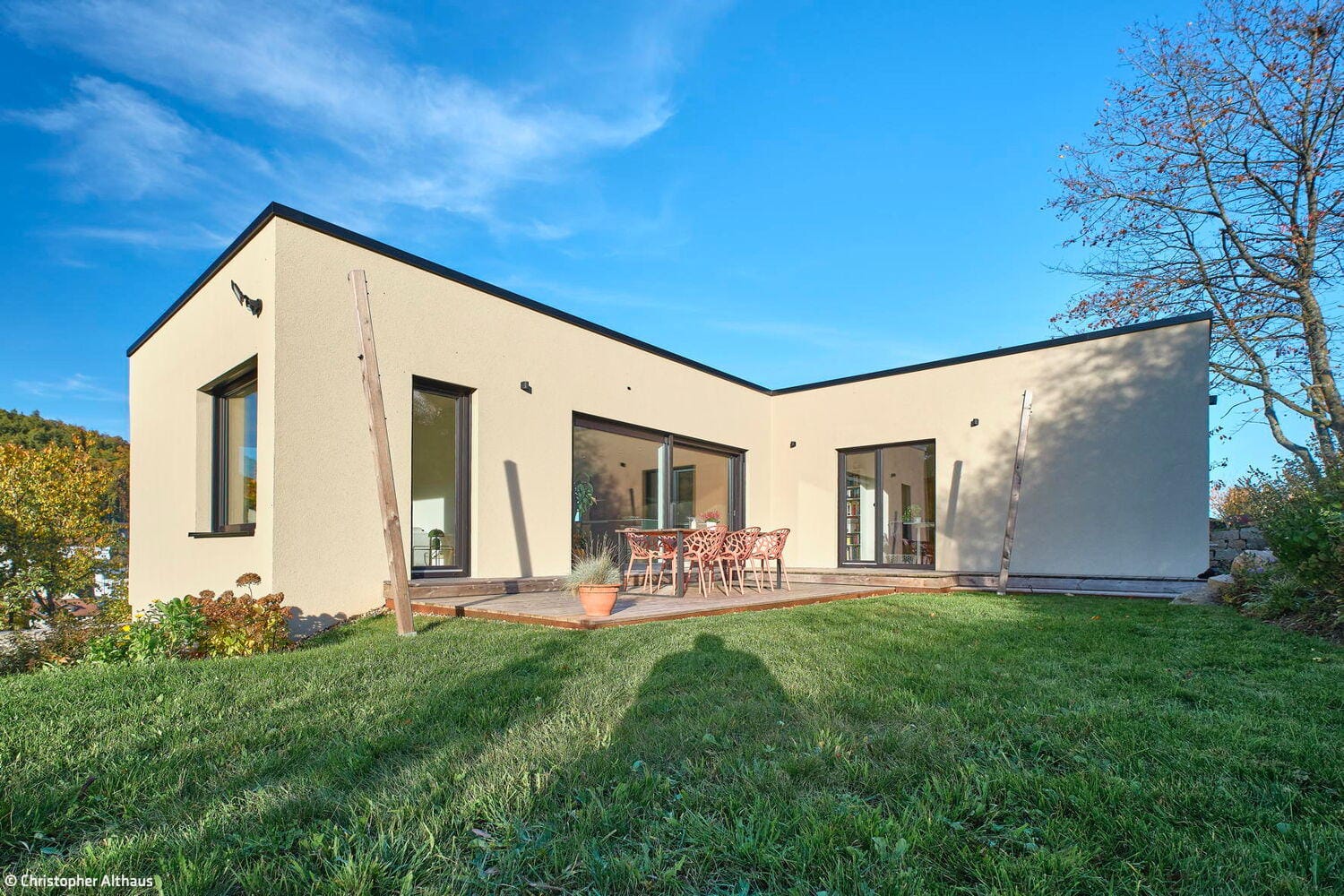
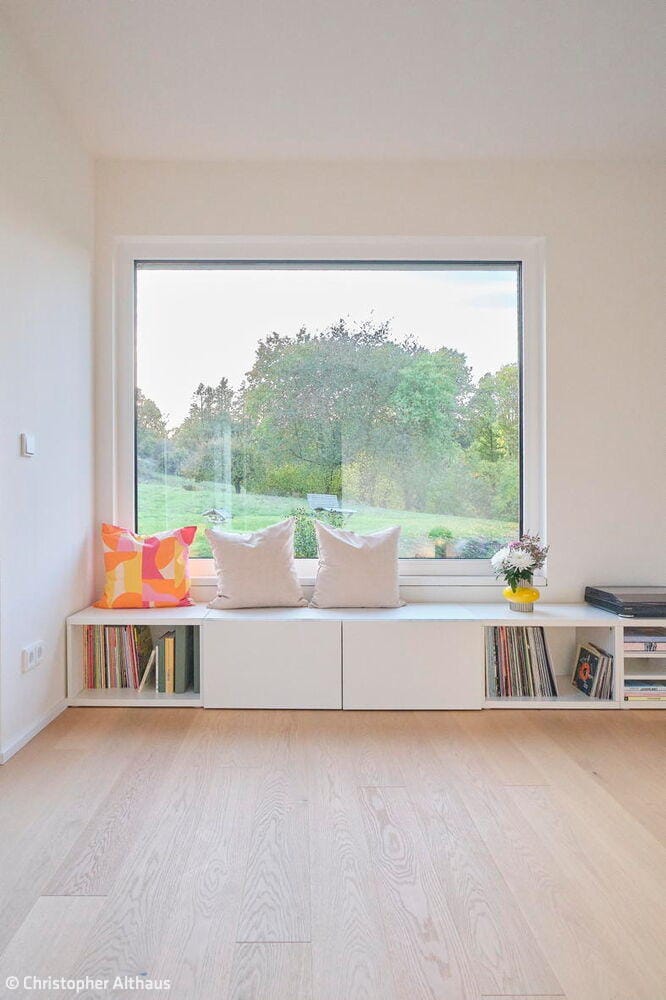
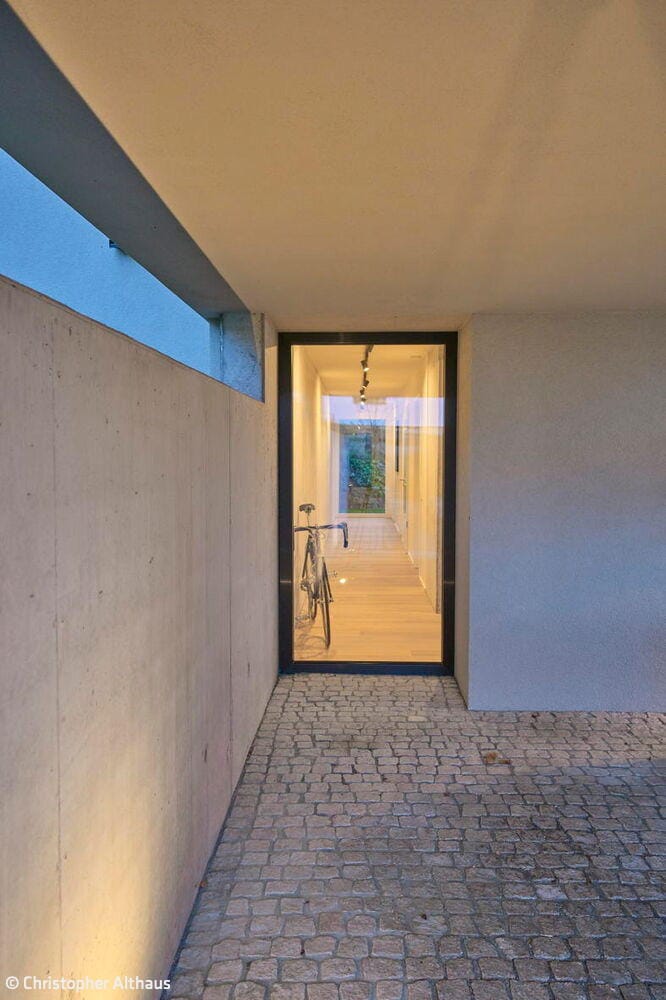
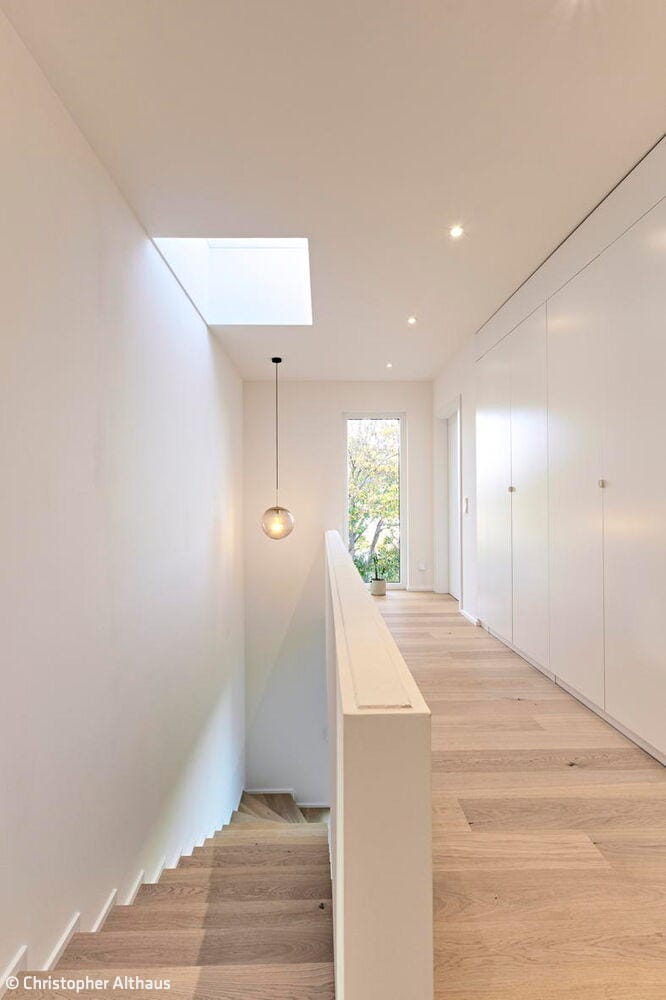
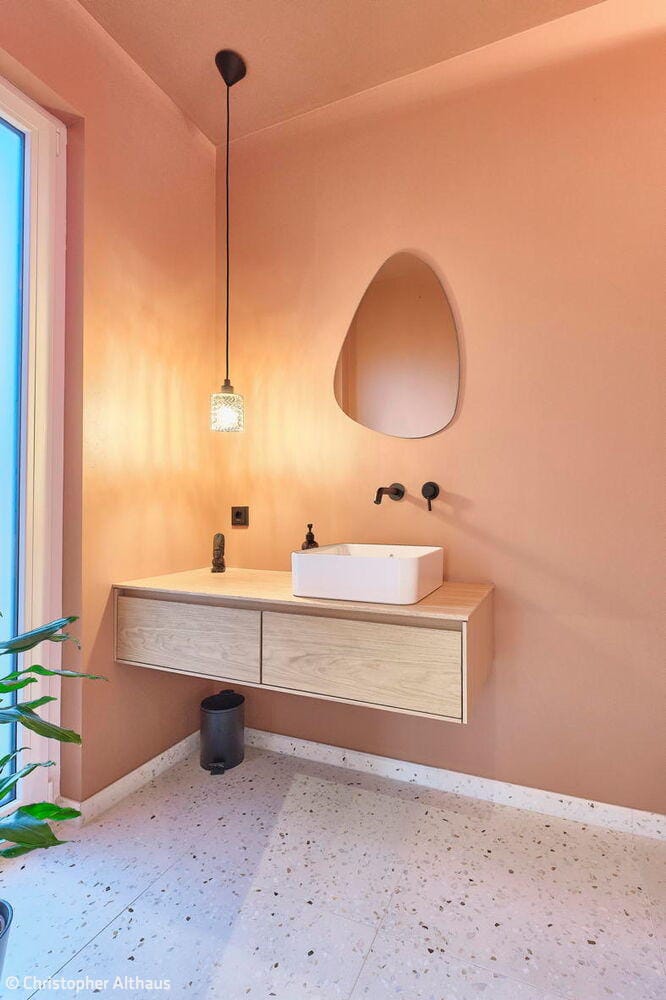
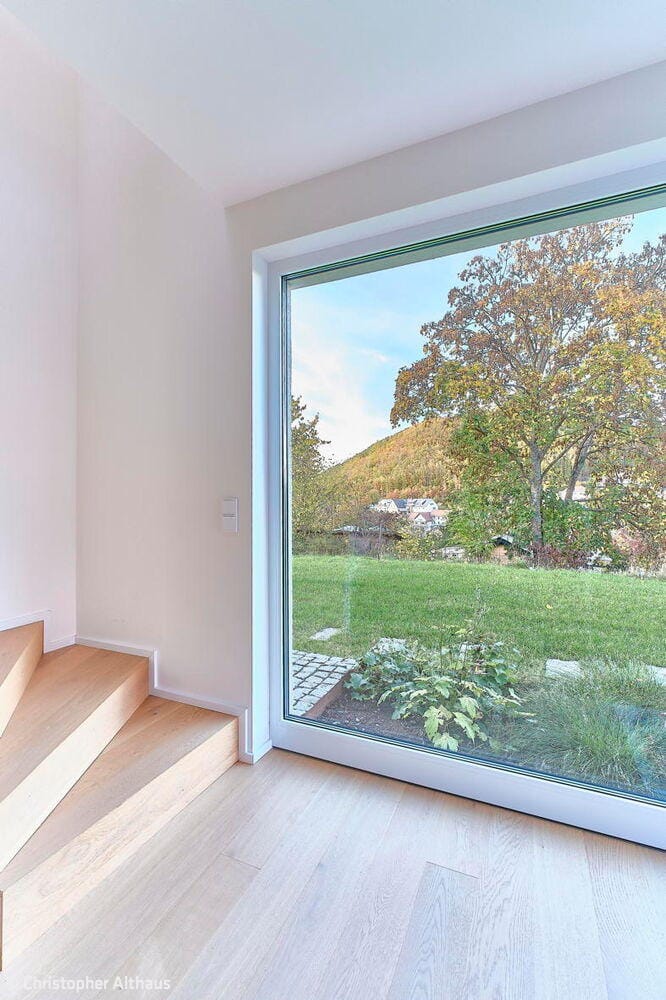
A house that speaks the language of the landscape. This guiding principle shaped Althaus Architects' vision for a single-family home that seamlessly merges minimalism, clarity, and ecological responsibility. Set at the edge of a 2,400 m² sloping site, the building finds itself at the convergence of light, topography, and vista—a dynamic spatial composition that defines its very essence.
The clients envisioned a modern, custom-built home stripped to essentials—one with clear formal language, efficient spatial planning, and a minimal ecological footprint. They wanted rooms that felt generous yet proportionate, using a restrained palette of materials that balance visual and tactile presence. Timber construction was central to the concept from day one: an ecological conviction reinforced by practical advantages like prefabrication, rapid assembly, and sustainable structure. The design responds intelligently to the site's topography, working with the natural slope to nestle the house into the landscape with minimal earthwork. A substantial retaining wall defines the new site topology and anchors the timber superstructure, maintaining consistent materiality inside and out—a powerful gesture unifying landscape and architecture.
The entrance shelters beneath the cantilevered upper level, which doubles as carport and canopy—an inviting gesture where form and function merge, guiding residents dryly into their home. Inside, a load-bearing wall traces through the ground floor as a space-defining spine. It roots the house to the slope and exposes the structural logic beneath. The central hallway flows toward the children's bedrooms, where views and daylight reign. The stairwell, by contrast, draws inward deliberately: framing the external vista while creating a contemplative pause between levels. Upstairs, living unfolds as a light-saturated sequence: rooms that flow through one another, sightlines opening in both directions, perpetually in conversation with the surrounding landscape. The building's clear geometry yields two distinct worlds: north toward the valley's expanse, south toward light and the courtyard. At the dining table, the gaze settles on distant hills; in the living room, a window seat opens onto the meadow—distinct moods, unified space.
The material strategy plays with balanced contrasts: neutral surfaces against tactile warmth, restraint against presence. Personal touches emerge throughout—a grandmother's lamps, a dining wall carrying generations of family photographs—subtle declarations of the inhabitants' character. Technically, the house is uncompromising: an air-source heat pump, extensive photovoltaic array, and intelligent controls form a calibrated energy ecosystem with minimal demand. Timber frame construction with wood fiber insulation delivers exceptional energy performance and negligible environmental impact—efficiency rating A+.
Photography:
Christopher Althaus
(Published in CUBE Frankfurt 04|25)

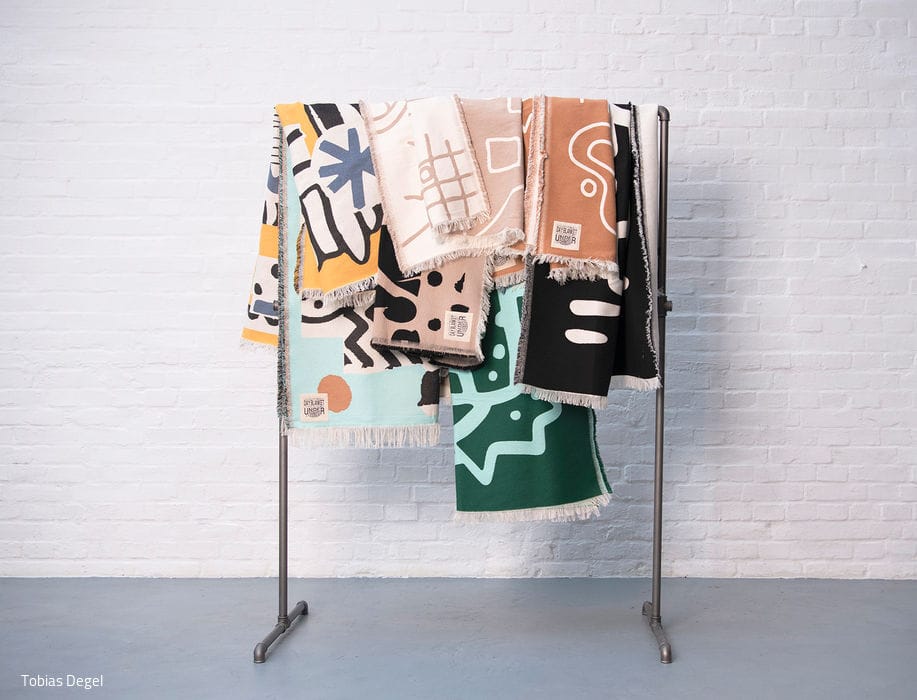
Sustainable and Colorful
Wiesbaden graphic designer Tobias Degel explores diverse formats and applications
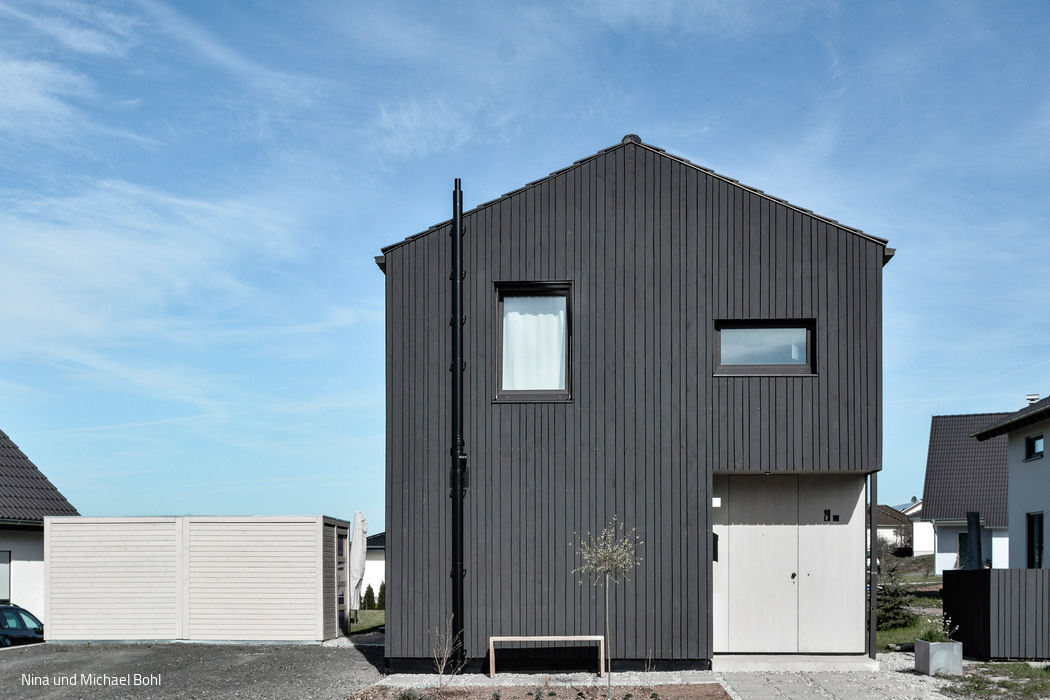
Embedded Differently
A single-family home that distinguishes itself while staying rooted in its context

History Continued
Heritage-Conscious Design: Contemporary Living in Historic Walls
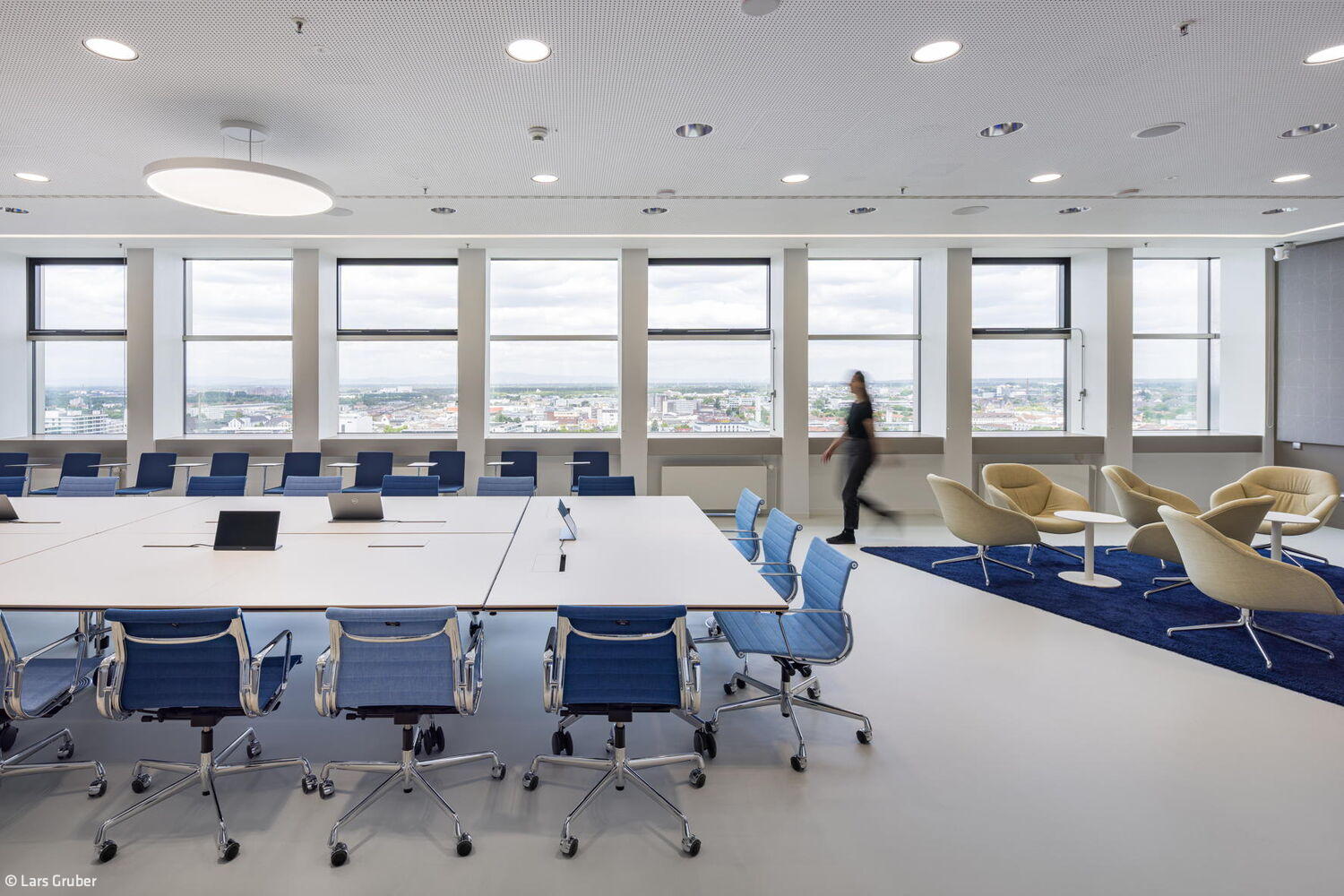
Clear Words & Expansive Vision
A University Senate Hall That Strengthens Identity and Dialogue