


A tribute to the dawn of post-war architecture
Revitalizing a 1950s administrative building: conversion and expansion into a sustainable mixed-use ensemble
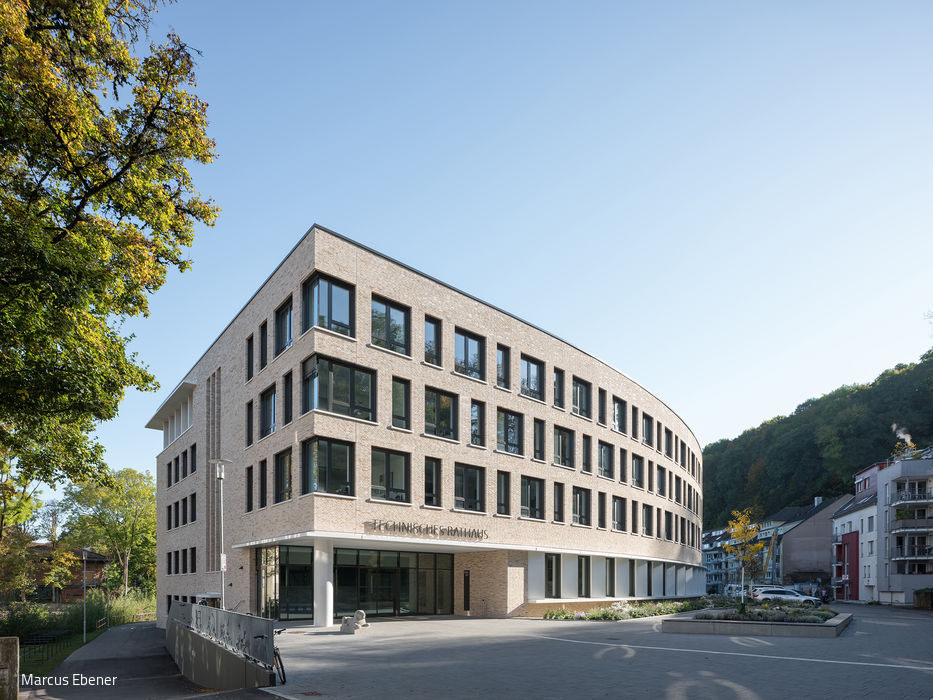
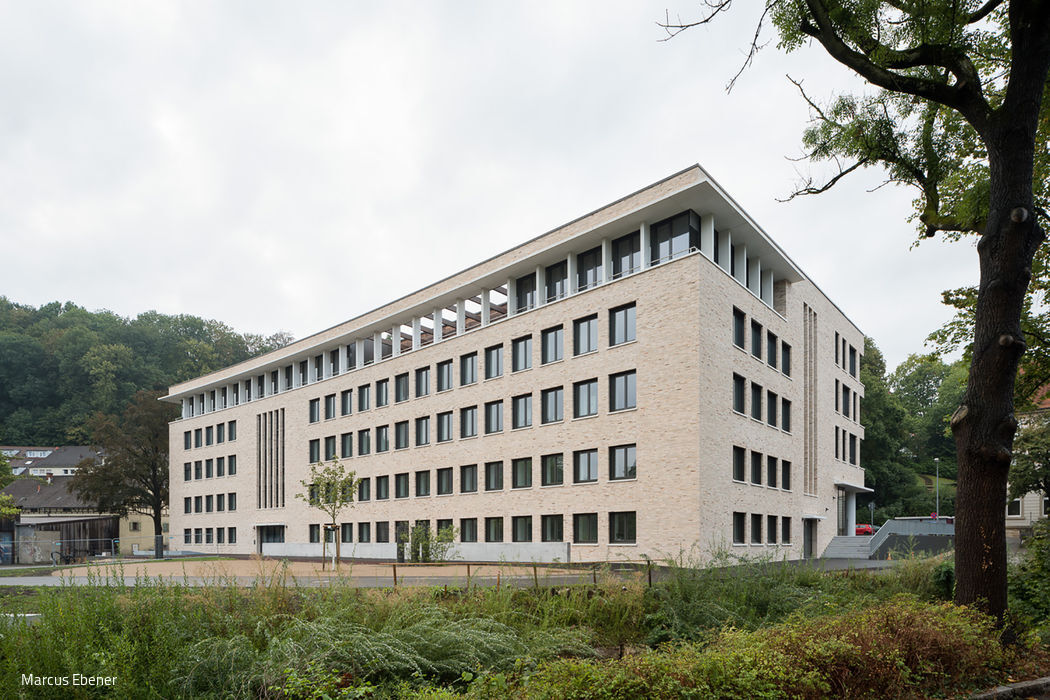
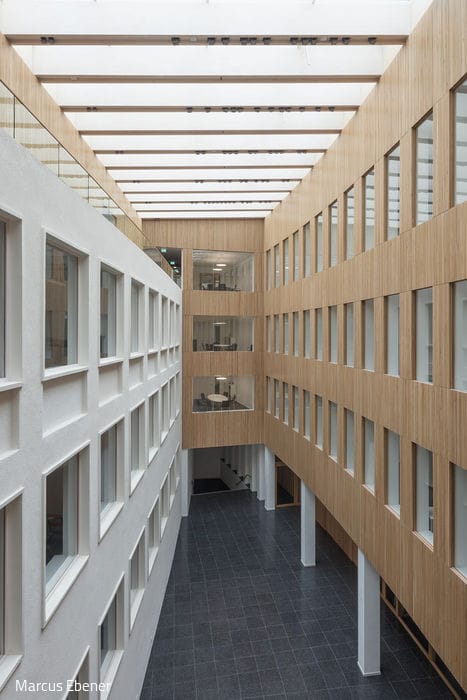
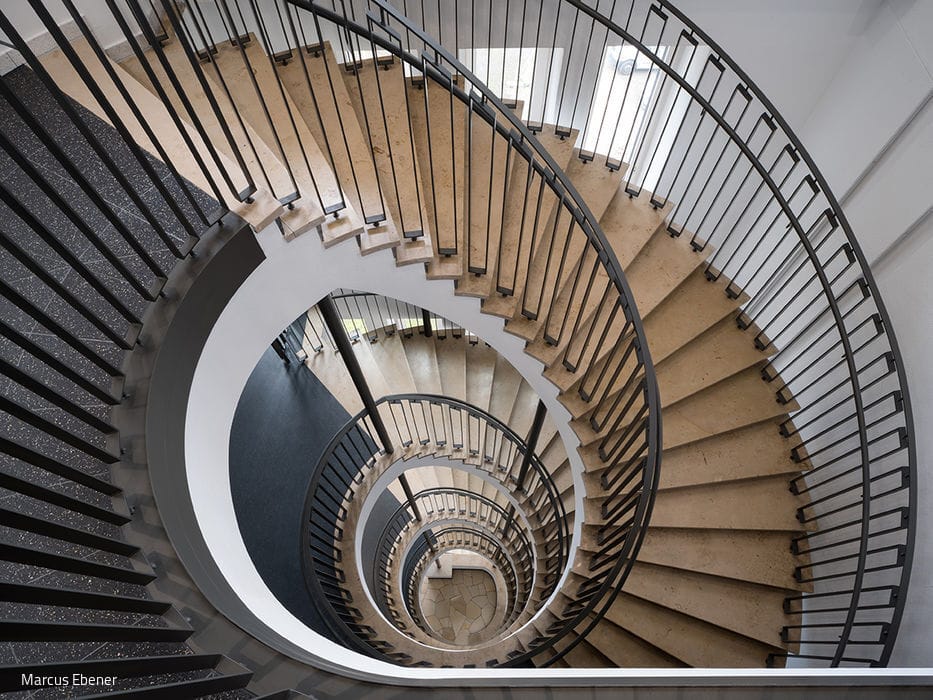
This project honors post-war architecture's elegant simplicity: straightforward construction principles paired with restrained material use. Yet a+r Architects have masterfully brought the Technical Town Hall into the present, creating an open, accessible civic building that champions resource efficiency. The new structure faces south, its curve mirroring the street's flow as it welcomes the city center. A luminous atrium—the ensemble's beating heart—seamlessly unites old and new, anchored by the original 1954 façade. The compact new building freed up valuable space to the rear, now transformed into a public riverside garden that enriches the urban experience and invites people to linger.
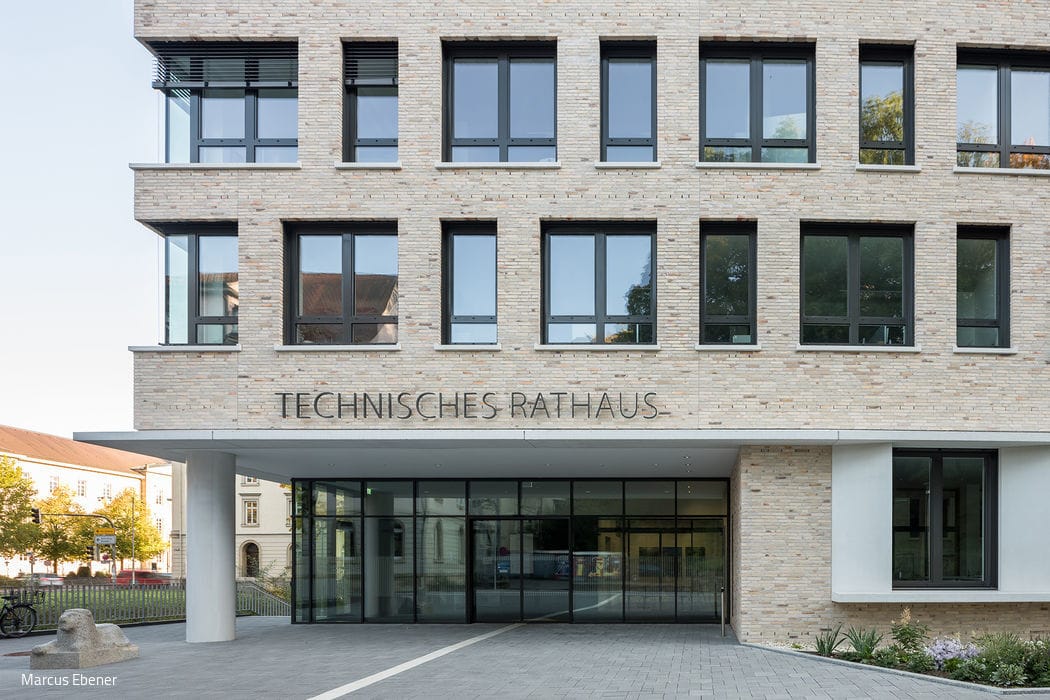
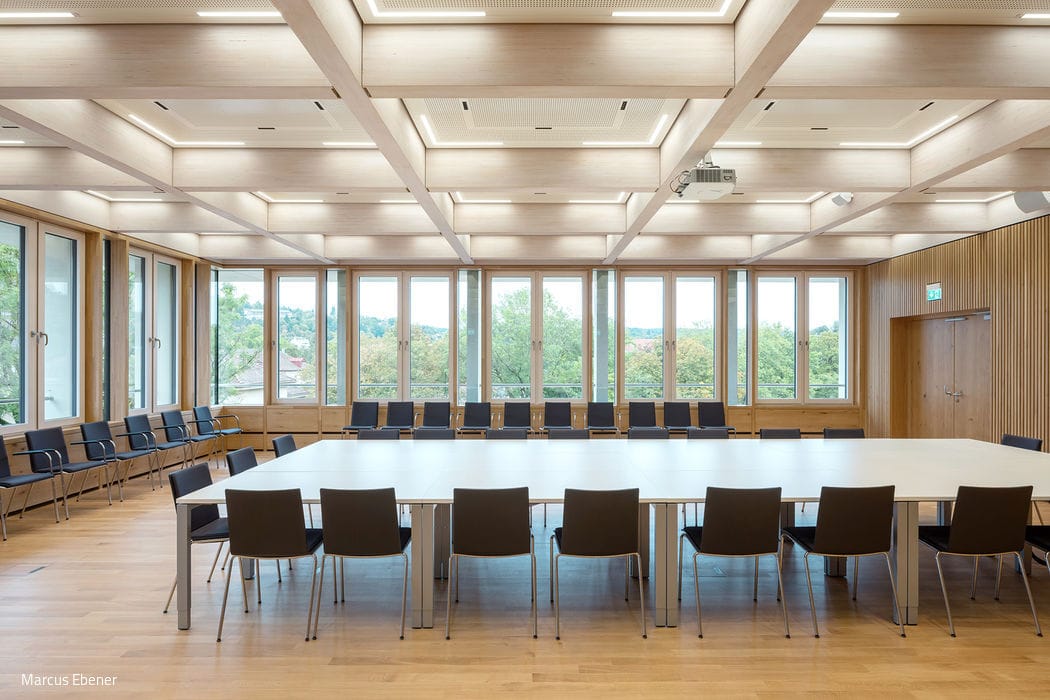
The project created 220 new workplaces centered on fostering dialogue—both among staff and with the public. Strategic sightlines between offices enable this collaborative vision, while generous, inviting windows signal architectural transparency. The design includes flexible combination and open-plan offices that integrate circulation into the workspace itself. Each floor features kitchenettes, and a cafeteria sits atop the historic building in light timber construction, connected via a roof terrace to the main conference hall. With its own separate entrance, this area readily accommodates public events. At street level, a striking new entrance welcomes visitors into a generous foyer with integrated services, leading to the central atrium.
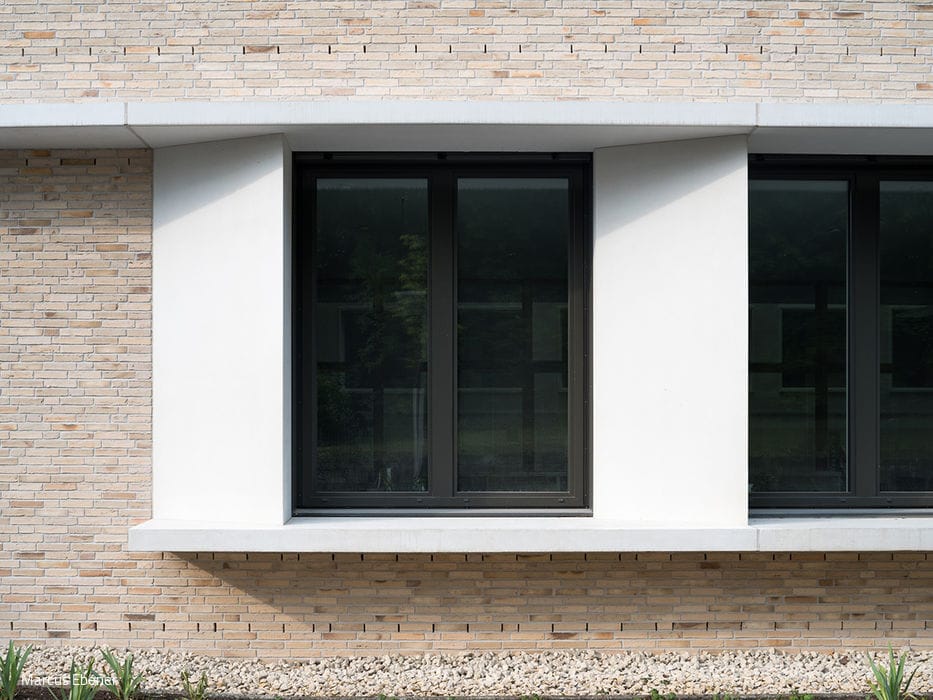
For planners in the "green" city of Tübingen, sustainability was paramount—and it lies at the heart of a+r Architects' philosophy. By preserving the existing structure, they dramatically reduced embodied carbon from the outset. The building cluster's efficient surface-to-volume ratio yields further energy savings, while the highly insulated perforated façade—with roughly 50 percent glazing—excels at thermal control year-round, meeting passive house standards. Geothermal systems and solar panels supply renewable energy. The specification of recycled concrete, the minimal maintenance demands of durable brickwork, and highly adaptable floor plans round out a genuinely sustainable approach.
Photography Credits:
Marcus Ebener
www.marcus-ebener.de
(Published in CUBE Stuttgart 01|21)

Functional and Aesthetic
Redesigned city library creates identity-building space for communication and learning
Nothing More, Nothing Less
A Bespoke Home Built on Sufficiency
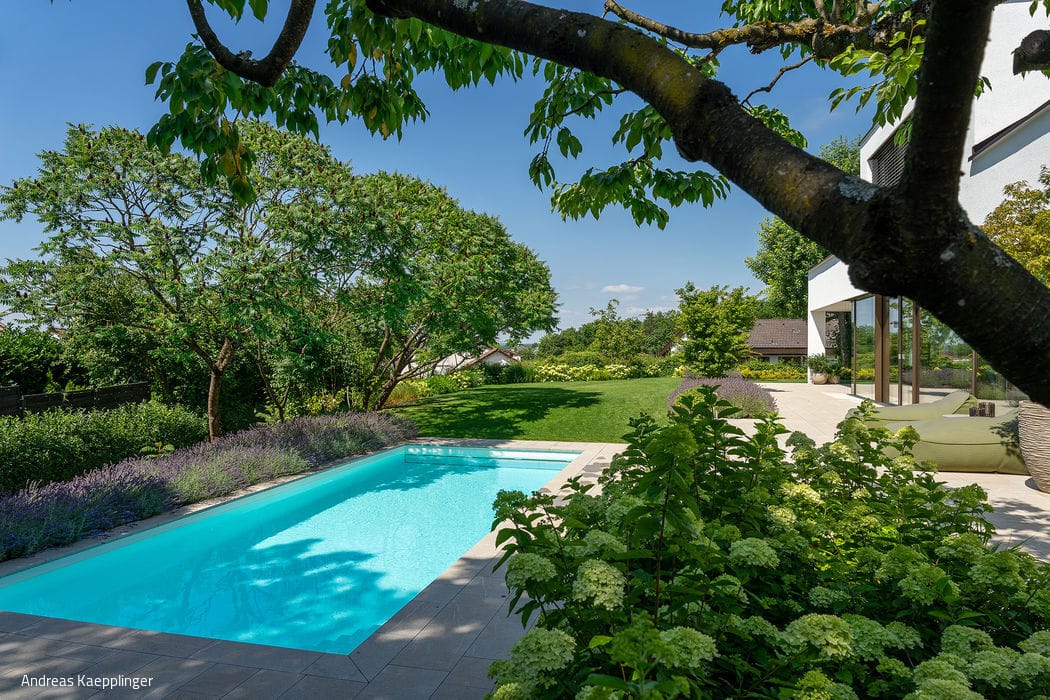
Swimming Beneath Ancient Trees
A Family Garden for Modern Living: Productive Planting, Play Spaces, and a Swimming Pool
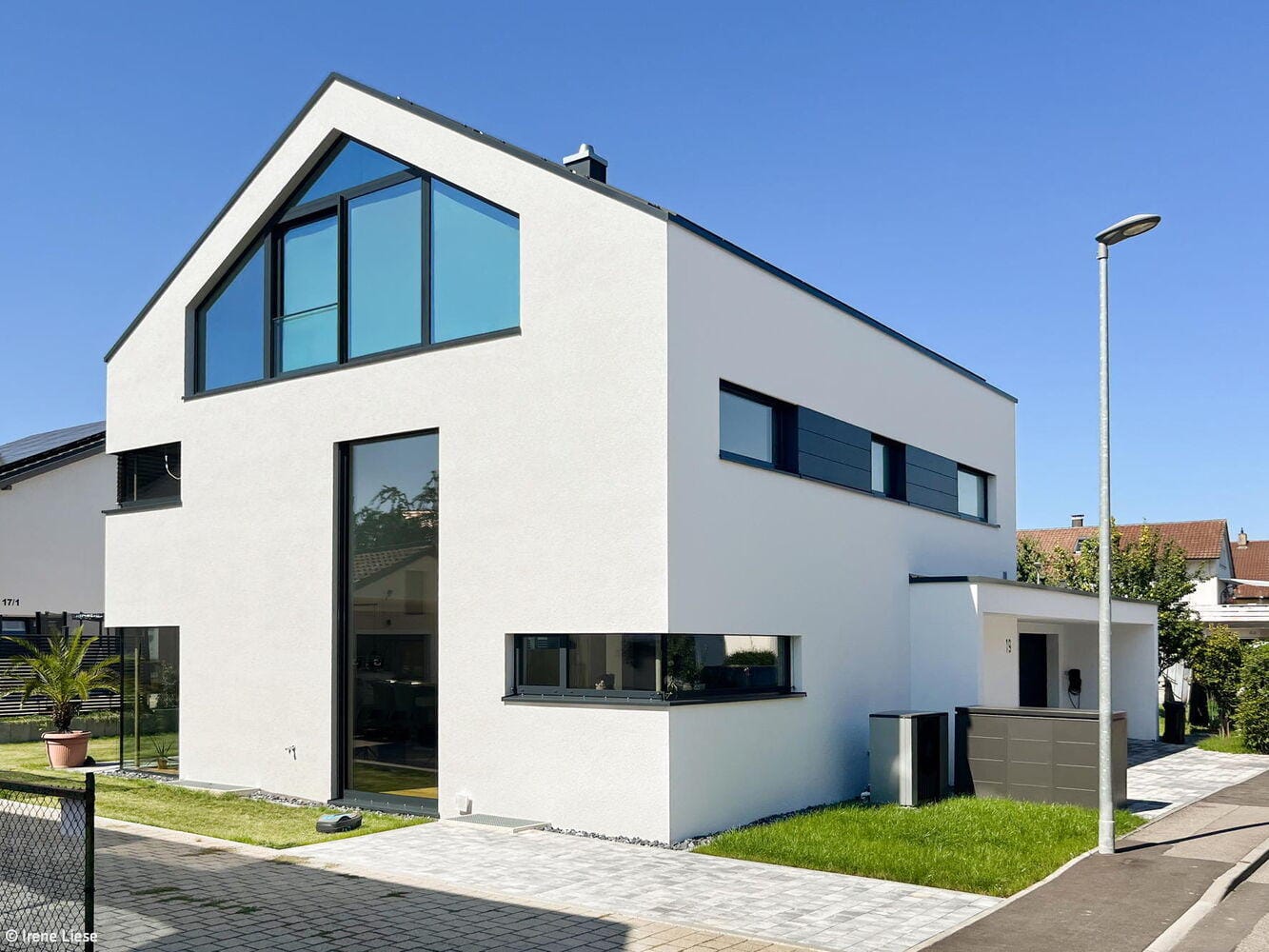
Radically Clear and Generous
A new-build offers both communal living and a separation of the generations by floor