


Historic Walls, New Radiance
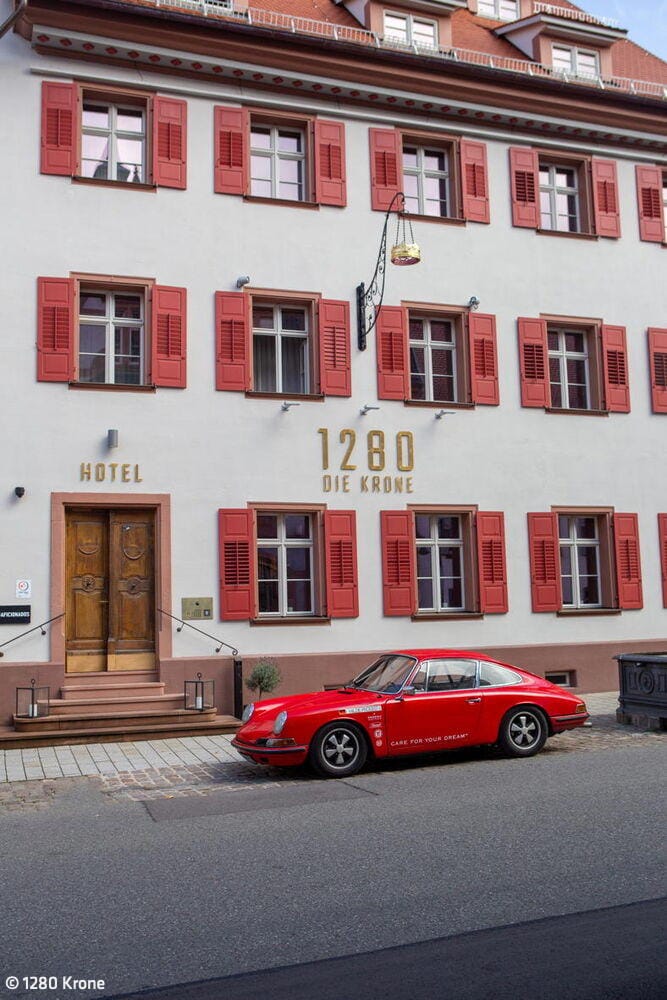
This distinctive boutique hotel traces its roots back to 1280 – a heritage reflected in its name: 1280 Die Krone.
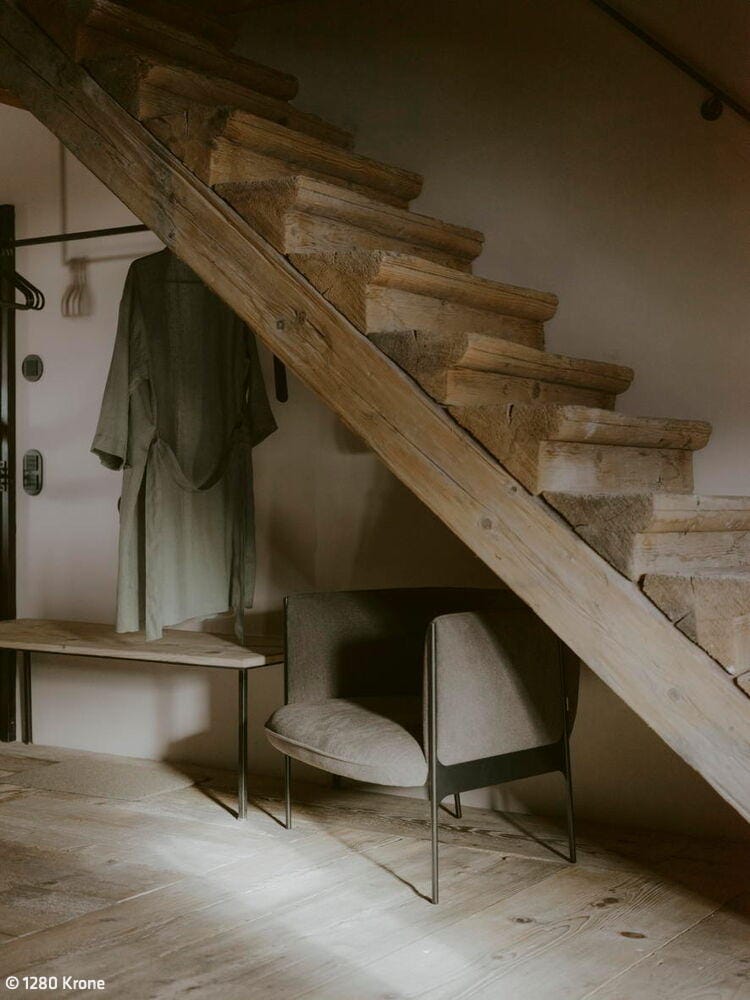
In Geisingen, nestled between the Black Forest, Lake Constance, and the Danube Valley, three historic structures and a contemporary wing converge to create an ensemble that celebrates its past with confidence – a haven for design enthusiasts and those who savor refined travel experiences.
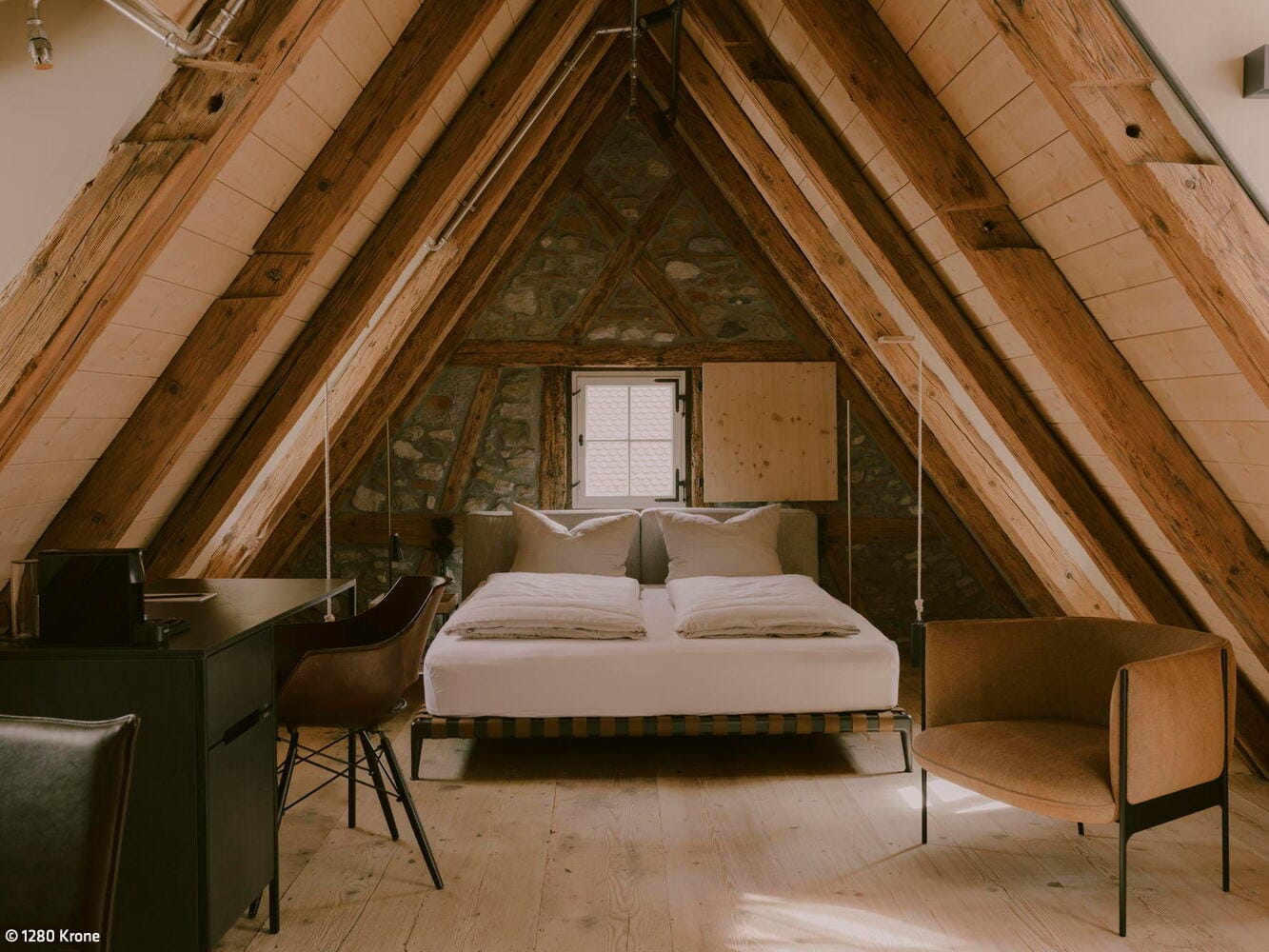
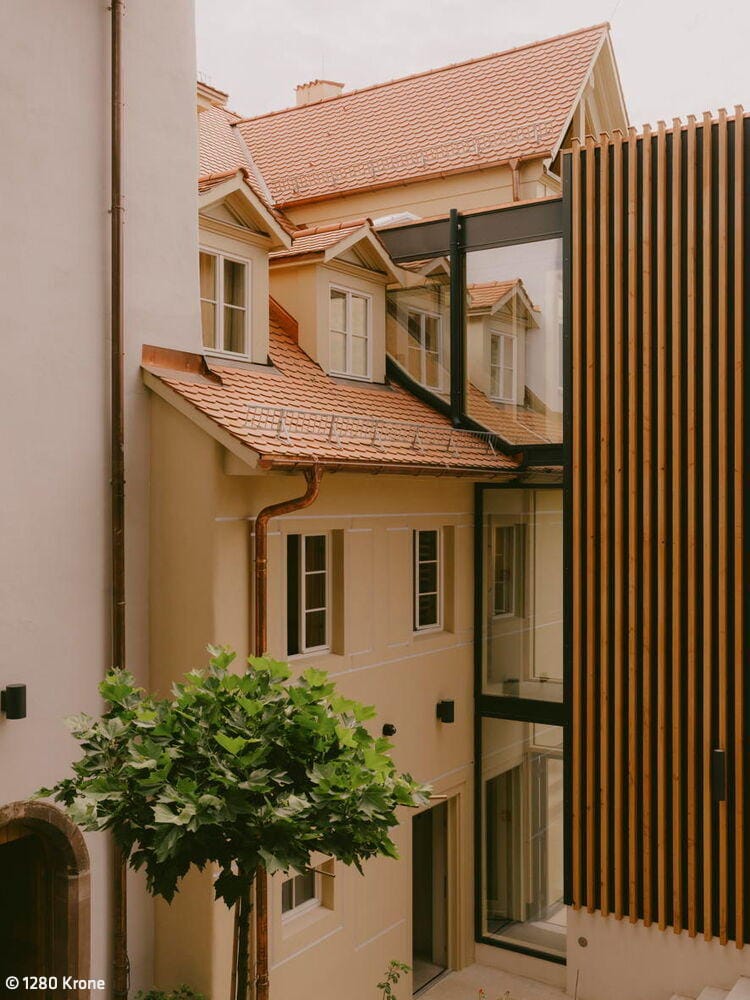
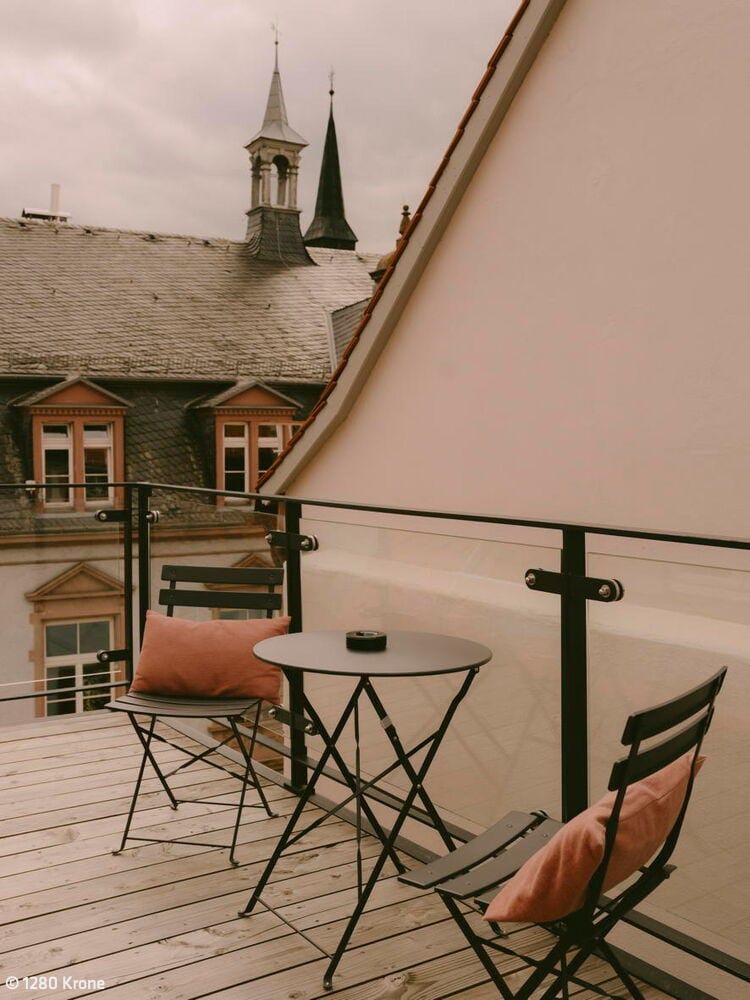
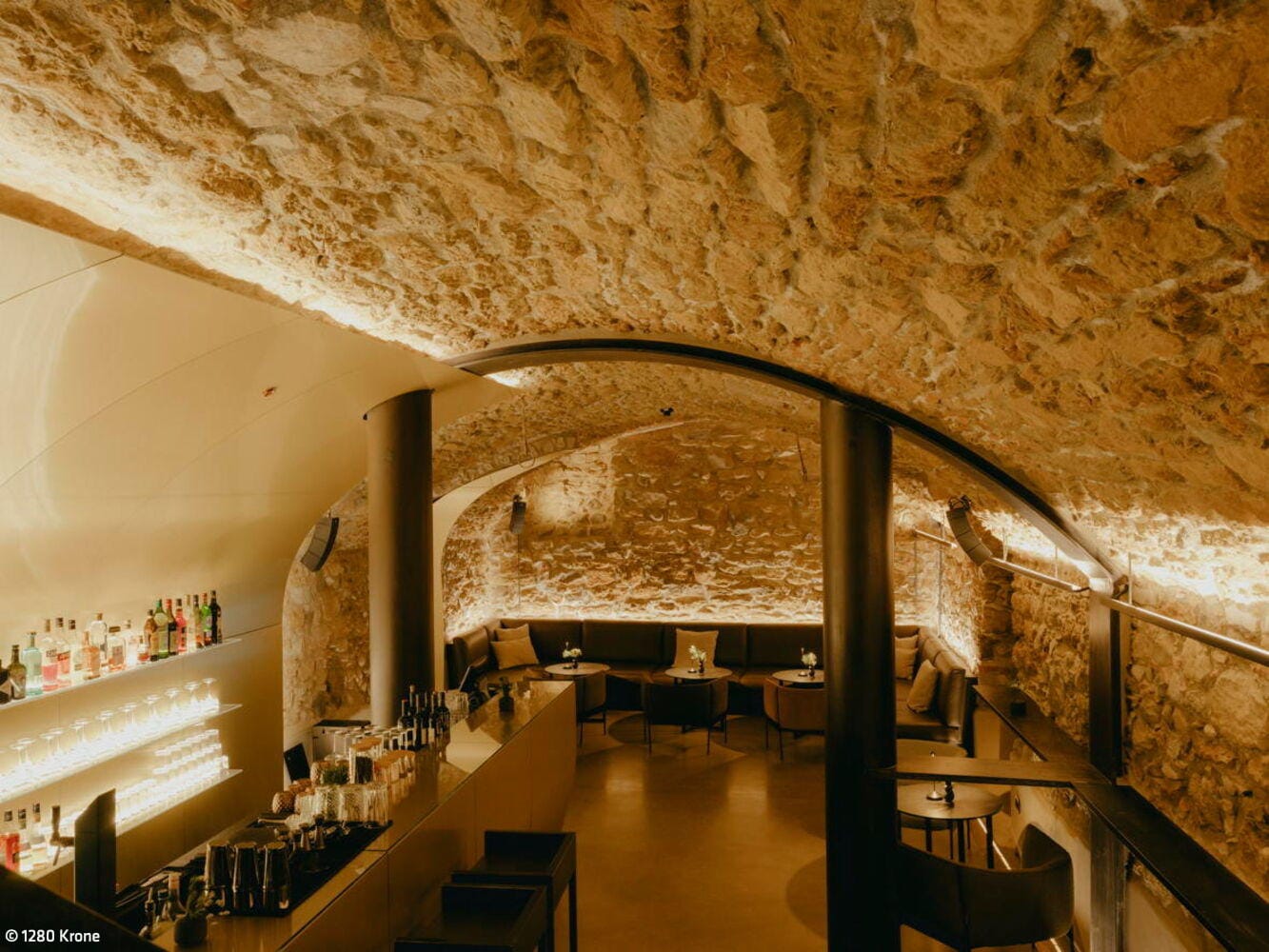
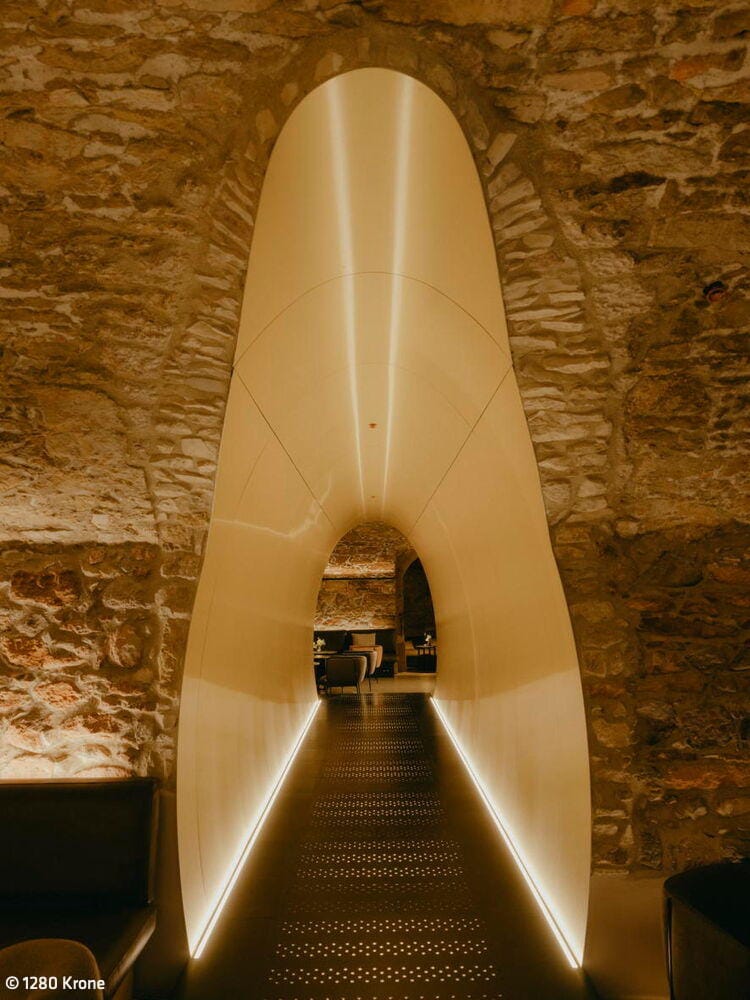
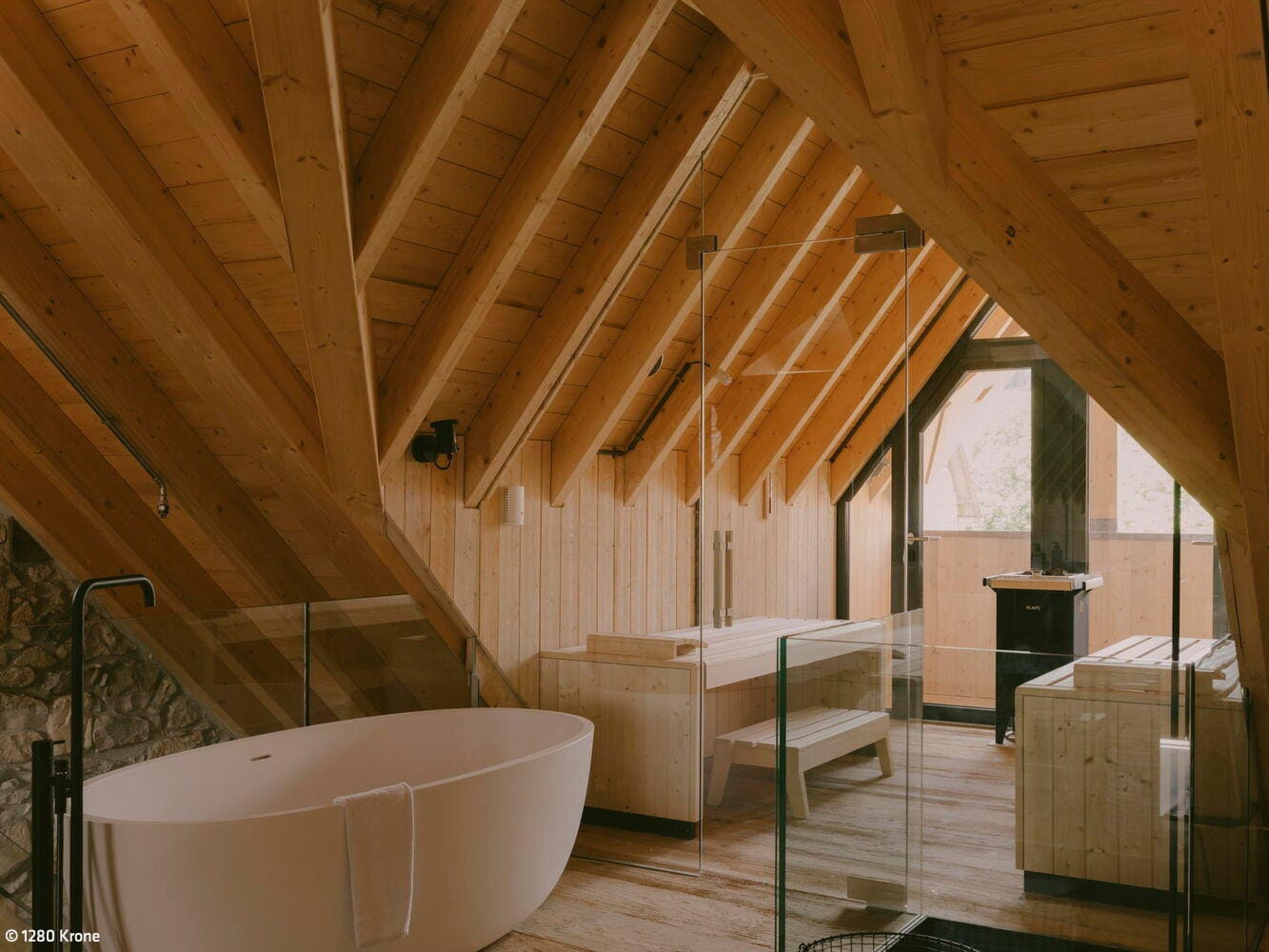
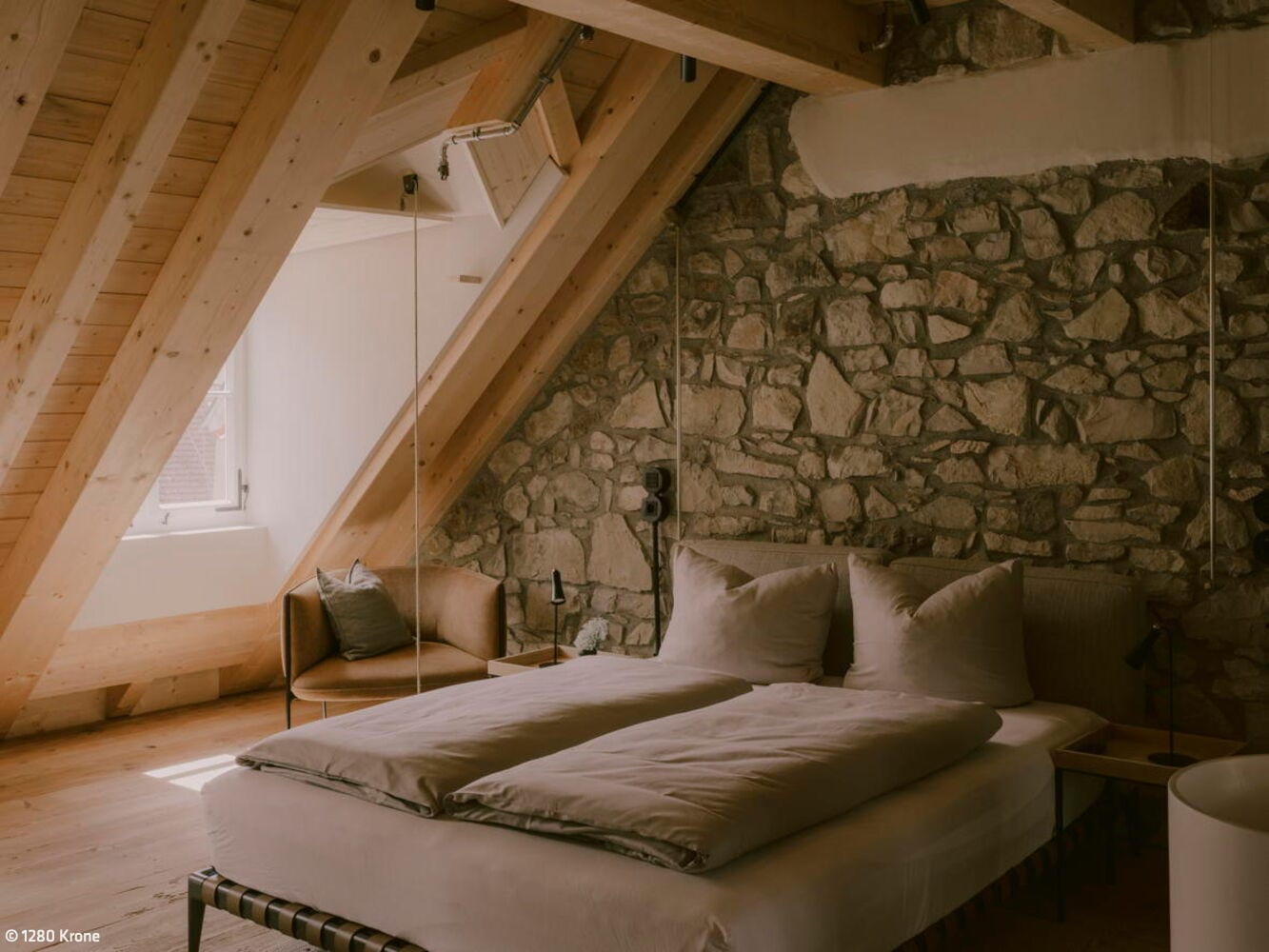
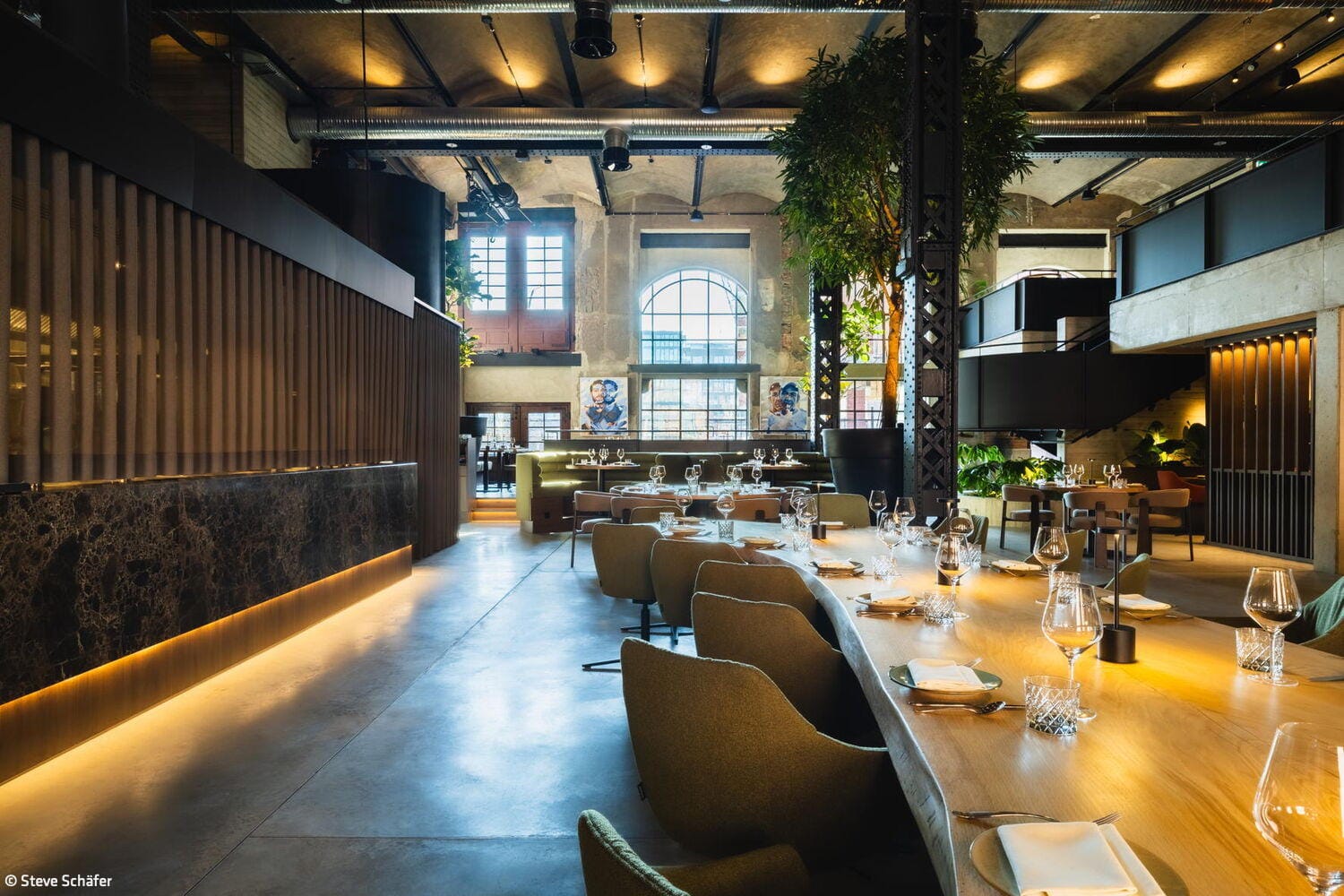
Stone masonry, timber-framing, and aged wooden beams coexist with blackened steel, glass, and brass – the recently reimagined hotel embraces materials that deliberately contrast yet harmonize. The transformation announces itself upon entry: the reception desk emerges as a stark cubic form in darkly patinated Corten steel, set against raw natural stone. Guests here immerse themselves in the dialogue between past and present, discovering themselves within an architectural triumph crafted by Munich-based architect Markus Uhrig and owner Christoph von Bothmer. Von Bothmer's vision was bold: to transform the historic "Die Krone" inn into a distinctive boutique hotel that honors rather than erases its heritage. The old was preserved – yet radically enriched with modern, purist interventions. Over three-and-a-half years, this architectural jewel was meticulously restored alongside its neighbors: the former "Oberböhler" residence-and-commerce building and an adjoining residential structure. The ensemble is completed by a new wing that echoes the silhouette of the historic Kronen barn once situated here. All 29 rooms and suites are individually conceived, rejecting uniformity in favor of a coherent philosophy: original low ceilings, exposed roof trusses, and historic architectural details remain intact, while open layouts allow bathrooms, living, and sleeping zones to flow seamlessly. The roof suite captivates – accessed via skylight, it showcases a freestanding tub poised beneath centuries-old rafters. The spa suite masterfully bridges relaxation and architecture, with a private sauna spanning two levels. Equally compelling is Room 313, the blue room, so named for the aquamarine hue that surfaced on its ancient stone walls – a pigment once more coveted than gold, and remarkably intact to this day. Historic ceiling murals discovered on the same floor have been carefully restored. The Täfersaal, featuring original wood flooring and tall lattice windows, serves as an event and conference venue. A striking new corridor, sheathed in gold leaf, leads to the atmospheric vaulted cellar bar. Dining options showcase creativity: "Agatha" presents international cuisine, while "Zum Hecht" offers Italian-Swabian gastronomy under Chef Robert Müller's direction. A fully-equipped fitness room caters to the active guest. Beyond the hotel, the region rewards exploration – from the pristine shores of Lake Constance to the dramatic Danube Valley, dubbed the "Swabian Grand Canyon," to the Black Forest's enchanting forests, gorges, and hidden lakes.
Images:
1280 Krone
(Published in CUBE Select 01|26)
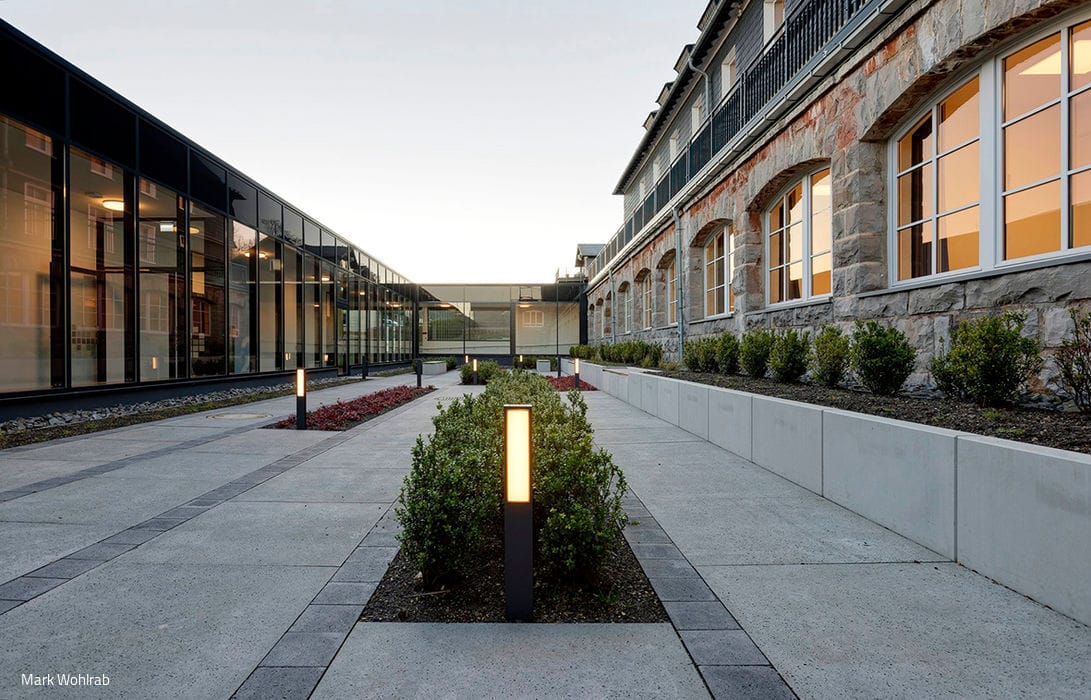
Relaxingly Symmetrical
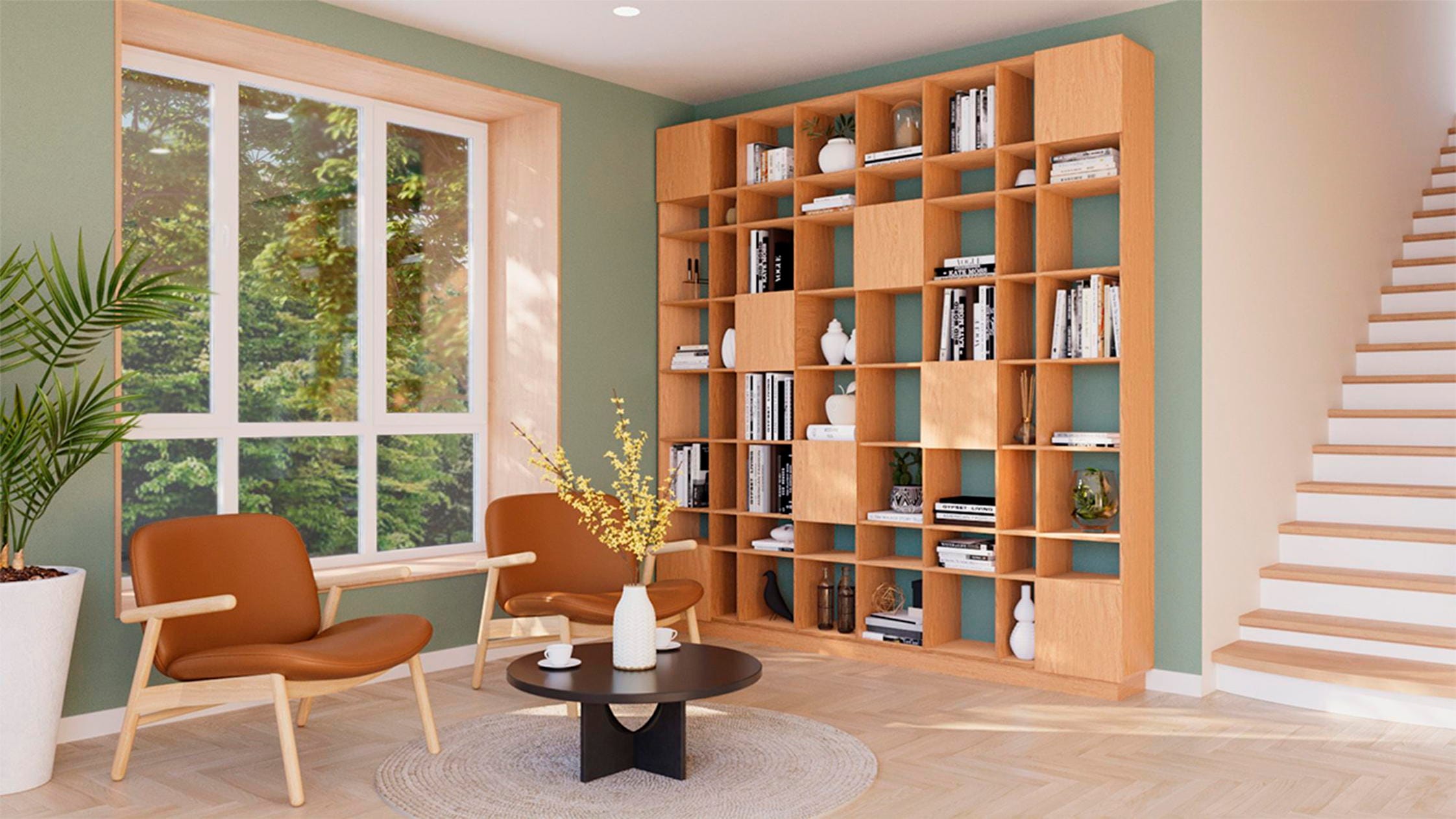
Sustainable shelving in multiple sizes
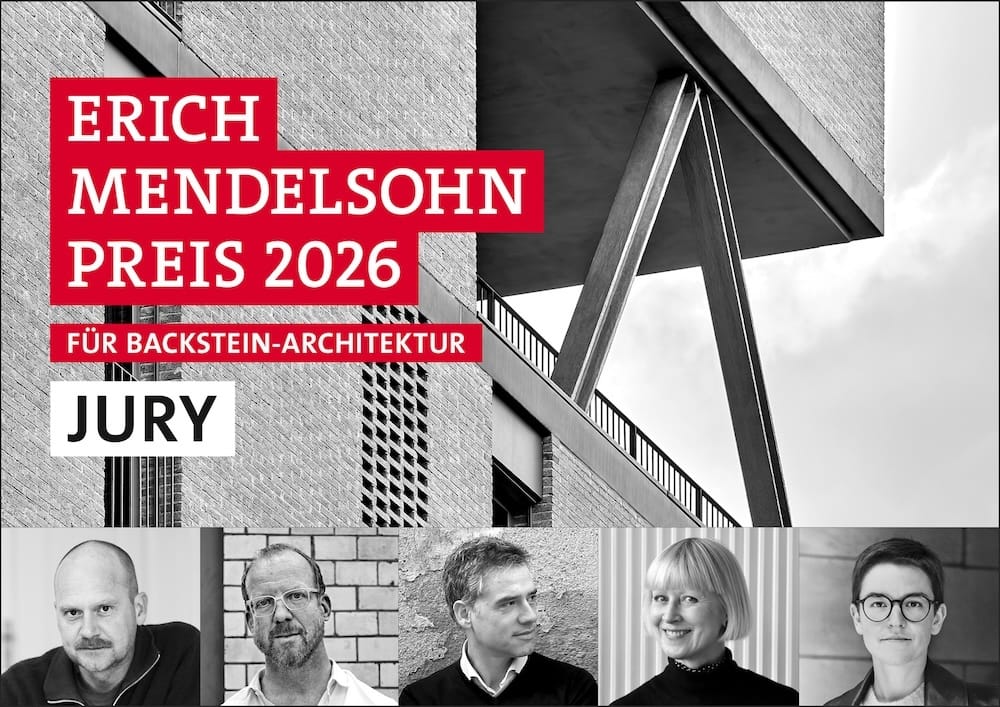
Erich Mendelsohn Prize 2026: Jury Announced
Expert Panel Honors the Best Brick Architecture
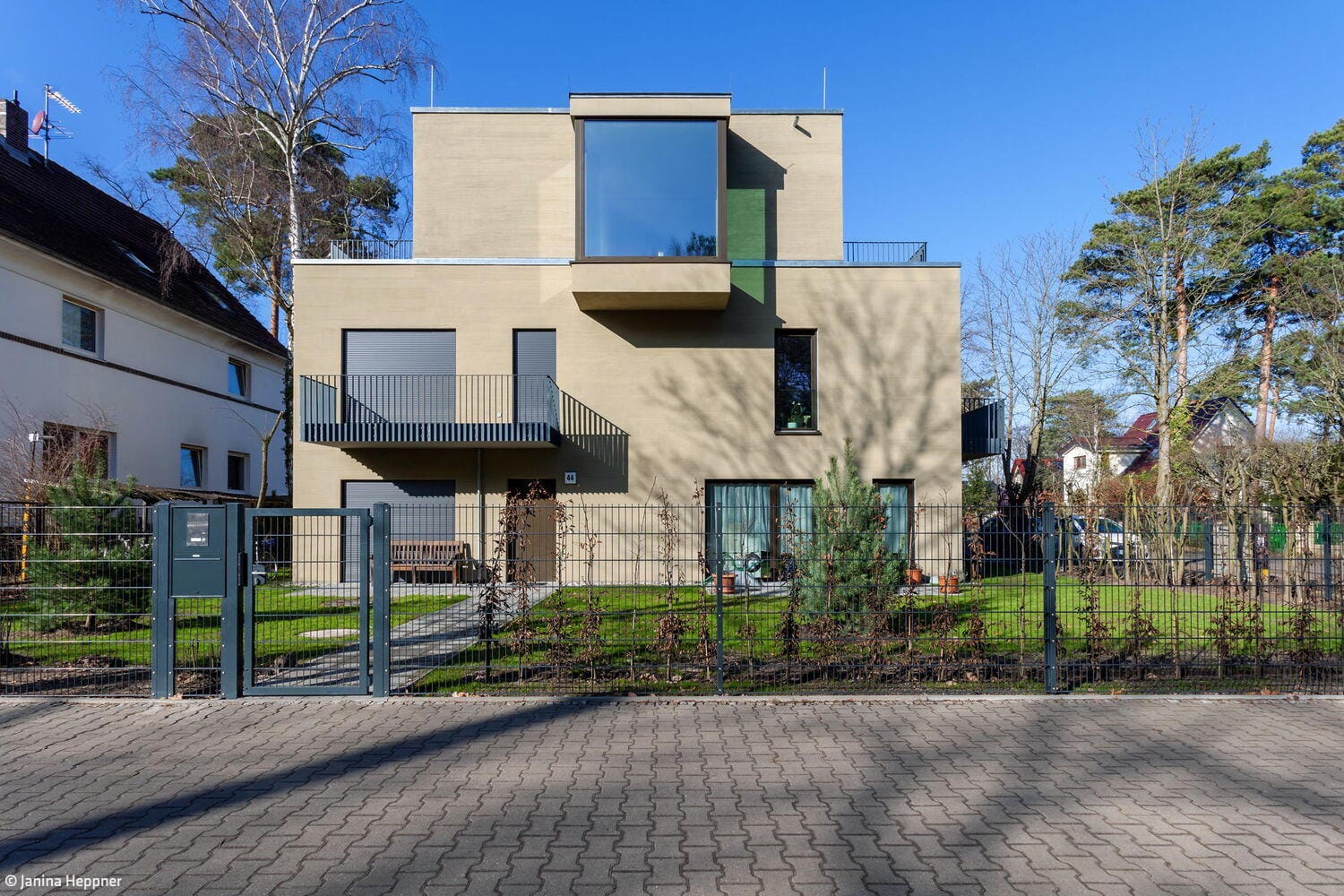
Energy-Independent and Lightweight
Regenerative Living in Grünau
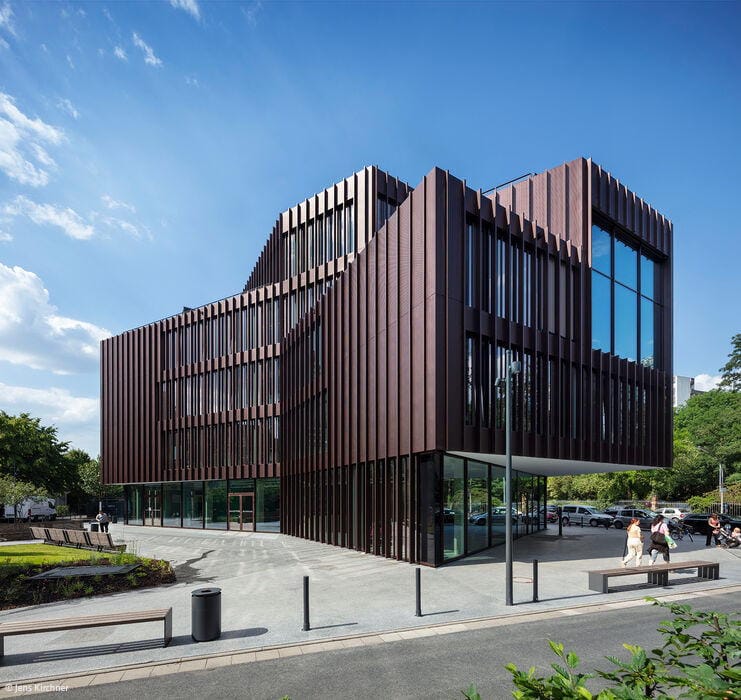
The Like-It Think Tank
InnoDom in Lindenthal: A dynamic workspace designed for university startups.