


Agile Landmark
The Loksite office building stands out for its exceptional spatial flexibility.
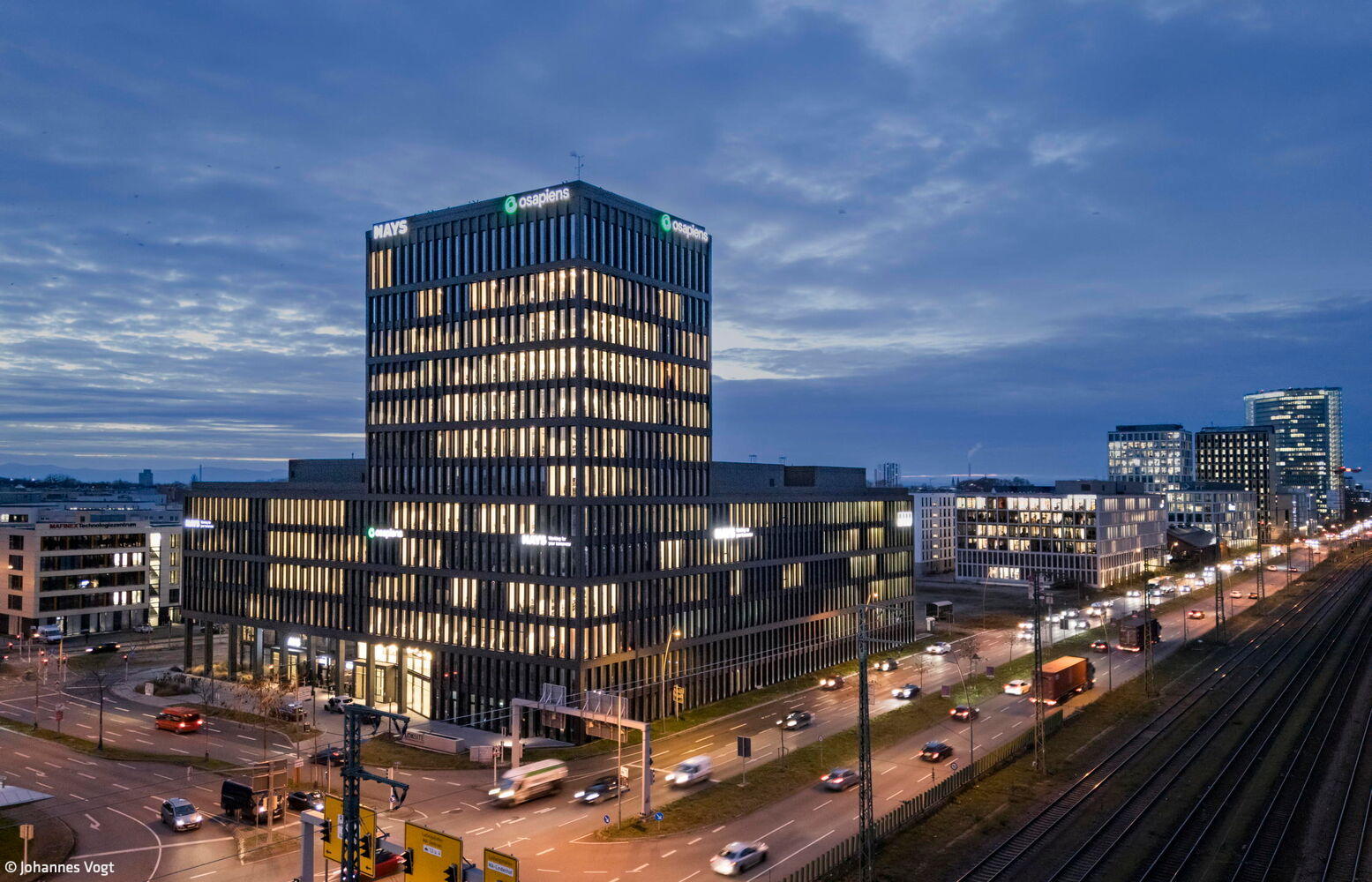
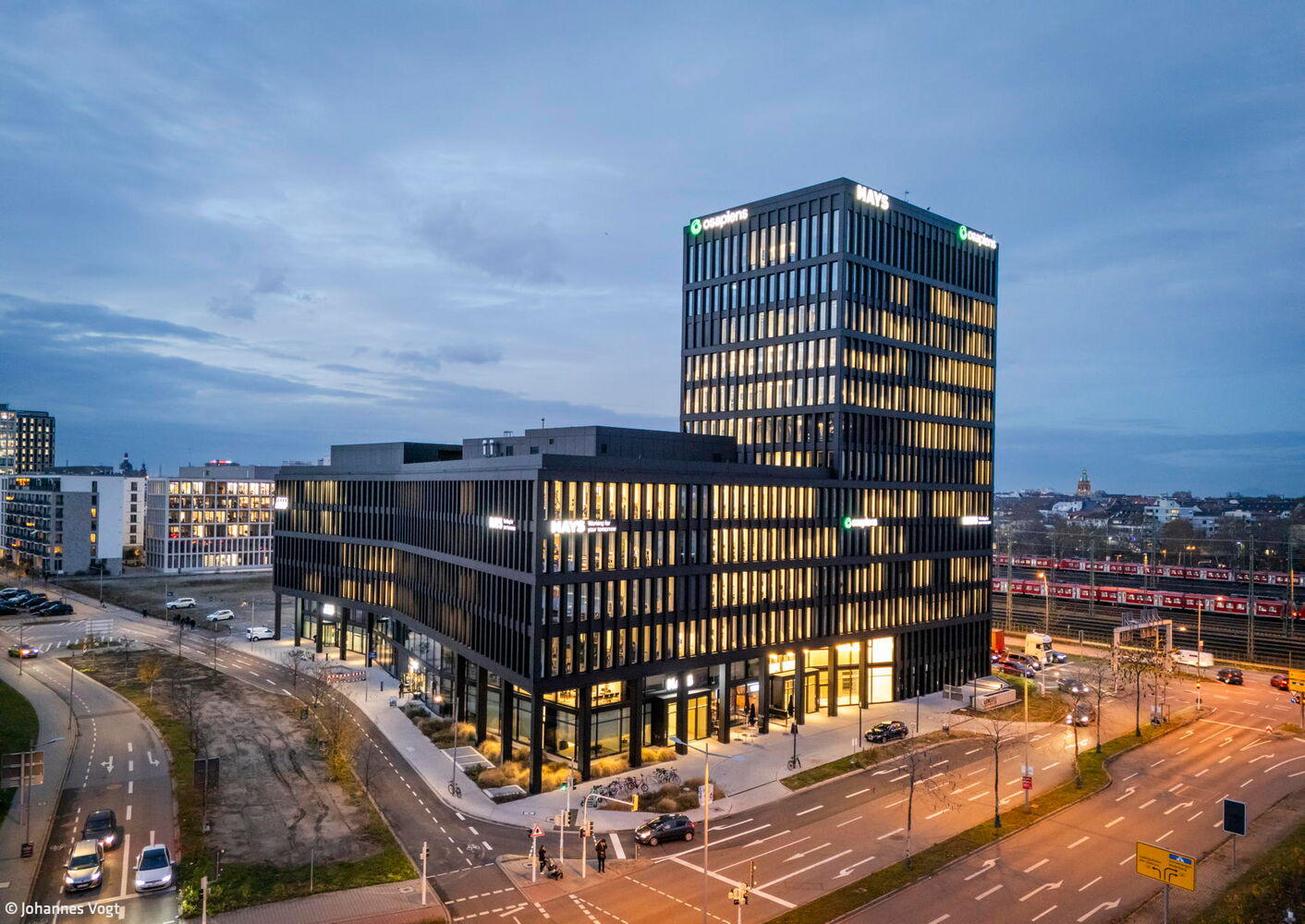
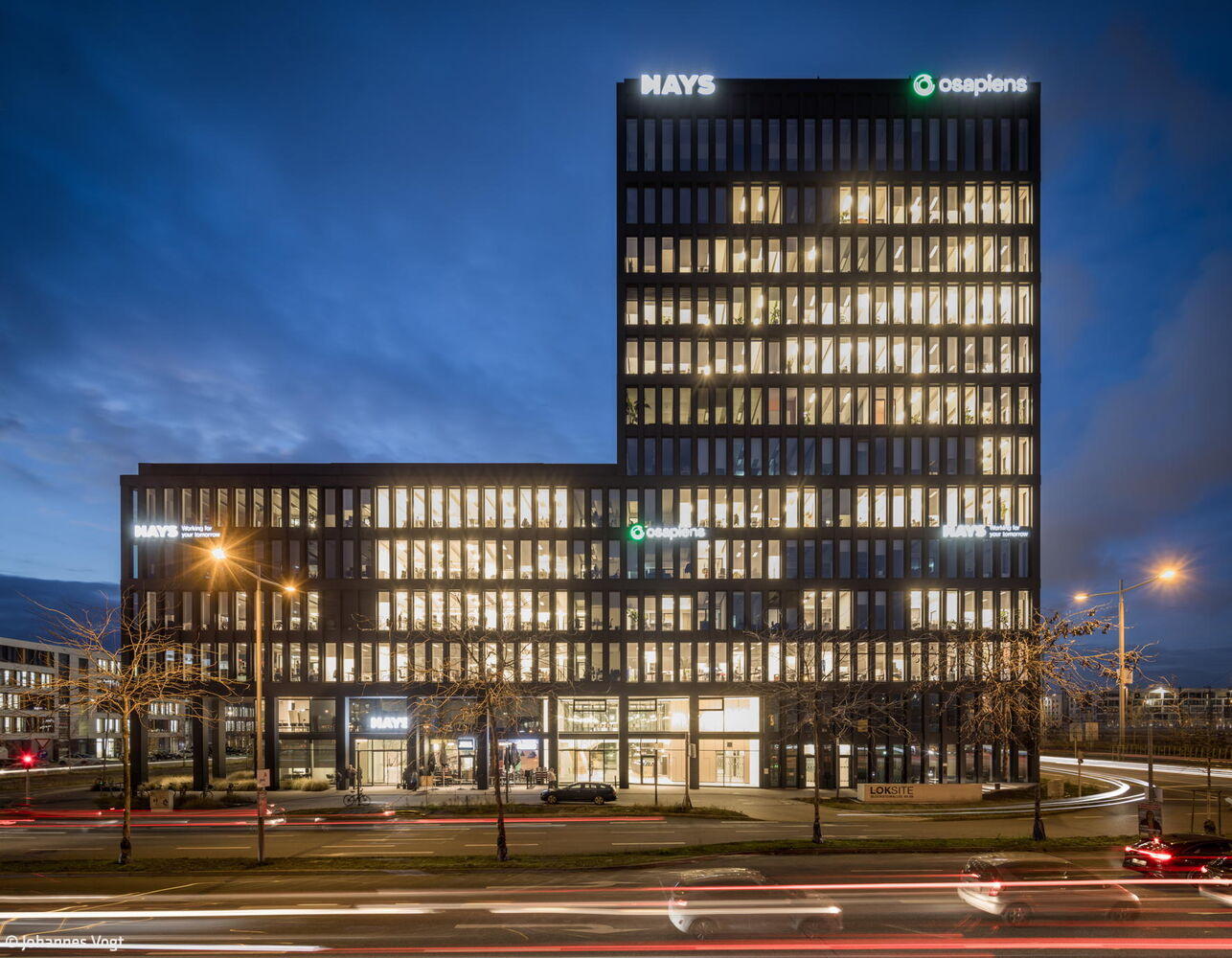
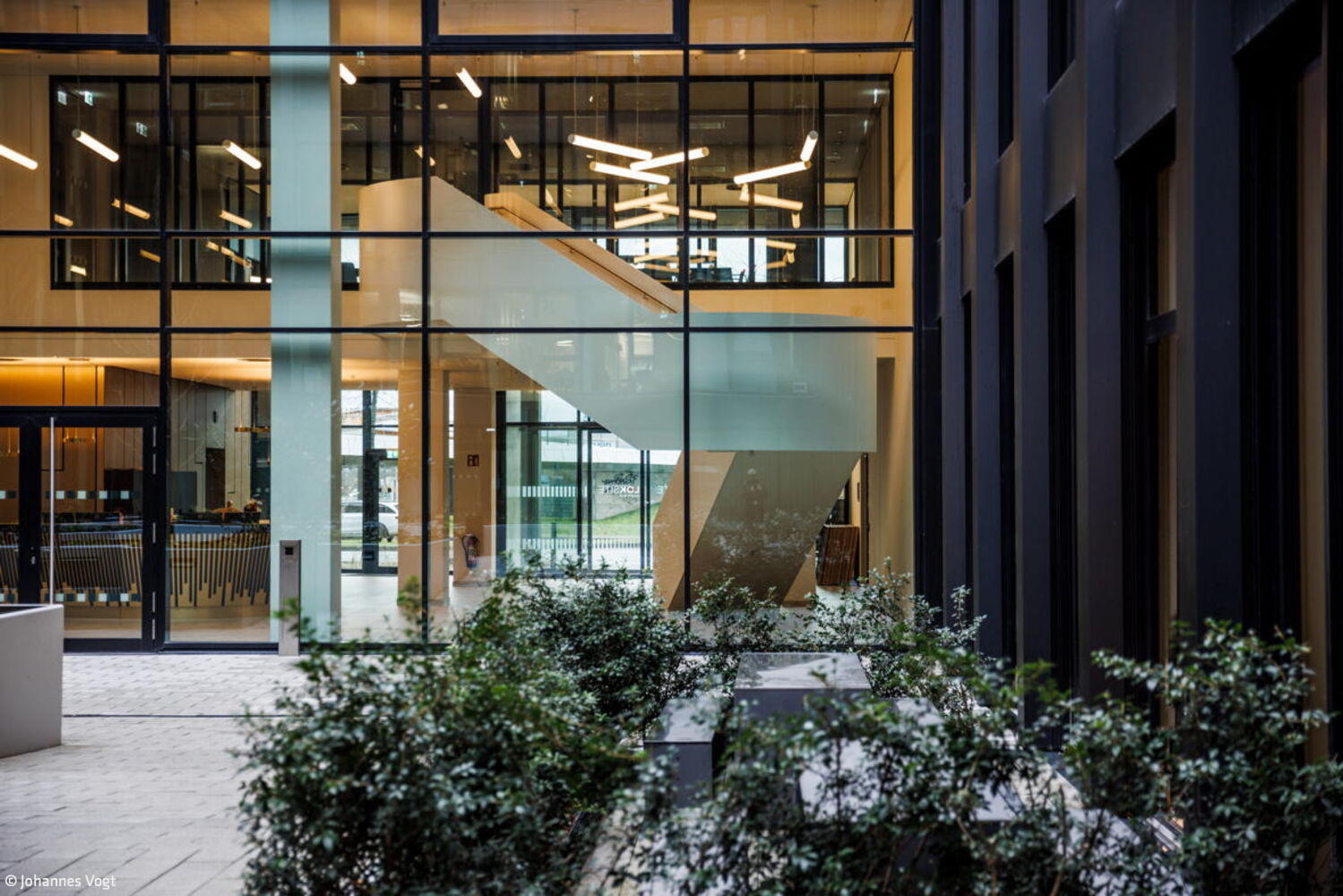
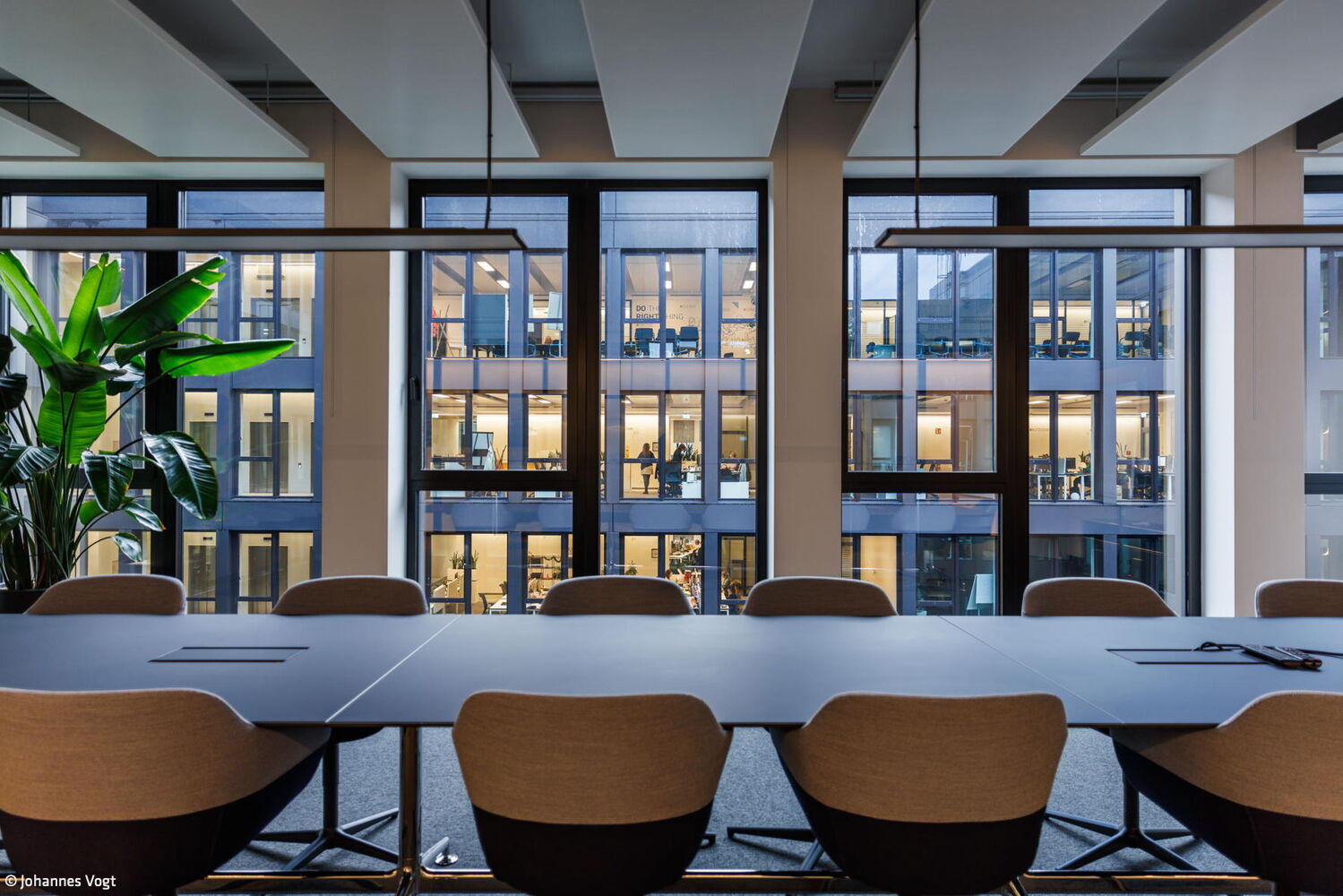
With the "Loksite" project, the Glückstein district—strategically positioned at Mannheim Central Station—has gained a striking landmark that reshapes the urban and architectural landscape. Designed by Lepel & Lepel in collaboration with Diringer & Scheidel, this high-rise serves as both the architectural gateway to the district and a bold statement in contemporary design. Spanning approximately 25,000 m² of office space, the building primarily houses the headquarters of staffing company Hays, while also providing a significant corporate presence for audit firm KPMG.
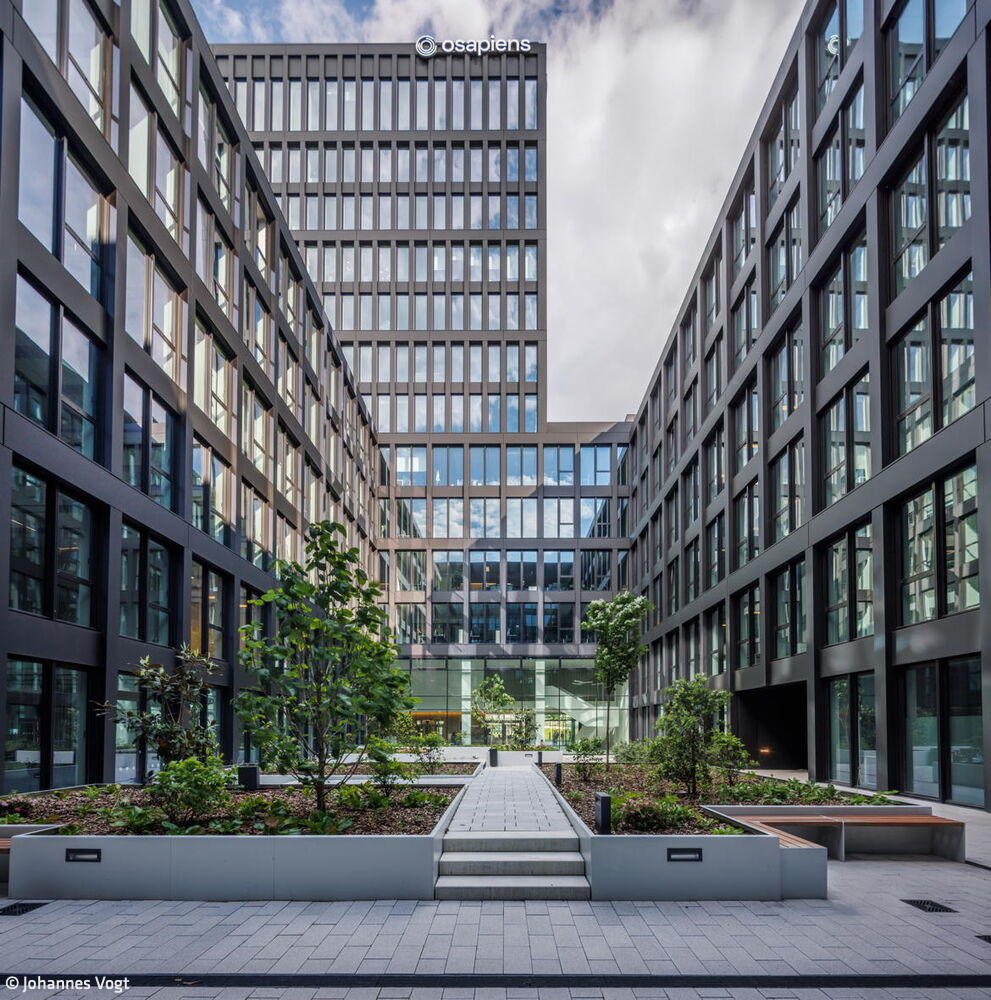
The distinctive structure masterfully combines a six-storey block with a 13-storey tower around a verdant central courtyard—a design that echoes the Victoria Tower at the western end of the campus. Its vertical façade grid, articulated across two-storey intervals, renders the dark metal skin delicate and refined. Extensive glazing ensures that the interior's flexibility and spatial intelligence are legible from outside. Internally, the building organizes with clear intention: the headquarters occupies the representative east entrance, while a co-working zone defines the west side, with additional office rentals and amenities—including a ground-floor bistro—distributed throughout. Multiple circulation cores maximize spatial flexibility and future adaptability. Flat-ceiling construction without drop beams enables unparalleled technical and spatial freedom. The office landscape centers on an activated middle zone fostering agile work modes—collaborative hubs for project teams, focused retreat areas for concentration, and impromptu meeting spaces. Kitchenettes and cafeterias strategically overlook the green courtyard, creating natural gathering places. Energy efficiency drives the building's DNA: concrete ceilings function as thermal buffers, optimizing cooling performance. An intelligent heat recovery system harvests exhaust warmth in winter to condition and humidify indoor air, eliminating supplemental heating demands. Smart building controls independently manage lighting, solar shading, ventilation, and temperature based on real-time occupancy, demand patterns, and natural daylight.
Photos:
Johannes Vogt
www.johannesvogt.de
(Featured in CUBE Frankfurt 03|25)
Mediterranean Charm in the Markgräflerland
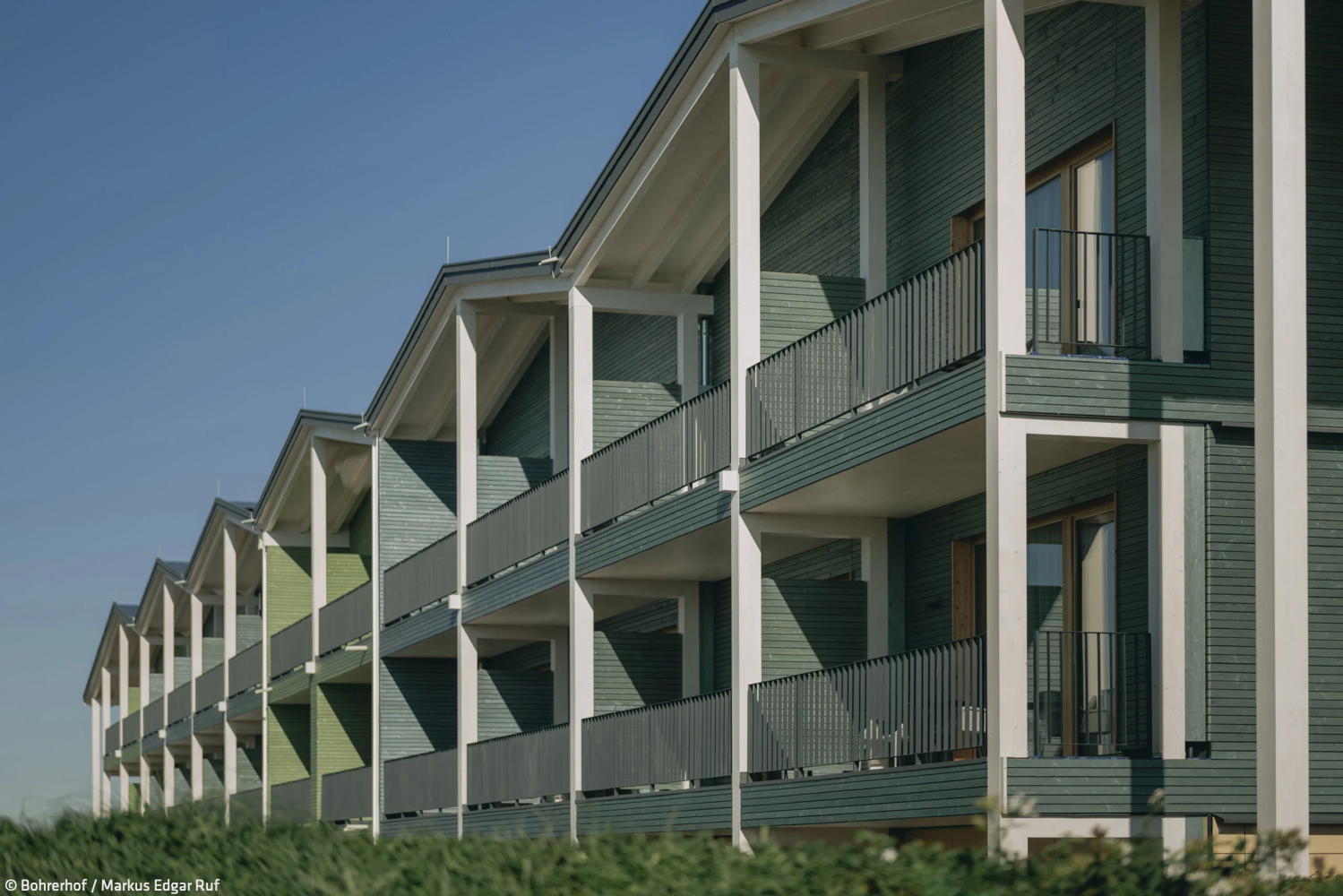
A timber-built hotel that puts sustainability first
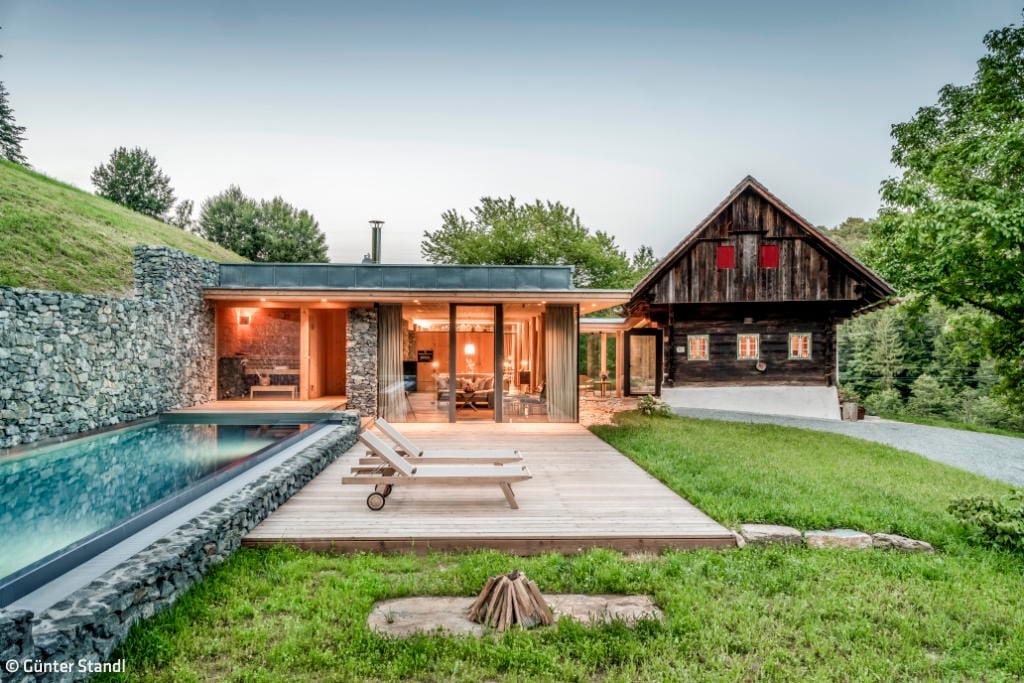
Retreat Nestled in Nature
Where architecture, design, and epicurean pleasure converge
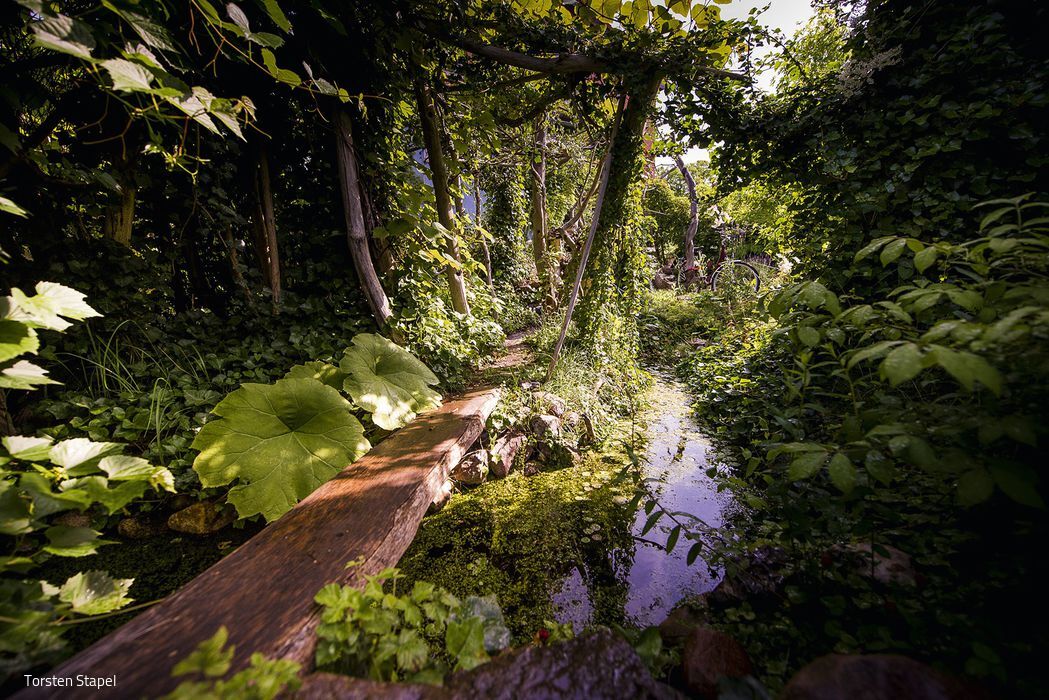
Urban "Plant Fantasy Garden"
A delightful challenge for explorers

Ambright's Light Design in Practice
Where Design and Function Converge