


Robust and Genuine
A single-family home whose design emerges from a low-tech philosophy
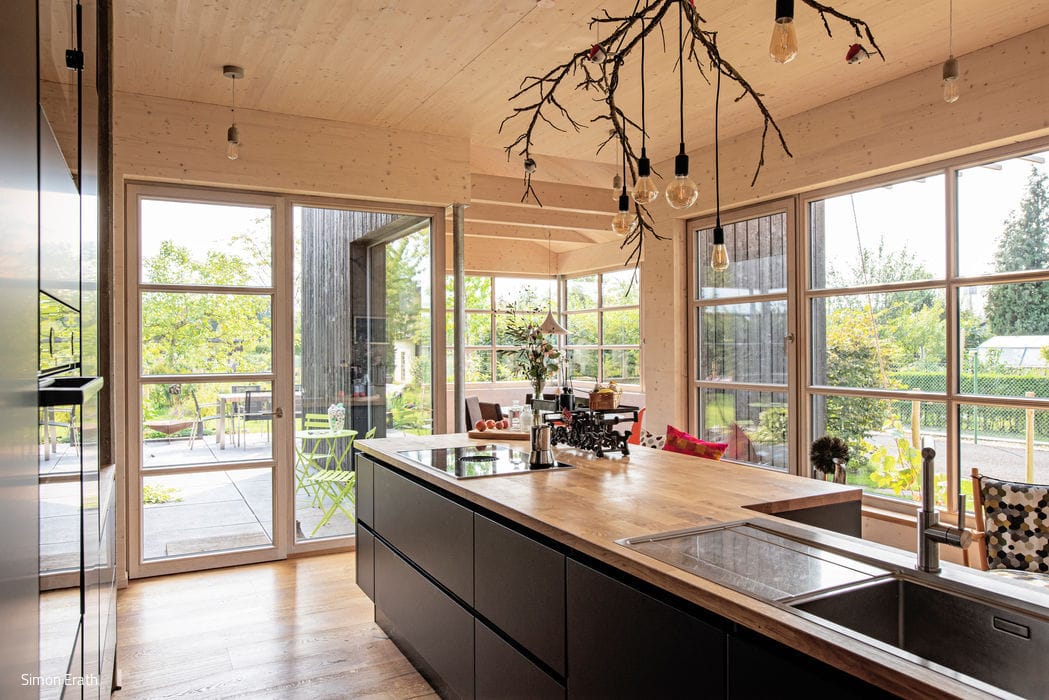
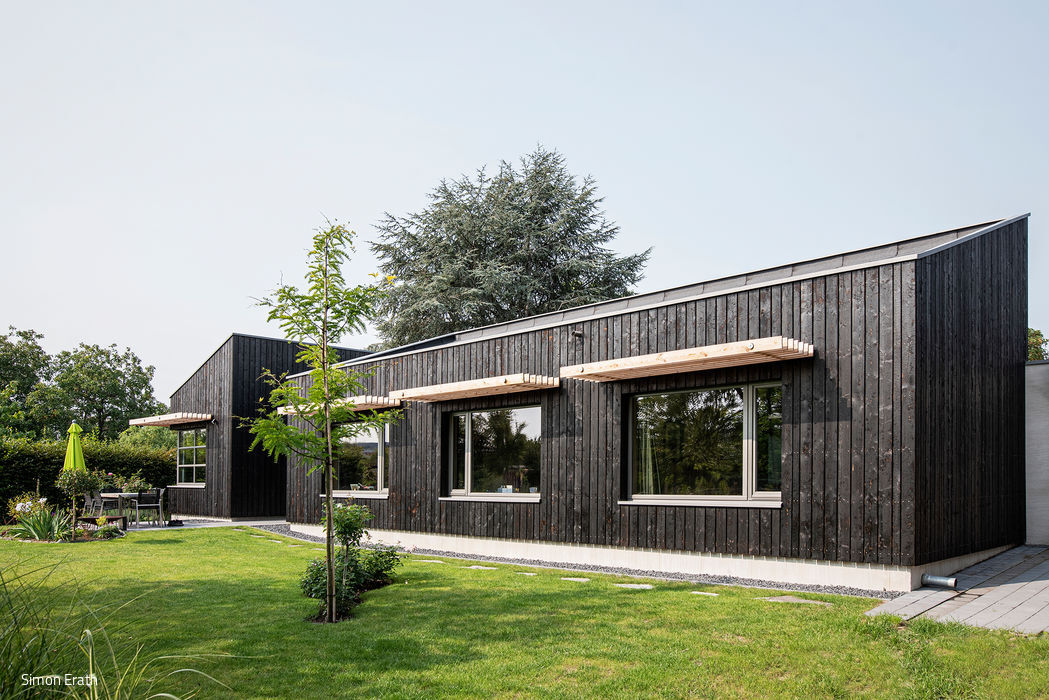
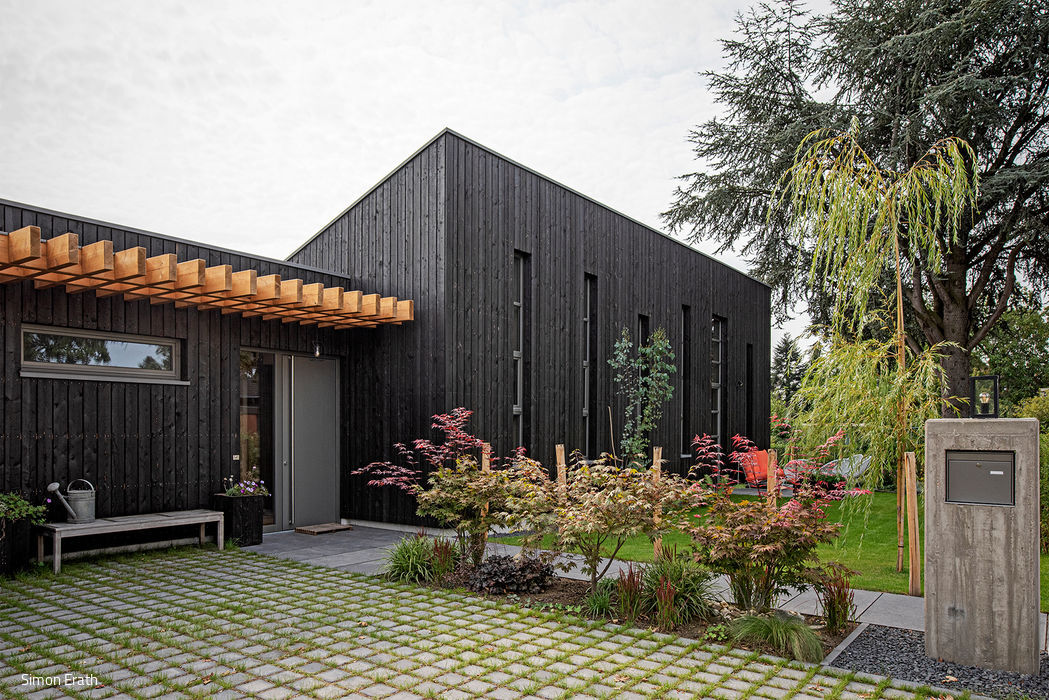
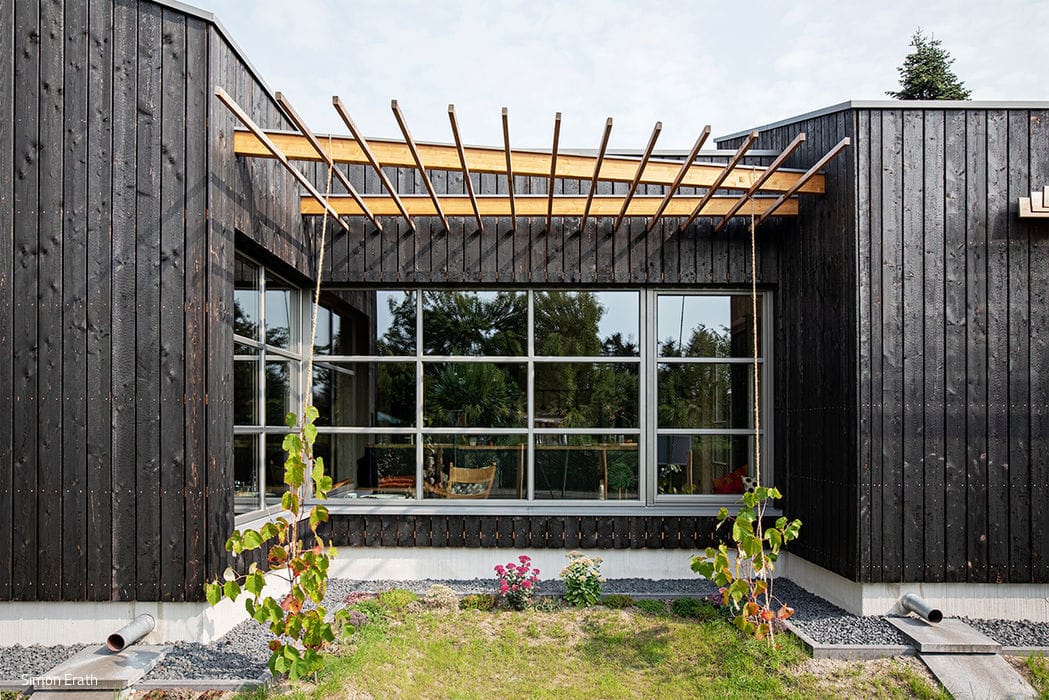
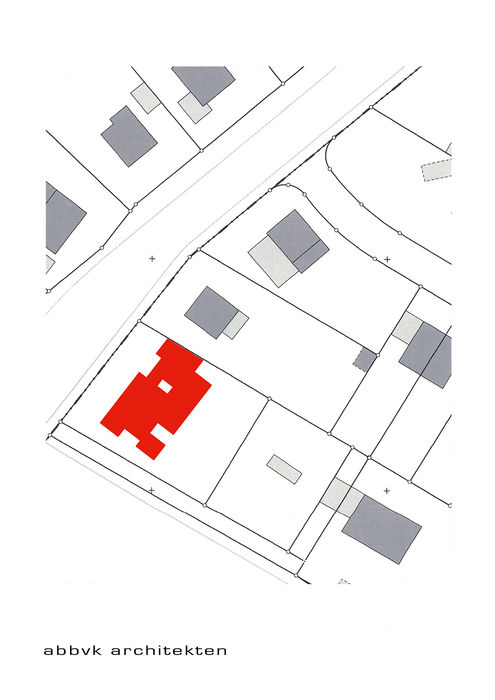


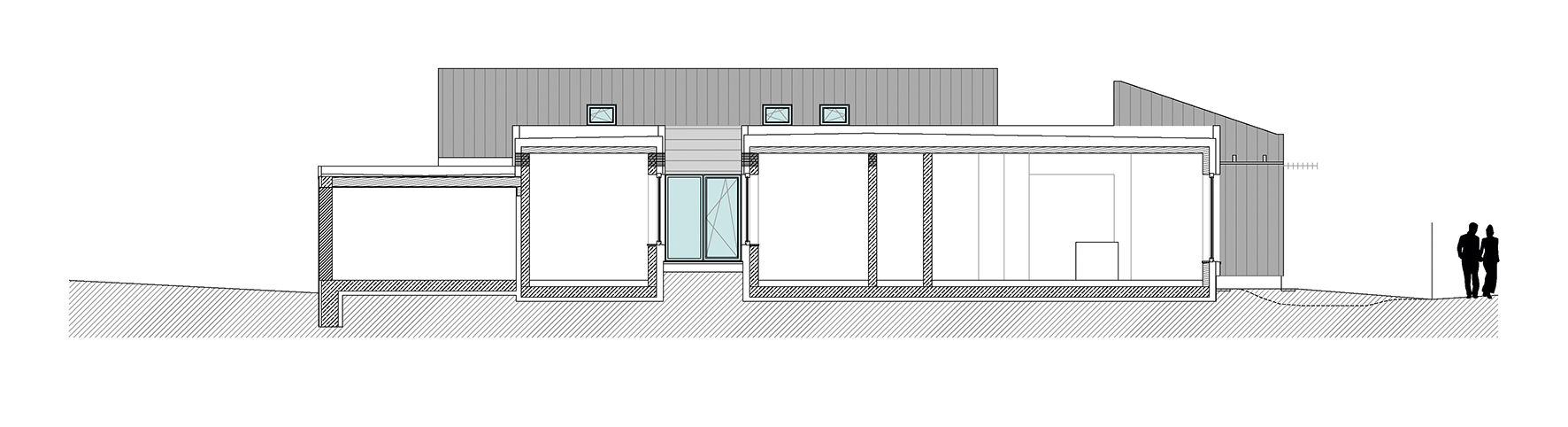
An architect seeking to build a home that nourishes both himself and his family of four. A compact plot limited to a single storey, yet with an unusually generous footprint. A solid construction method designed to maximize thermal mass. These were the guiding principles for a residential project that architect Berend von Knoop realized in Krefeld, at the intersection of the Inrath and Kliedbruch districts.
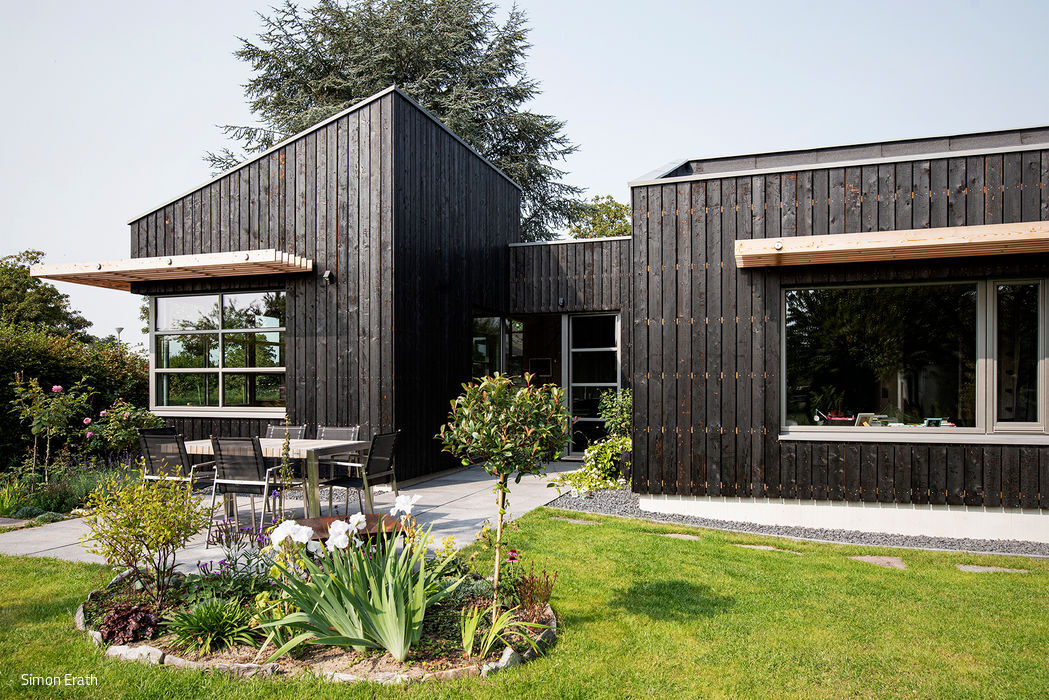
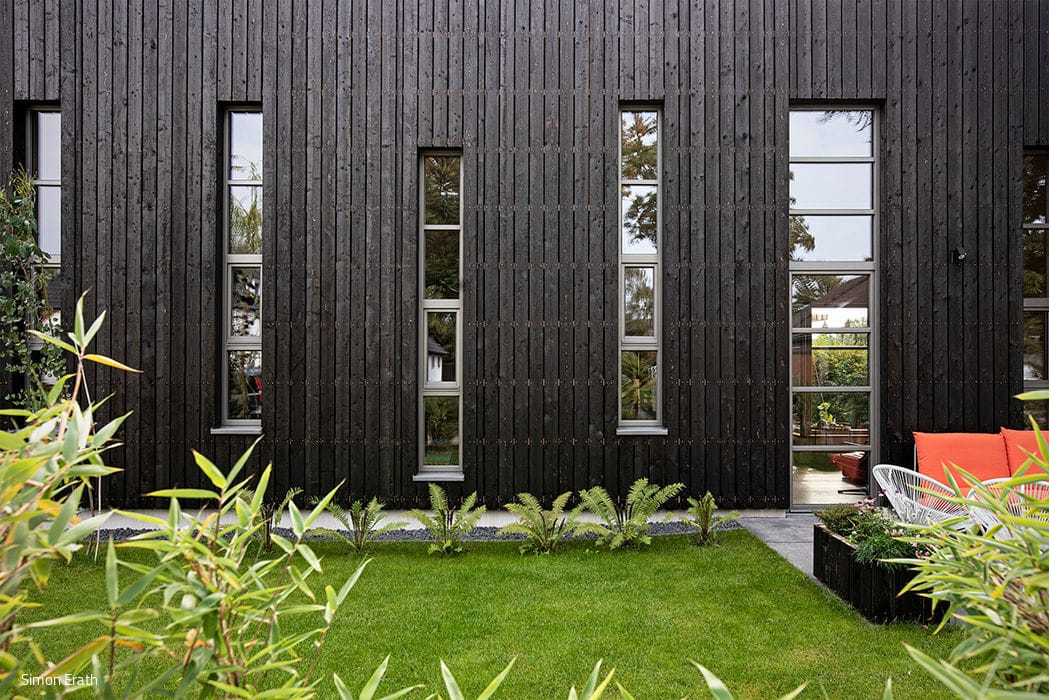
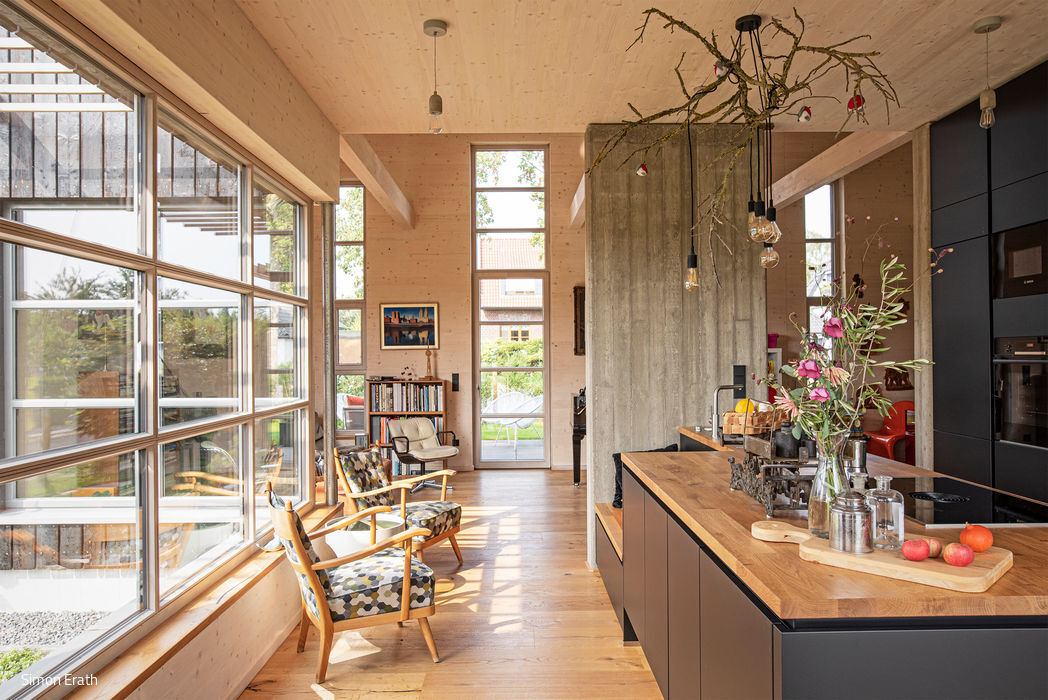
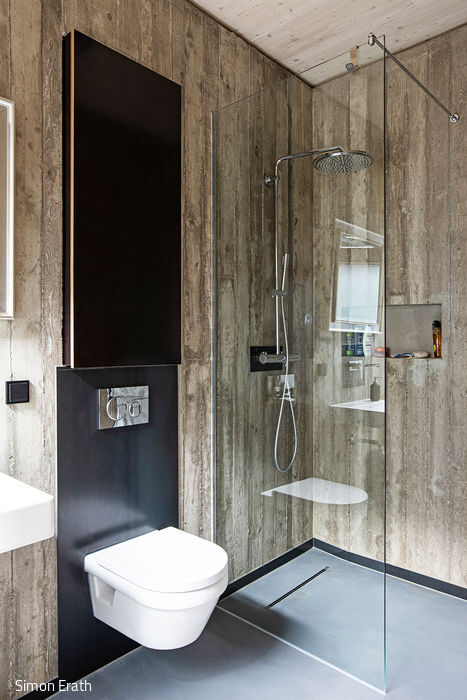
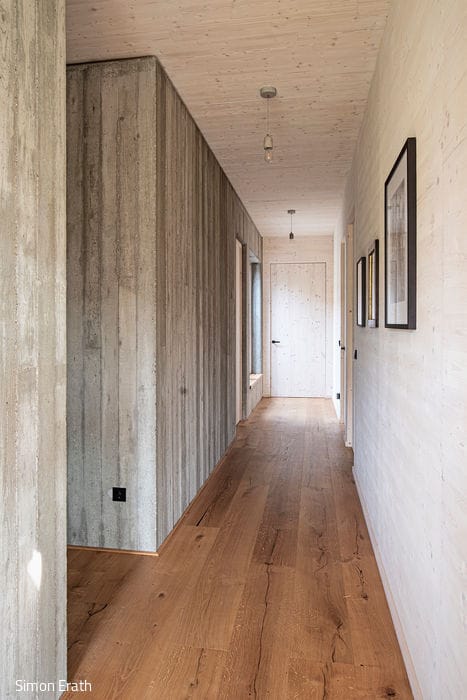
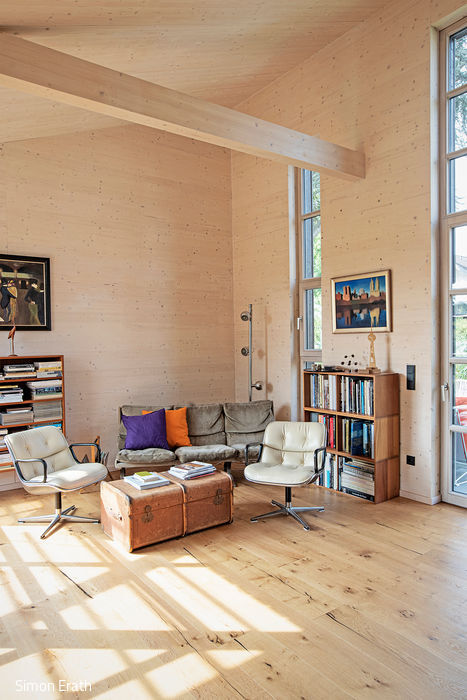
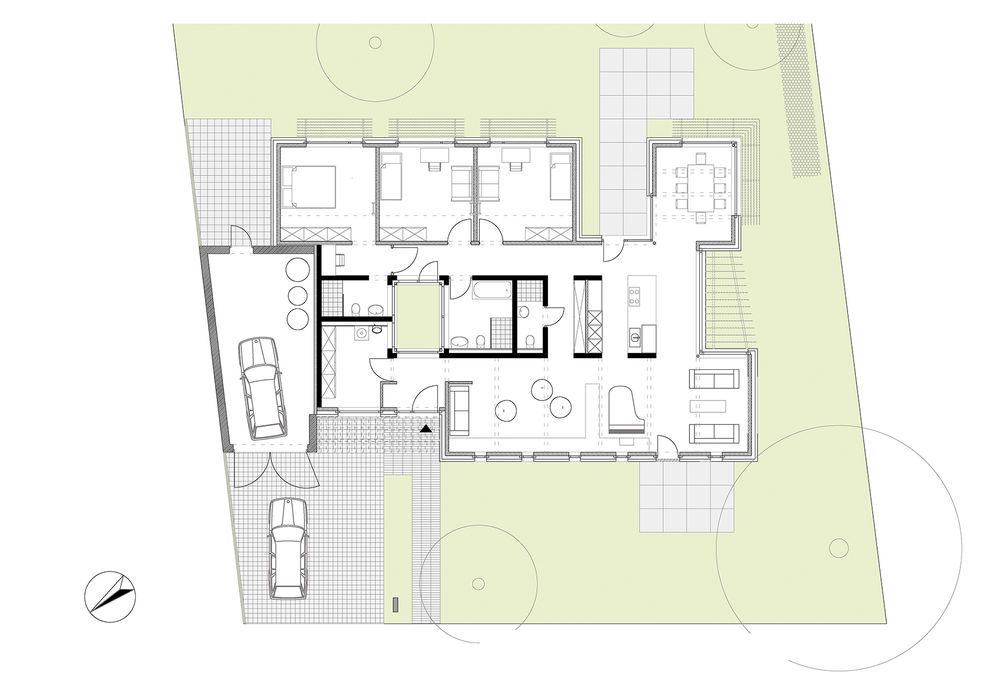
Drawing design cues from the surrounding neighborhood proved deceptively challenging. The 1930s-era residential district had evolved unpredictably over the decades—timber-frame houses interspersed with red-brick facades and white-rendered walls sporting countless roof variations, all gradually giving way to allotment gardens. The solution: a single-storey bungalow with a nuanced interplay of flat and monopitch roofs, wrapped in a continuous timber façade of flame-treated larch boards. Conceived from the inside out, the design prioritizes generous social spaces—an open-plan kitchen, dining, and living zone—while thoughtfully distributing lounge and private retreat areas that blur the line between interior and landscape. The master suite and two children's bedrooms follow, each junior room enriched by a mezzanine level. One unexpected challenge: timber construction remains virtually nonexistent in the Lower Rhine region. Only through partnering with Rosenheim-based timber construction specialist Jonas Offinger did the necessary expertise materialize, ultimately enabling a prefabricated timber system that could be assembled on-site. The house embraces a decidedly low-tech approach: massive building components engineered for superior thermal retention. While exterior walls use prefabricated cross-laminated timber panels—boards glued perpendicular to one another—interior walls are cast-in-place concrete finished against wooden formwork. As the architect explains: "The materials themselves possess an inherent beauty and tactile warmth. We deliberately eschewed paint, plaster, or drywall." The result: a poetic dialogue between timber surface and timber imprint, echoed throughout the three bathrooms where concrete ciré replaces conventional tile. Heating derives from a geothermal heat pump; the roof geometry has been optimized for future photovoltaic panels. Fixed timber overhangs provide passive solar protection. True to the low-tech ethos, motorized blinds and mechanical cooling were consciously eliminated—a choice validated by the summer of 2020.
Living area: 185 m²
Plot size: 920 m²
Construction duration: 7 months
Construction method: Solid construction
Energy system: Geothermal heat pump
(Published in CUBE Düsseldorf 04|20)
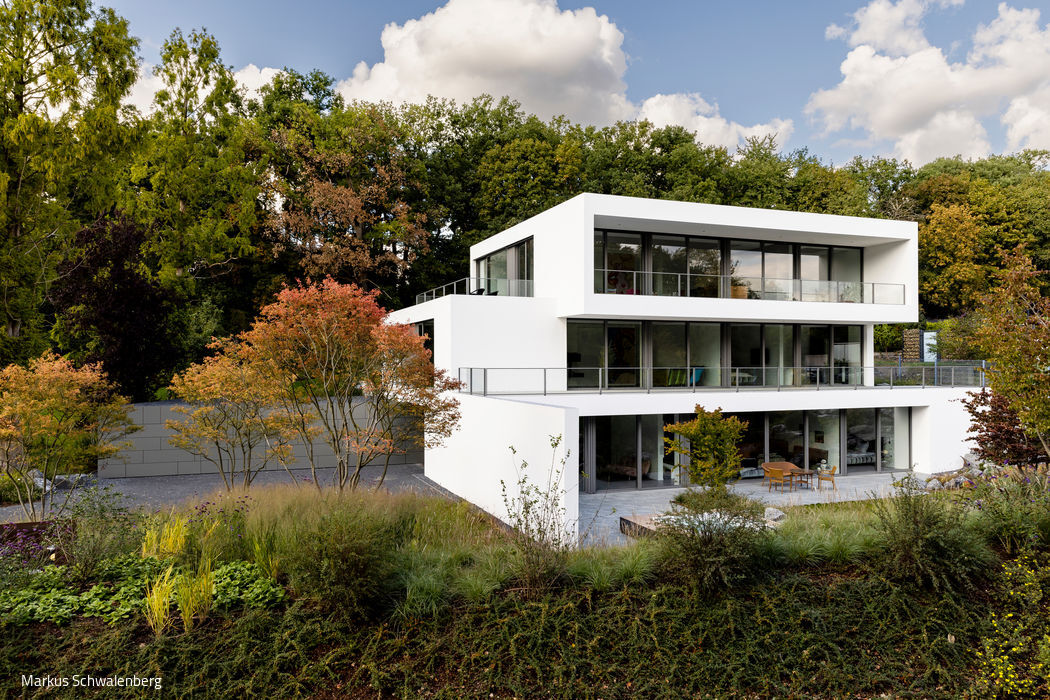

Circular Material Revolution
"The Cradle" in the Media Harbour represents a landmark project in circular construction.
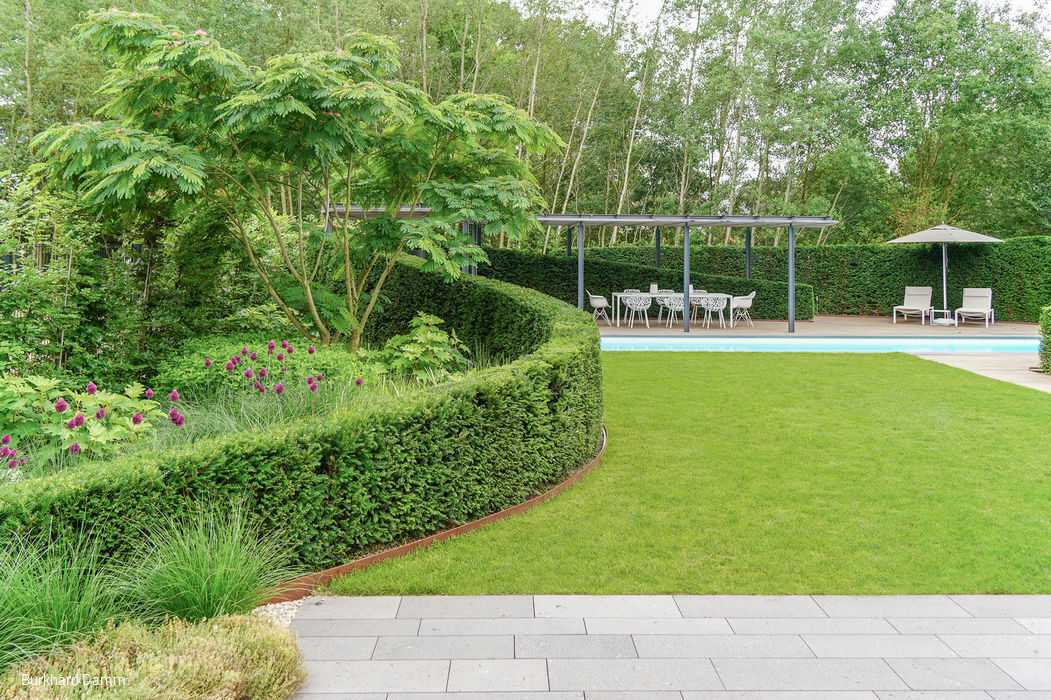
A View Framed by Living Walls
A Freshly Designed Garden That Captivates Every Season
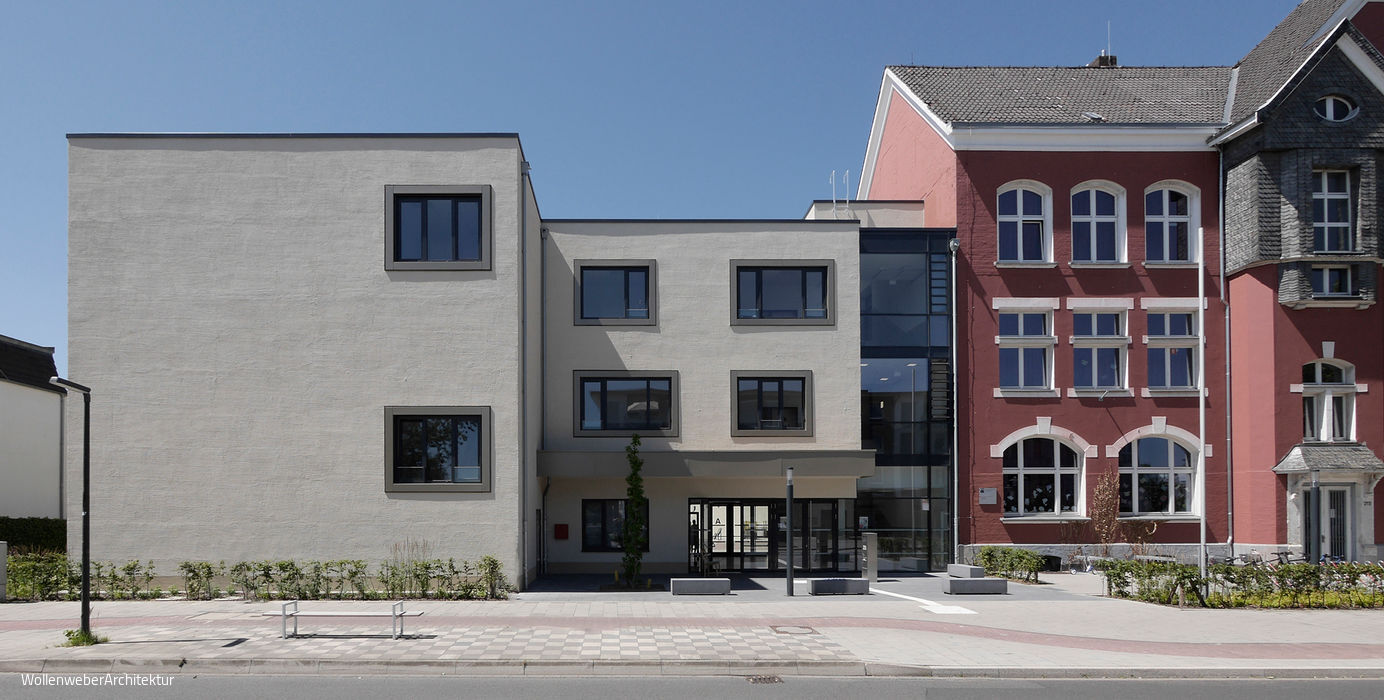
More Space for Children
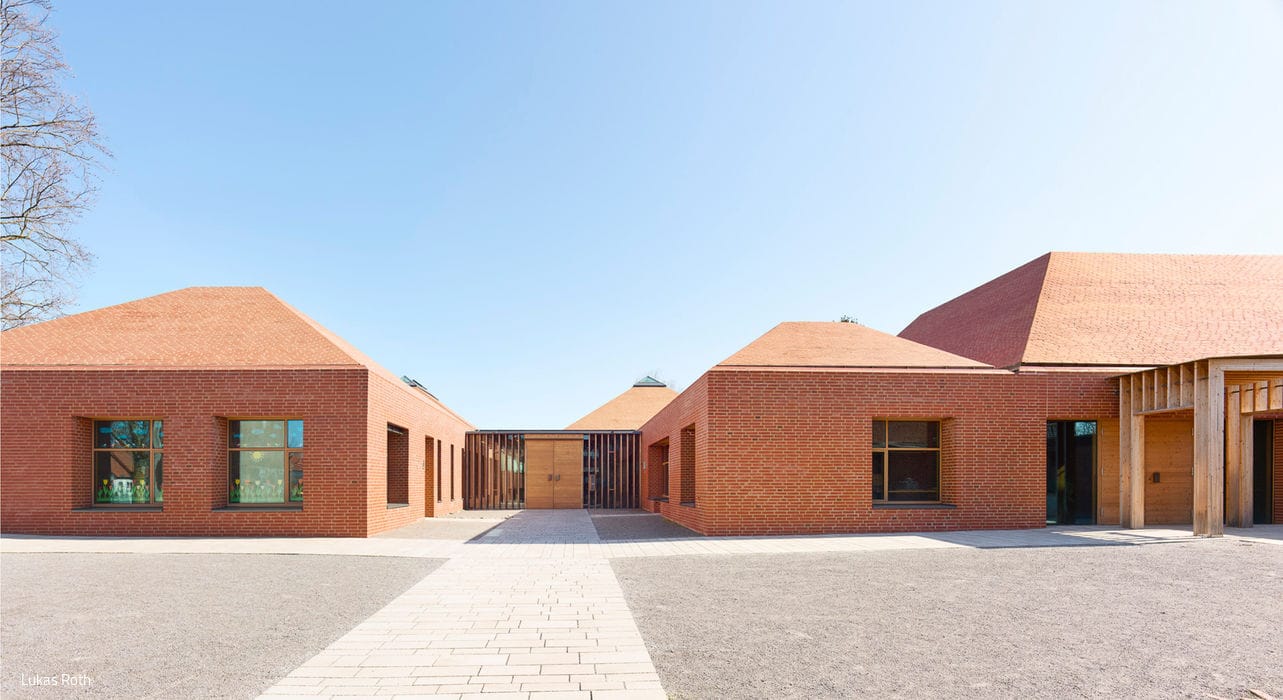
Primary school to be expanded with three-part new building including sports hall