


©oup.studio
What If: A Change of Perspective
Exhibition at the aedes Architecture Forum
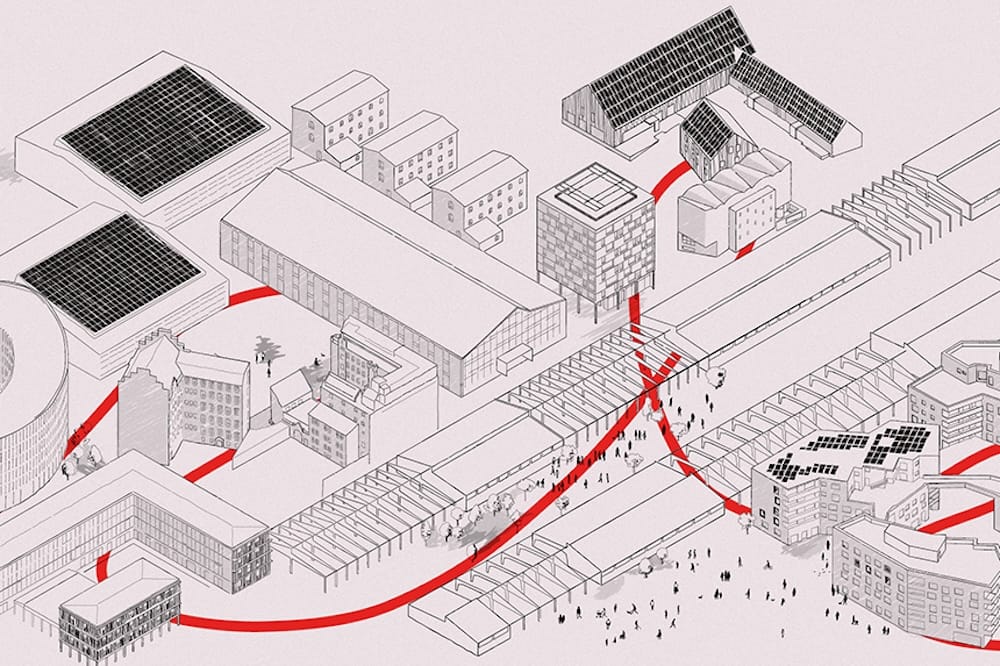
What if we could no longer build new? This is one of the provocative questions posed by "What If: A Change of Perspective," an exhibition by the German Sustainable Building Council (DGNB) running at the aedes Architecture Forum from December 13, 2025 through January 28, 2026. For 18 years, the Stuttgart-based DGNB has championed responsible, forward-thinking construction practices. Their internationally recognized certification system has become the gold standard for assessing and optimizing sustainable buildings and neighborhoods. This exhibition challenges conventional thinking and reconnects visitors with what sustainable architecture truly means: livable, affordable homes and districts that bring genuine design solutions to our climate crisis. The exhibition unfolds through a narrative arc spanning the evolution of sustainable construction, complemented by six thematic sections and award-winning projects from the German Sustainability Award for Architecture.
What if we could no longer build new? What if we were already living in a climate three degrees warmer, or if we honestly assessed how much space and comfort we actually need? These provocative questions launch the exhibition "What If: A Change of Perspective," curated by the German Sustainable Building Council (DGNB). At aedes, visitors are encouraged to reconsider their assumptions about sustainable construction and embrace fresh perspectives. Through six thematic areas, the exhibition unpacks the complexity of sustainable architecture and contextualises decades of development. For instance: What if climate protection in construction were viewed not as a burden, but as an opportunity? Buildings can become part of the solution when designed with resource efficiency, circular principles, and energy production in mind. Architects and planners who consider the entire building lifecycle and carefully weigh competing priorities can achieve true sustainability – without compromising on architectural excellence.
What if we finally embraced climate change as a design challenge? Buildings and cities must now prepare for new climatic realities – intense heat, heavy downpours, and prolonged droughts. Climate adaptation requires forward-thinking design, not just technological fixes. Smart shading, green infrastructure, rainwater management, and cooling materials create built environments ready for whatever comes next. What if every building enhanced its surroundings while protecting the environment? Architecture can foster habitats for both people and nature. Green roofs, planted façades, and thoughtfully designed outdoor spaces transform buildings into functioning ecosystems. The rewards are tangible: more pleasant microclimates, vibrant public spaces, and resilient neighbourhoods.
What if we designed cities and spaces where people genuinely wanted to spend time? Architecture shapes how we live together – it either builds connection or creates division. When human scale becomes the priority, places emerge with character, foster community, and welcome everyone. Social responsibility in architecture means designing for relationships, not just rooms. What if we stopped building on greenfield sites? Land is finite, and sprawling new construction is becoming obsolete. True sustainable practice means rethinking the existing: renovating, repurposing, and densifying rather than demolishing. Working with what's already there conserves resources, strengthens building culture, and builds a genuinely sustainable future.
What if CO₂ reduction and risk management mattered as much as the bottom line? Sustainable building isn't an added expense – it's an investment in quality and longevity. Holistic planning cuts operating and maintenance costs, increases asset value, and mitigates risk. Smart cost management comes down to making the right decisions at the right time, with vision and a clear-eyed view of inevitable trade-offs. "We want to invite people back to the essence of sustainable architecture," explains Dr Christine Lemaitre, Managing Director of the DGNB, "asking what makes buildings and neighbourhoods truly good – places where people thrive, that remain affordable, and that address our most urgent climate challenges. It sounds simple, yet it isn't, because we've lost the habit of questioning established practices. This exhibition is an invitation to that shift in perspective."
More News

40 Jahre Stiftung Deutscher Architekten
Jubiläumsfeier im Düsseldorfer Medienhafen
Steinstraße Siebzehn
Die Gruppenausstellung Steinstraße Siebzehn versammelt…
Übertourismus
Haus der Architektur präsentiert Ausstellung
Euroshop 2026: Kraftvolles Statement
Messestand setzt auf Aufenthaltsqualität, Emotion und…