



OPEN-GROUND, 2024 © HOME-OFFICE

Intermediary Softness, 2024 © Debbie Chen

Grand and Flushing – Farm and Freshwater Corridor, 2021 © Olalekan Jeyifous
The Sixth Sphere
Exhibition at Aedes Architecture Forum Berlin
Intertwined with Earth's five natural spheres – atmosphere, biosphere, cryosphere, hydrosphere, and lithosphere – exists a sixth: the technosphere. Identified by geologist Peter K. Haff as an emerging paradigm of the Anthropocene, the technosphere encompasses the infrastructures of industrial production and extraction. Architecture is integral to this technosphere, reinforcing its systems and perpetuating its forms. It comprises factories and farmland, ports and telecommunications networks, mines and landfills, highways and suburbs – far more than accumulated building materials. It is a global matrix of physical infrastructures, geopolitical relationships, and digital networks that sustains the constant flow of matter, energy, and information. The exhibition The Sixth Sphere, presenting projects by eighteen international architecture firms and artists – among them Andrés Jaque / Offpolinn, Olalekan Jeyifous, and Dogma – examines design approaches that grapple with global ecological, social, and technological interconnections, leveraging the technosphere's cumulative potential to envision more sustainable futures and address climate change.
While many aspects of daily life—clean water, waste management, electrical grids—depend on the technosphere, its exponential expansion is destabilizing our Earth system at an accelerating pace. Its logic of extraction and growth generates planetary impacts we can no longer control, threatening not just humanity but all life on Earth. Yet cracks are emerging in this technosphere: a system that cannot sustain itself without destroying the very foundations it rests upon reveals its inherent fragility. When we reconceive the technosphere not as a dominant global order, but as one of many interwoven and coexisting worlds, new possibilities for spatial and ecological action emerge.
Curated by Brittany Utting, "The Sixth Sphere" exhibition and its accompanying publication investigate how design can operate within global systems of interdependence and shared responsibility. Drawing on two-dimensional media—digital renderings, drawings, photographs, maps, and collages—alongside a projected animation featuring eighteen international contributions, the exhibition positions the technosphere as a collective space for reimagining possible social, technical, and ecological futures. The works are organized into three sections—Molecular, Machinic, and Metabolic—each addressing different scales of intervention. These structures "are interwoven and reveal the trans-scalar possibilities of creative practice. The mechanical transformation of matter into energy reshapes metabolic processes through molecular shifts; every design simultaneously operates at the geophysical, socio-technical, and territorial scales," notes curator Brittany Utting.
More News
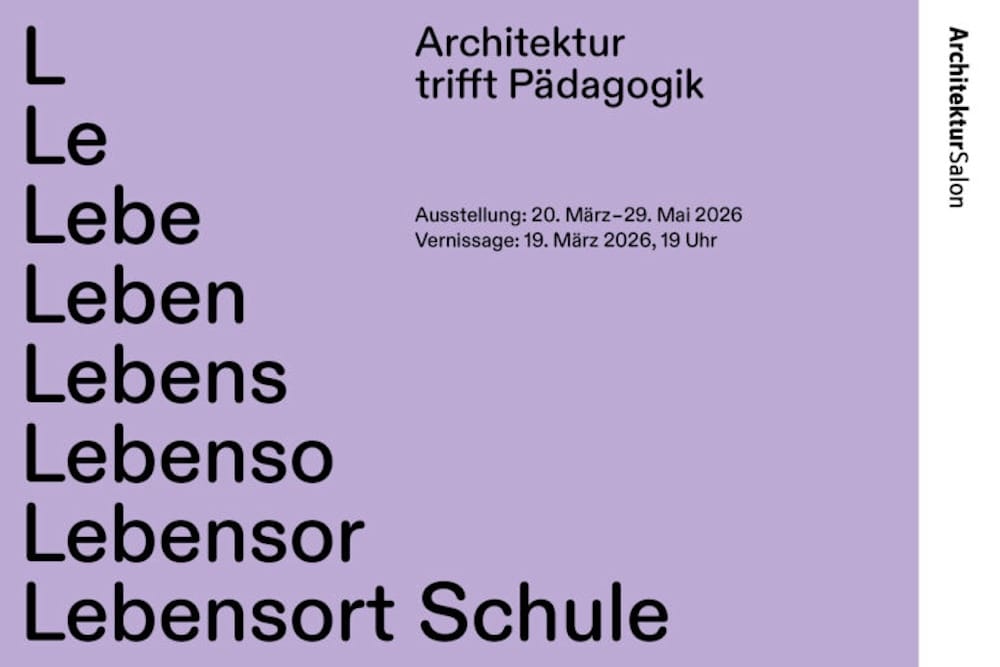
Lebensort Schule
Ausstellung zeigt herausragende Schulbauprojekte
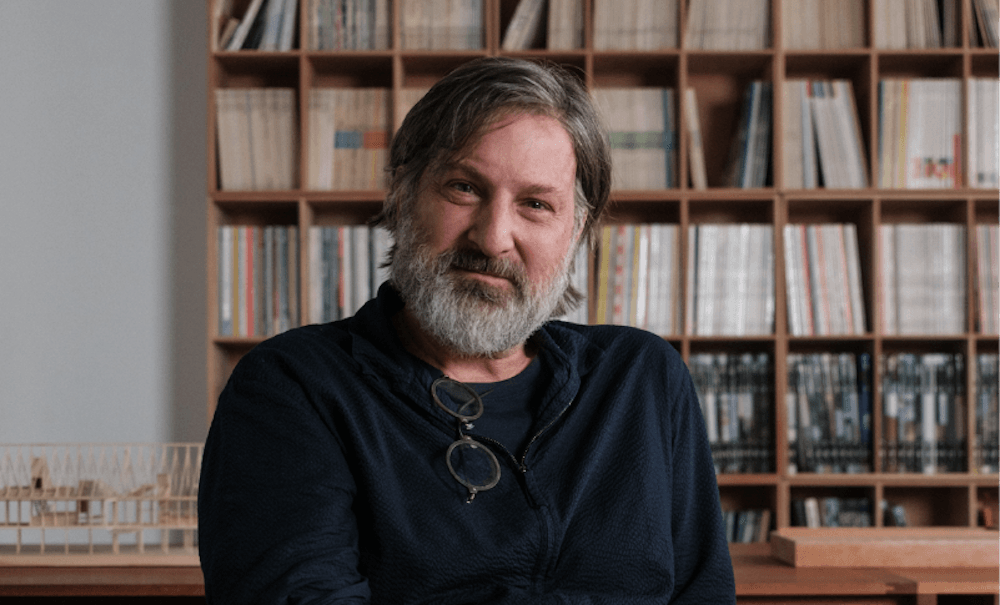
Smiljan Radić Clarke erhält Pritzker-Architekturpreis
Höchste Auszeichnung der Architektur vergeben

40 Jahre Stiftung Deutscher Architekten
Jubiläumsfeier im Düsseldorfer Medienhafen
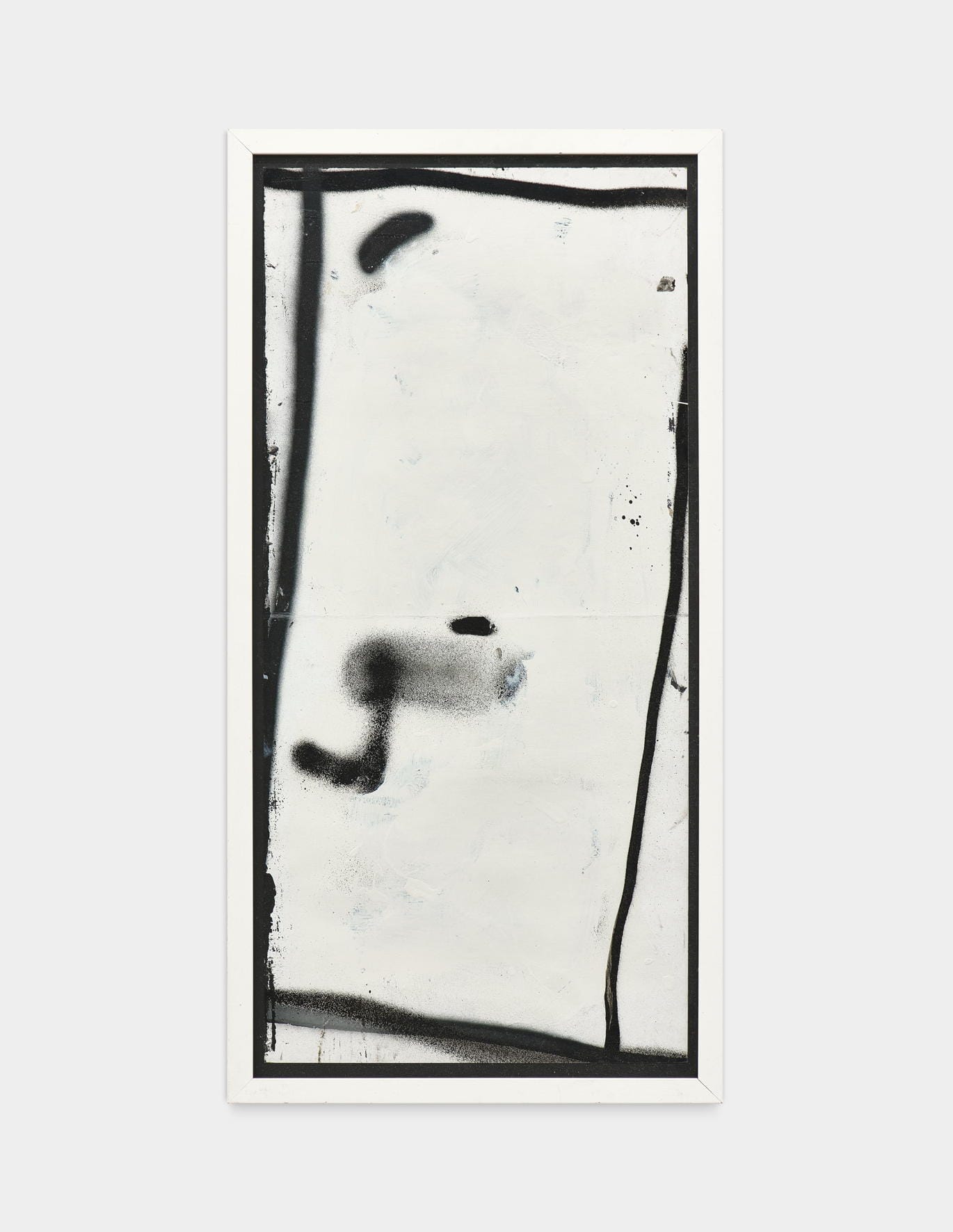
Steinstraße Siebzehn
Die Gruppenausstellung Steinstraße Siebzehn versammelt…