



Photo: Daniela Epstein
In Search of Fritz Epstein
Exhibition celebrates the legacy of Jewish architect Fritz Epstein
In January 2024, the granddaughter of BDA member Fritz Epstein reached out to BDA Frankfurt. The board responded by conducting a comprehensive review of his surviving works and reconstructing his life's story. In partnership with curator Susanne Thimm, photographer Moritz Bernoully, and graphic designer Elmar Lixenfeld, the BDA Frankfurt board has organized the exhibition "In Search of Traces – The Architect Fritz Epstein" at the BDA office and created a digital presence through the "Frankfurt History App" in collaboration with the Historical Museum. Against today's backdrop, an urgent question emerges: what becomes of people whose professional lives are disrupted or whose homes are taken from them due to political upheaval? In architectural practices across the world, colleagues from diverse nations, backgrounds, and faiths collaborate daily to shape our built environment. This diversity represents an invaluable asset—one that must never be compromised by political division. The exhibition speaks directly to this moment by reflecting on the historical events of 1933 and their resonance as we mark Holocaust Remembrance Day.
The architect Fritz Epstein (1877–1960) designed, constructed, and renovated approximately 150 buildings throughout Frankfurt, leaving an indelible imprint on the city's architectural character. His portfolio spans from Wilhelminian-influenced structures to the modernist vision of the 1920s and 1930s—a progression cut devastatingly short. Today, wartime destruction has claimed most of his works; only a handful survive. The exhibition documents these remaining buildings photographically, revealing the alterations they have undergone over the decades. Today's property owners may be unaware of the rich history embedded in these structures. Epstein launched his architectural practice at the turn of the 20th century. In 1909, he undertook a major renovation of the Jewish community center on Allerheiligenstraße, serving the Frankfurt Jewish community among other clients. He was the architect for the Rothschild family and restored the magnificent synagogue at Börneplatz. Simultaneously, he remained active in both Jewish and non-Jewish professional associations and civic organizations. A self-described Zionist, Epstein displayed keen interest throughout the 1920s and 1930s in the "New Building" movement flourishing in both Frankfurt and Palestine. In this way, he fostered intellectual, technical, and aesthetic dialogue across multiple communities. He held membership in the Association of German Architects (BDA) until 1933, when the organization's bylaws were rewritten in autumn following the Nazi seizure of power. Henceforth, the BDA would admit only members of "Aryan descent."
Forced to leave Germany in 1933, Fritz Epstein's buildings remain woven into Frankfurt's everyday landscape. As a Jew, Epstein was formally "struck from" the federal membership roster—a fate officially confirmed in a BDA letter dated October 4, 1933. By then, he had already fled. In May 1933, facing rapidly deteriorating conditions for Jews in Germany, Epstein escaped to Tel Aviv with his family, joining the tide of refugees. Many of his relatives would not survive the Nazi terror. In Tel Aviv, Epstein continued practicing architecture independently, though with considerably less prominence and success than his Frankfurt years afforded. In 1956, Epstein returned to Germany, where he lived out his remaining years until his death in 1960. The BDA reinstated his membership in August 1956. During 1933, Epstein's architectural office was based at Zeil 81 in Frankfurt. In January 2019, the Stolpersteine Frankfurt am Main e.V. initiative installed four memorial stones honoring Fritz, Margarethe, Werner, and Alfred Epstein at his residence on Unterlindau 29. The BDA Bund has since documented the association's contested role during the Nazi period in a comprehensive chronicle. In 1930, Frankfurt's BDA chapter counted 41 members, approximately eight of whom were Jewish colleagues.
More News
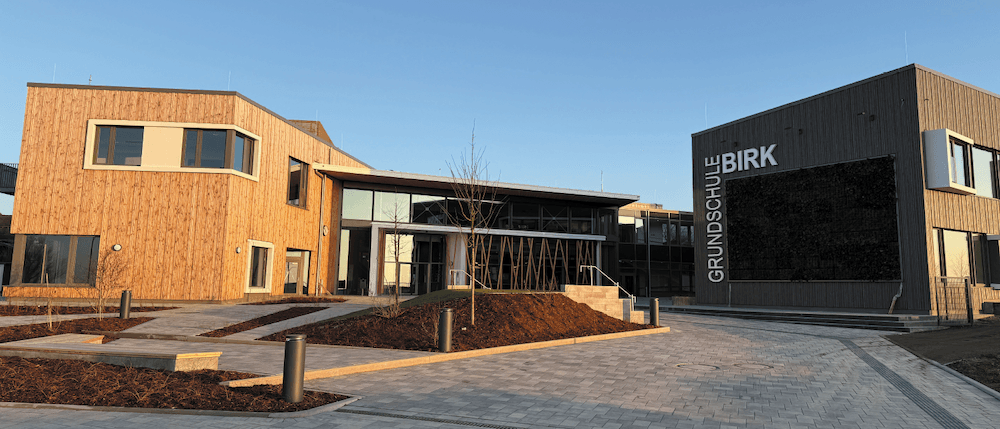
North Rhine-Westphalia Timber Construction Award 2026
The application period runs until 30 June

"EXPO RETHINK:DESIGN 2026 – Building, Living, Life!"
Exhibition by the Baden-Württemberg Design Centre

Positions on Freedom
Exhibition at the Museum of Applied Arts
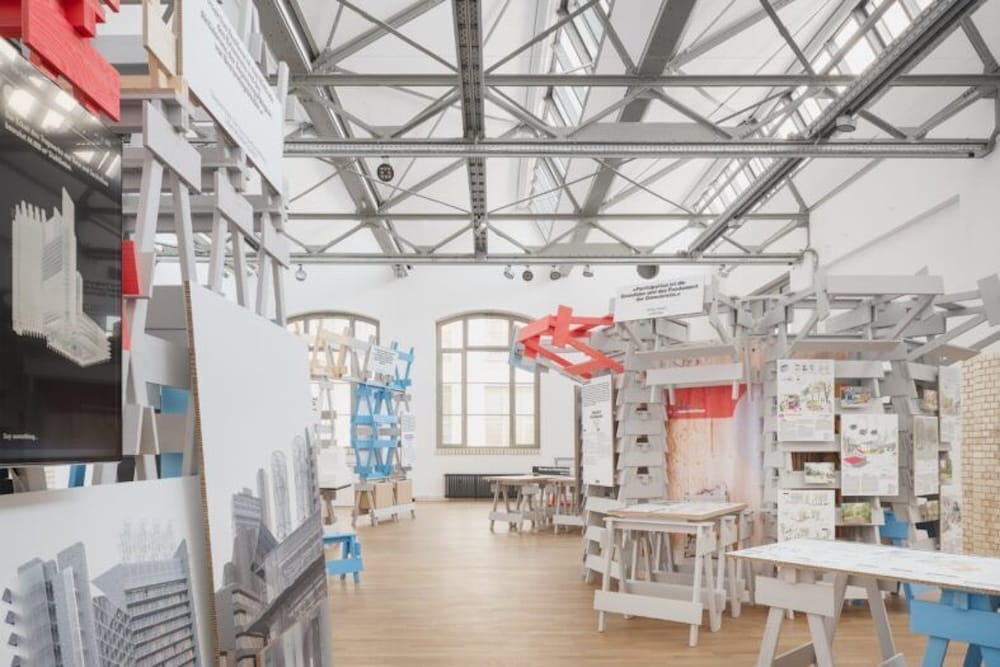
Construction Site Transformation. Ten Strategies for City and Country
Exhibition at the German Architecture Center