


A Sanctuary of Calm
Single-family home with restrained architectural language and thoughtful material selection
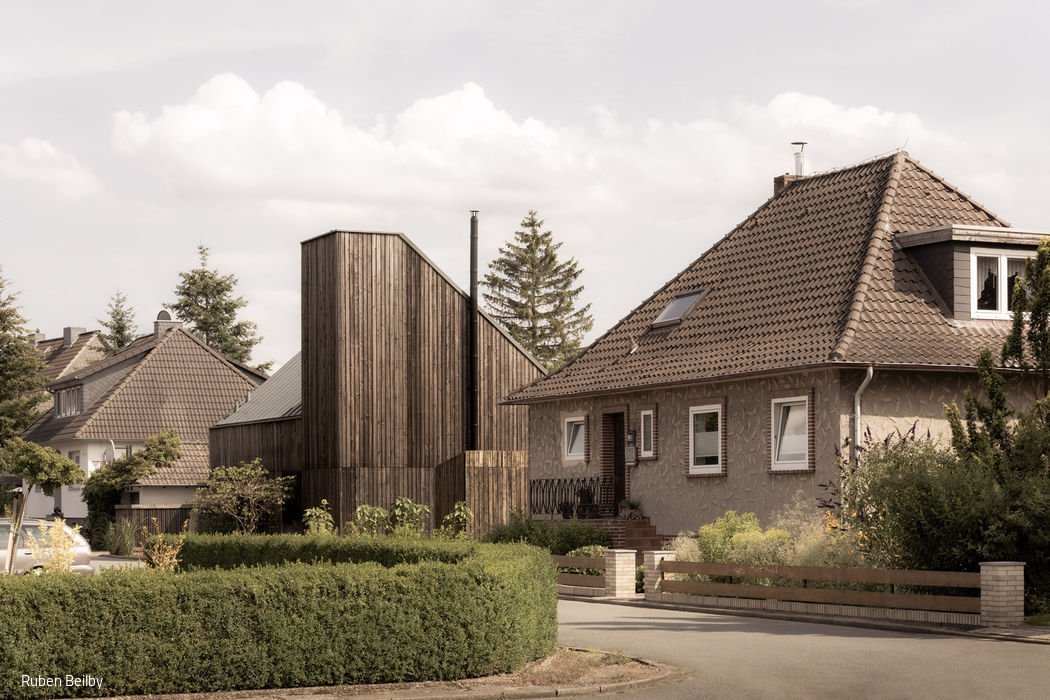


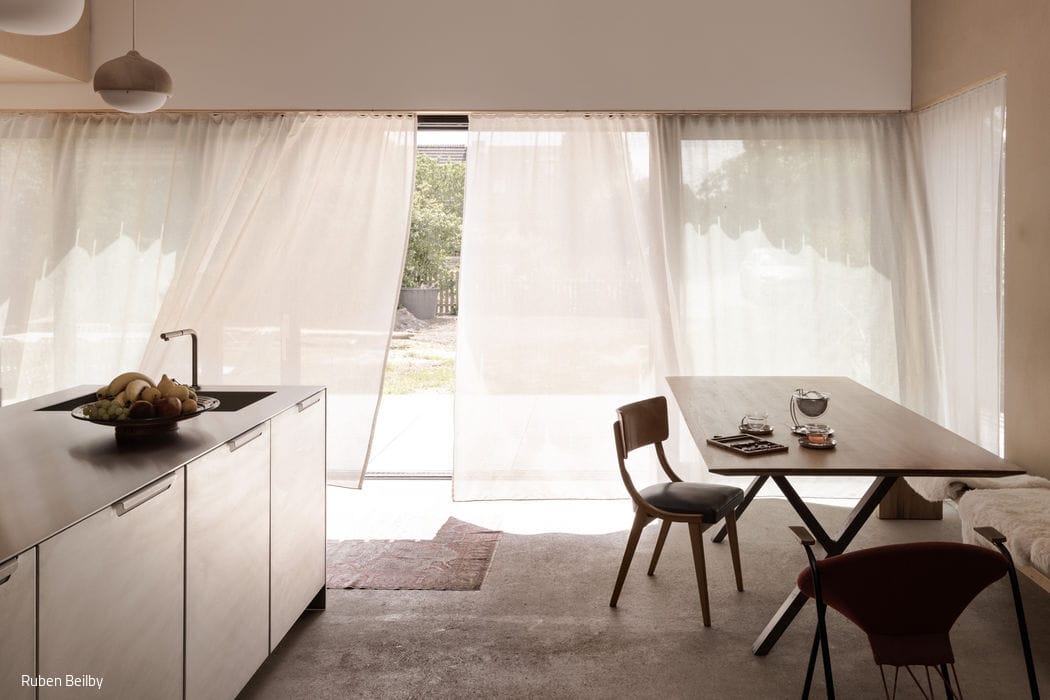


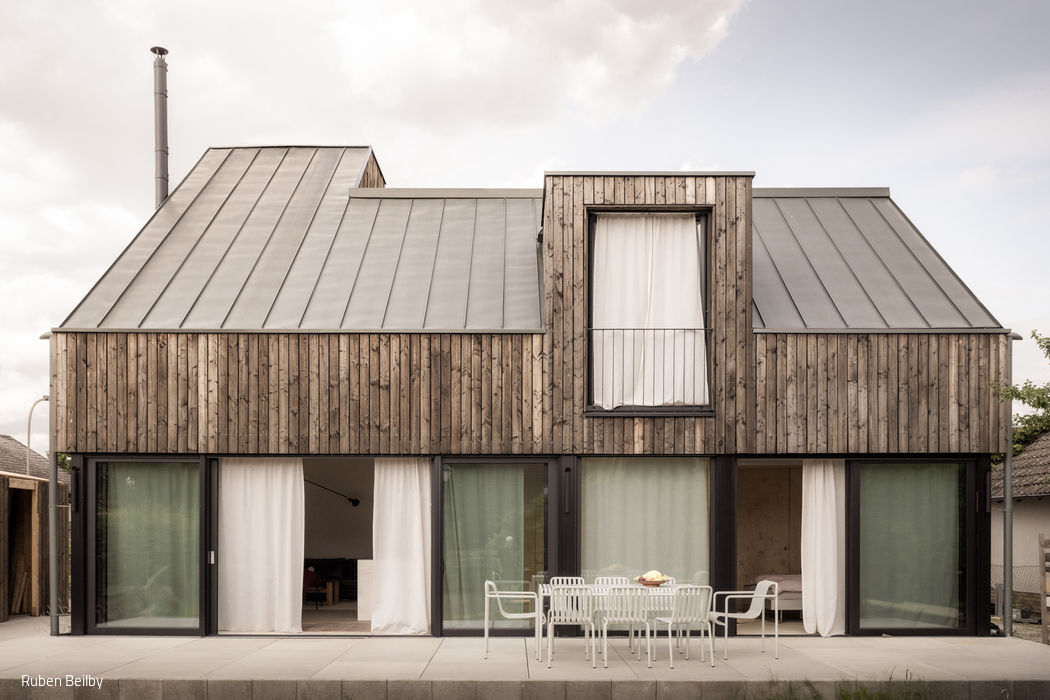


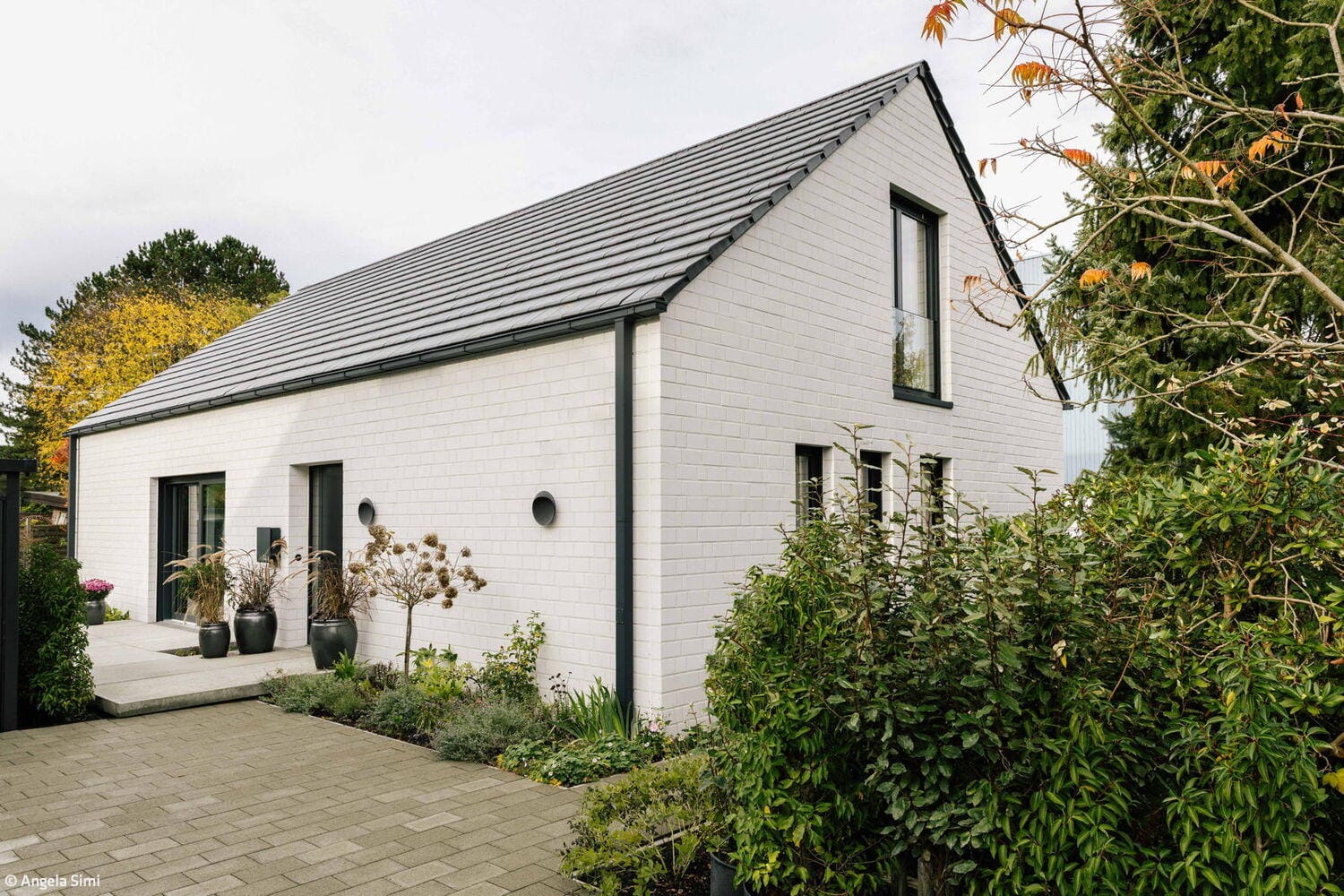
Strikingly different, yet perfectly at home: the house stands apart from its neighbours through its refined minimalist design and expansive openings, yet it integrates seamlessly into the surrounding area through its proportions, clean lines, and colour palette. Externally, the residence is defined by timber framing and a gabled roof—a deliberate echo of local building heritage found in the region's farmsteads and barns. While the street-facing side presents a restrained facade, the garden side reveals an entirely different character: generous interior-exterior connections that dissolve the boundary between inside and out. From the living room with its open kitchen, the bedroom, and even the bathtub—which ingeniously converts into a window seat—the gaze flows uninterrupted toward the garden. The ground-floor bathroom, finished in cement tiles, receives borrowed light through glass blocks on the garden elevation. The architecturally distinctive dormer floods the upper spaces with natural light while cleverly channeling warm air through the stack effect during summer months, creating a naturally ventilated interior.
The ground floor pivots around a central core—accommodating the bathroom, kitchen, and staircase to the upper level—that naturally organizes the living spaces. Sliding doors allow these zones to flow together or operate independently, eliminating the need for corridors and wasted circulation space. The kitchen, tucked beneath the staircase and shared with the living room, can be discreetly hidden away when desired. Upstairs, a guest suite with integrated bathroom occupies the gable wall, its light drawn through a garden-facing dormer. The vertical timber cladding of local larch continues its visual rhythm across the roof via standing-seam zinc detailing—a material dialogue consistent in tone and texture. Inside, the same restraint prevails throughout. Every material speaks to essential purpose: clay plaster walls regulate humidity naturally, while a tinted, ground-and-polished concrete screed provides the understated foundation for the staircase and built-ins finished in birch. Aluminium accents complete the kitchen's material palette.
During planning and construction, the client and architects swiftly aligned on a straightforward building approach—one that avoids unnecessary complexity and prioritizes sustainable materials. This low-tech philosophy informed the design of the dormer itself: its chimney-stack effect supports natural ventilation while introducing soft, indirect light to interior spaces. Most tellingly, the house—largely built by the family under the direction of their daughter, architect Ann-Kathrin Lepke—emanates an unhurried calm, the direct result of its unwavering focus on what truly matters.
Photography Credits:
Ruben Beilby
www.rubenbeilby.de
(Featured in CUBE Berlin 01|24)
Not Set in Stone
A Sculptor's Studio Reimagined: Living Space Across Multiple Levels

Life-Stage House
A Versatile Heritage: Modular Design Meets Adaptive Living
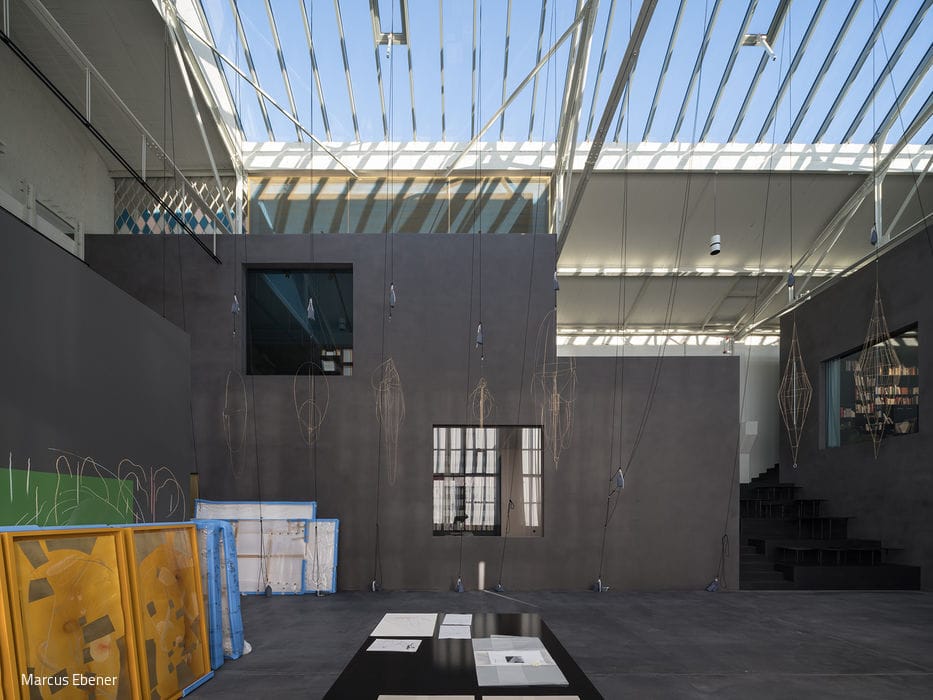
Extravagant Interiors
The architects' house-within-a-house concept is a masterstroke.
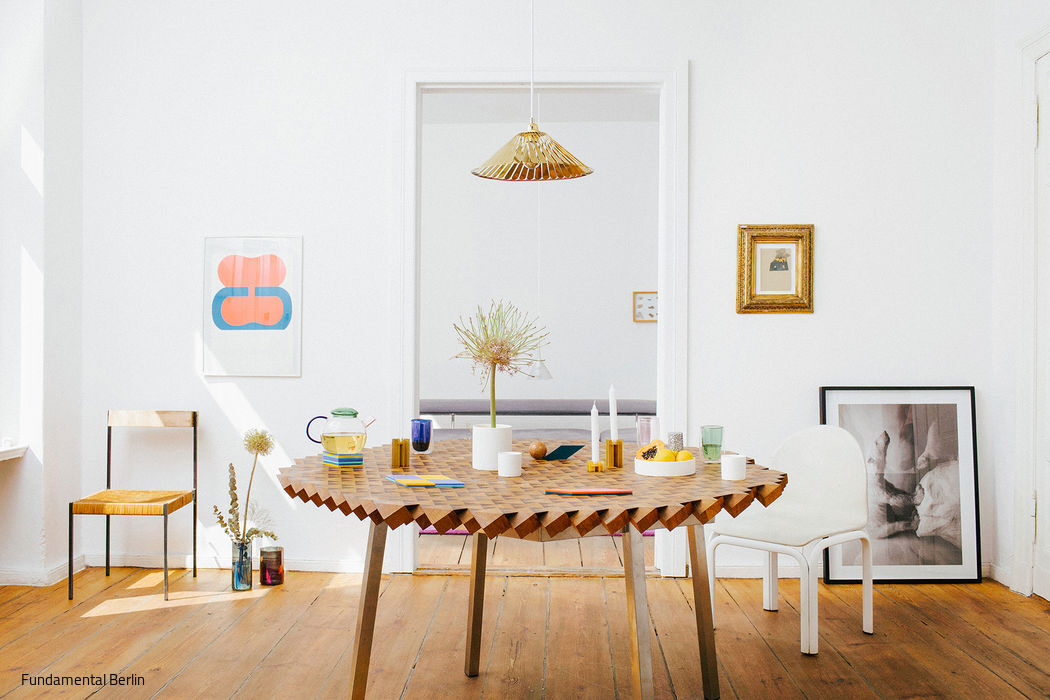
Where Mathematics Meets Nature
Fundamental Berlin creates furniture, lighting, and ceramic collections.