


A Temporary Refuge
TRI.O Boarding House redefines what it means to live in the city—temporarily and thoughtfully
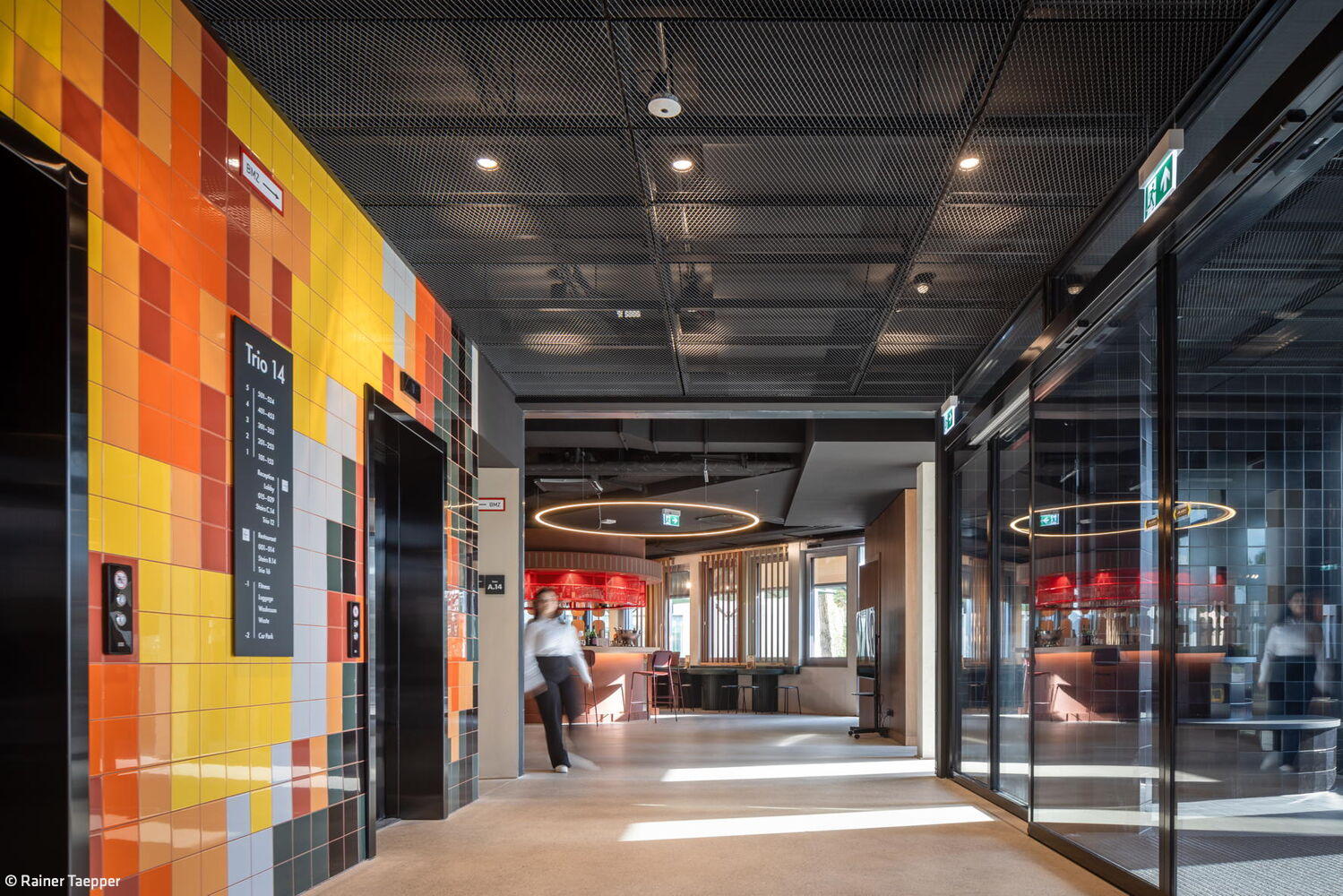
Nestled among the Isar wetlands, television studios, corporate headquarters, and urban vibrancy, an architectural landmark—both historic and decidedly contemporary—rises from the Unterföhring business district: the TRI.O Boardinghaus. Three distinctive octagonal towers, originally constructed in 1992 as office buildings under the name "Oktavian," have been reimagined for a new purpose. While the northern tower remains dedicated to office use, owner Grundkontor and its subsidiary PG Münchner Straße commissioned Munich-based architect Olufemi Moser to transform the two southern towers into a boarding house and hotel. The project responds to the growing appetite for flexible, temporary living across the Munich metropolitan area, demonstrating how short-term accommodation can evolve into something far more meaningful—a welcoming refuge that nurtures connection, calm, and genuine arrival.
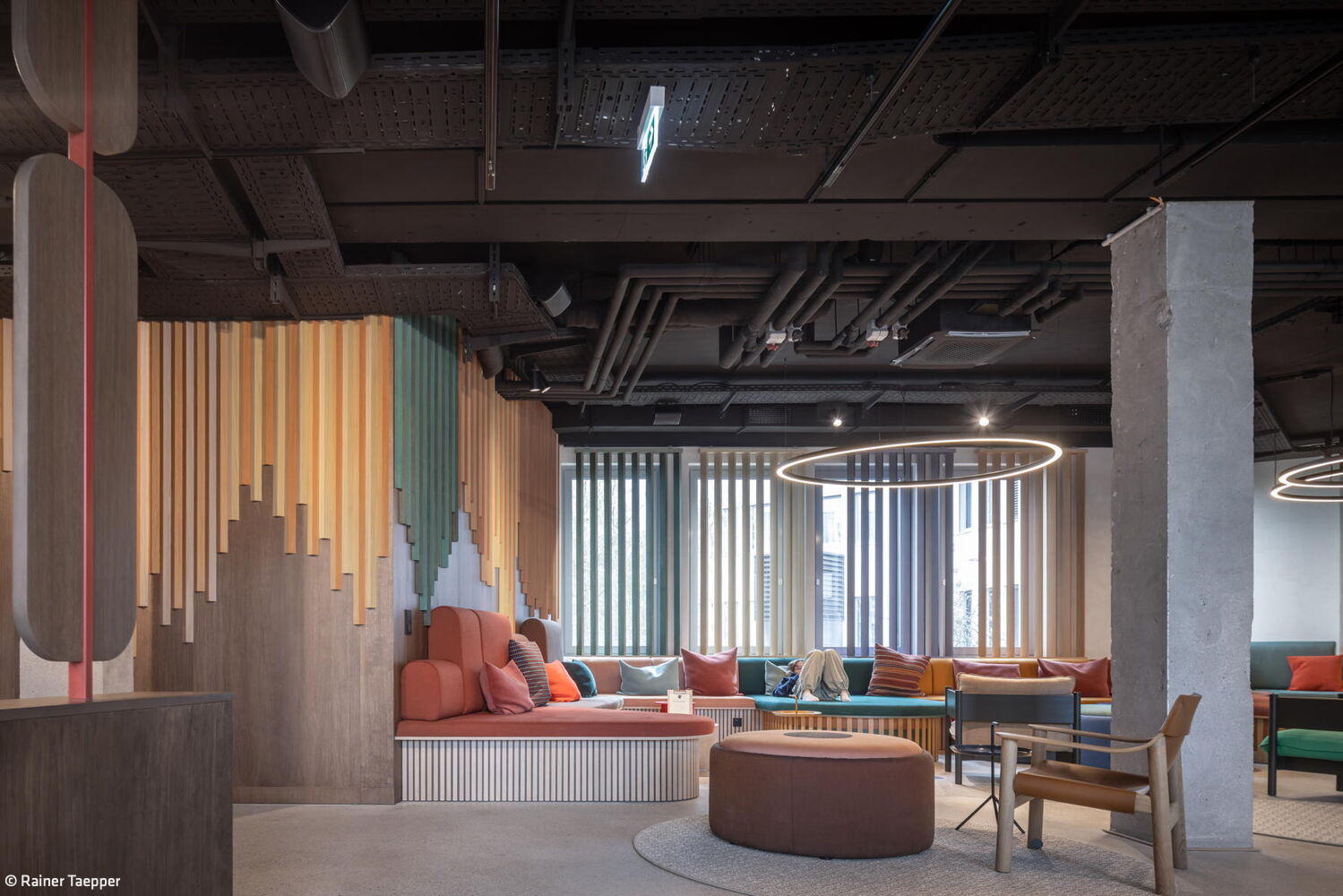
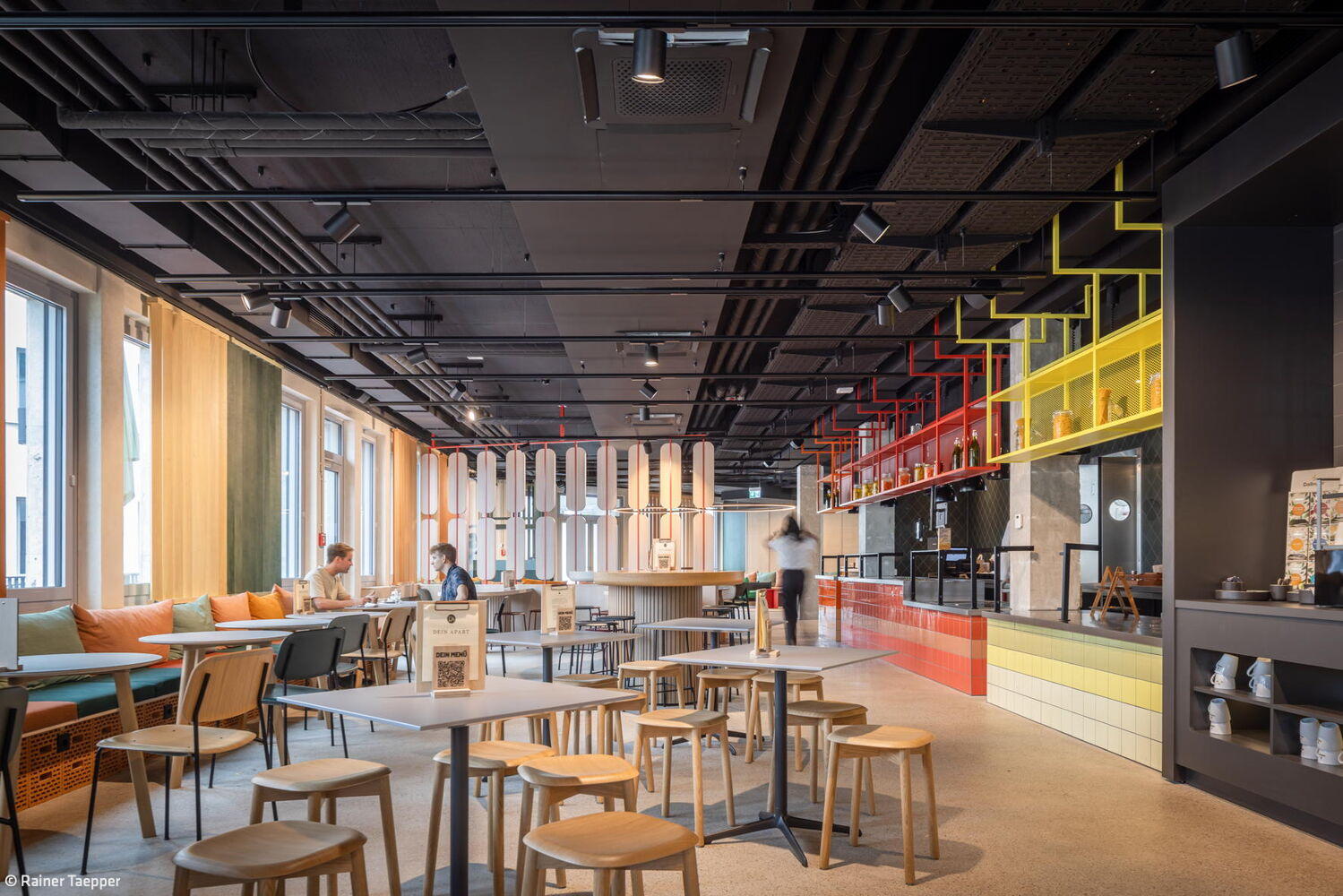
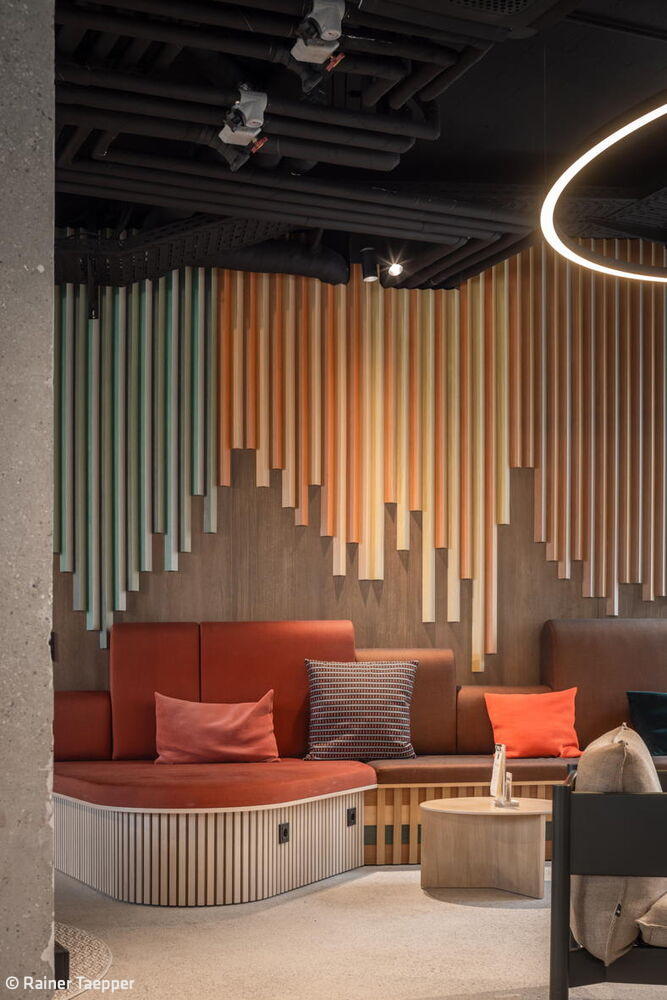
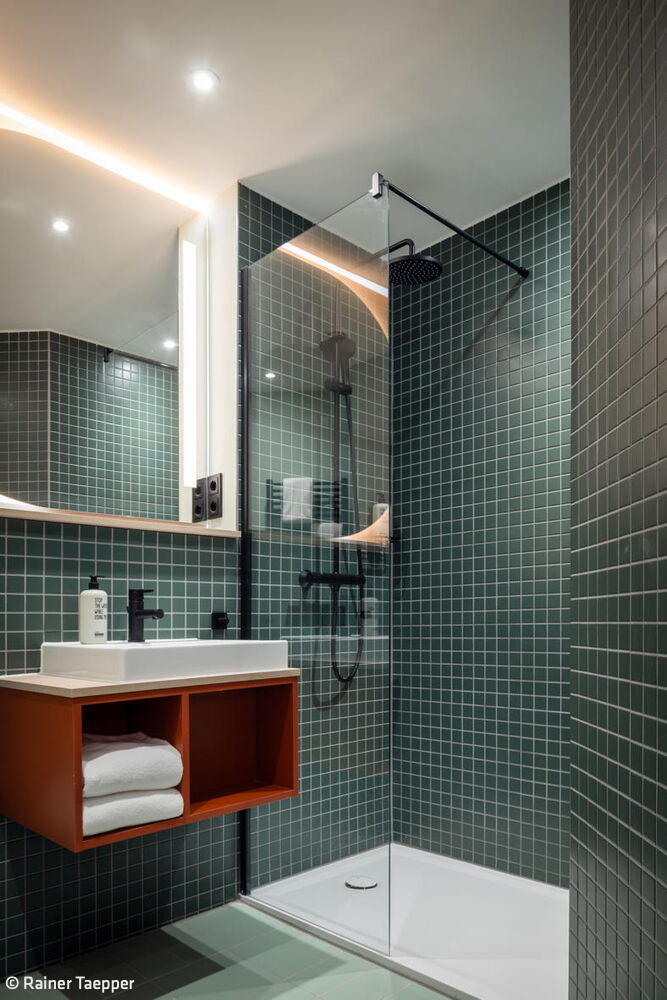
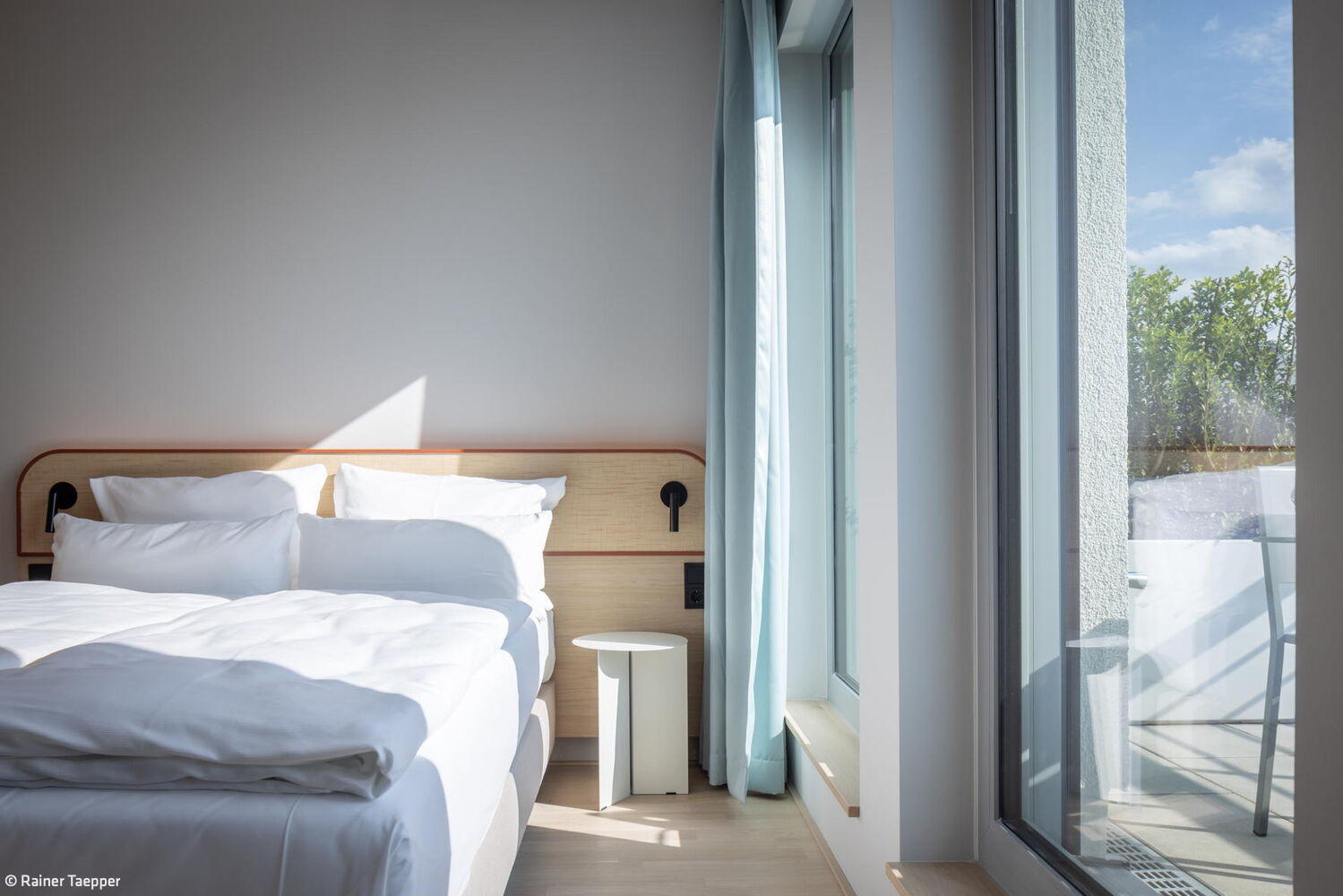
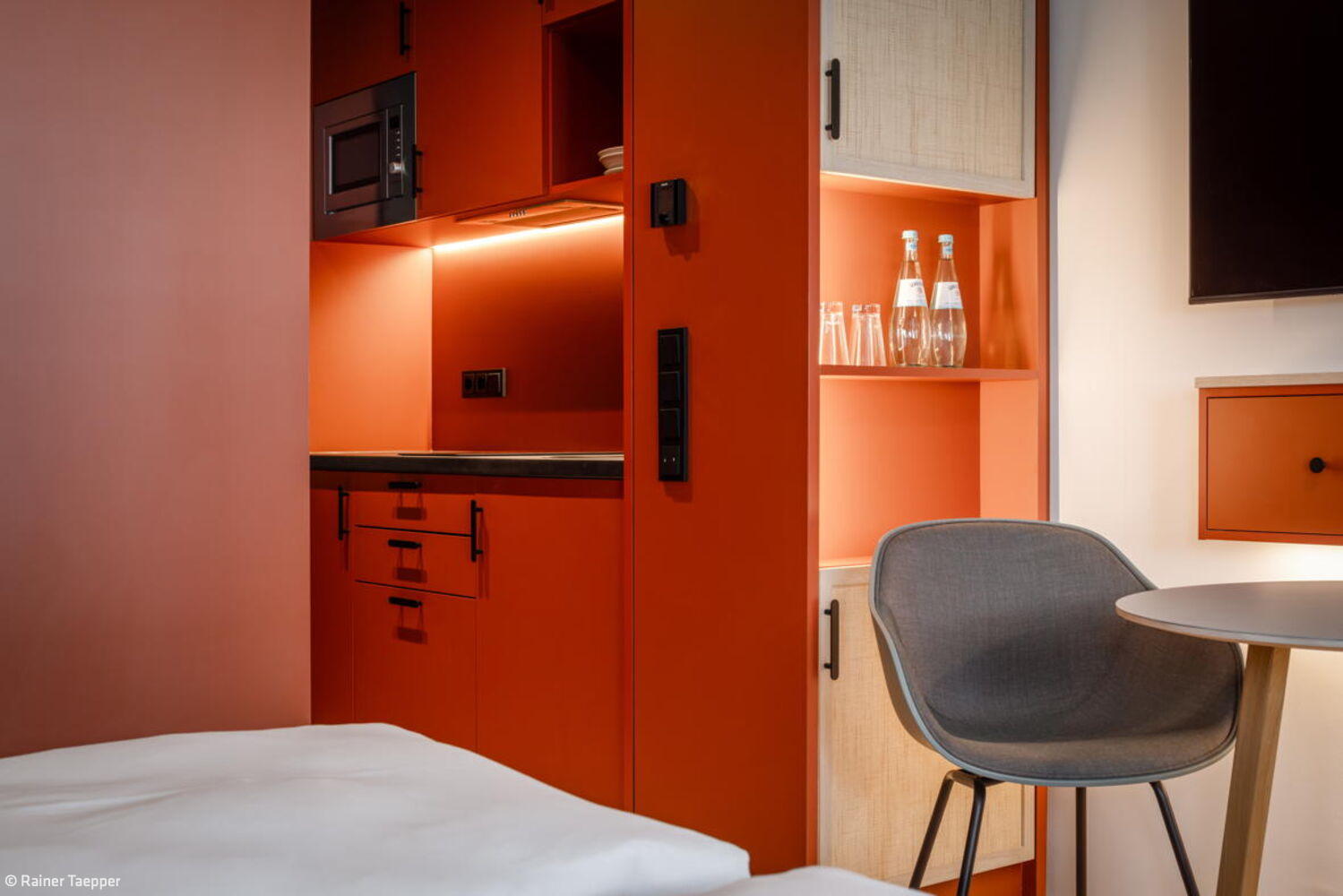
The 561 apartments—each with kitchenette and ensuite bathroom—deliver the refinement of an upscale hotel while celebrating the personality of each resident. Woven throughout is a unifying design narrative: the "jungle" theme brings the interiors to life with vibrant, lifestyle-conscious aesthetics. Warm materials, crisp lines, and a thoughtfully restrained color foundation reinforce the notion that temporary living deserves to be beautiful, personal, and genuinely restorative. Striking accents—deep reds, lush greens, warm spice tones, and golden yellows—infuse exotic character throughout. Clever details amplify this energy: intricate tile mosaics in the elevator lobbies, wooden shutters, and refined two-tone triangular wall panels create an atmosphere distinctly its own. The designers extended this creative vision to furnishings and surfaces alike. Within each serviced apartment, a striking red-lacquered wooden box—ingeniously housing the mini kitchen and bathroom—anchors the entry as a defining architectural gesture.
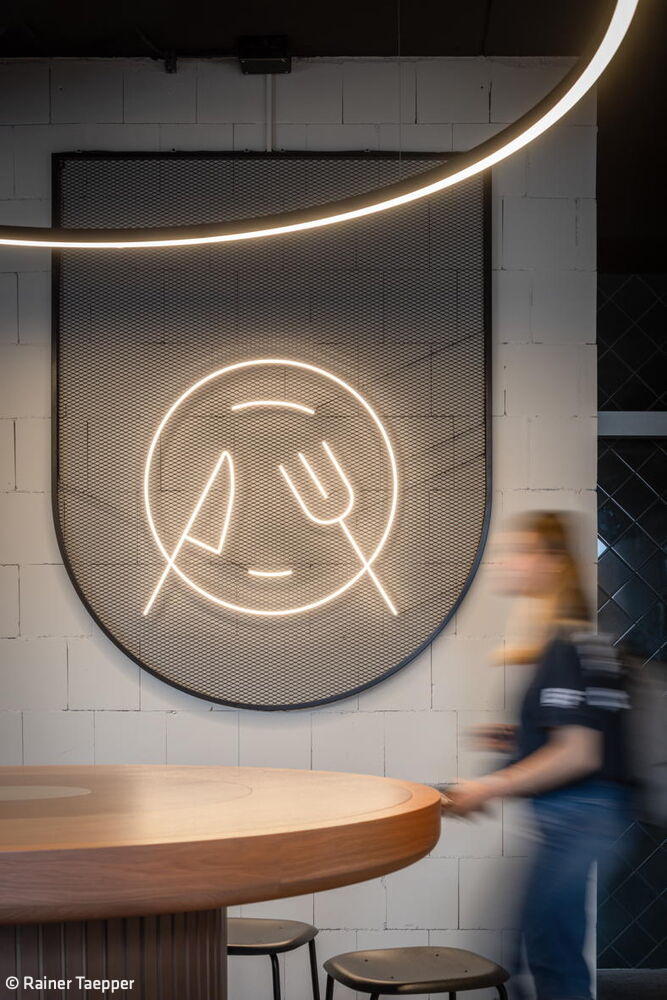
Corridors in soft green tones echo the buildings' octagonal geometry, with color shifts every 90 degrees guiding visitors intuitively through the space. The ground floor of the central hotel tower and the shared basement level connecting both structures house the complete public realm—thoughtfully reimagined by the architects to include a deli, lounges, terraced outdoor spaces, self-check-in facilities, laundry lounges, and dedicated wellness areas for massage, yoga, and fitness. Flooded with natural light from both exterior and interior courtyard facades, these spaces feel authentically open to the landscaped grounds beyond.
Photography:
Rainer Taepper
www.rainertaepper.com
(Published in CUBE Munich 03|25)


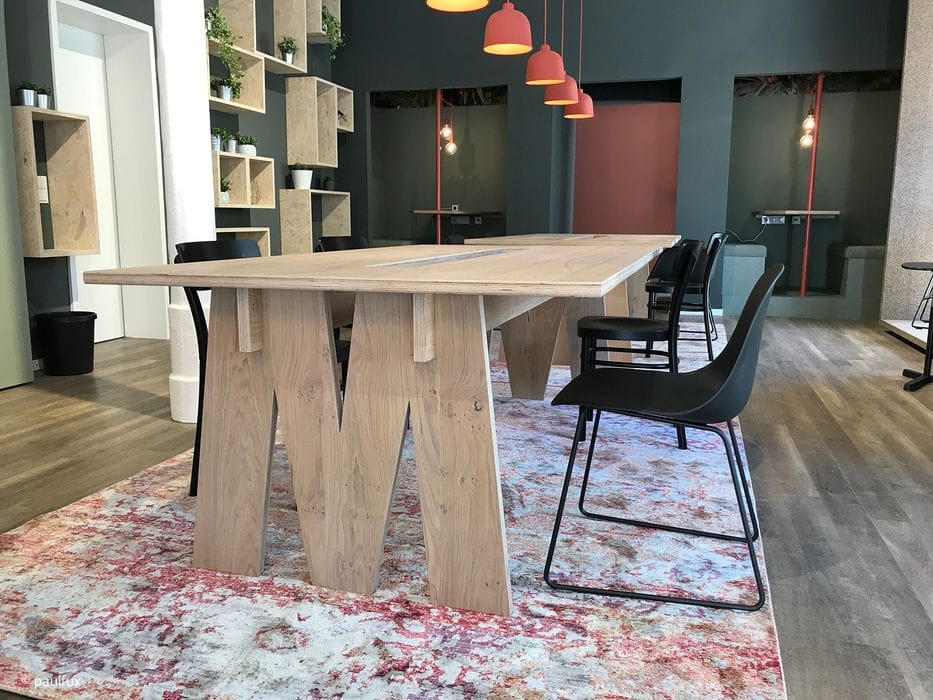
Optimize Your Space
paulfux creates bespoke furniture, designs spatial solutions, and manufactures purposeful products.
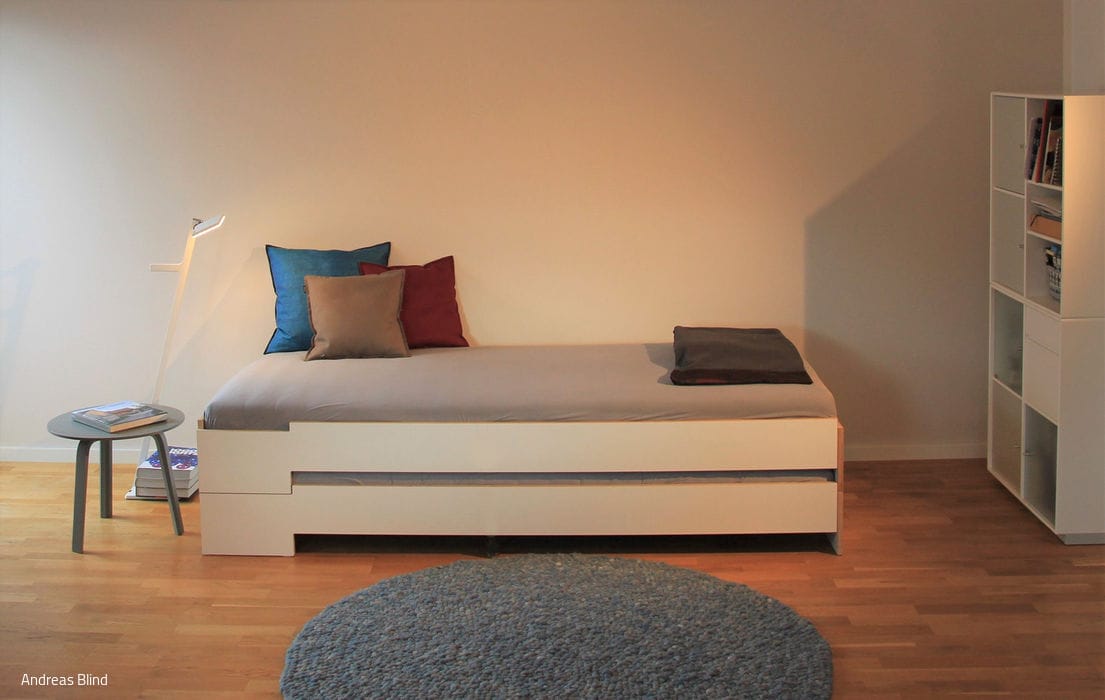
Furniture That Does More
A Munich label crafting beautifully designed, functional, and sustainably produced furniture
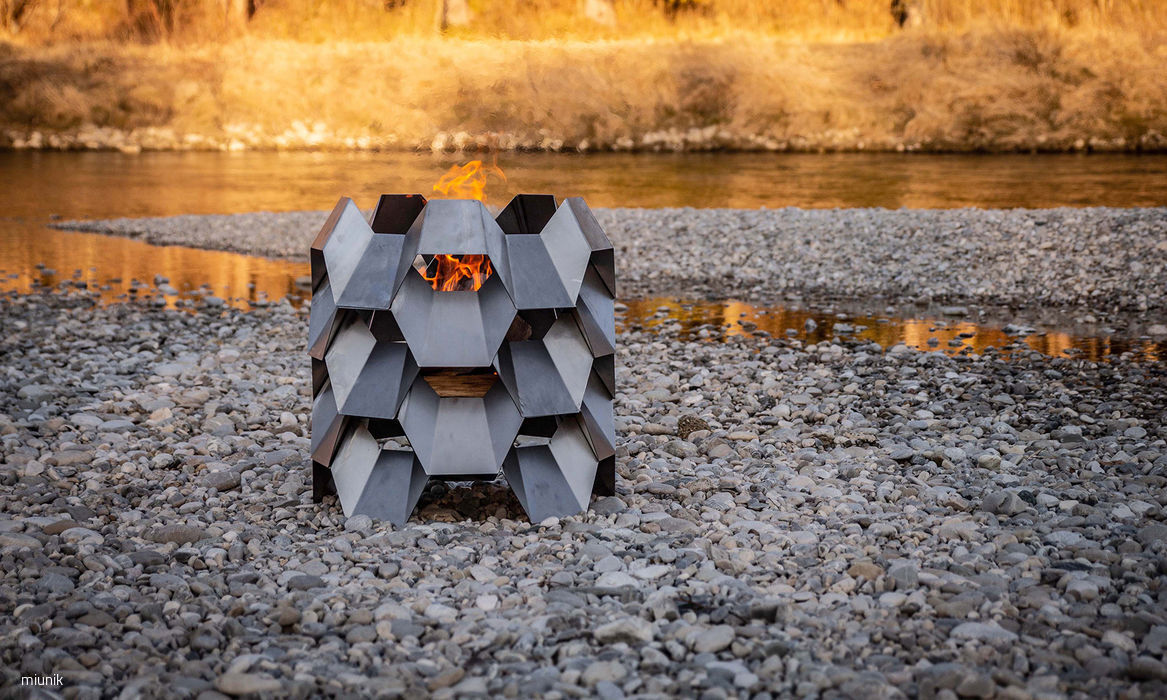
Design on Fire
miunik designs geometrically sophisticated fire bowls available in adjustable heights.
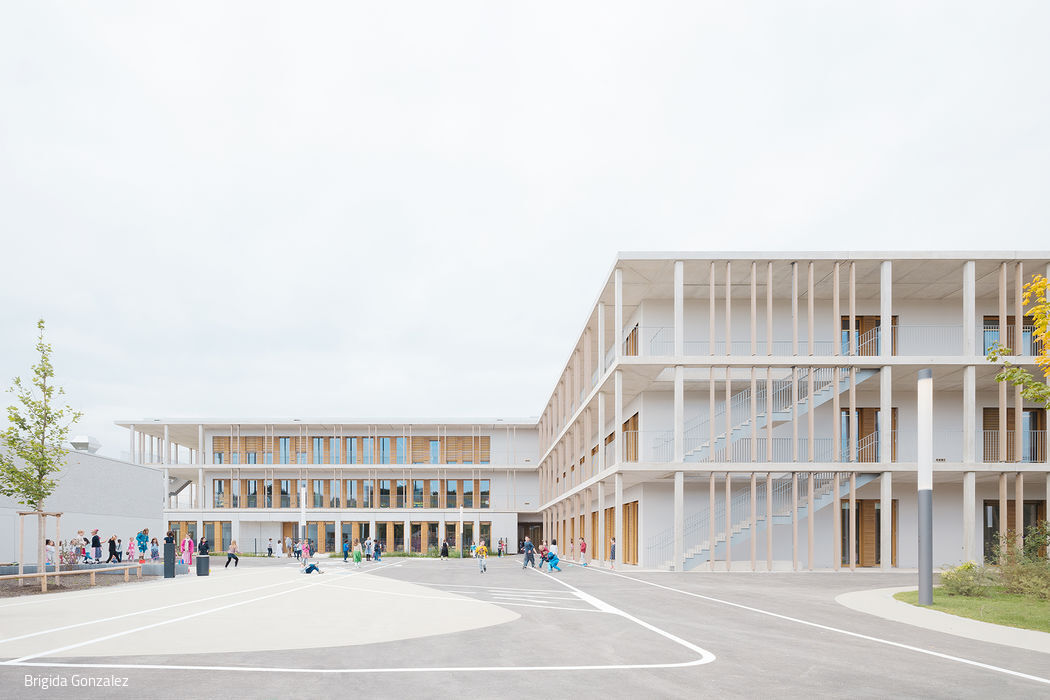
Temporary Home with School
Four Primary Schools, Modular Design—Built Fast, Designed Flexible