


A Testament to Endurance
A 500-Year-Old Timber House Restored to Life
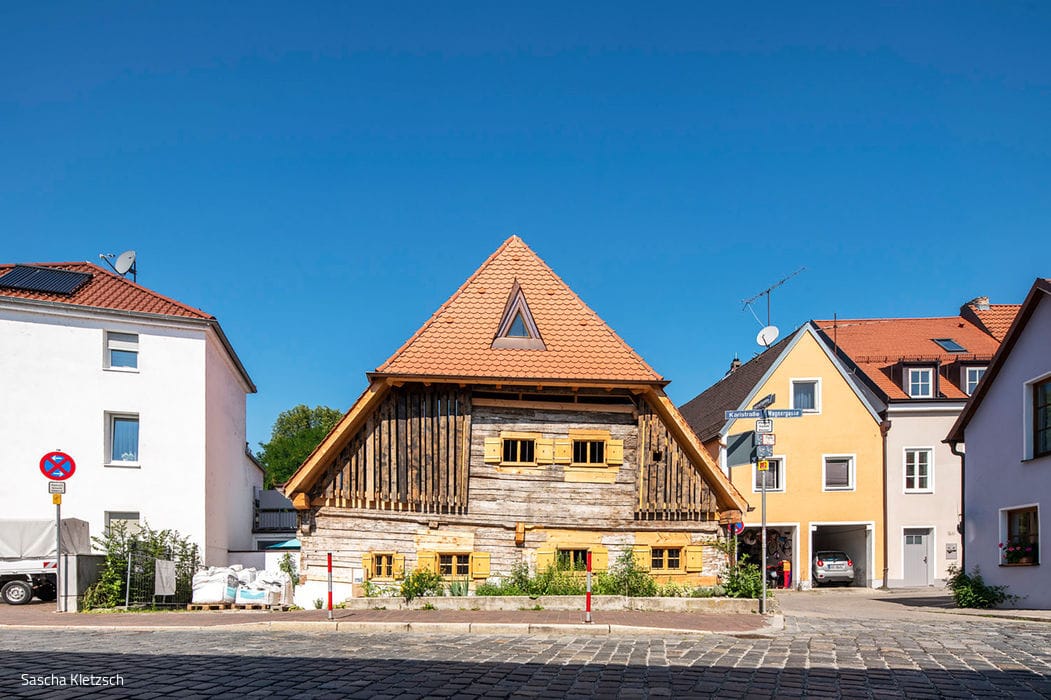
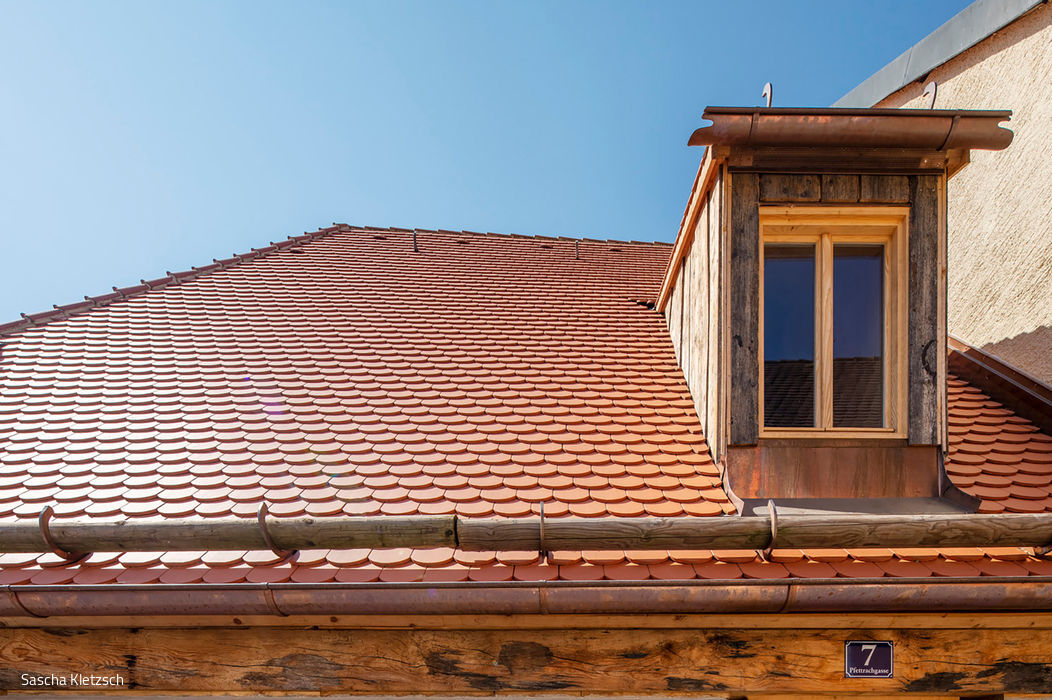
If these walls could talk – Munich architect Markus Stenger has given them voice. Fate seems to have written this partnership. Through Stenger₂ Architekten und Partner, his practice champions environmentally responsible building, sensitive restoration of historic structures, and the thoughtful use of enduring materials. When Stenger discovered a small, protected timber house that had been poorly altered over three decades, it felt like destiny. He undertook a meticulous archaeological excavation—stripping away layers inside and out, revealing the structure's original essence layer by careful layer. Two years of devoted work culminated in a stunning discovery: dendrochronological analysis confirmed the house was built in 1486, making it 536 years old. Today it stands as the showpiece of "Circular Construction – From Waste to Purpose," an exhibition running through July 2nd at Munich's Architekturgalerie in a converted wartime bunker. The message resonates clearly: timber endures. Wood has always been a building material built to last centuries. According to its construction history, the house has passed through 40 hands—making the architect who purchased this monument the 41st owner.
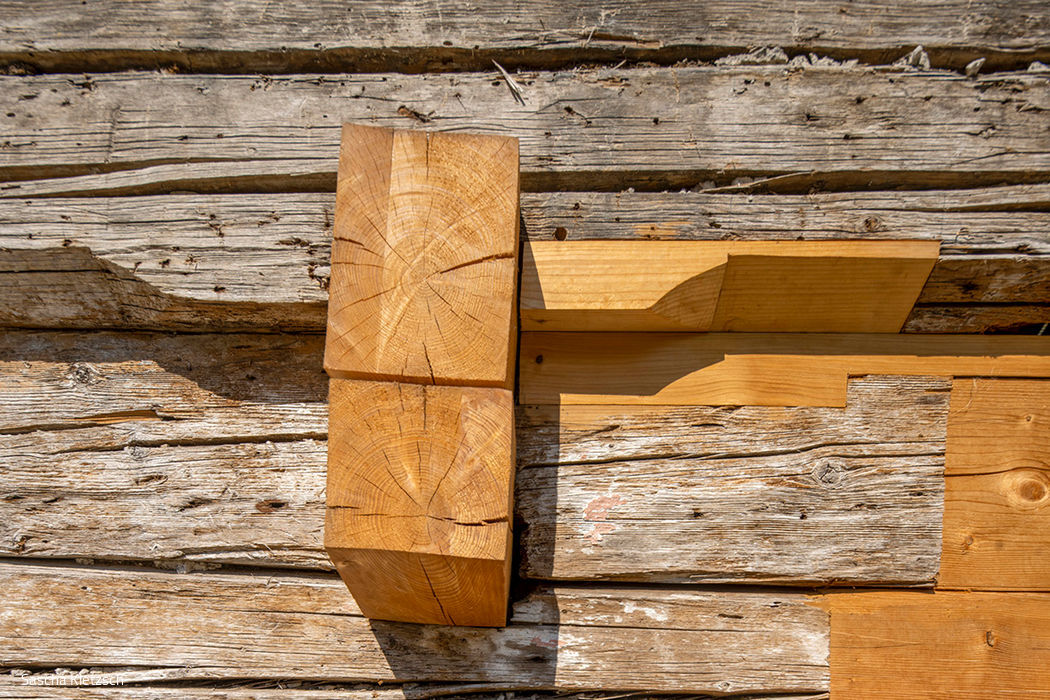
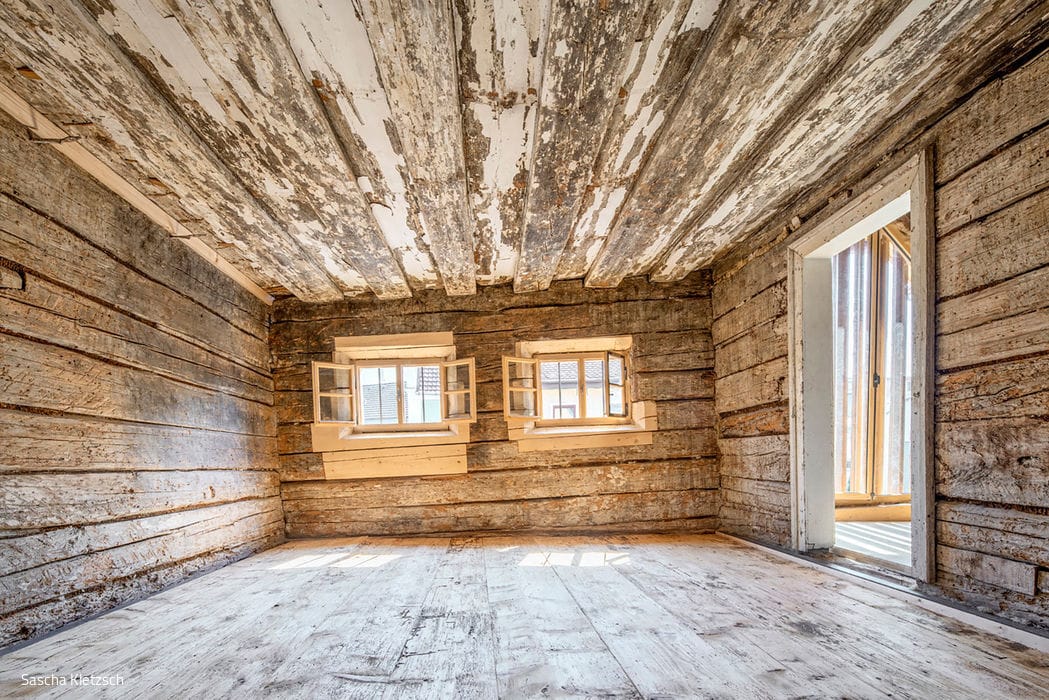
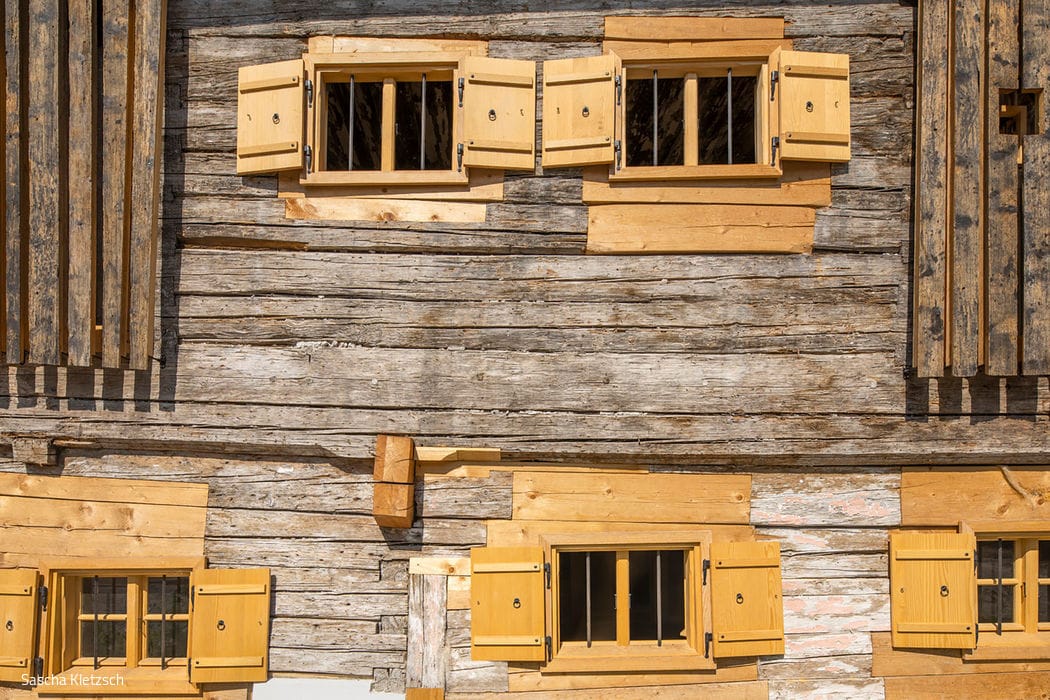
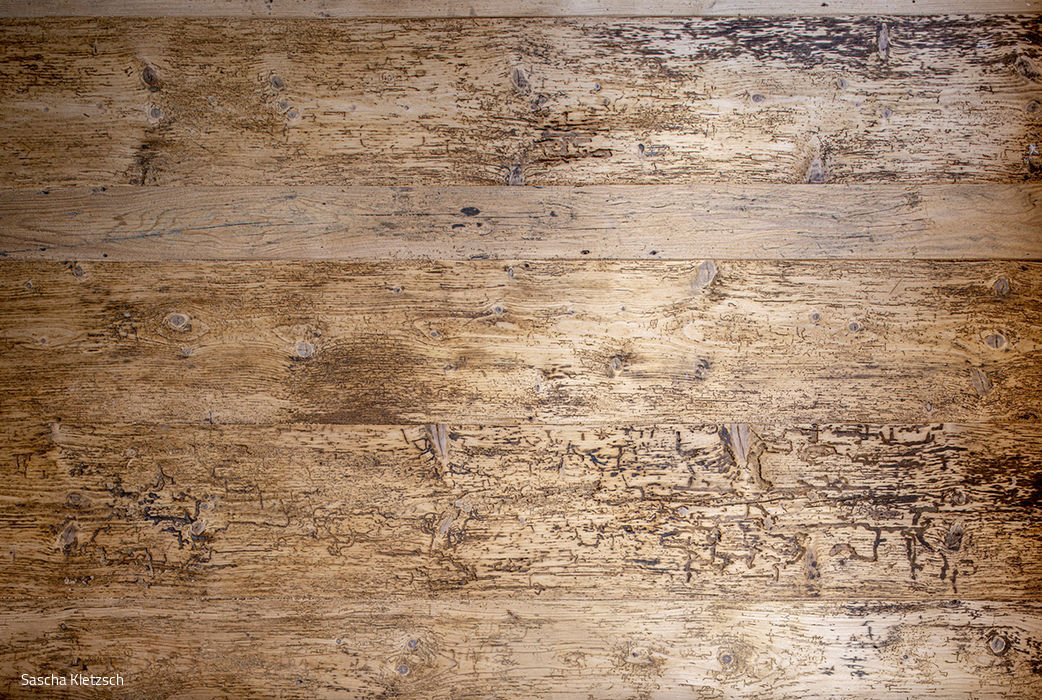
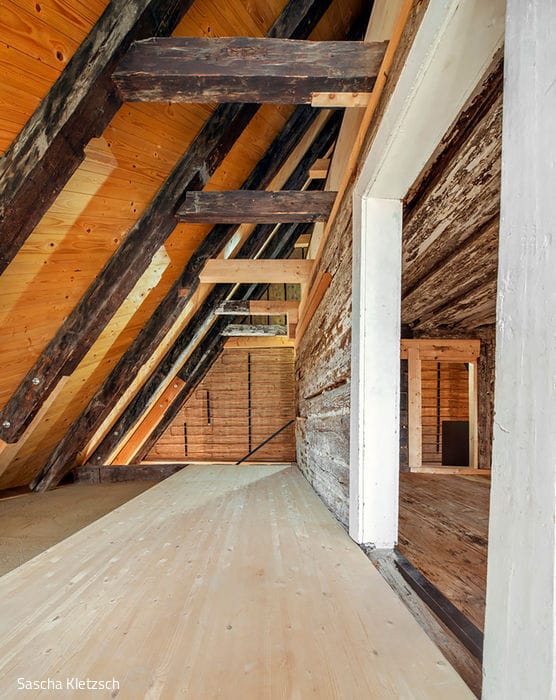
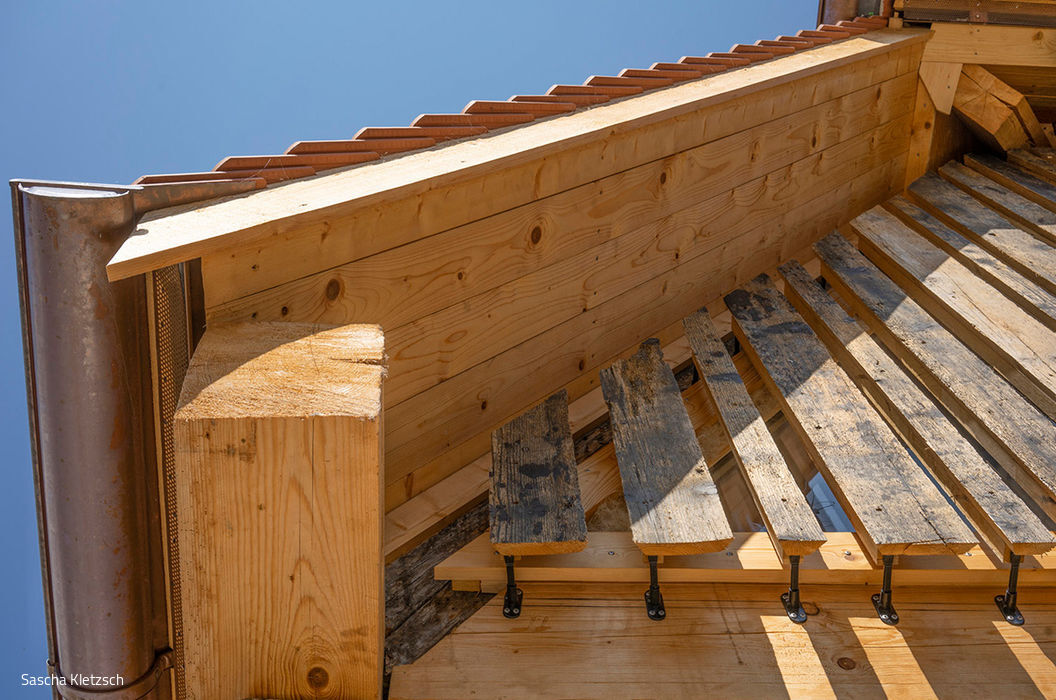
Restoring the house to its original state unfolded across multiple phases. The timbers likely traveled downriver on rafts from the Bavarian highlands, floated down the Isar to their destination. The structure originally contained a living room, sleeping chambers, and utility spaces for tools, small livestock, and pigeons—a typical craftsman's dwelling of its era. Wealthy patricians later acquired and expanded it into their household. Stenger personally undertook the painstaking work, removing layer after layer with surgical precision to preserve what emerged beneath: the patina of centuries, the austere beauty of age, sound timber, and areas of decay carefully replaced piece by piece. Old elements remain dark; new interventions are light—creating an honest patchwork narrative. The restoration deliberately rejected modern materials: no cement, plastics, gypsum, synthetic dispersions, or bituminous compounds. Instead, traditional materials were restored—clay, loam, wood, reed, lime putty, hemp, and linseed oil—preserving maximum authenticity. The architect's vision for this "treasure chest," as he affectionately calls it, is to repurpose it as a guest house and cultural event venue.
www.zurgastgeb.de
www.stenger2.de
Photography Credits:
Sascha Kletzsch
www.sascha-kletzsch.de
(Published in CUBE Munich 02|22)
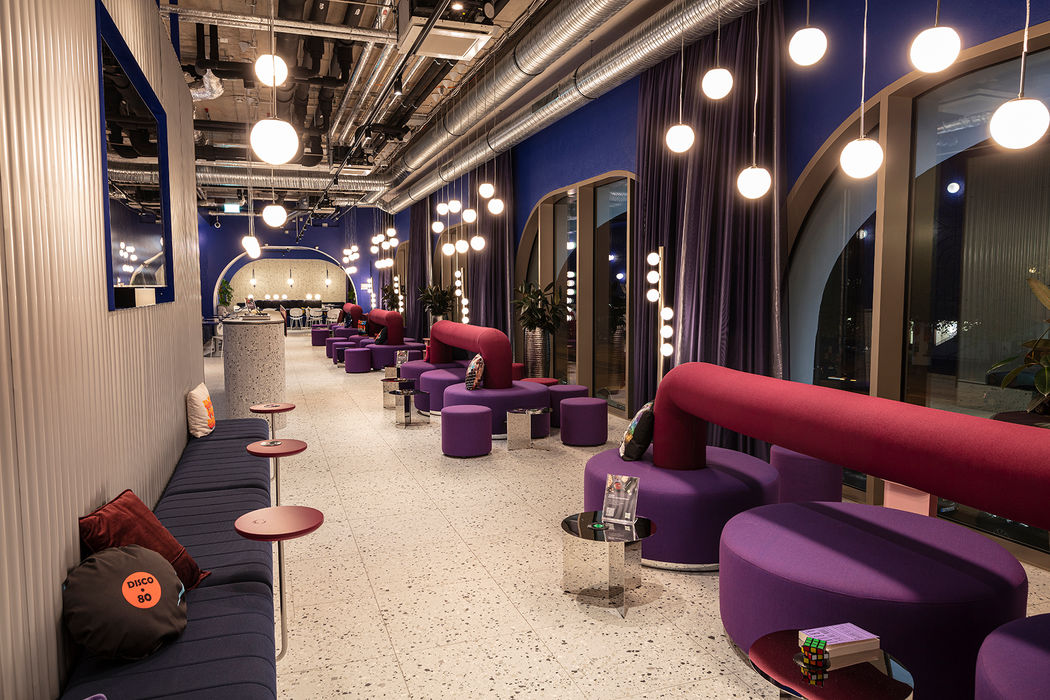
Munich Disco
A striking new hotel in Neuperlach turns heads with its bold design approach
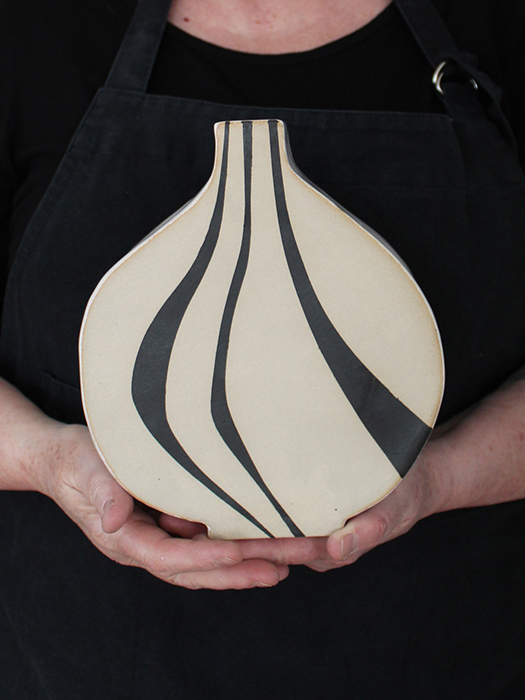
Color and Clear Forms
Andrea Reicherzer Creates Ceramics for Everyday Living
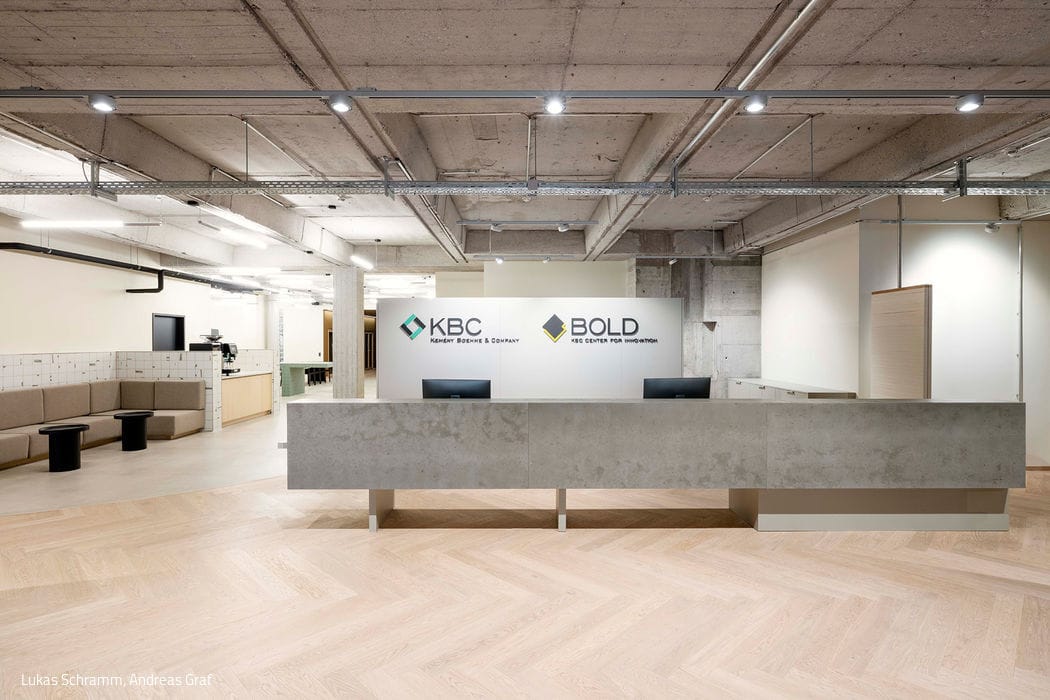
Industrial Meets Contemporary
A Munich Consultancy Gets a Custom-Designed Workspace
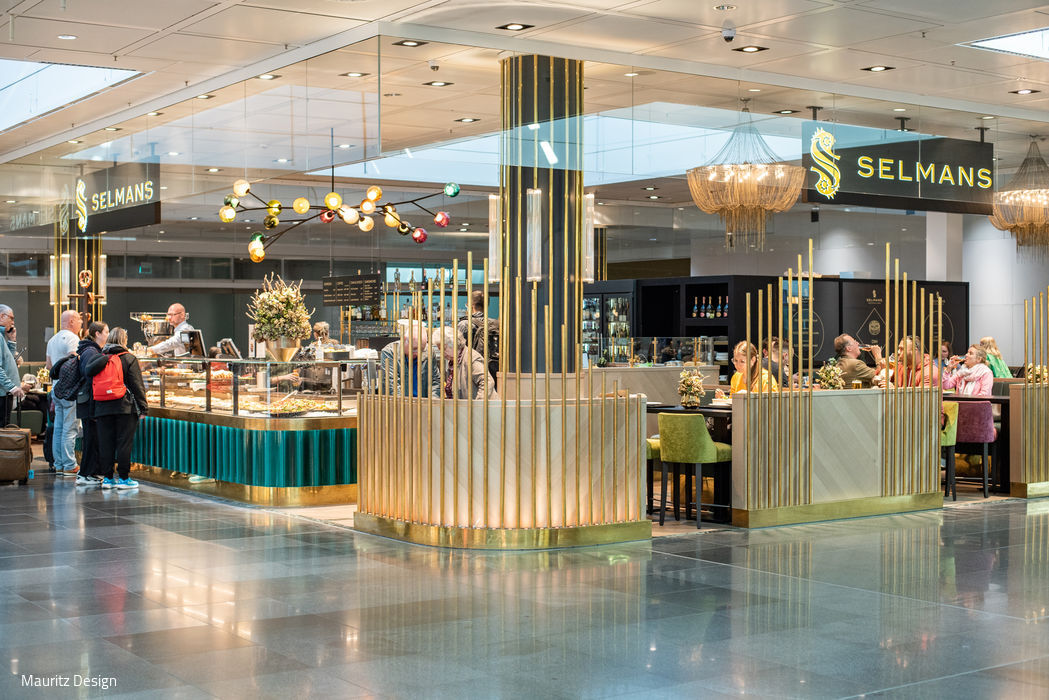
Fine Dining at the Airport
A new restaurant in Terminal 2 sets a fresh standard for airport dining