


Swimming in a Historic Monument: Feuerbach
The consortium of pbr and HSP Hoppe Sommer Planung pursued a dual objective: safeguard the heritage-worthy architecture while ensuring the building could serve contemporary needs.
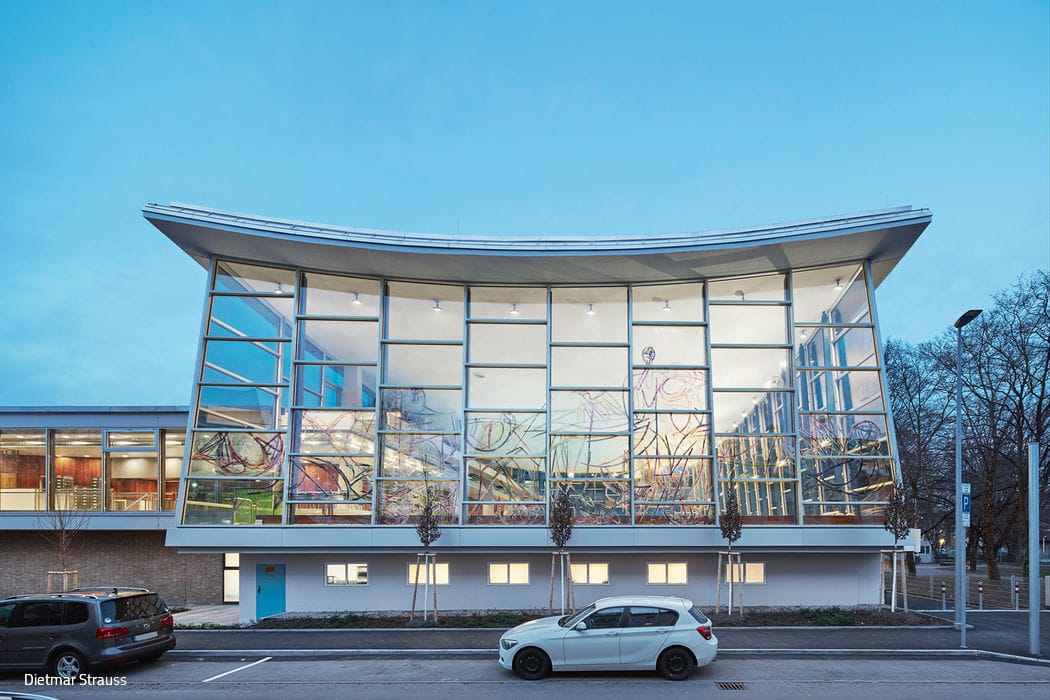
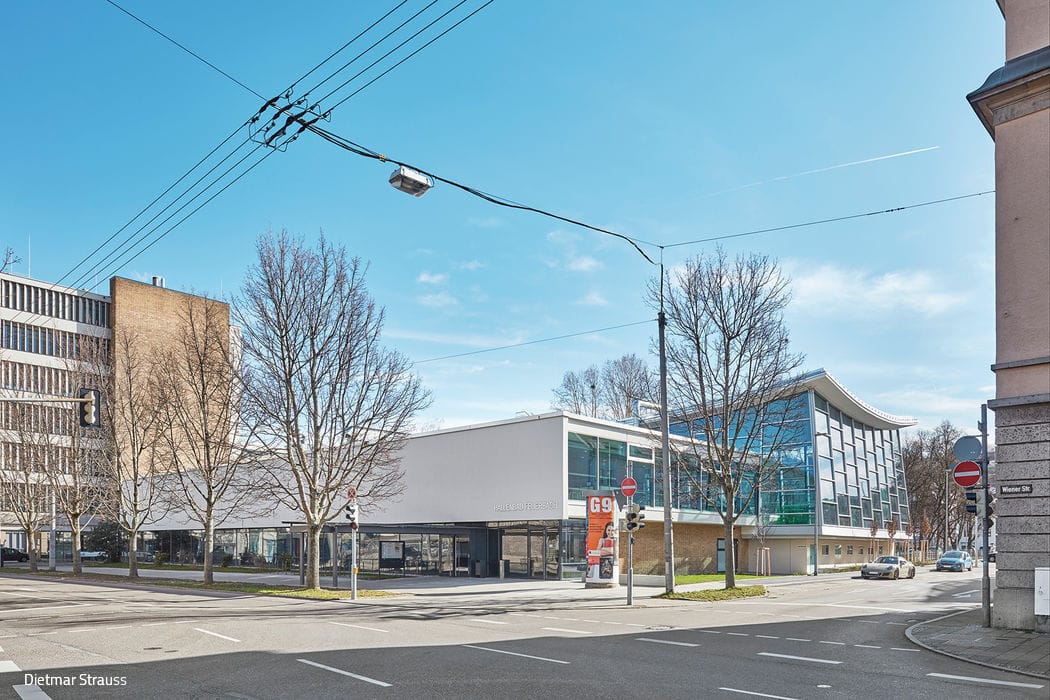


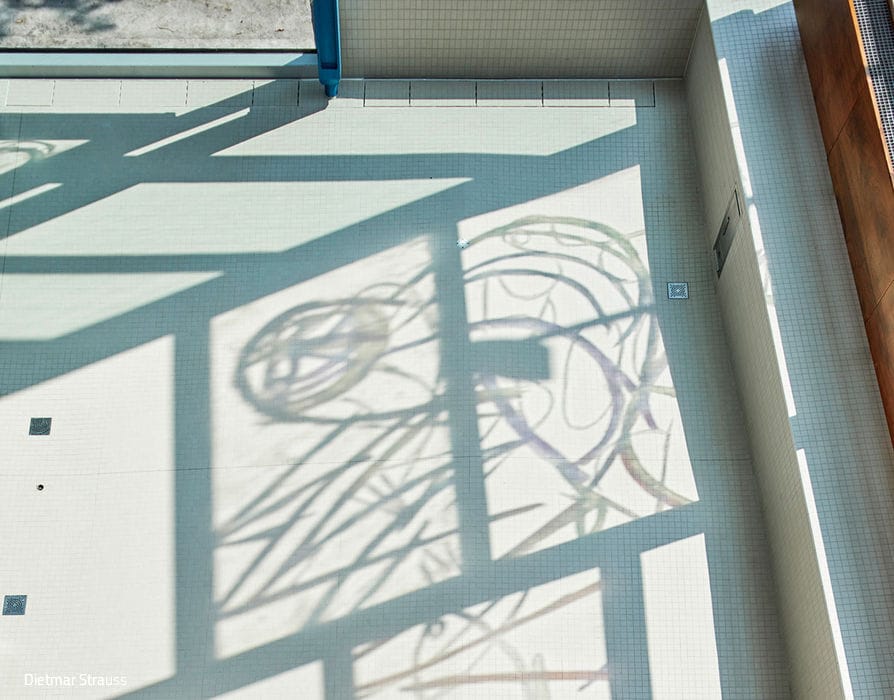
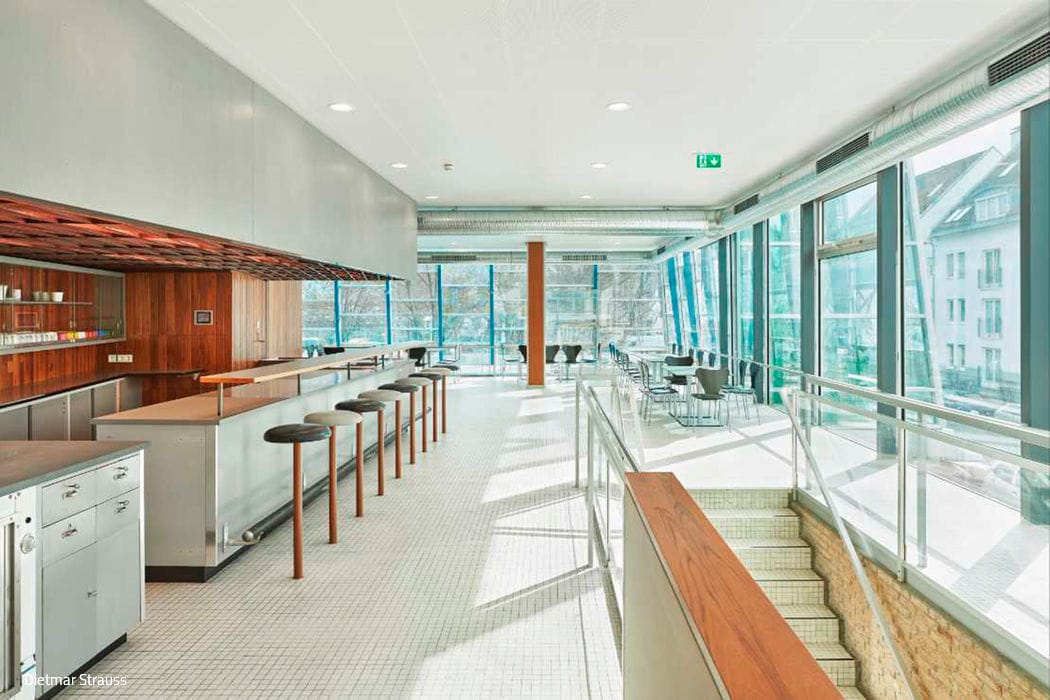
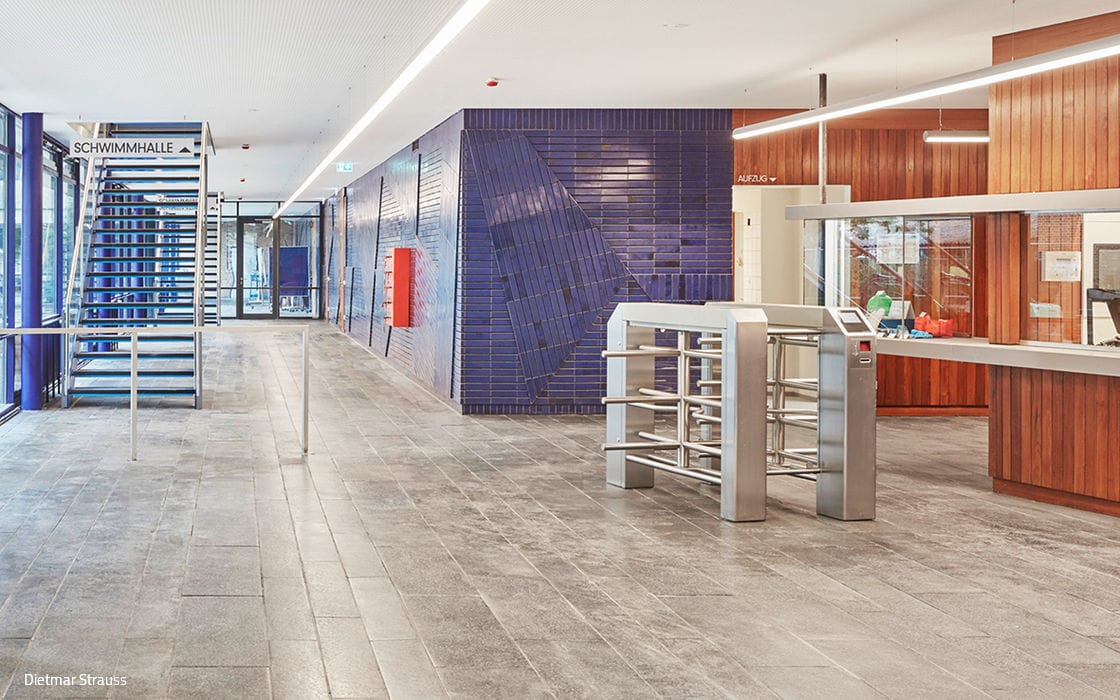
Anfang der 1960er-Jahre plante Architekt Manfred Lehmbruck die transparente Schwimmhalle mit leicht geschwungenem Stahlbetondach auf filigranen Stahlstützen und schräggestellten Glasfronten. Auffallend schön sind die von HAP Grieshaber bemalten Verglasungen. Nachdem das Bad im Jahr 2000 auf die Liste der Stuttgarter Kulturdenkmäler gesetzt wurde, sollte es 2014 saniert werden. Ziel der Planungen der Arbeitgemeinschaft des Architektur- und Ingenieurbüros pbr mit HSP Hoppe Sommer Planung war es, die schützenswerte Architektur zu erhalten und zeitgemäß nutzen zu können.
Nach diversen Untersuchungen sah die mit dem Landesamt für Denkmalpflege abgestimmte Planung vor, das Gebäude energetisch zu sanieren, bauphysikalische und konstruktive Probleme zu beheben und die technische Ausstattung zu modernisieren. Besonders herausfordernd war die Restaurierung der vom Künstler HAP Grieshaber gestalteten Isolierglasscheiben der Pfosten-Riegel-Fassade der Schwimmhalle. Die Doppelverglasung wies starke Schäden durch Glaskorrosion auf. Aufgrund der Komplexität der Details wurde das Fraunhofer Institut für Silicatforschung ISC mit der Entwicklung eines Restaurierungskonzepts beauftragt. Mit dem Ergebnis, dass die Aluminiumkonstruktion vollständig ersetzt wurde. Die eingesetzten trapezförmigen Profile sind optisch möglichst nah am filigranen Original. Auch die segelartig überspannende Dachkonstruktion aus einer für die Bauzeit innovativen Spannbetonkonstruktion war stark geschädigt. Sie wurde einer Betonsanierung unterzogen, um die Konstruktion vor weiterer Chloridbelastung zu schützen. Zusätzlich wurde das Kaltdach in ein Warmdach mit deutlich erhöhter Dämmstärke umgewandelt, auf den heutigen energetischen Standard ertüchtigt und der filigrane Dachrand erhalten.
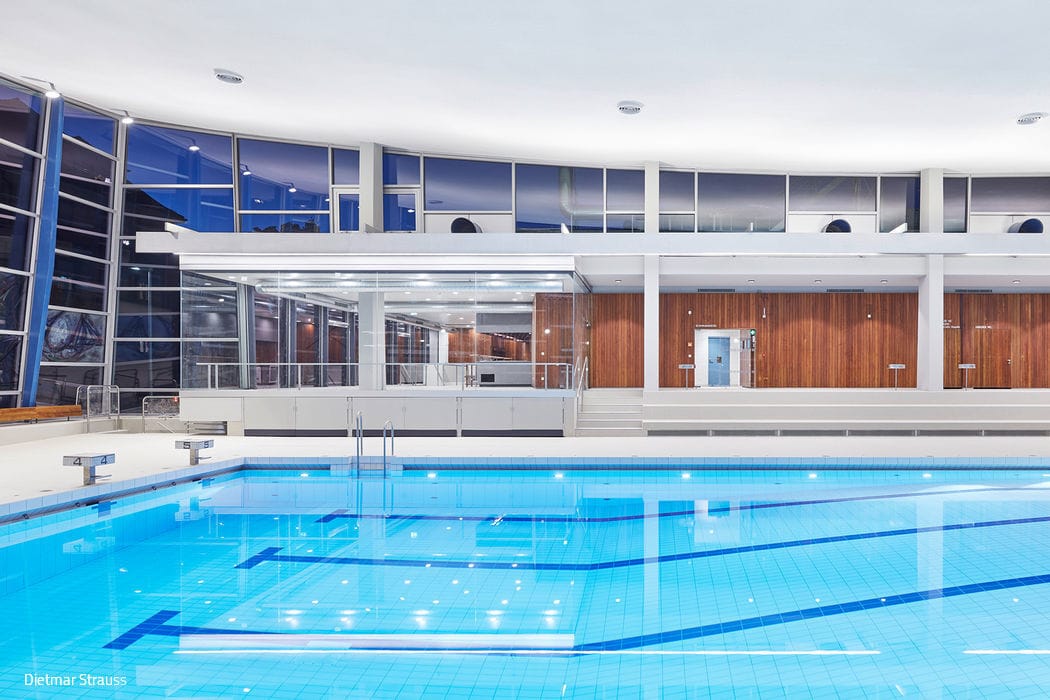
Strahler an den Stahlstützen mit hohem Anteil an indirektem Licht übernehmen das ursprüngliche Beleuchtungskonzept von Lehmbruck und lassen das Hallendach schwebend erscheinen. Sandfarbene, kleine Mosaikfliesen und die Teakholzverkleidung oberhalb der dünenartig ansteigenden Tribüne prägen den Raumeindruck der Schwimmhalle. Die Fliesen wurden von Regelformat auf das spezielle Maß geschnitten und verlegt. Die ebenfalls gestaltprägende Theke im Vereinsraum konnte im Original erhalten bleiben. Mit ihrer grauen Resopal Oberfläche bildet sie einen starken Kontrast zur bauzeitlichen Holzverschalung. Um die barrierefreie Nutzung zu ermöglichen, wurde zwischen Erd- und Obergeschoss ein Aufzug eingebaut und nun lässt sich der Höhensprung zwischen Duschbereich und Beckenumgang über einen Plattformlift überwinden. Weitere nutzungserleichternde Ausstattungen wie ein Leitsystem für Sehbehinderte und ein mobiler Beckenlifter wurden ebenfalls integriert.
www.pbr.de
www.hoppe-sommer-planung.de
Photography Credits:
Dietmar Strauß
www.dietmar-strauss.de
(Published in CUBE Stuttgart 02|20)


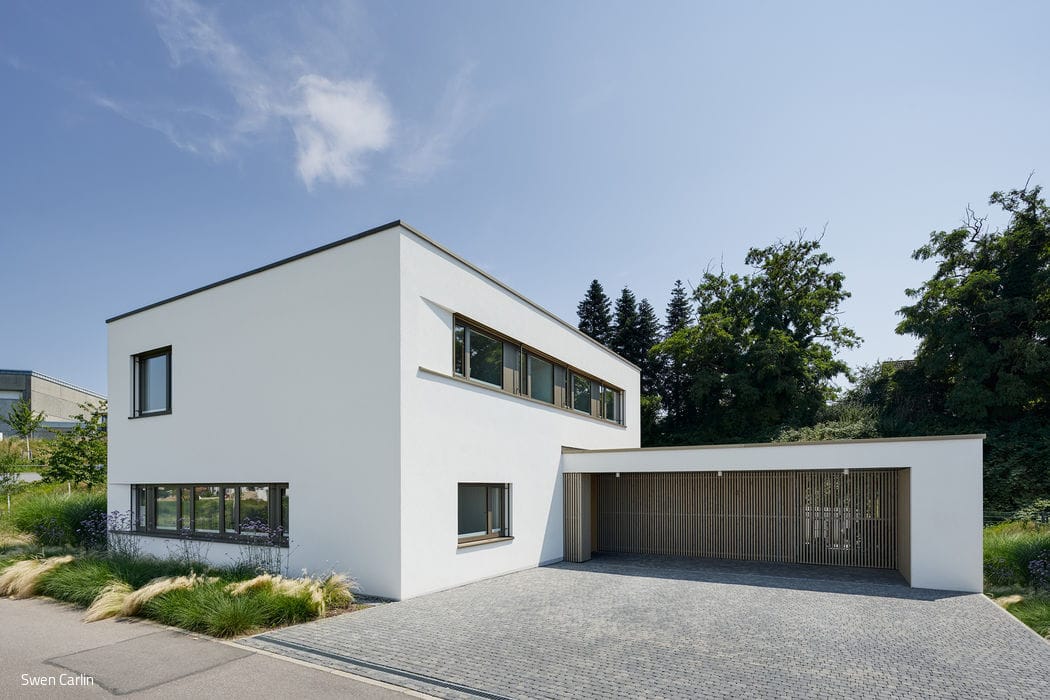
Simple – in the best sense of the word
Budget-conscious family home with carport for three children
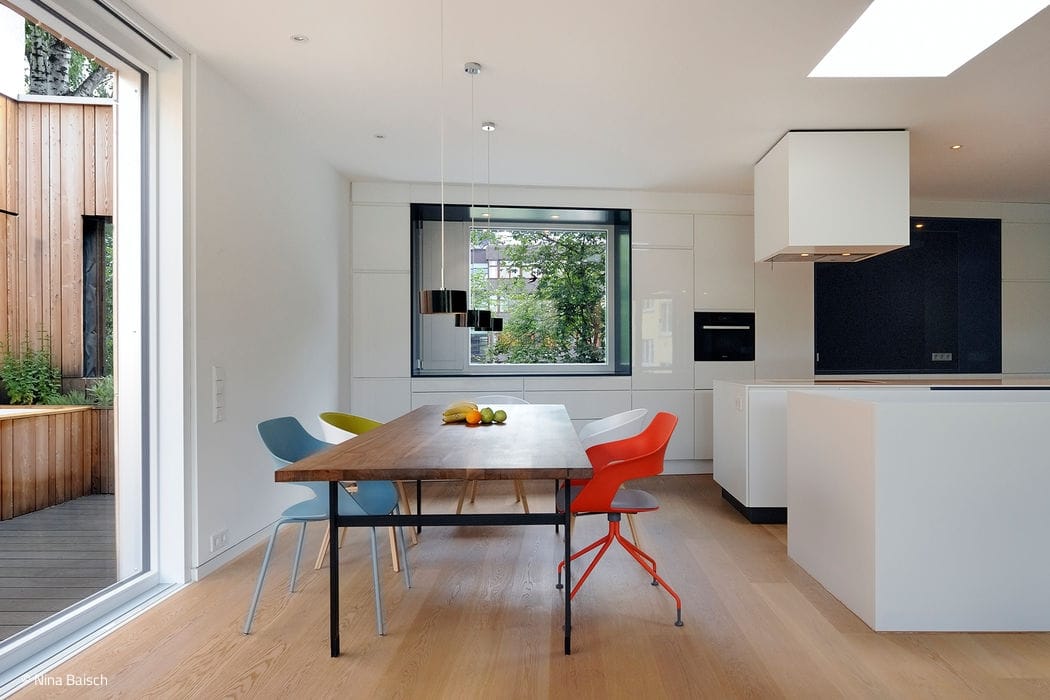
Timber House in a Gründerzeit Quarter
An open staircase serves as the focal point of this residential and commercial building, drawing light from the skylight down through to the ground-floor entrance and...

All under one roof
Inspiring living and working spaces for a family of four children

A House with Character
Reviving a Century-Old Semi-Detached Home