


Inspiringly environmentally friendly
A passive house scores highly with its high level of living comfort and individuality.
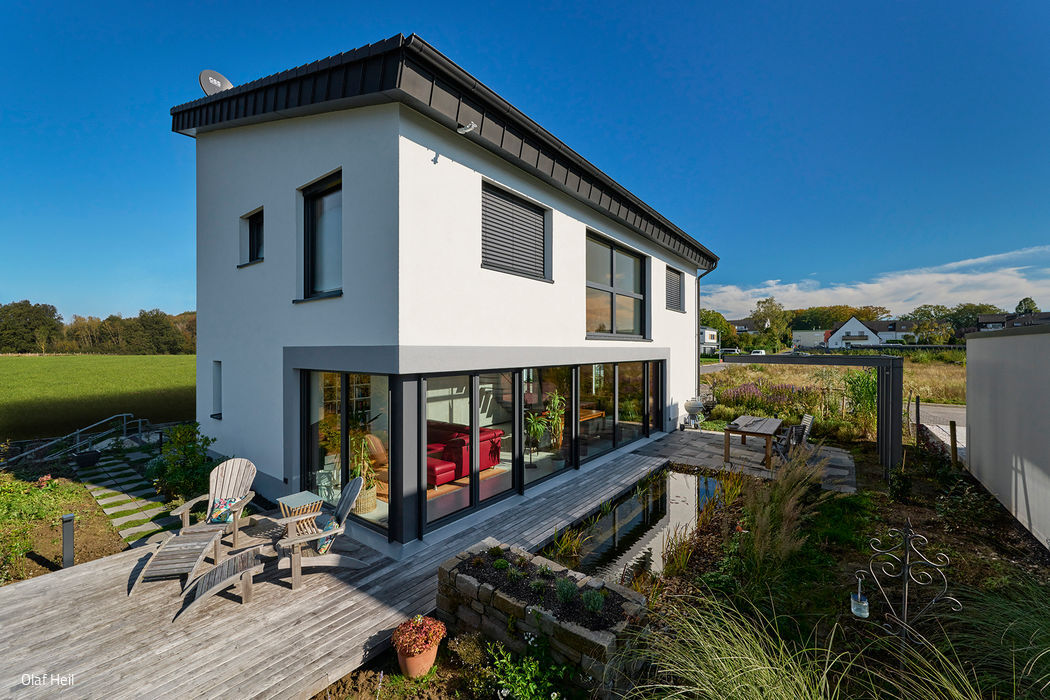
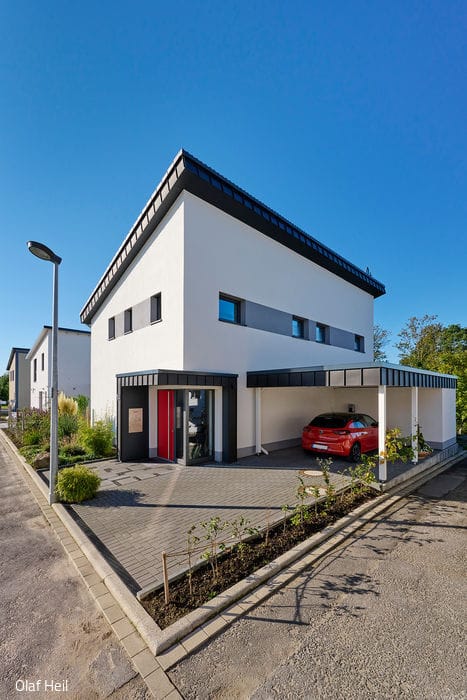
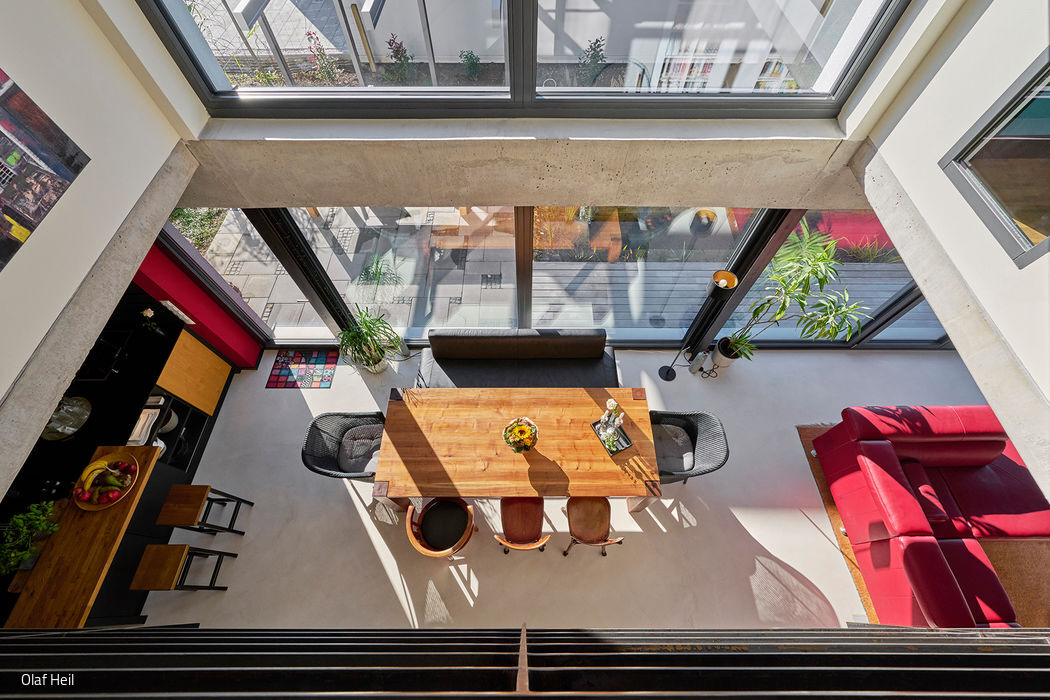
When architects and builders have good ideas, discuss them thoroughly and ultimately implement them in harmony with one another, the result is a harmonious project. An example of such good cooperation is a private house in Wetter, which was planned and implemented by Natürlich Architektur from Dortmund. On a plot of land measuring around 500 m², a passive house offering a high level of living comfort has been built in a climate protection settlement designated by the town of Wetter.
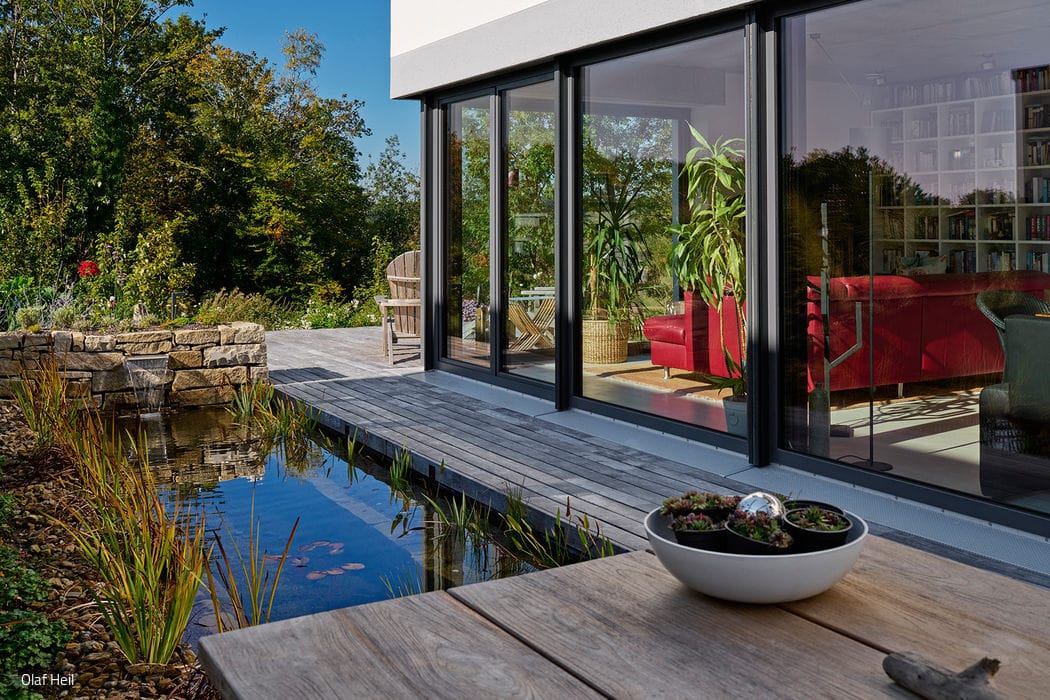
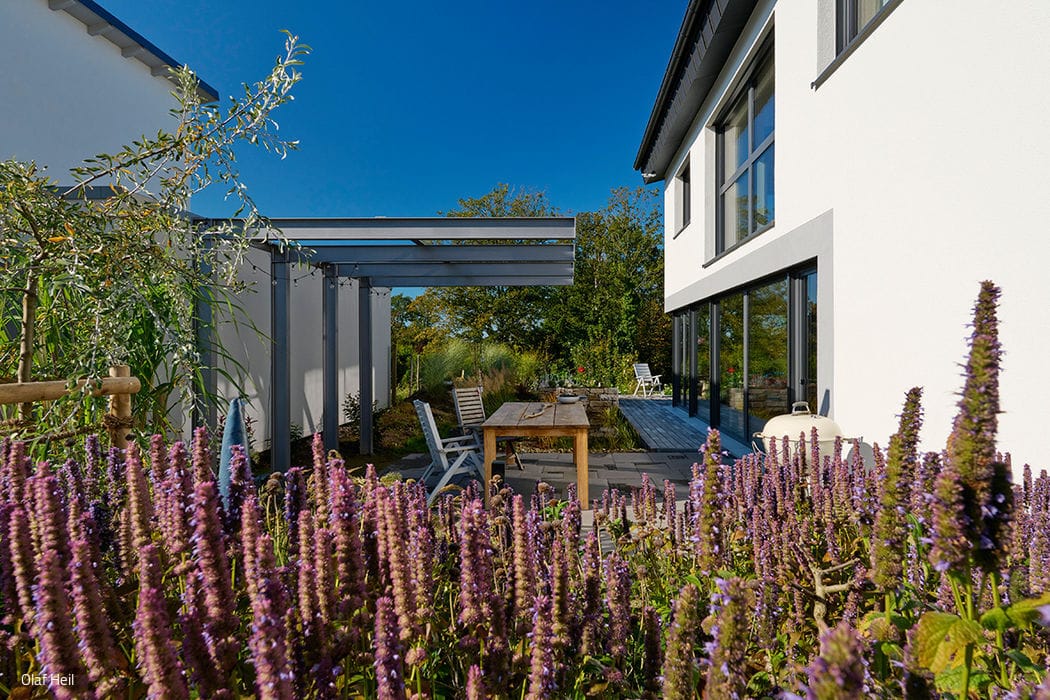
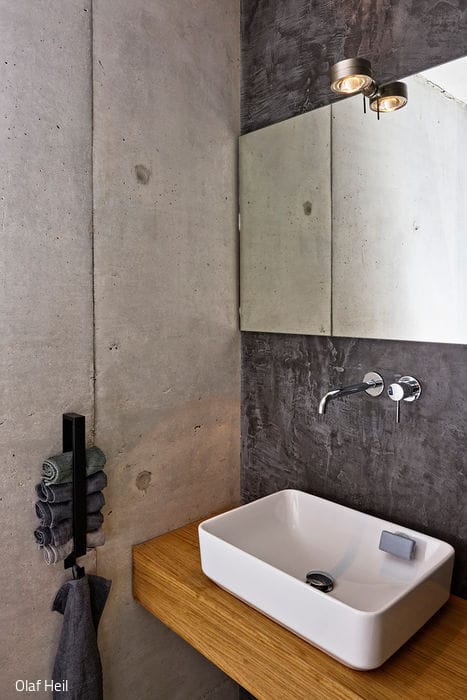
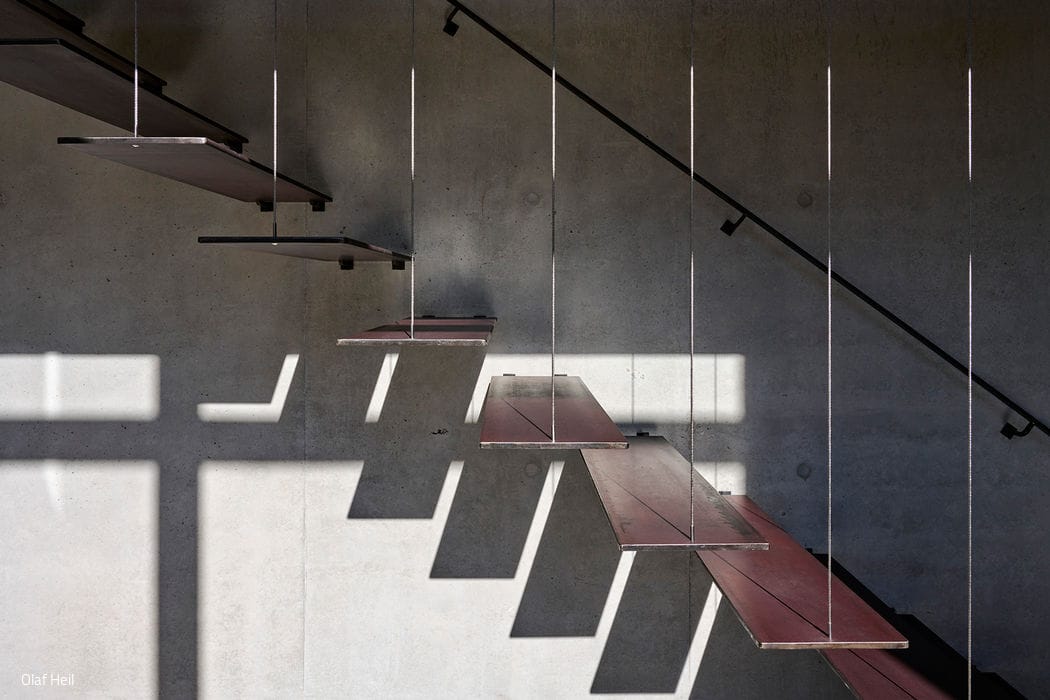
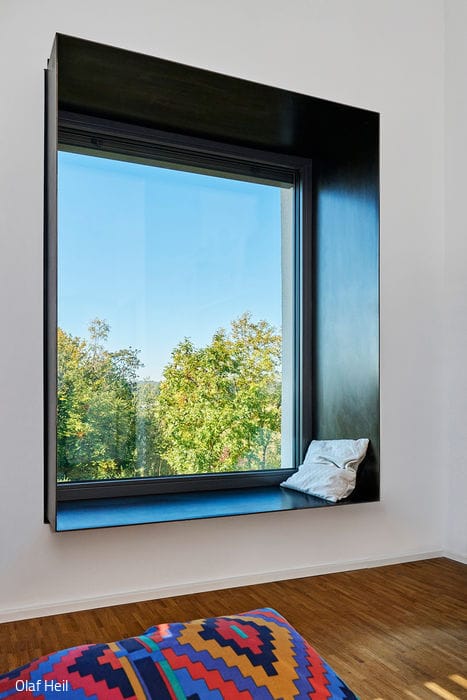
Energy efficiency, comfort, economy and environmental friendliness are attributes that characterise a passive house. "One of the challenges here was the design of the large window front and the sealing connections," explains architect Stephan Becker from Natürlich Architektur, whose office specialises in ecological construction. Around 125 m² of living space was created under the south-facing pent roof, with an open floor plan for cooking, dining and living, which is made particularly spacious by a gallery above the dining table. Thanks to the glass front structured by steel supports, the garden designed by the builders, with its partially covered terrace area, looks like an extended living room. In addition, a steel window seat on the upper floor connects the interior and exterior and offers a wide view of the greenery. The private rooms on the upper floor are fitted with parquet flooring. A custom-made steel staircase suspended on steel cables leads from the gallery to the ground floor. Here, the trowelled floor, exposed concrete wall and exposed concrete ceilings reflect the highly individual design of the interior.
The building envelope has a compact design to minimise energy loss. The entrance is framed with pre-patinated zinc sheet, which is repeated on the roof edge and the garage parapet. The criteria for the passive house standard are met, among other things, by a solid construction with bricks and a thermal composite system. In addition, passive house windows were installed, whereby passive solar energy is utilised through the large window fronts. The building services include a photovoltaic system, an air-to-water heat pump, underfloor heating and a central ventilation system with heat recovery.
Photography Credits:
Olaf Heil
www.olaf-heil-fotodesign.de
(Published in CUBE Ruhrgebiet 01|22)
A Garden Paradise in Miniature
A blank expanse of lawn becomes a sophisticated outdoor living room.
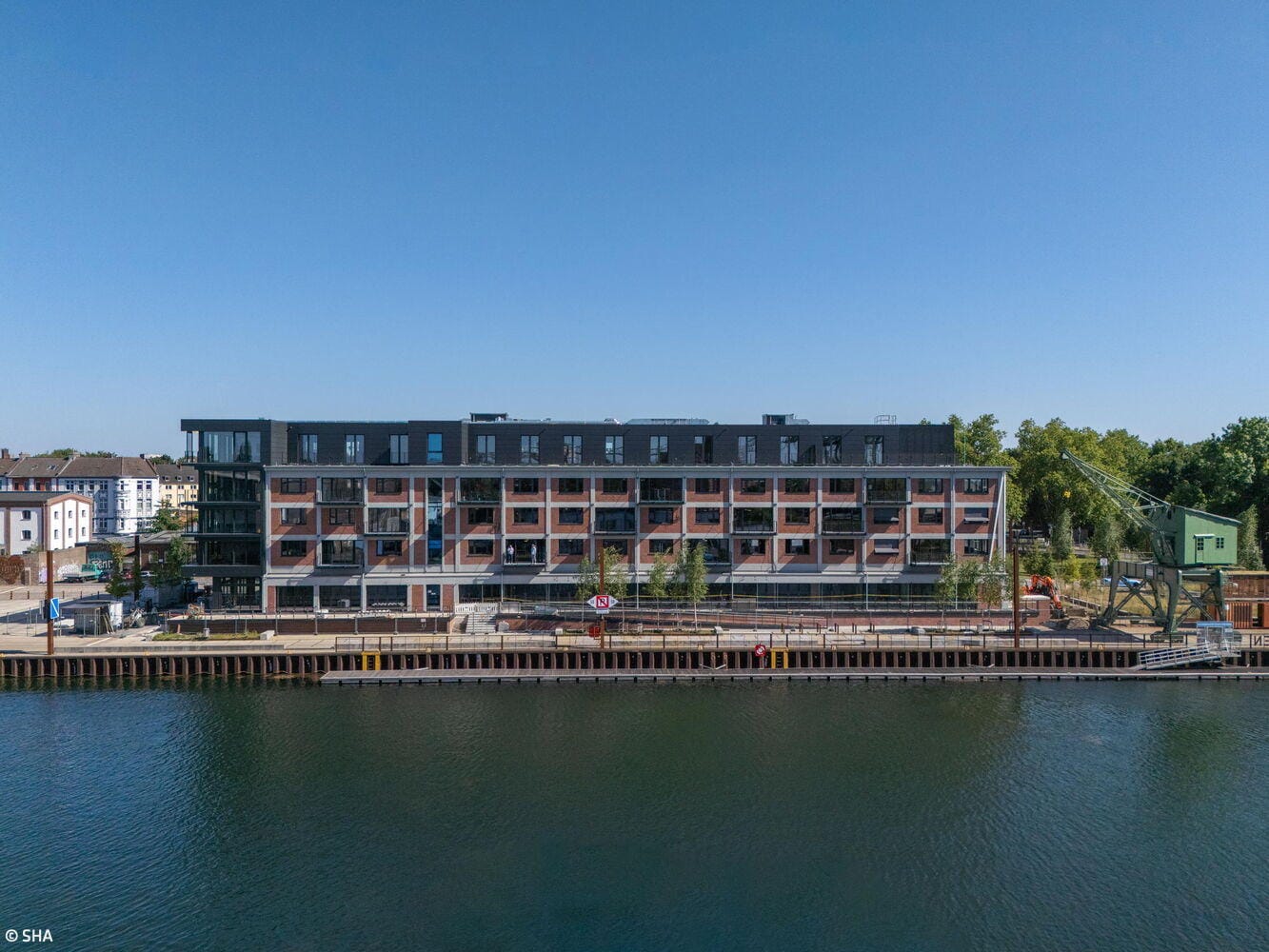
Transformation Over New Beginnings
An old warehouse in Dortmund is set to become the headquarters of a media company

A Distinctive New Addition to the Family
New Office Building Expands Dortmund Headquarters
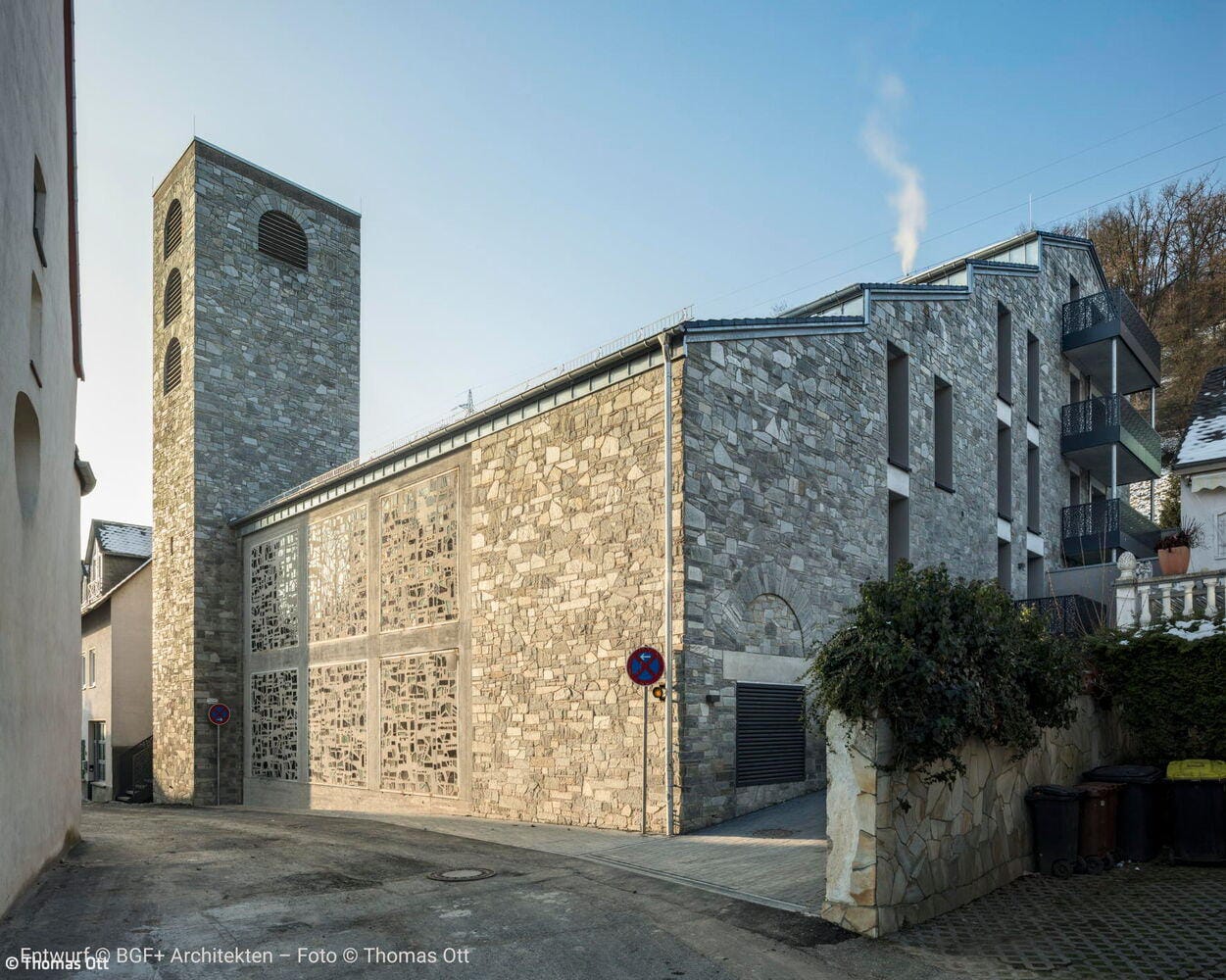
Past & Future
Model project demonstrates how existing sacred architecture can be transformed