


Effortless Design
A refined geometric form paired with a wooden slat façade achieves exceptional design quality within demanding site constraints


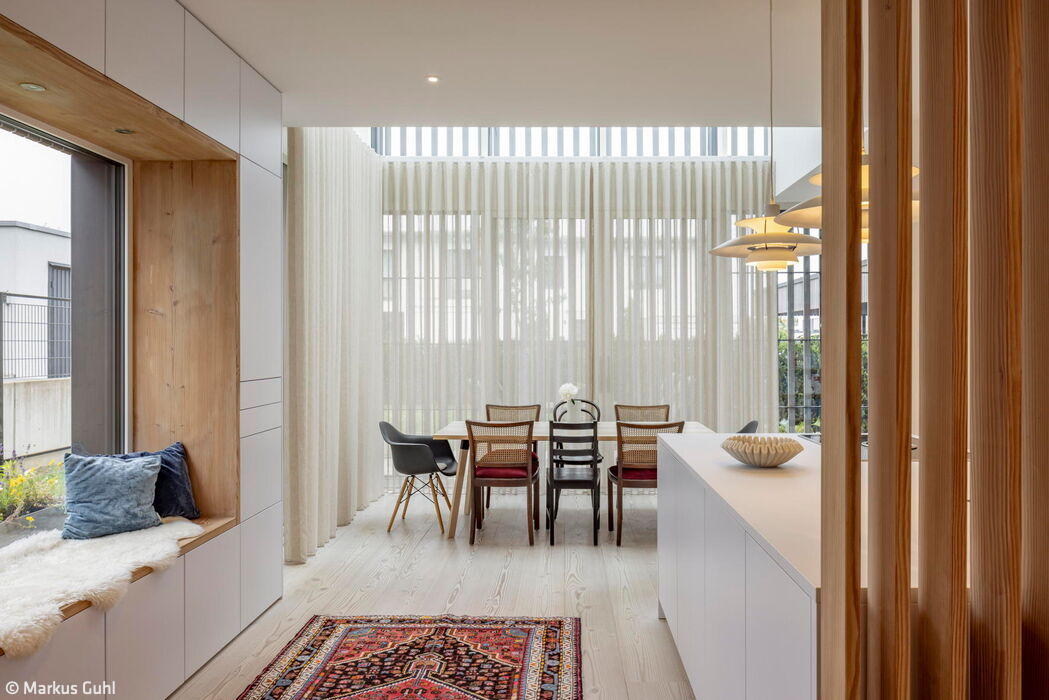


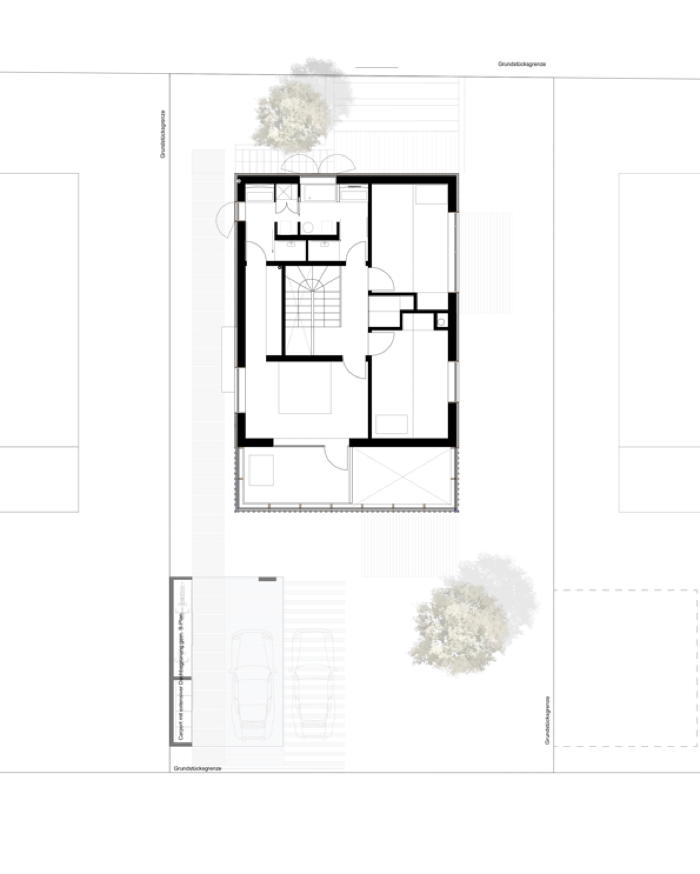


This detached home sits at the edge of a new development area with strict building codes—mandating a conservatory, monopitch roof, and extensive green roofing. Urban 3 Architects and 2BA Architects distilled these requirements into a pure architectural statement: a clean volume with an integrated conservatory and no roof overhang. Vertically stacked pre-greyed larch wood slats, separated by 30-millimetre open joints, wrap the building in a translucent skin that conveys lightness and refinement. The grid widens at the conservatory to optimize sightlines. Standing in deliberate contrast to its surroundings, this home exemplifies how exceptional architectural quality can emerge—even within the constraints of development regulations.
Window placements follow the home's spatial logic, reflecting how the house is actually lived in. The design strategy was to maximize openness and spatial fluidity across the 323 m² footprint. At the heart of the home sits the integrated kitchen-dining area within the conservatory, which opens directly onto the terrace. This central zone rises through a generous double-height void, as do the living spaces and adjoining work area beyond. The interior reads as one continuous environment rather than isolated rooms, creating dynamic visual connections between interior and exterior spaces. The material palette is intentionally restrained—just a few carefully selected, natural finishes define the clean spatial character. The reinforced concrete structure is infilled with aerated concrete blocks and wrapped in high-performance wood fiber insulation, with a wooden slat curtain wall system outside. The gently sloping roof is a conventional rafter construction. Connected to municipal district heating, the home minimizes energy consumption, achieving a primary energy requirement of just 35 kWh/m²—entirely fossil-fuel free. Underfloor heating moderates temperature, while the expansive conservatory naturally buffers summer solar gain. Night-time cooling occurs through the conservatory's thermal stack effect, enhanced by fresh air inlets in the garden-facing façade that draw cool outside air through the building's thermal mass and exhaust it at roof level. This passive strategy harnesses the thermal capacity of the building's solid construction to maintain year-round comfort.
Photography:
Markus Guhl
www.architekturfotograf-markus-guhl.com
(Published in CUBE Stuttgart 03|24)


With Logic, Morality, and Magic
Phoenix: Where intelligent design meets innovation
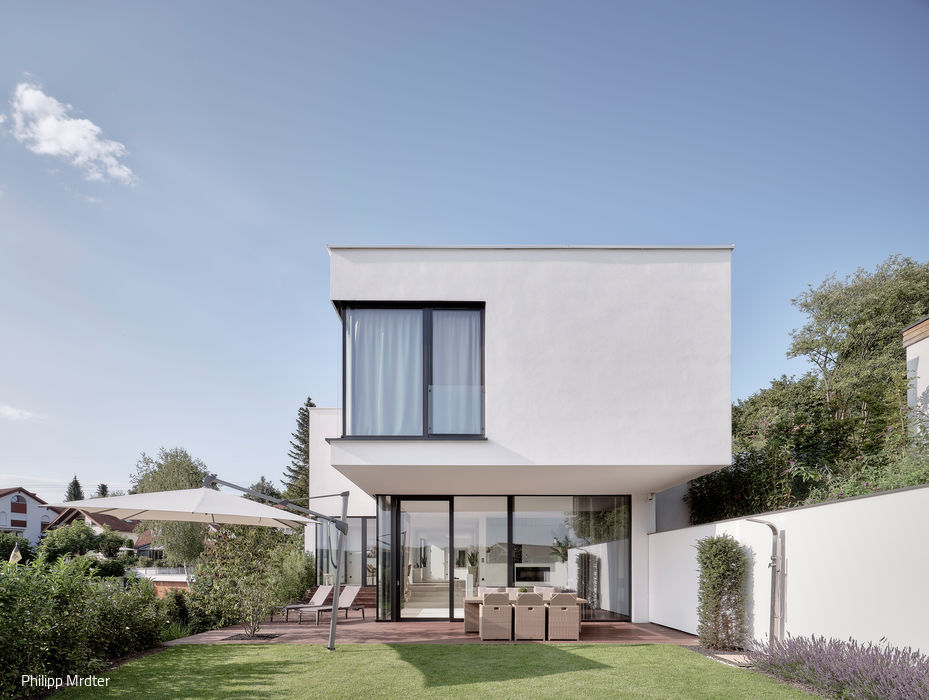
Bold in White
A narrow residential block settles into a steep slope, anchored by a natural plateau.

Confidently Articulated
Residential home with a restrained material palette redefines the urban villa concept
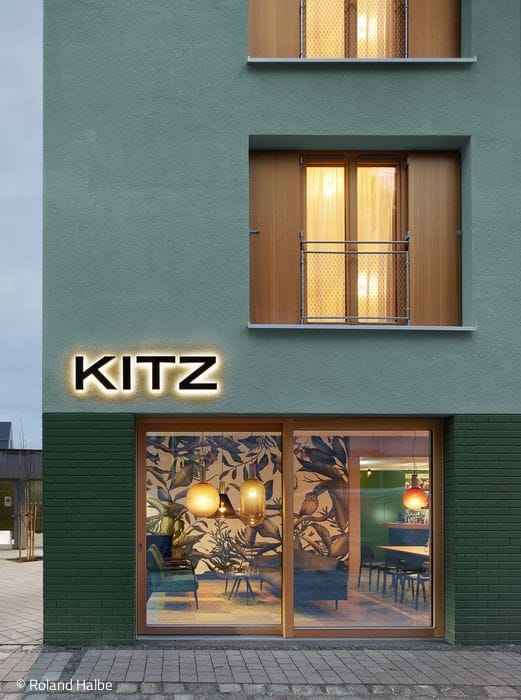
Large Residential Community
A distinctive new hotel in Metzingen explores forest and fawn as its central design narrative.