


Mediterranean charm
A vibrant urban neighborhood rises where industry once stood
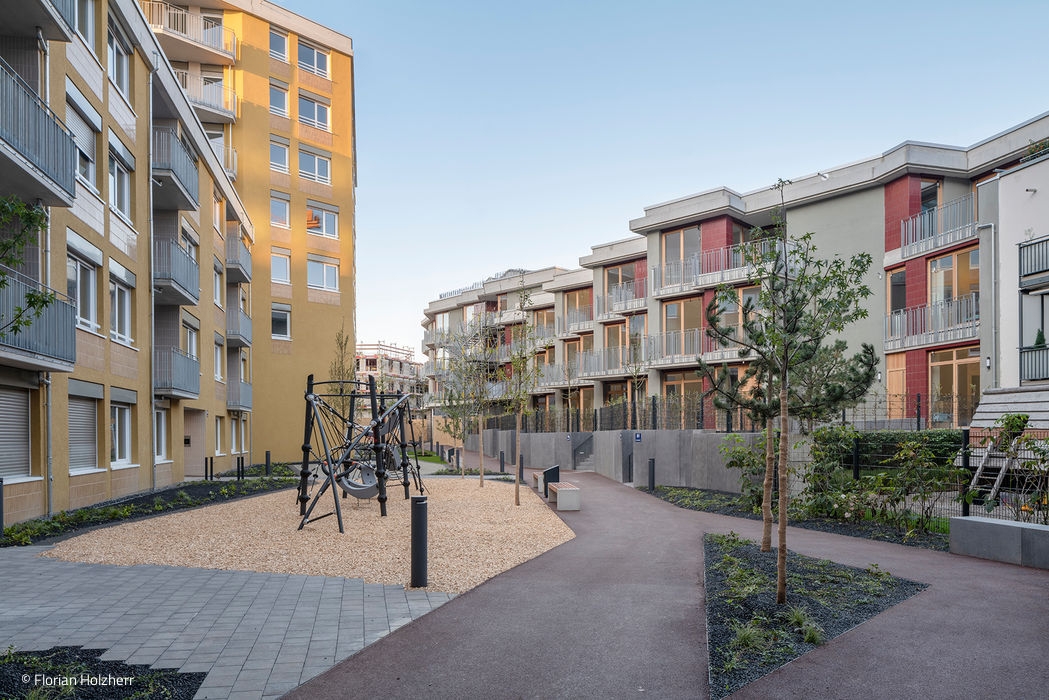
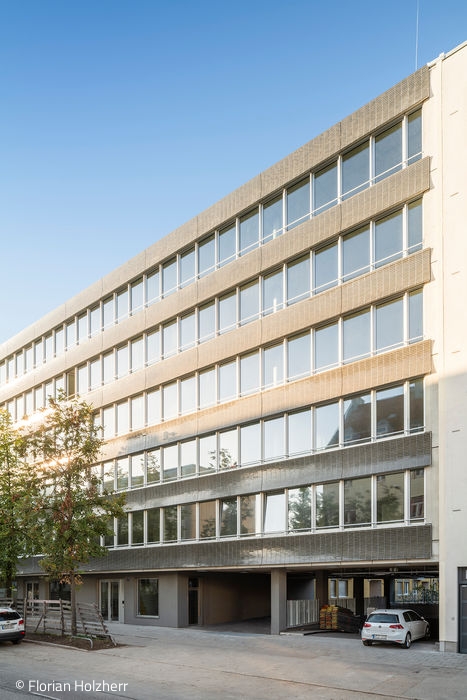
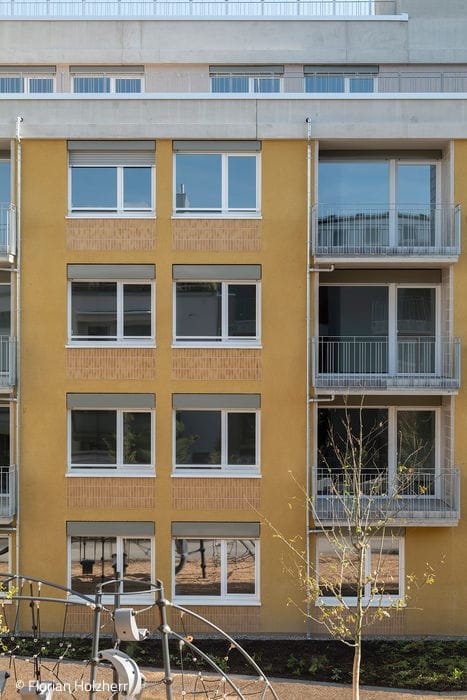
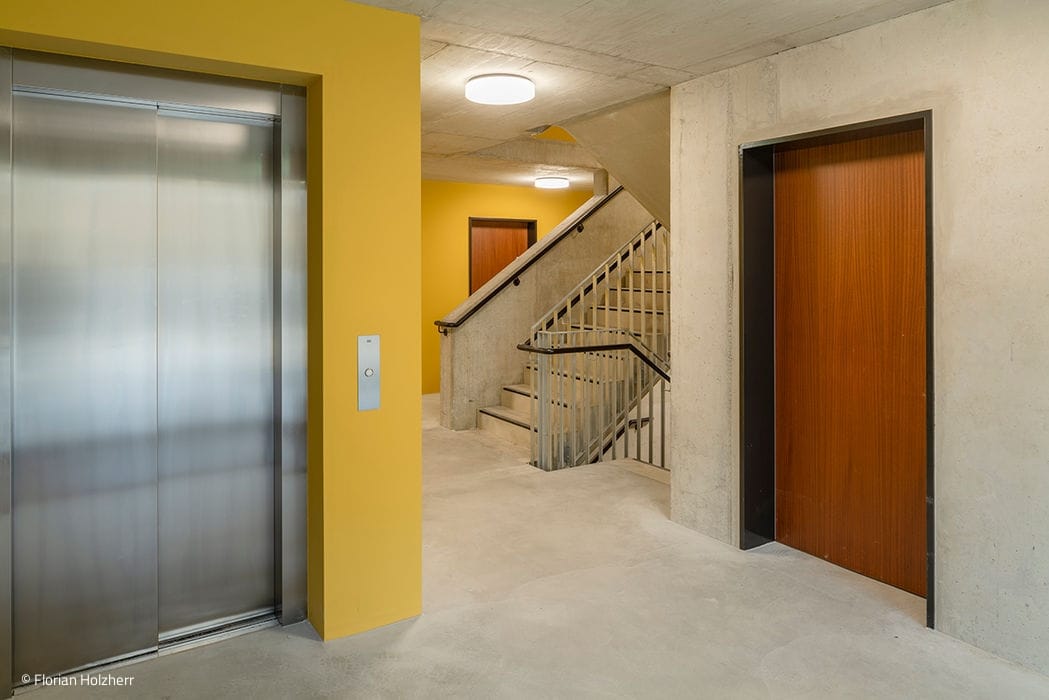
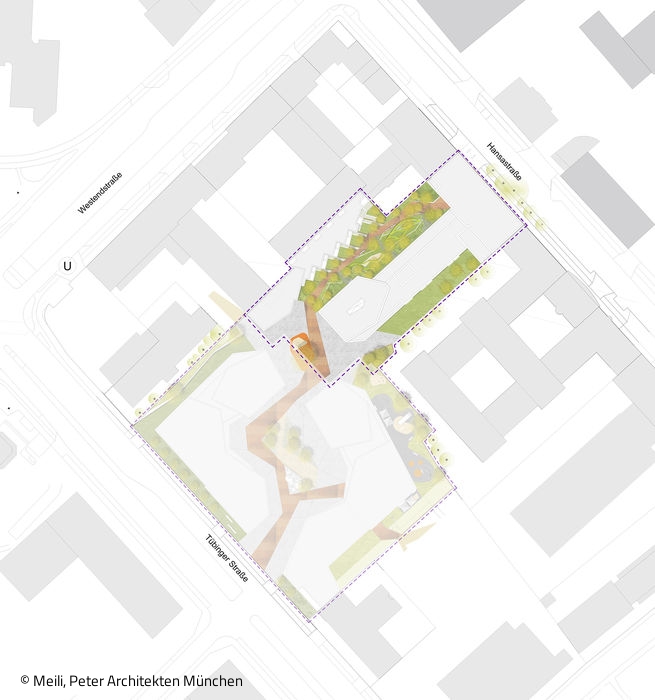
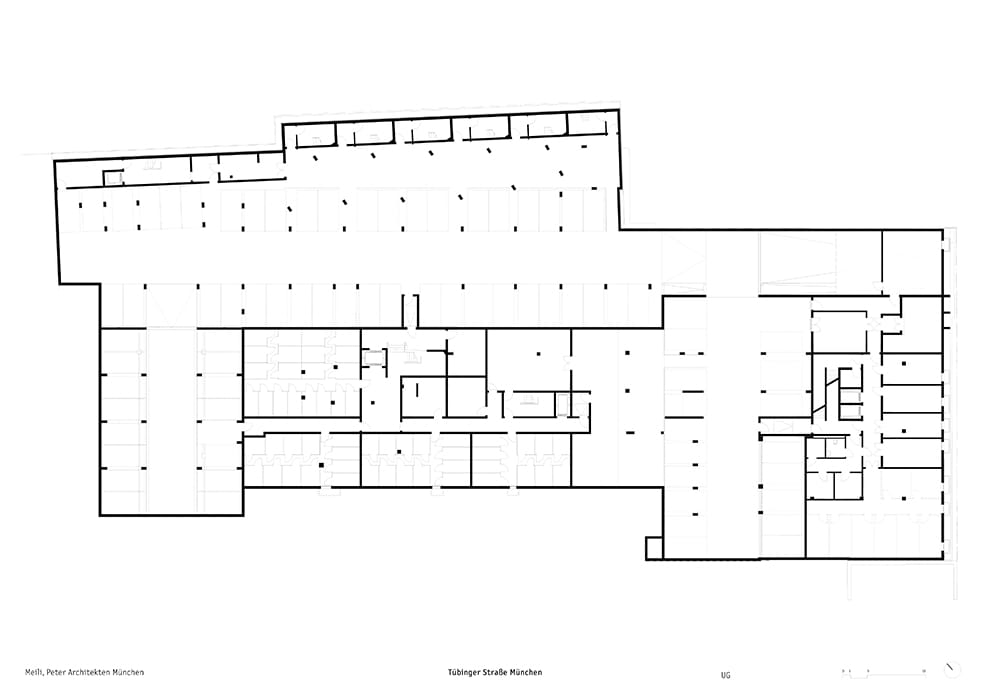
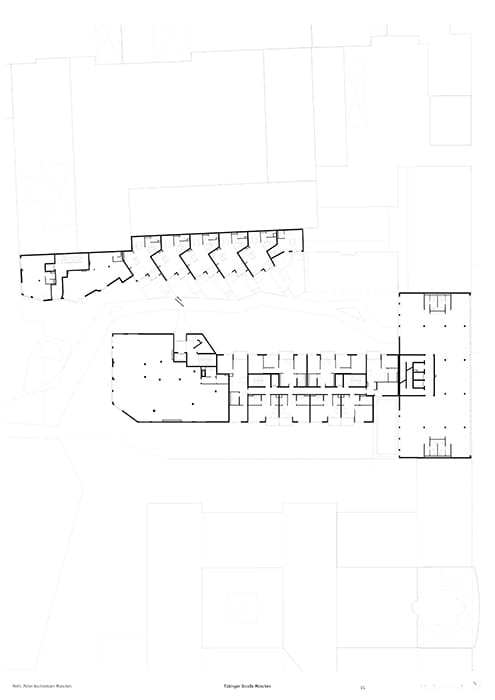
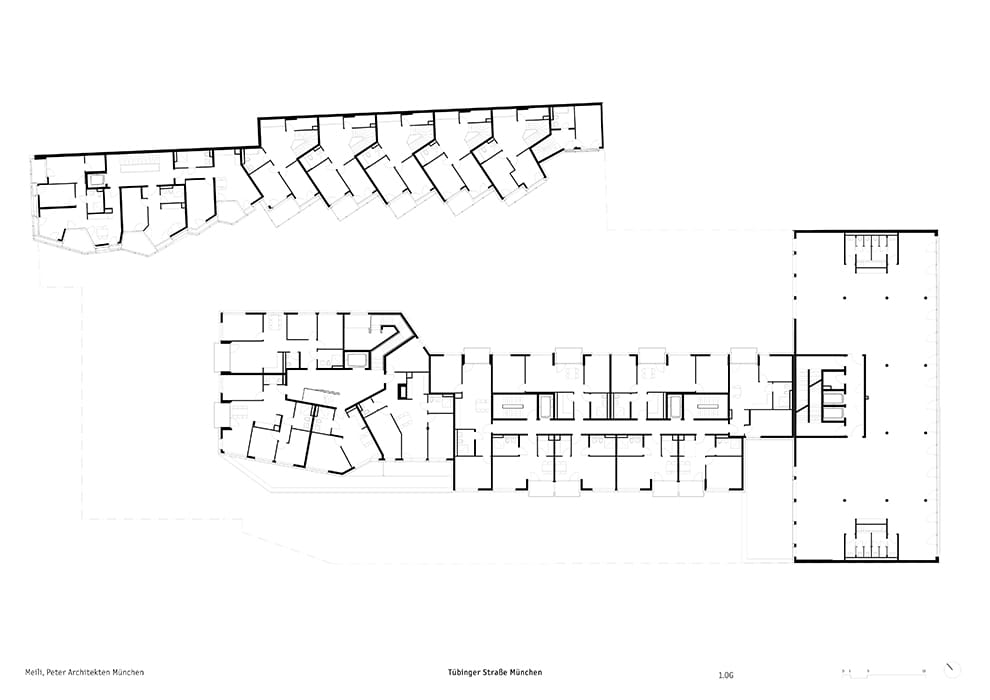
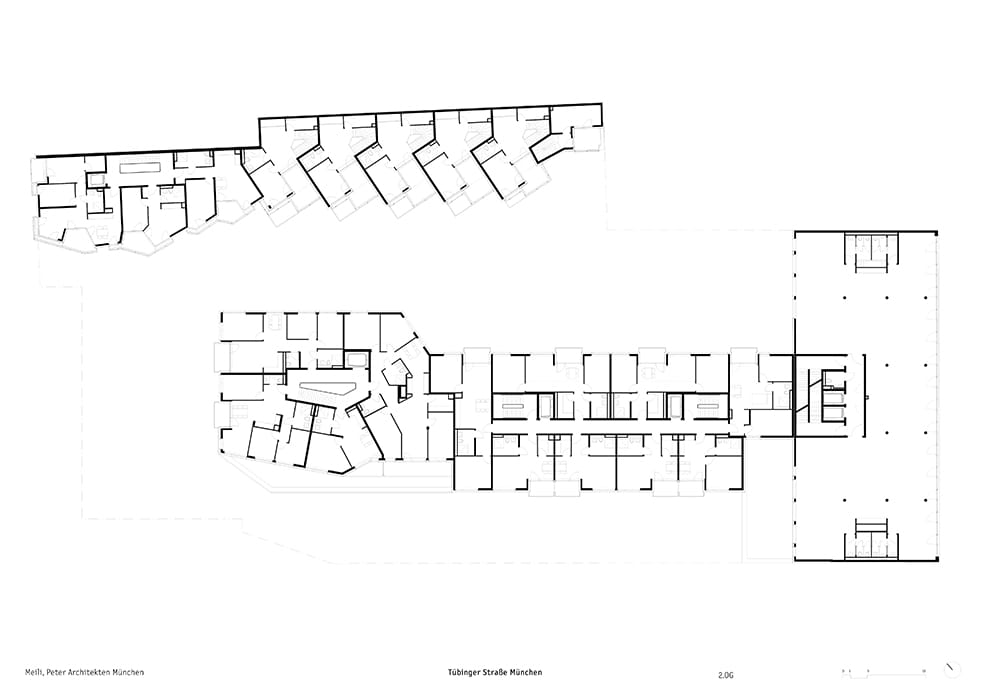
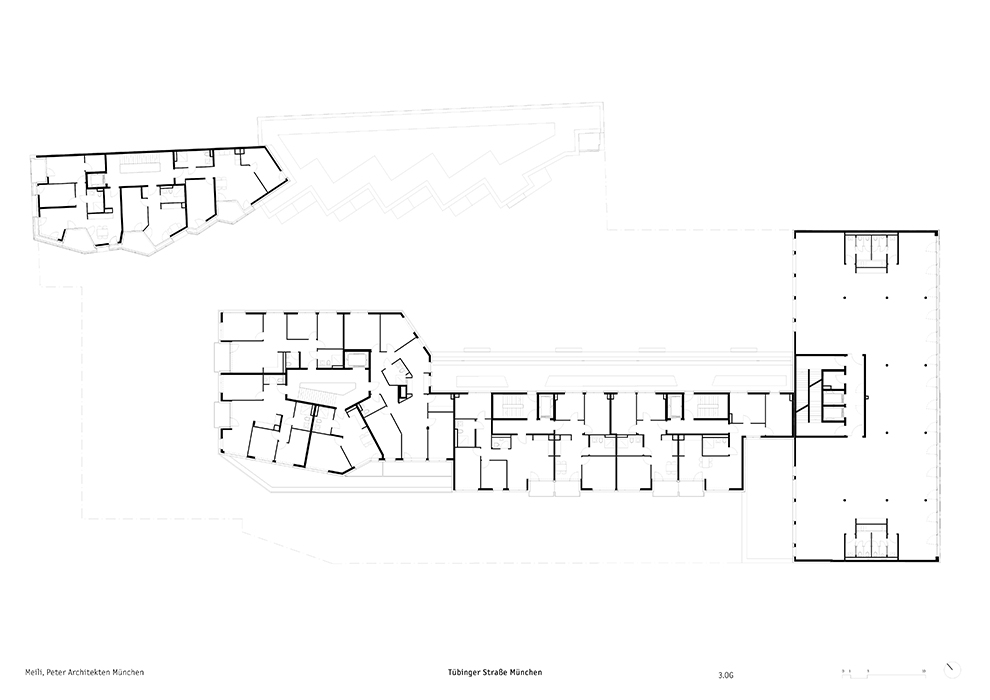
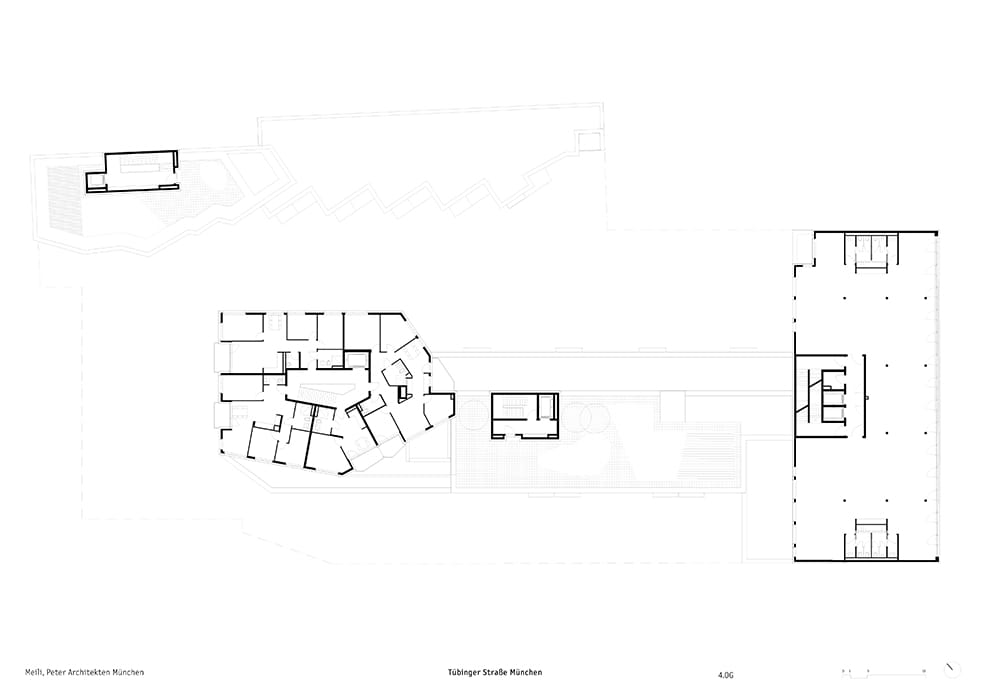
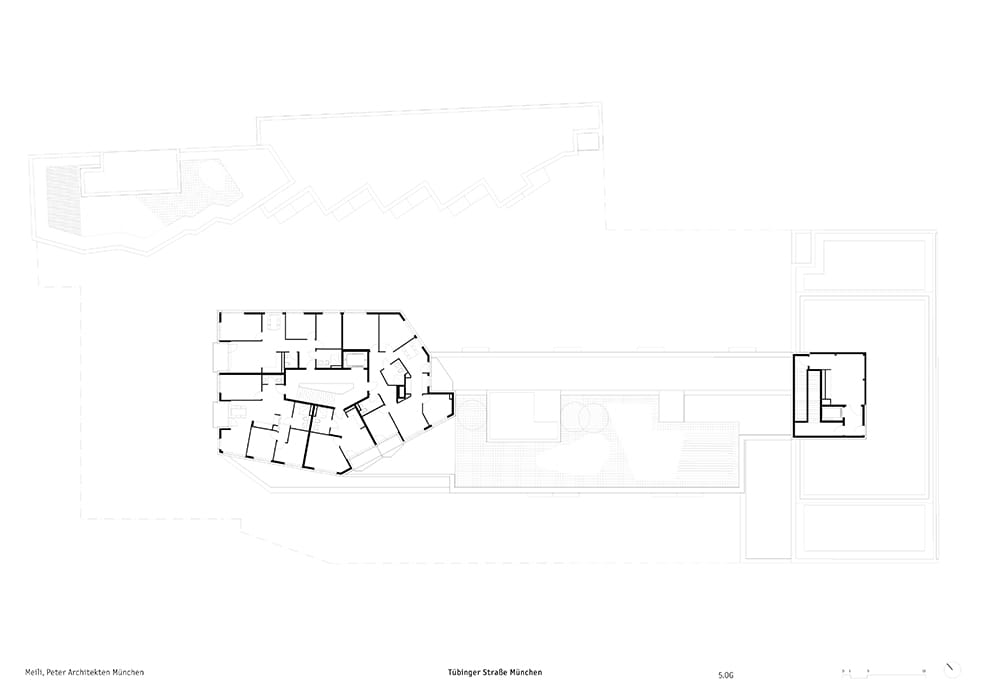
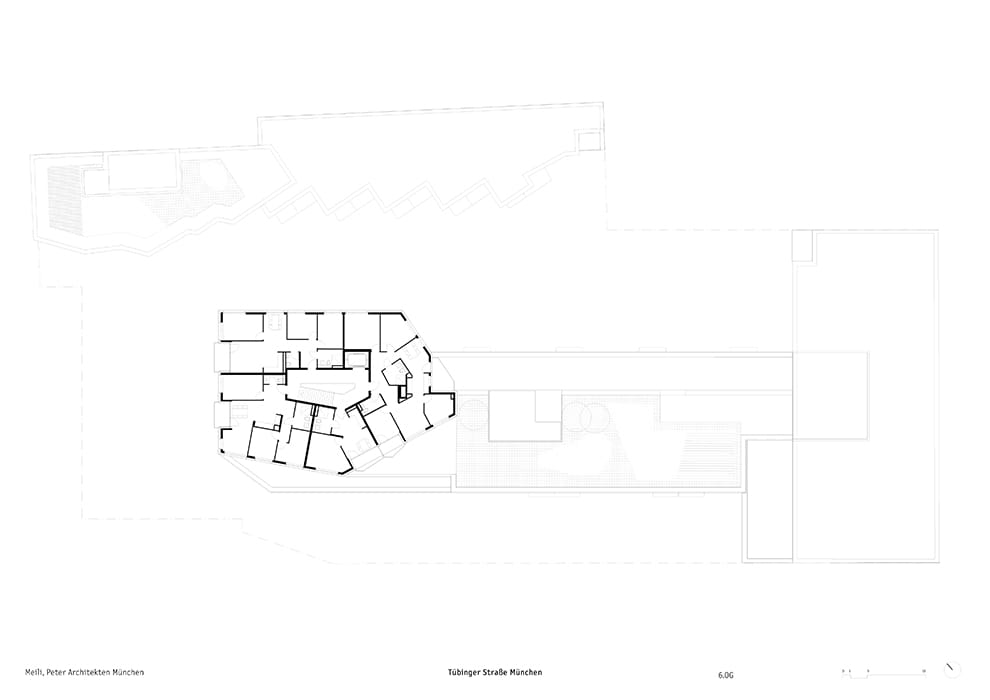
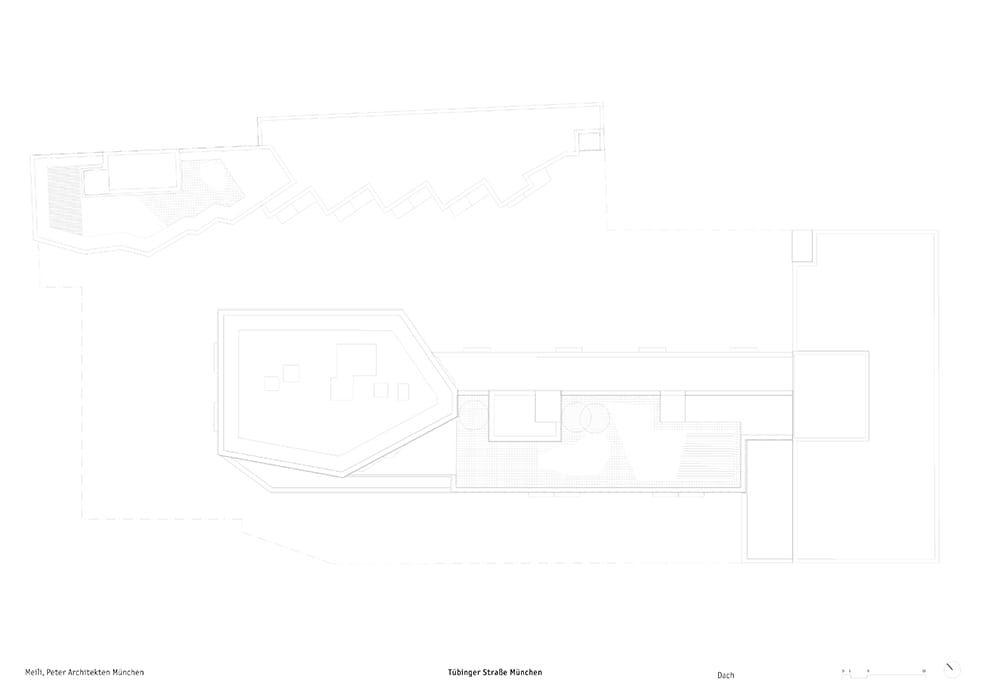
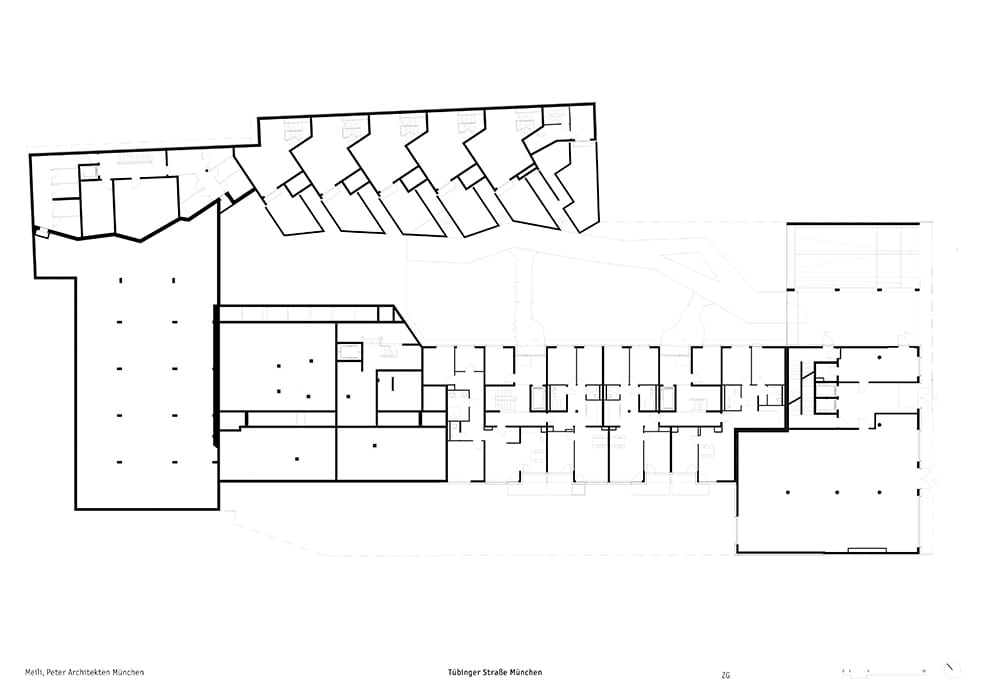
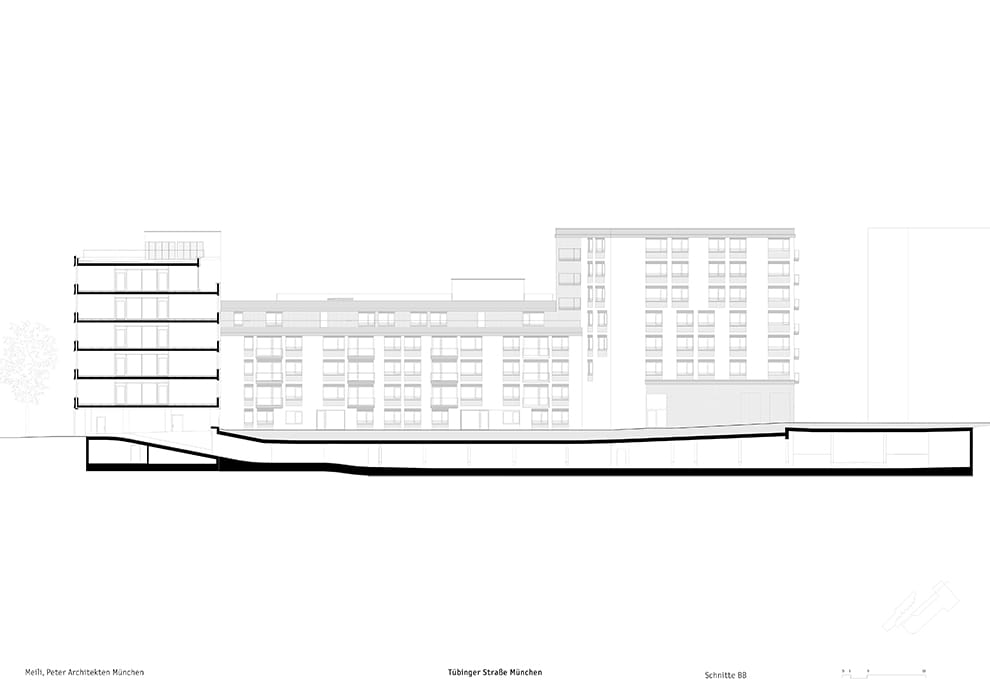
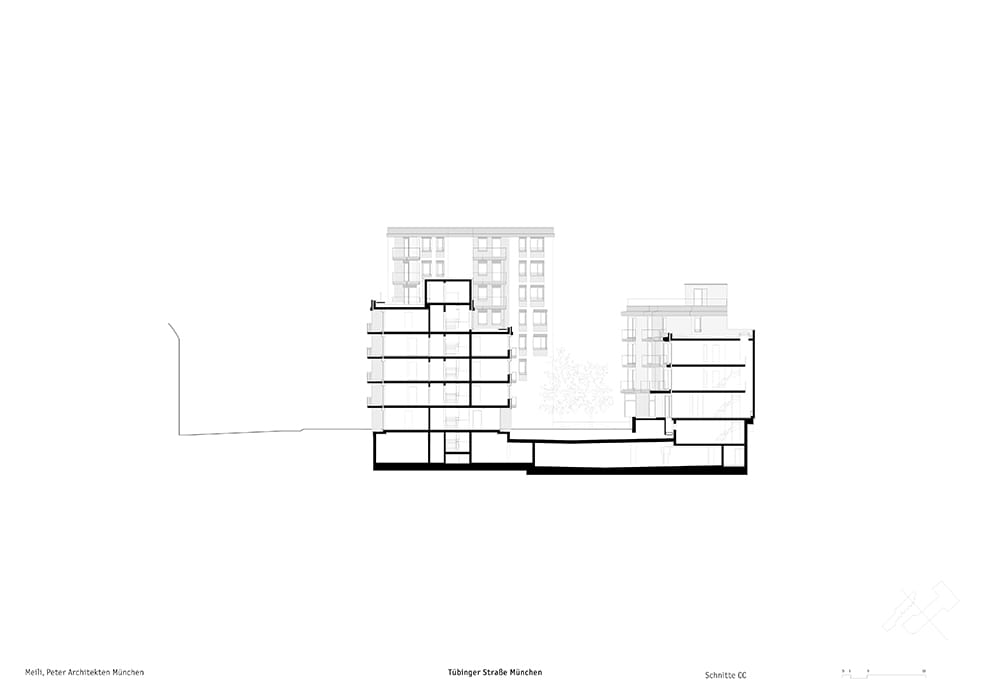
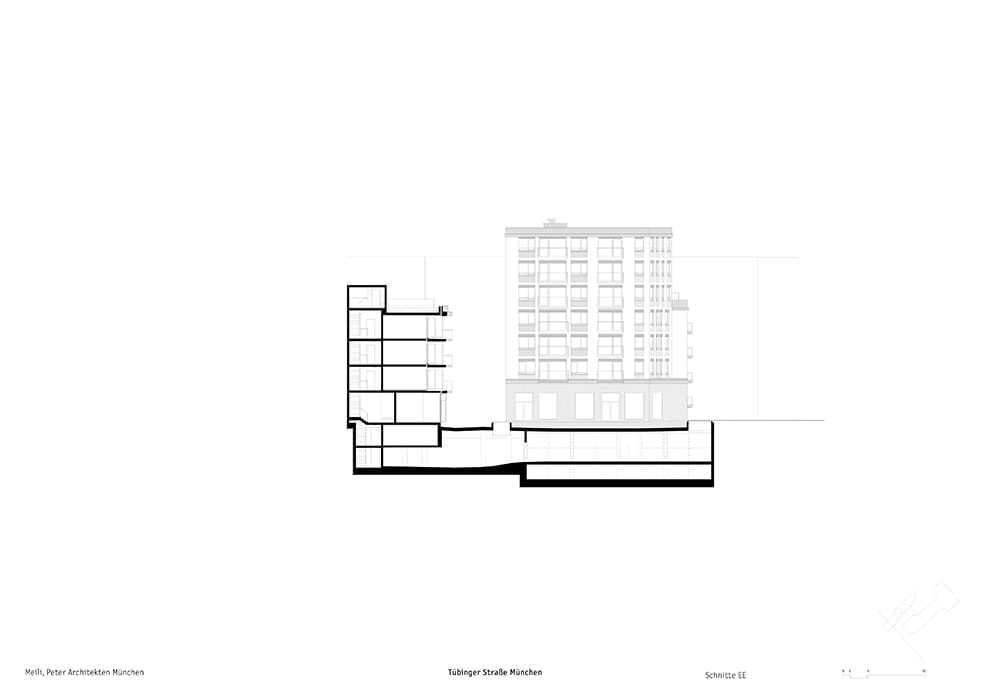
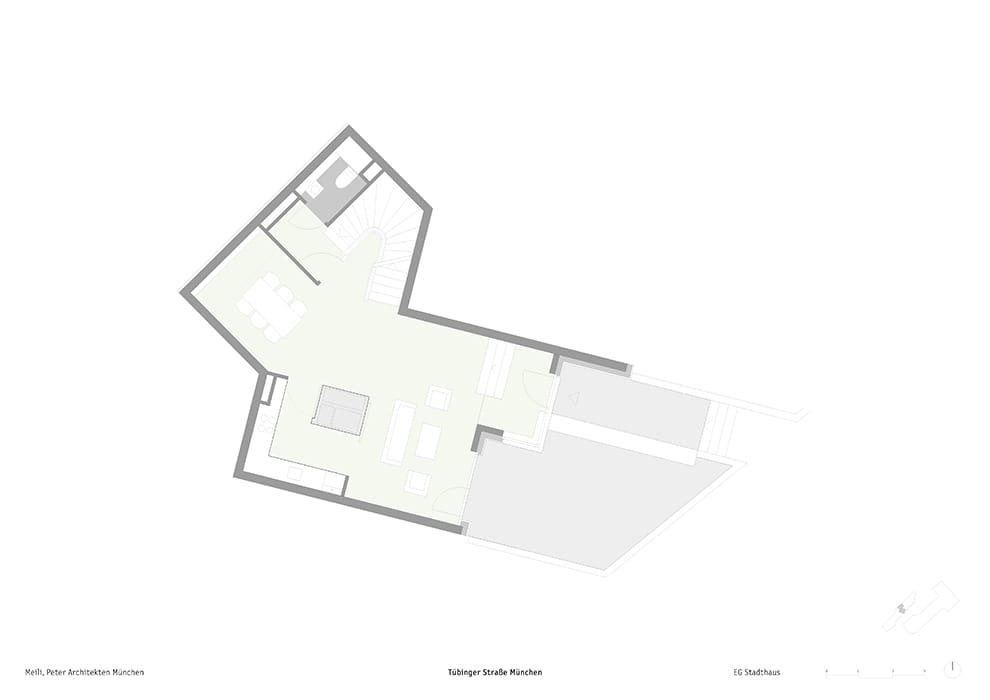
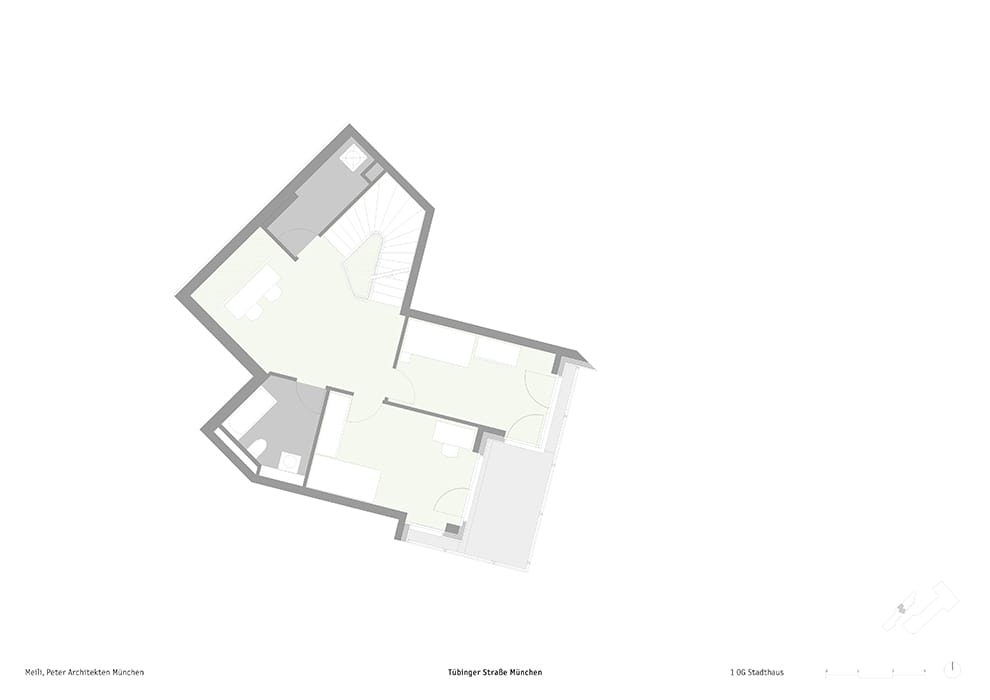
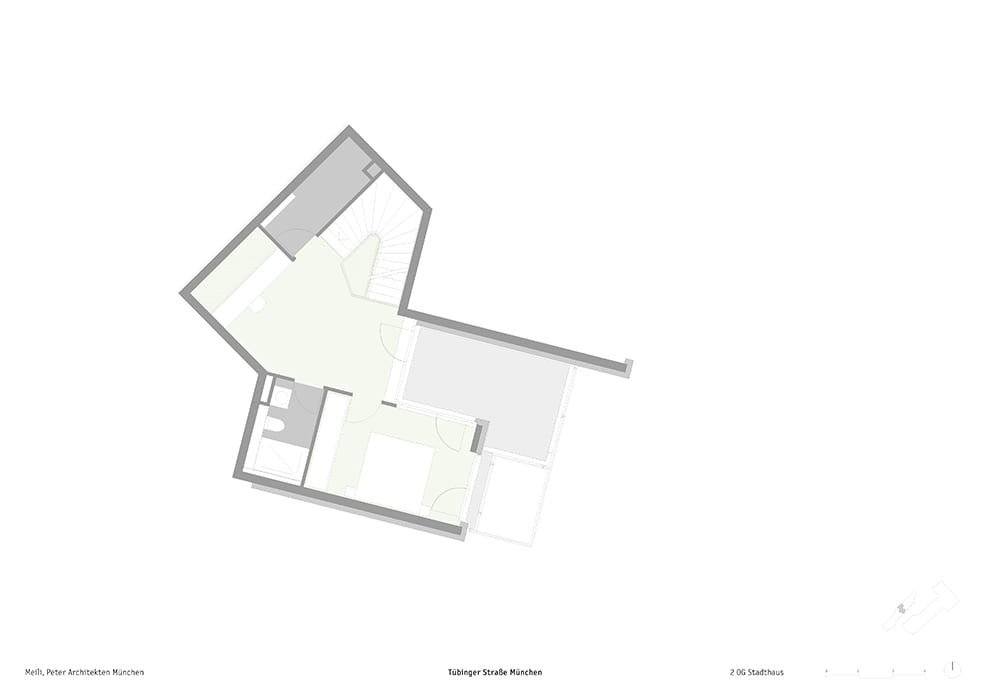
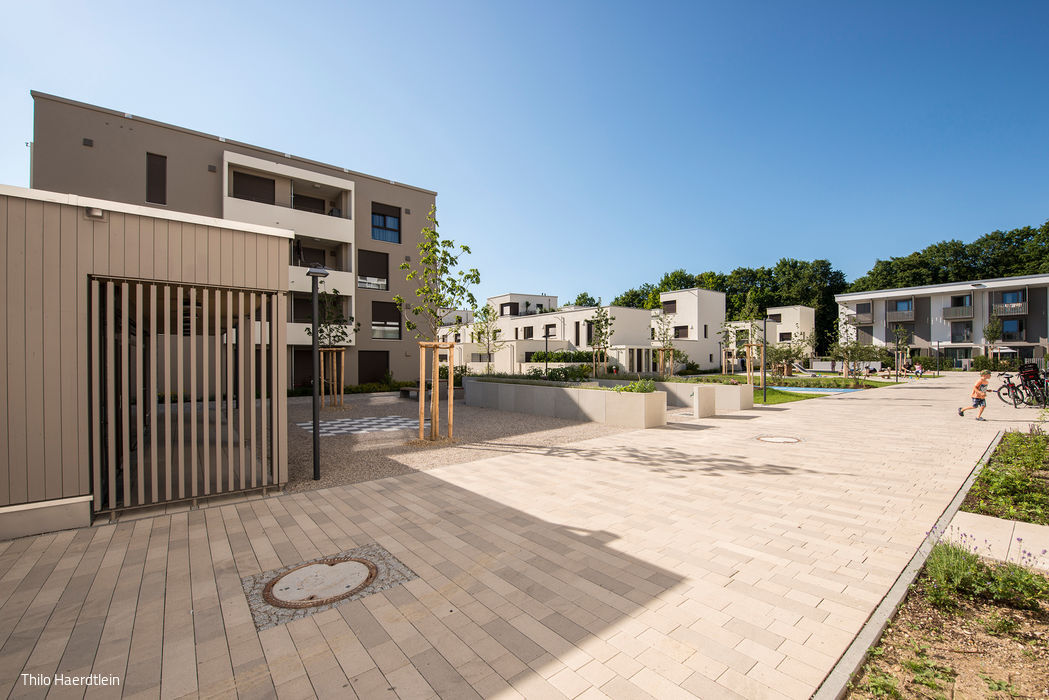
Between the industrial districts of Schwanthalerhöhe and Laim, a sprawling residential quarter is taking shape on a former industrial site wedged between Hansa- and Tübinger streets. Alongside an office building and diverse retail spaces, the development features through-passages and a central courtyard—together creating a truly urban neighborhood. Rather than a monotonous residential estate, this is a thoughtfully designed quarter with distinctive character, featuring varied architectural styles and individual structures. The masterplan comes from Meili, Peter Architekten, Munich, conceived under the direction of Florian Hartmann, Andreas Müsseler, Oliver Noak, and Lisa Yamaguchi.
The development unfolds in two phases: the first, along Hansastraße, is already complete, while the second phase, toward Tübinger Straße, is currently under way with completion targeted for 2020. Four buildings frame a central block, creating multiple squares, pathways, and generous green spaces. The street-facing office building
anchors the block edge along Hansastraße. Standing six stories tall, it effectively shields the residential areas from the busier commercial street. Its distinctive glass façade—articulated by gleaming ceramic bands—integrates seamlessly into the urban landscape. From here, a passage leads to the interior courtyard, a space that bears little resemblance to traditional back alleys.
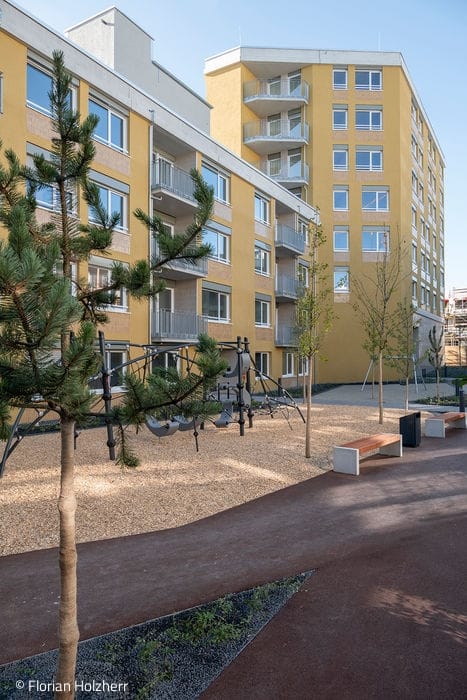
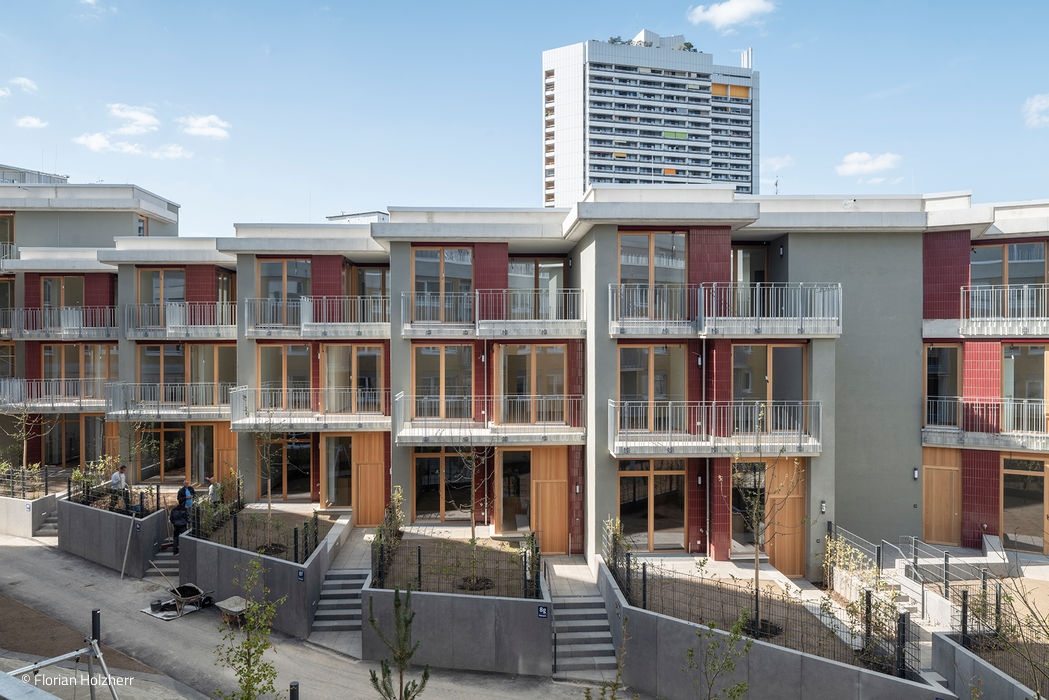
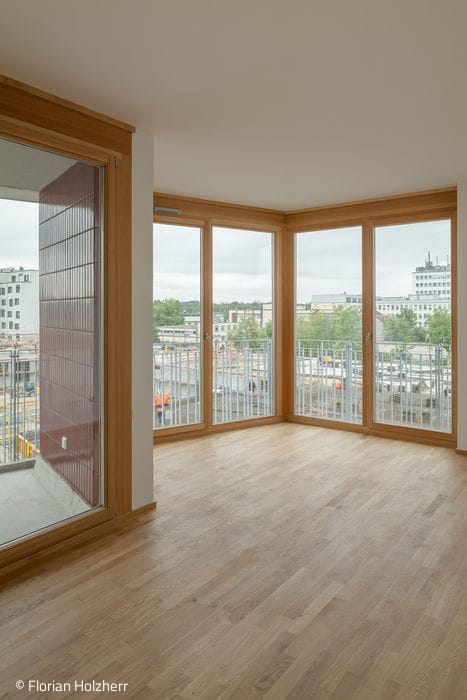
To one side, a butter-yellow residential building extends deep into the courtyard, accommodating income-subsidized housing units (EOF). On the opposite side, a series of compact townhouses are arranged in staggered formation along the shared fire wall—a clever zigzag configuration that ensures each unit receives ample natural light. Their primary elevations face southeast, what the architects call their "open eyes." A play of textured plaster and deep red ceramic surfaces creates visual interest, while warm wooden elements frame the windows and doors. The buildings still under construction likewise blend residential and retail uses. All four structures feature distinctive "heads"—seven-story gatehouses that articulate the urban density and will eventually anchor the "City Square." Further south, toward Tübinger Straße, the "Spanish Square" will emerge, ringed by local shops, a kindergarten, and dining establishments.
Photography Credits:
Florian Holzherr
www.florian-holzherr.com
(Published in CUBE Munich 01|20)

Primary School with Learning House Concept
Inclusive, Flexible, and Architecturally Responsive
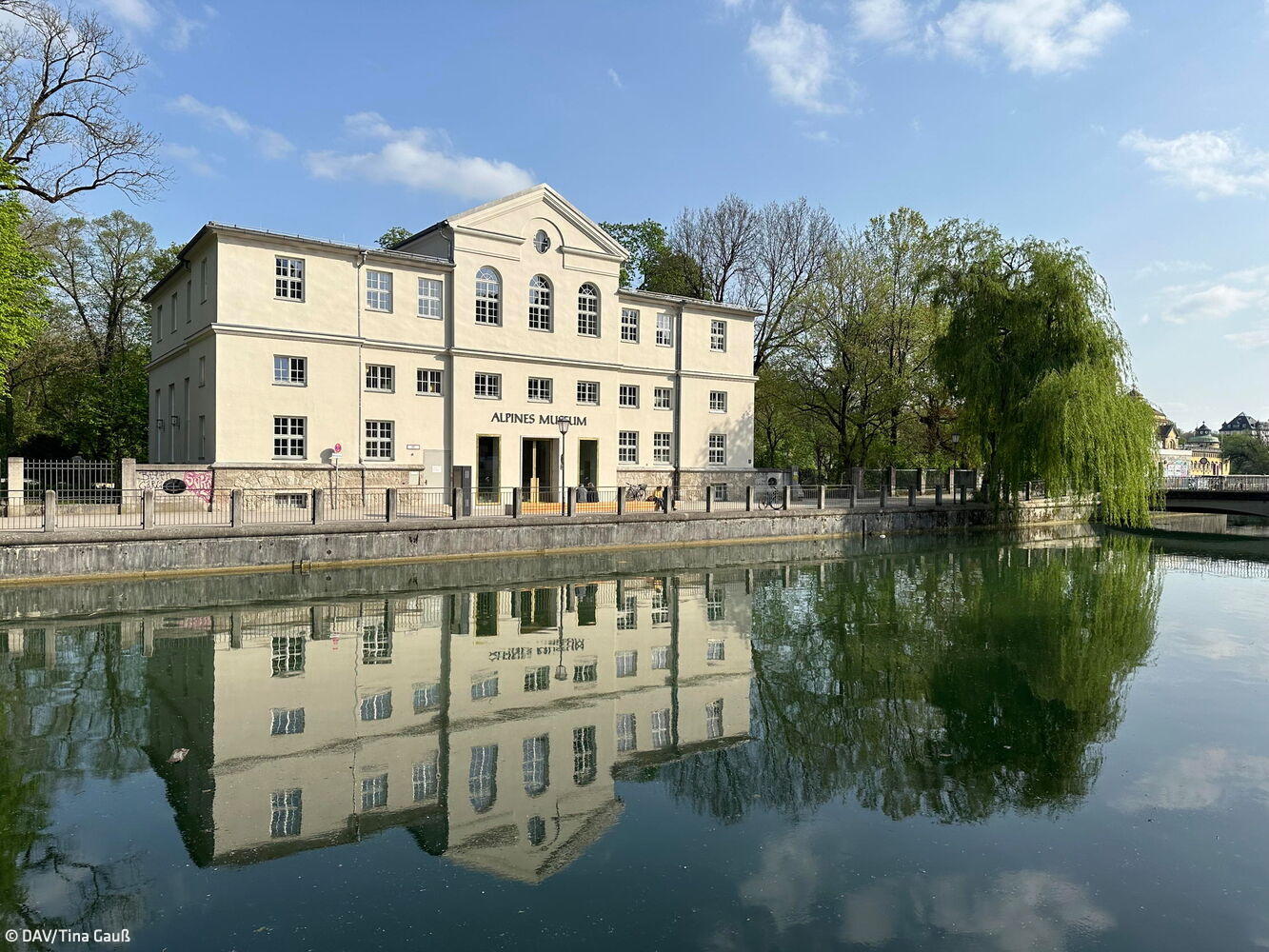
A Brilliant Reminiscence
The Alpine Museum Reimagined: A Modern Gathering Place
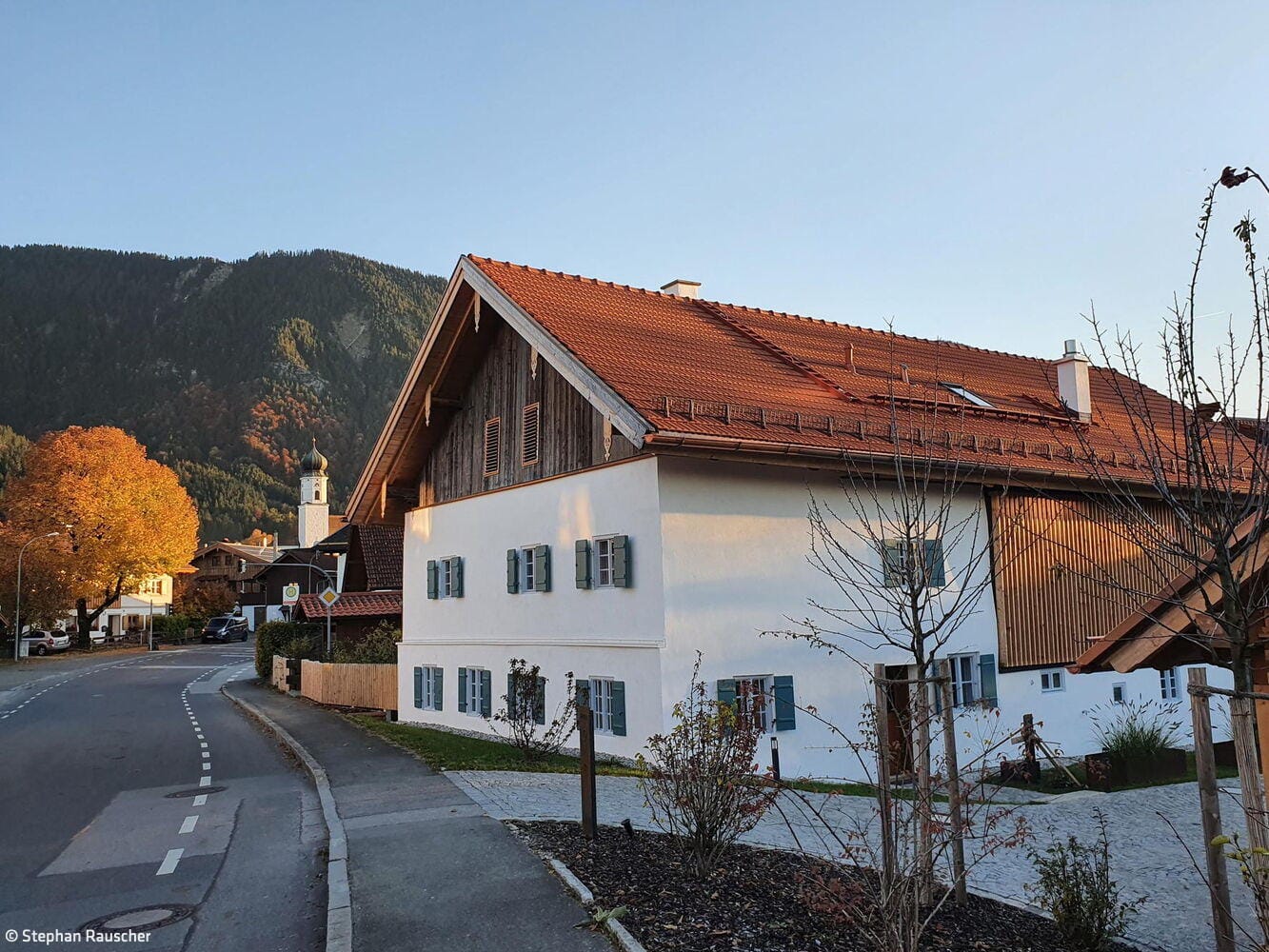
Deceleration Included
Holiday suites nestled within a historic farmstead blend timeless character with contemporary comfort.
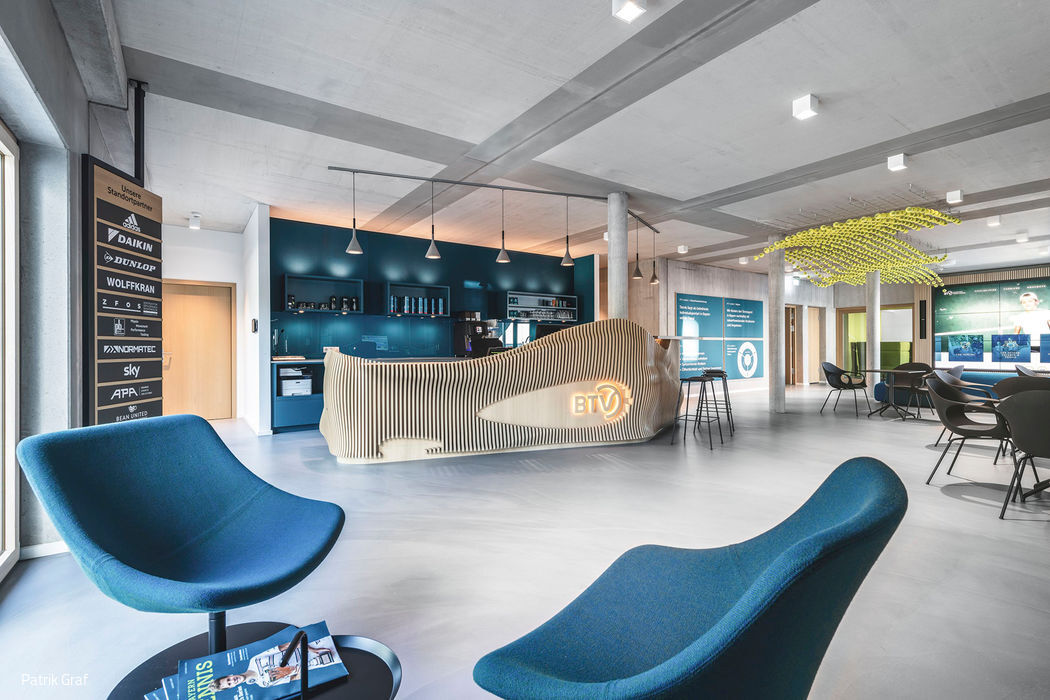
Sports Campus Reimagined
TennisBase's expansion in Oberhaching redefines the sports experience