


Substance Over Style
Three independent apartments with separate entrances in a single building
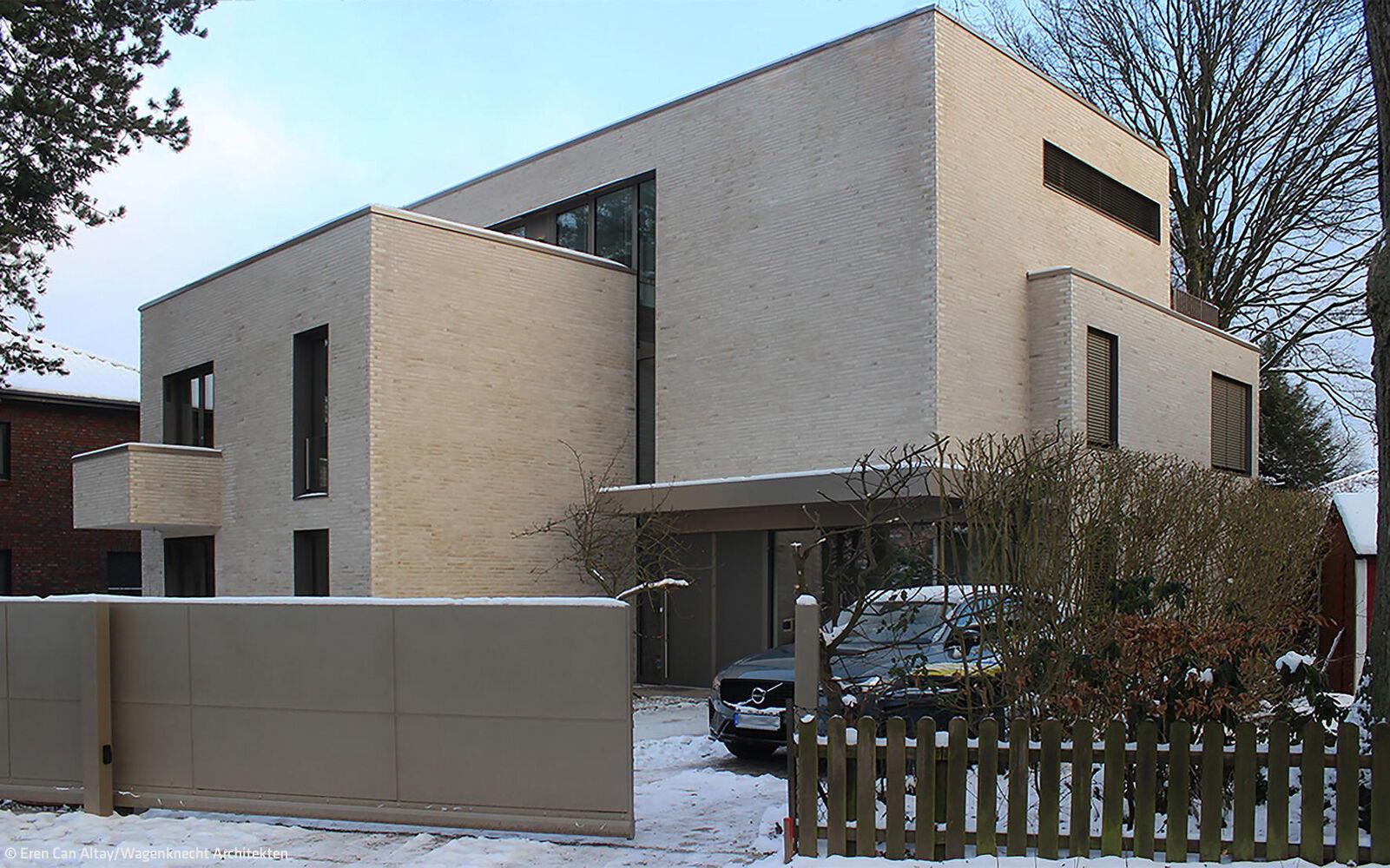
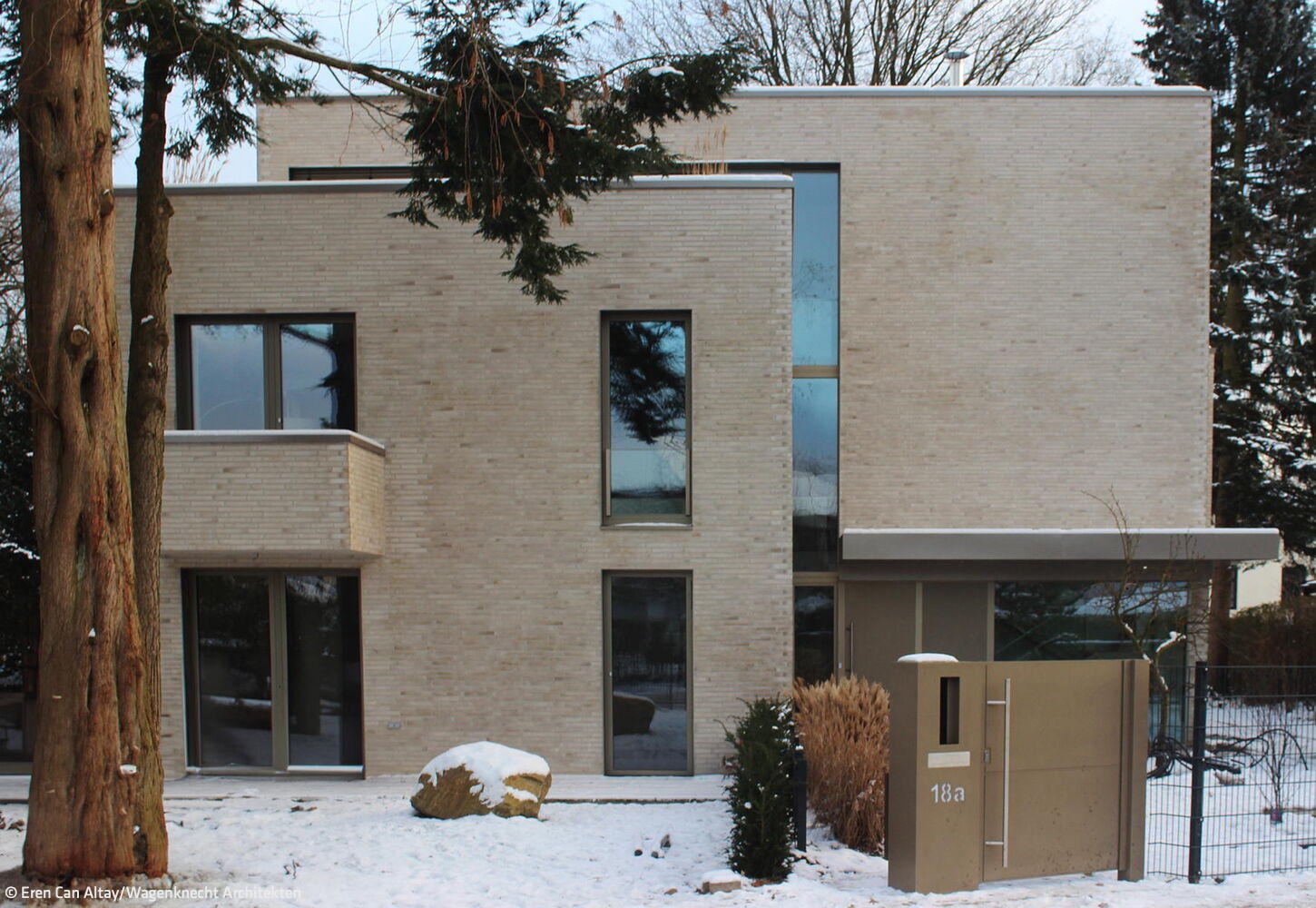

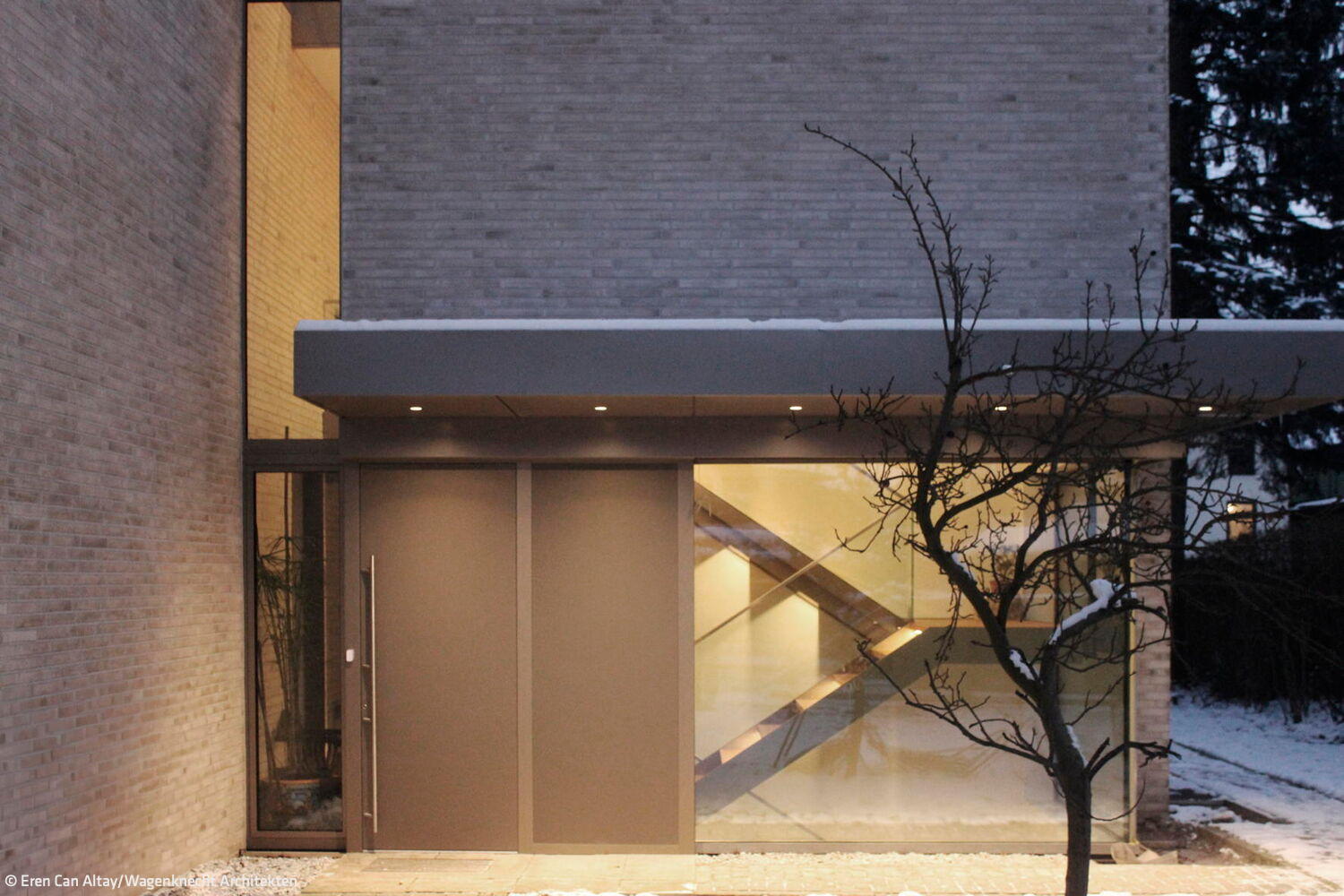
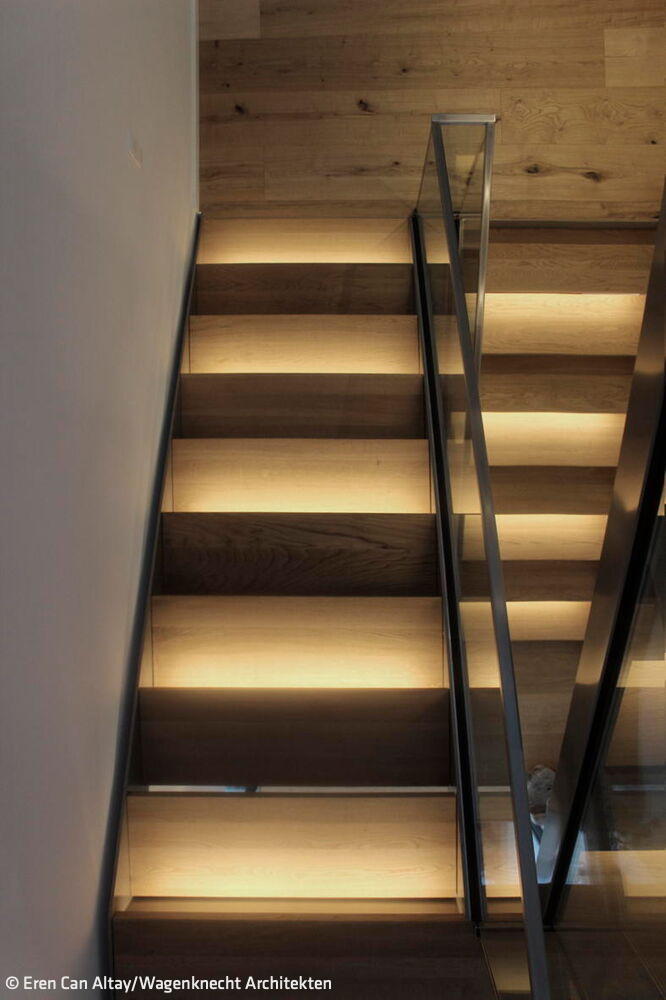
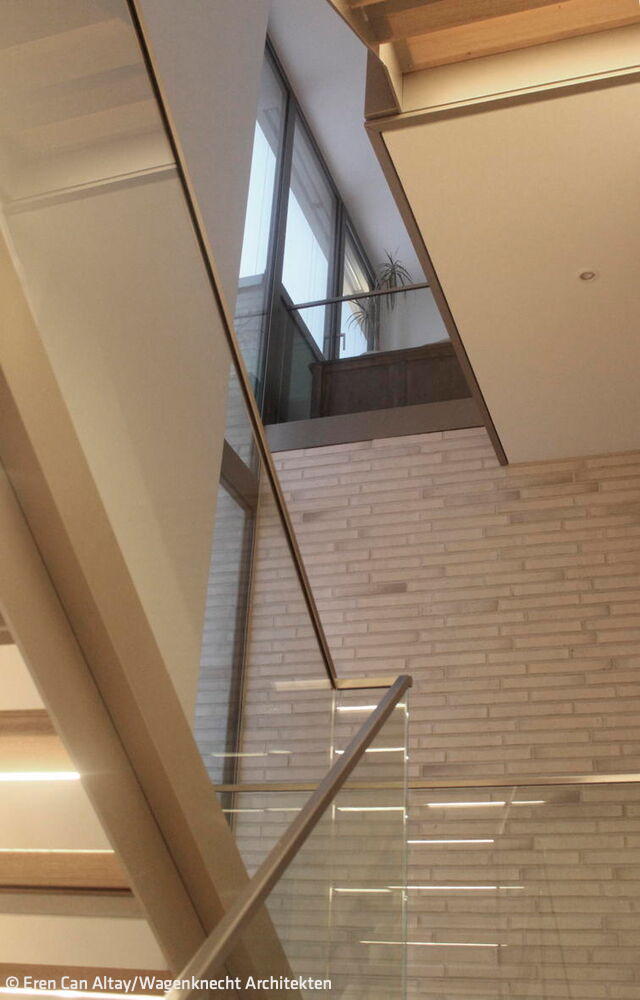
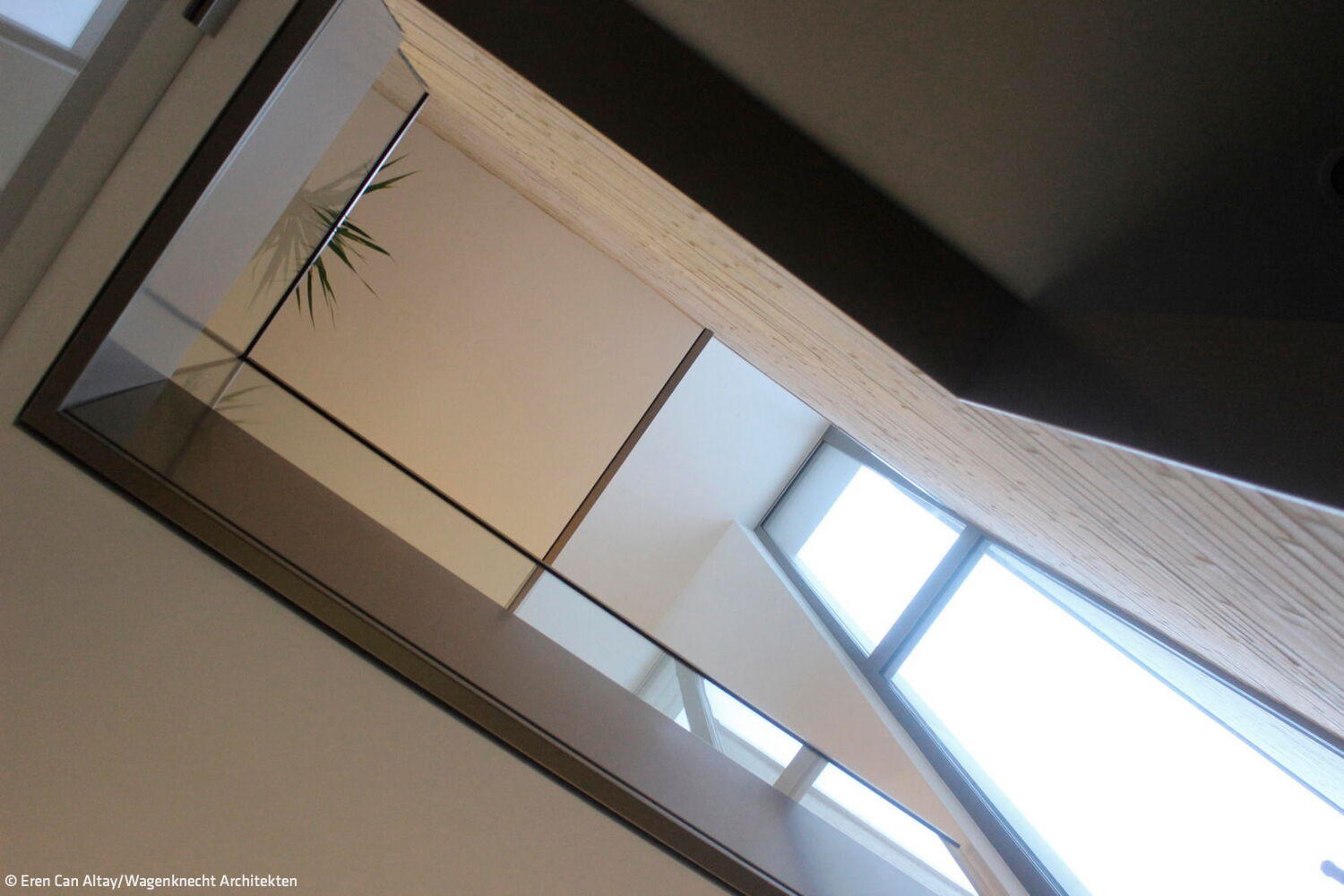
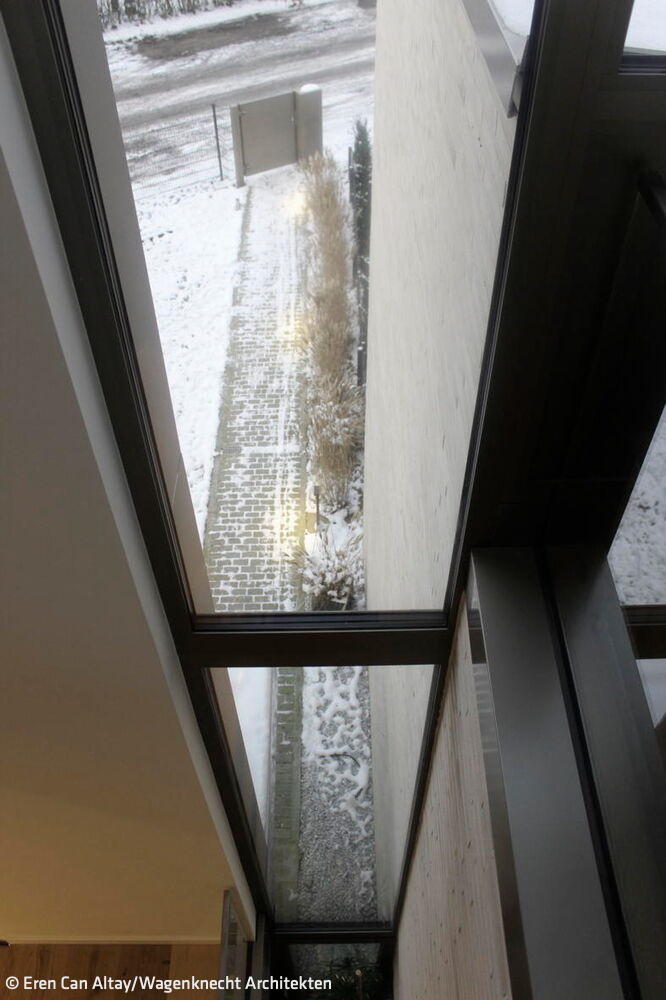
The former village of Groß Borstel remains a distinctly rural Hamburg district, characterized by historic thatched cottages, expansive suburban villas, and numerous detached and terraced homes. On a tree-studded lot containing a single-story 1950s residence, Wagenknecht Architects designed a new three-unit residential building. The client's vision—a "house within a house"—called for one owner-occupied dwelling alongside two independently accessed rental apartments under a single roof. Tillmann Wagenknecht's team embraced the complexities inherent in the project: stringent building codes, the site's challenging geometry, and the preservation of mature trees. Their design strategy for this two-story structure with stepped upper floor was elegant in its logic: distinct volumes and functions are orchestrated to read clearly while maintaining compositional unity. This is achieved through a refined interplay of transparency and solid surfaces toward the street, paired with a restrained material palette that creates visual cohesion and calm. Thoughtful lighting design further enhances the building's spatial presence after dark. Three independently accessed units collectively convey the impression of a generous single-family home. Light beige clinker brick strips in extended format, complemented by soft bronze anodized aluminum windows featuring integrated horizontal sunscreens, define the refined facade. The owner's expansive five-room residence spans the ground, upper, and penthouse floors, opening onto both a garden terrace and roof terrace. It showcases a bespoke spatial program enhanced by a built-in fireplace in the living-dining zone, an open kitchen with counter seating, and ensuite dressing areas and baths. One rental apartment occupies the ground floor with terrace access; the other sits on the upper floor with a balcony—both feature generous two-room layouts. The building achieves KfW-55 efficiency standards. A geothermal heat pump supplies warmth to all units, while hot water is generated independently through photovoltaic systems.
www.wagenknecht-architekten.com
Photos: Eren Can Altay/Wagenknecht Architects
(Published in CUBE Hamburg 04|24)


Authentic Indian cuisine
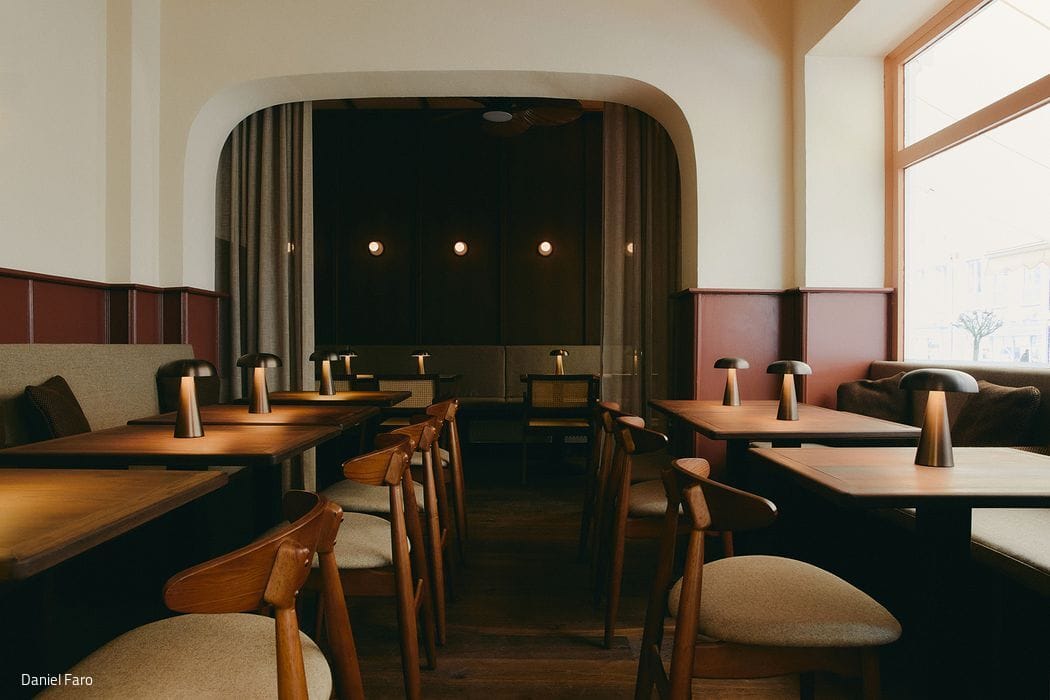
The restaurant's Winterhude location draws its warmth and character from Indian colour and culture.
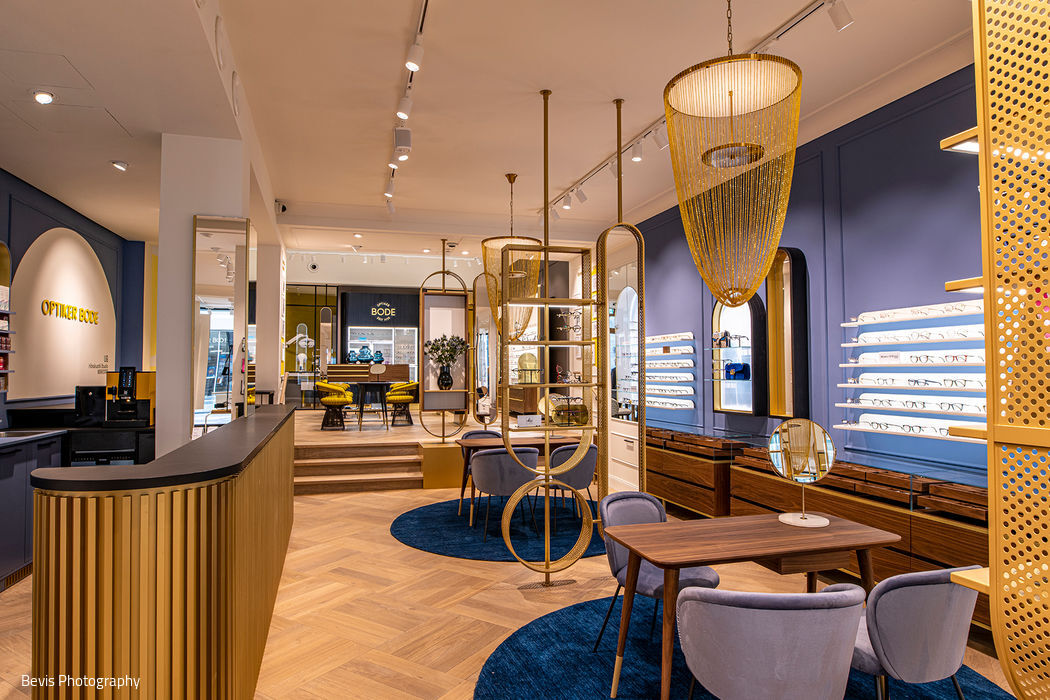
Award-Winning Store Design
Craftsmanship Meets Lifestyle: A Design Harmony at Jungfernstieg
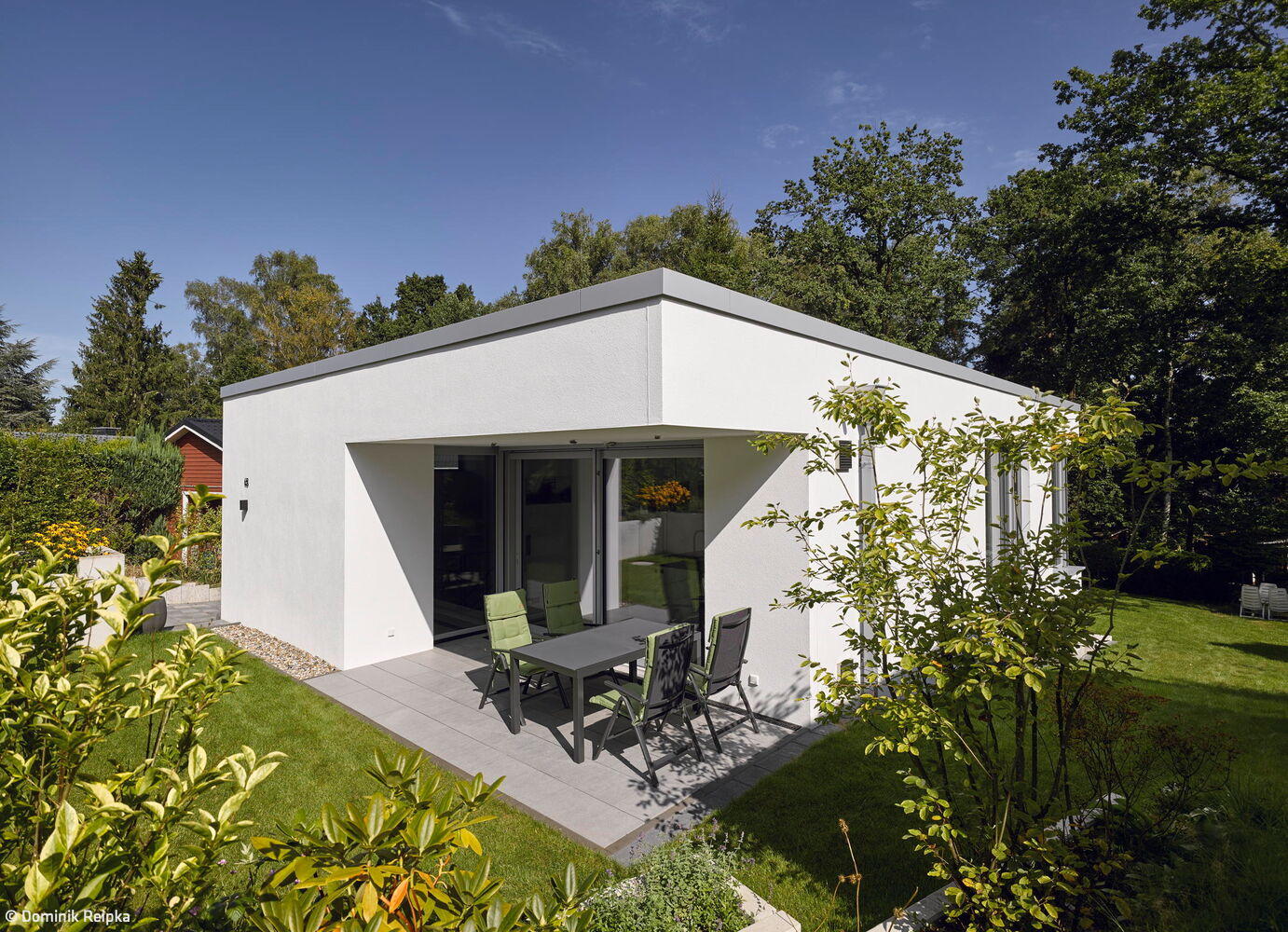
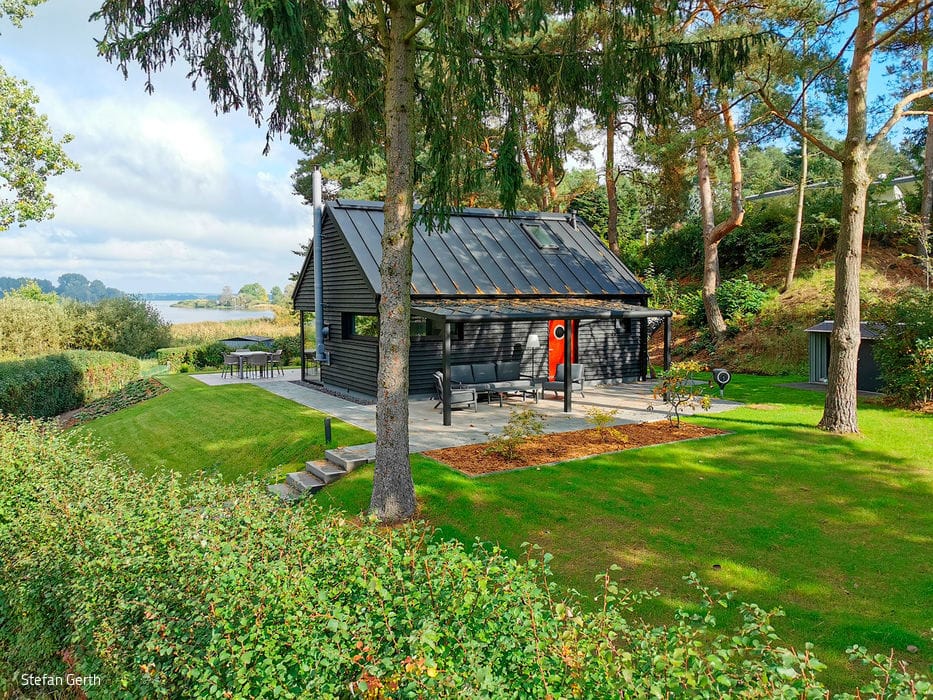
House on a slope
A small but charming bungalow – tailor-made for an elderly couple
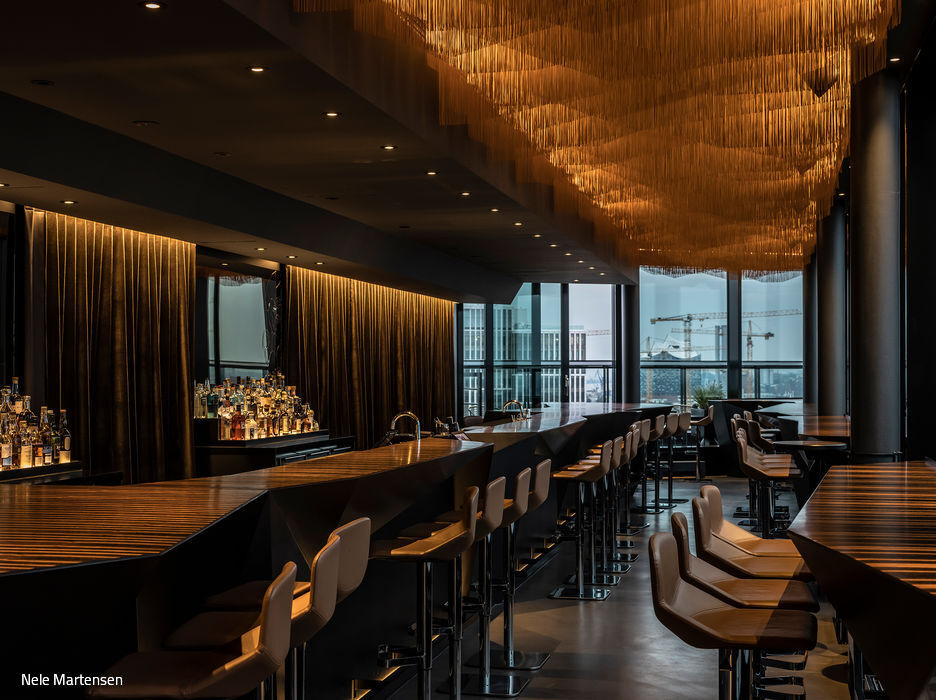
Light Defines Atmosphere
In the Puzzle Bar, cocktails become theater.