


A Landmark in Sustainability
The Eclipse office tower in Golzheim is redefining the future of high-rise working
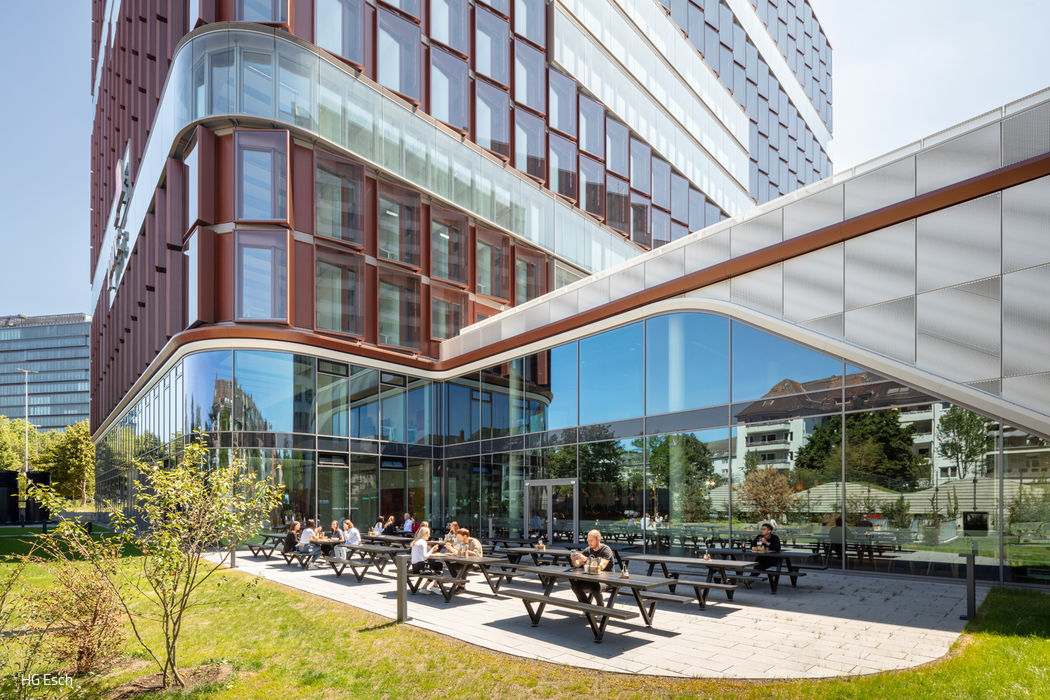
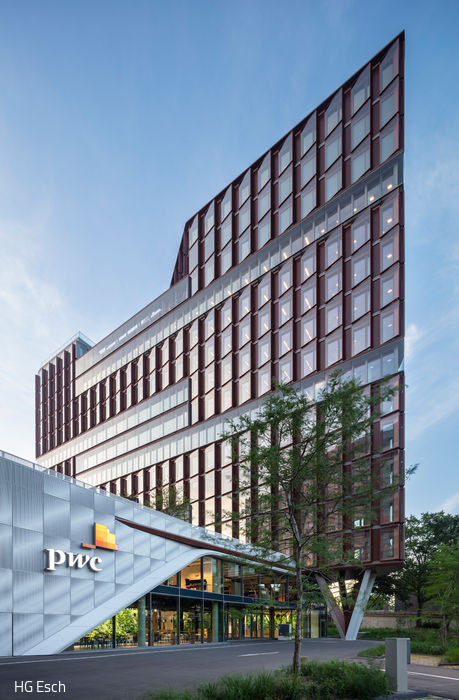
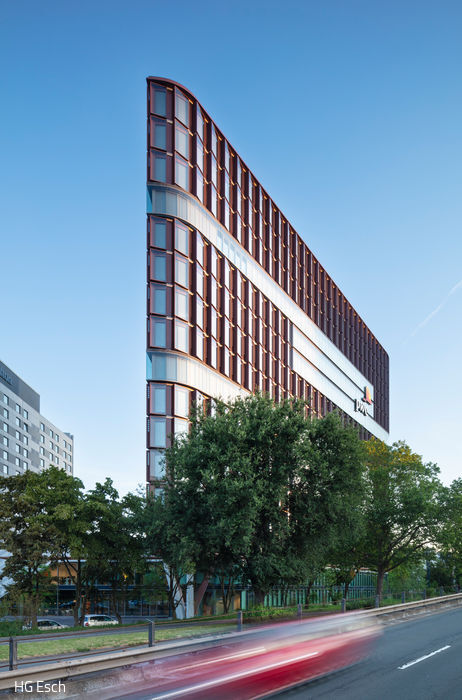
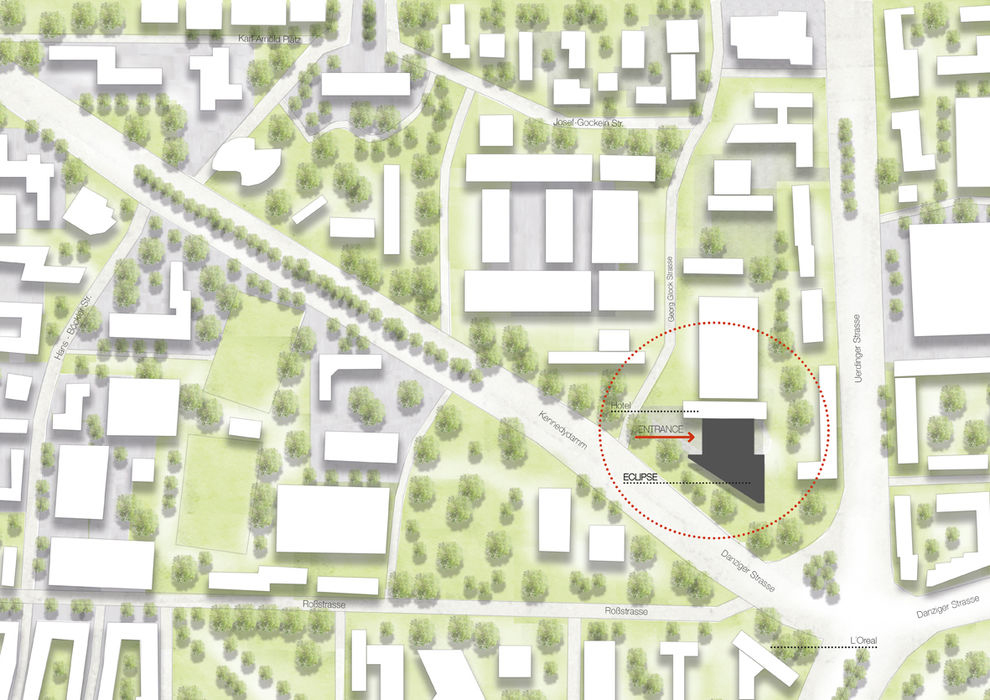
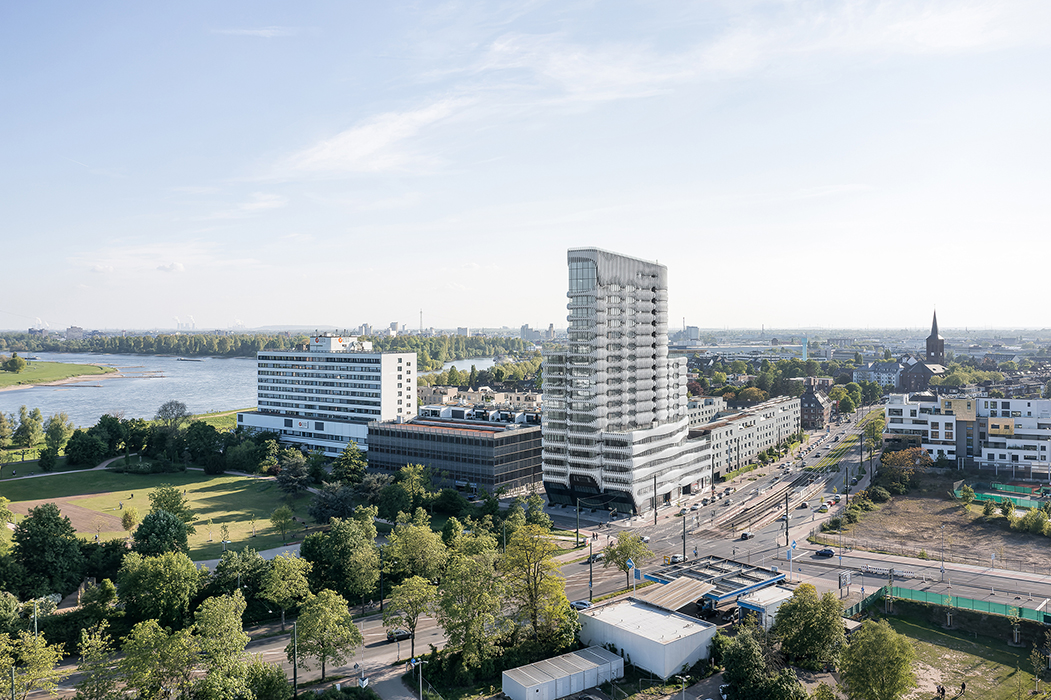
Rising along the Kennedydamm—just a stone's throw from L'Oréal's German headquarters—the 16-storey Eclipse office tower commands attention with its striking glass façade. Conceived by HPP Architects in collaboration with UNStudio and developed by die developer, this architectural landmark now serves as PwC Germany's headquarters in the state capital. What sets Eclipse apart is its innovative façade of ribbon windows that open onto a series of light courts, collectively forming a "vertical campus" that transforms how people work and connect.
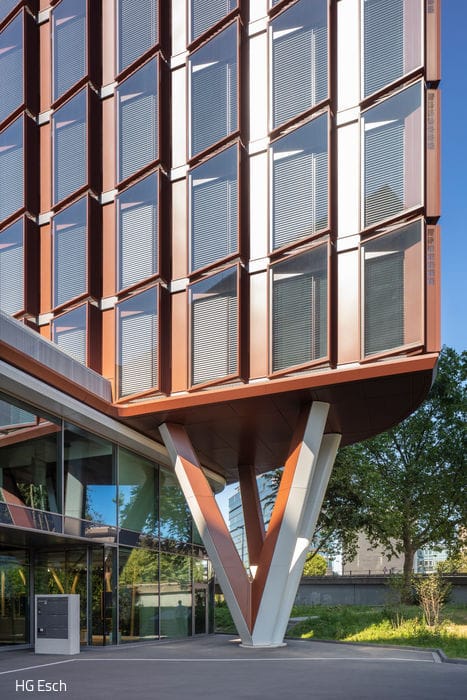
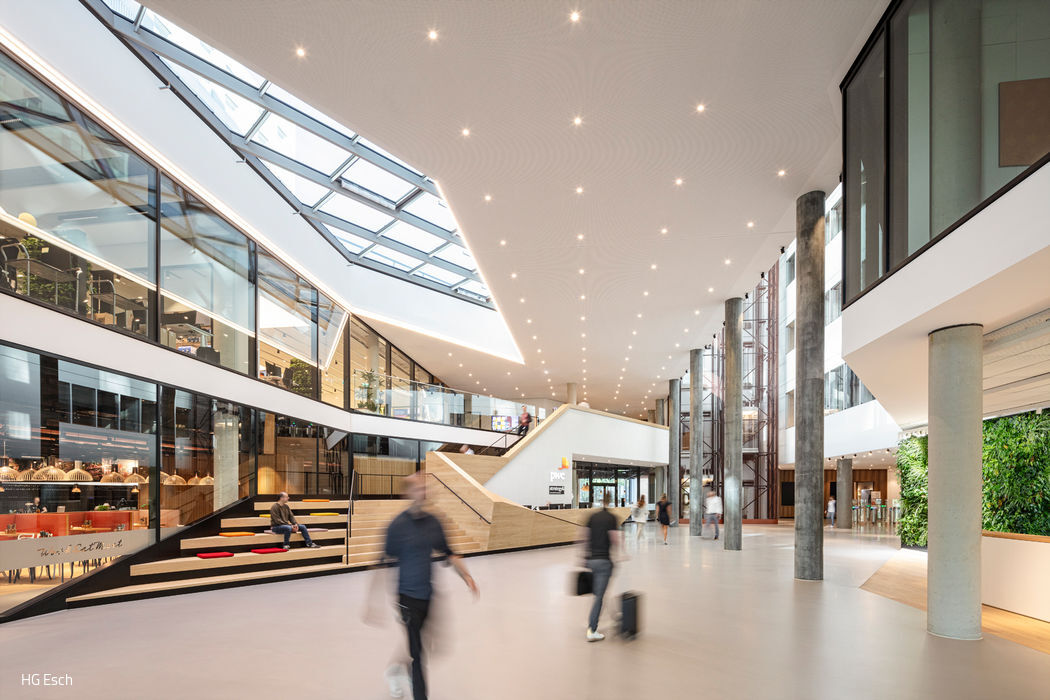
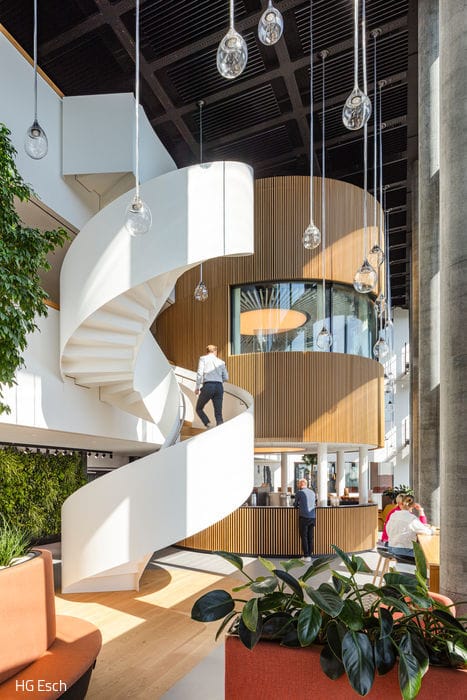
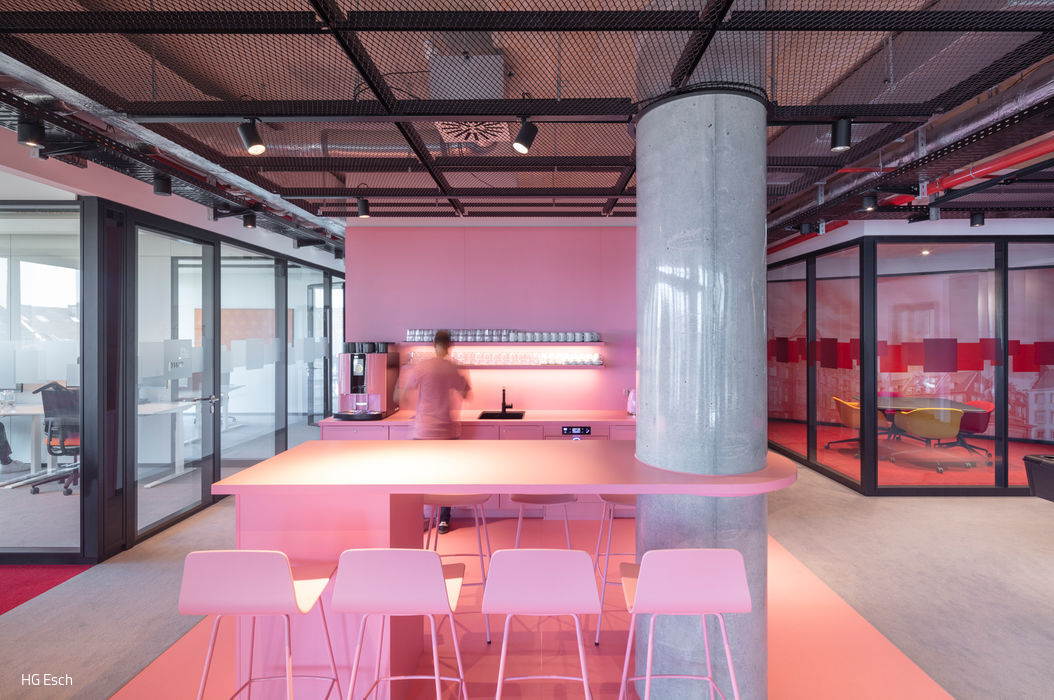
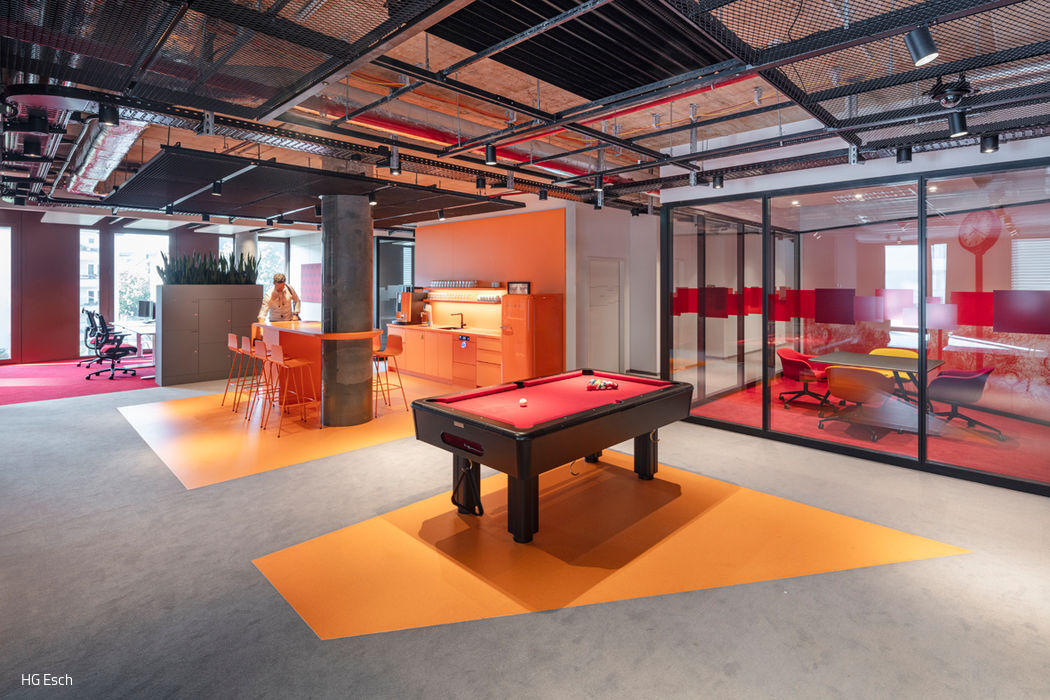
Seamlessly integrated with the neighboring 1970s Hilton Hotel through a two-storey base, Eclipse rises 60 metres in a triangular prism form. The building's most dramatic feature—an eleven-metre cantilever at the prism's sharpest angle, anchored by a sculptural V-shaped reinforced concrete column—shelters the main entrance. Beyond lies a generously proportioned reception hall with a soaring multi-storey atrium, where carefully chosen materials—warm wooden accents, crisp white porcelain stoneware, and bronzed expanded metal on the glass lifts—create visual sophistication. A sweeping staircase ascends to the first-floor gallery, its stepped seating converting the hall into an intimate auditorium. Yet given the tower's location at a busy intersection of two federal highways, the building strategy places everyday spaces where they matter most: inside. The true heart of Eclipse lies in its network of atriums and light wells stretching across multiple floors, some rising a full three storeys. Here, employees discover varied environments for collaboration and focus—a cafeteria, event spaces, and countless work zones—all expressed as transparent bands across the façade, extending to a rooftop terrace that rewards users with expansive city views. The twelve office floors embrace "activity-based working": employees reserve their workspace via app, choosing between focused cubicles, open-plan areas, collaborative zones, or green outdoor spaces depending on the task. Smart sensors—over 2,000 in total—orchestrate the building's lighting and ventilation in real time, automatically responding to occupancy. This intelligent approach delivers tangible results: up to 200 tonnes of CO₂ savings annually, positioning Eclipse as a genuinely sustainable workspace. The building pursues both DGNB Platinum and DGNB Diamond certification—recognition reserved for exceptional design and architectural quality.
Photography Credits:
HG Esch
www.hgesch.de
(Published in CUBE Düsseldorf 01|24)
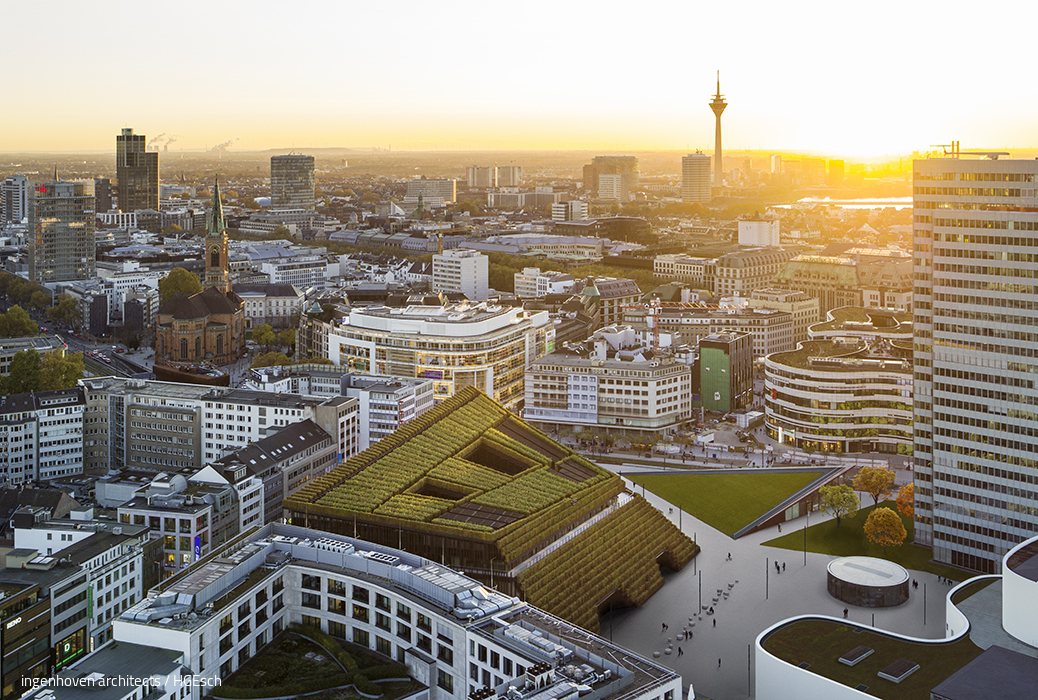
Eight Kilometers of Hornbeam Green
Kö-Bogen II's façade demonstrates how architecture can help sustain the microclimate of Europe's cities.
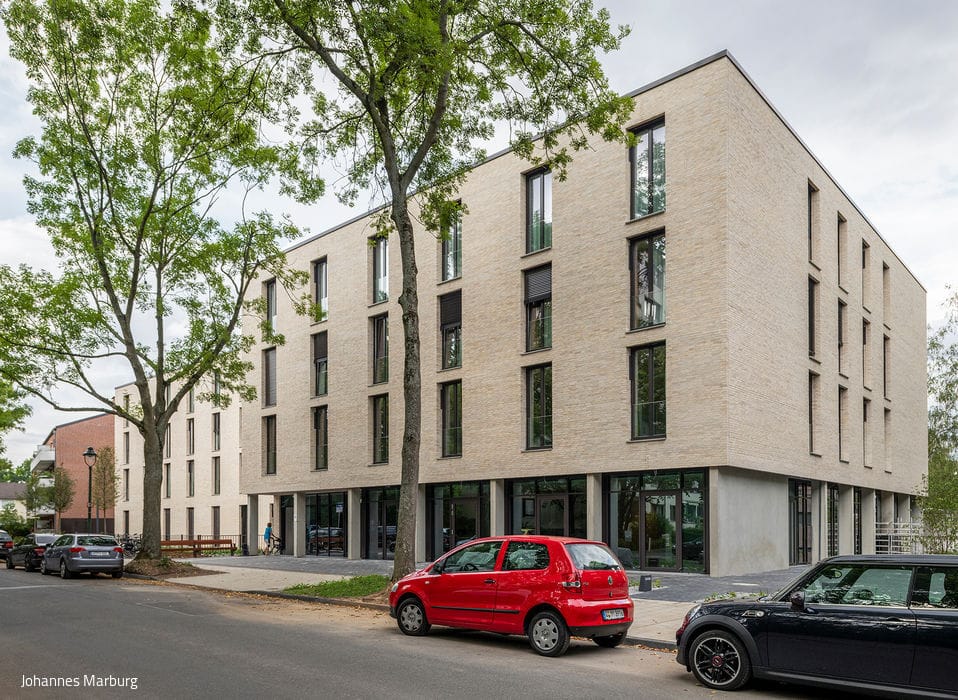
Maintenance with External Access
The Tersteegen House of the Diakonie in Golzheim has been given a compact new building.
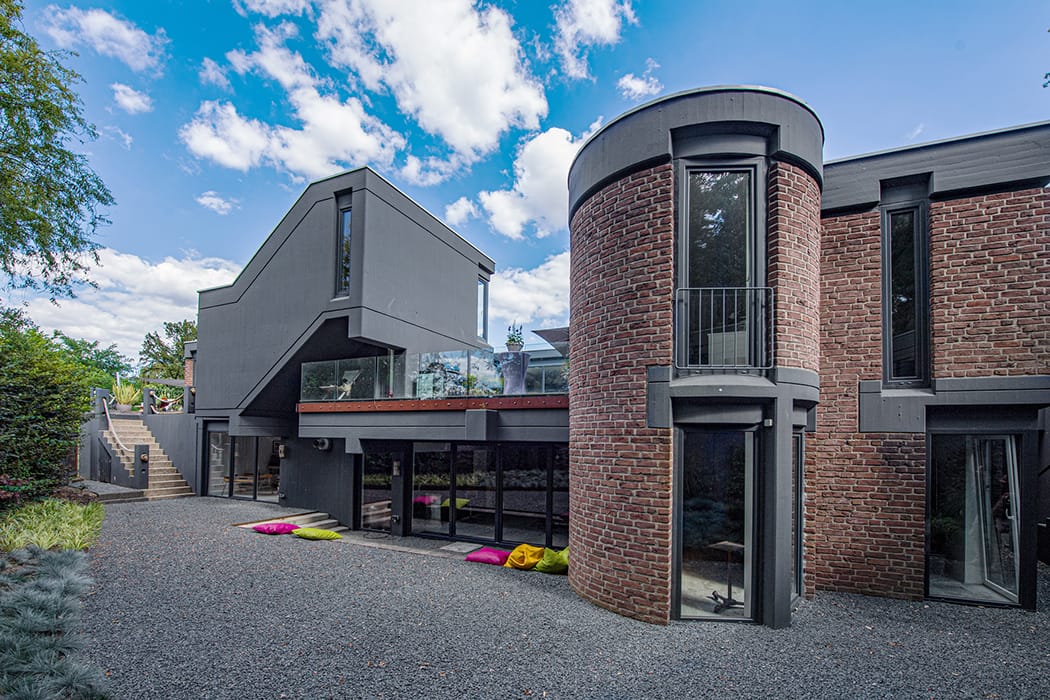
Inside and Outside Reconnected
A Spacious Lörick Bungalow Reimagined and Expanded
Panorama with Zipper Detail
The "Zipper" in Heerdt stands out with its striking façade and dynamic mixed-use program.