


Reaching New Heights
Expanded office and residential space through new construction and vertical growth
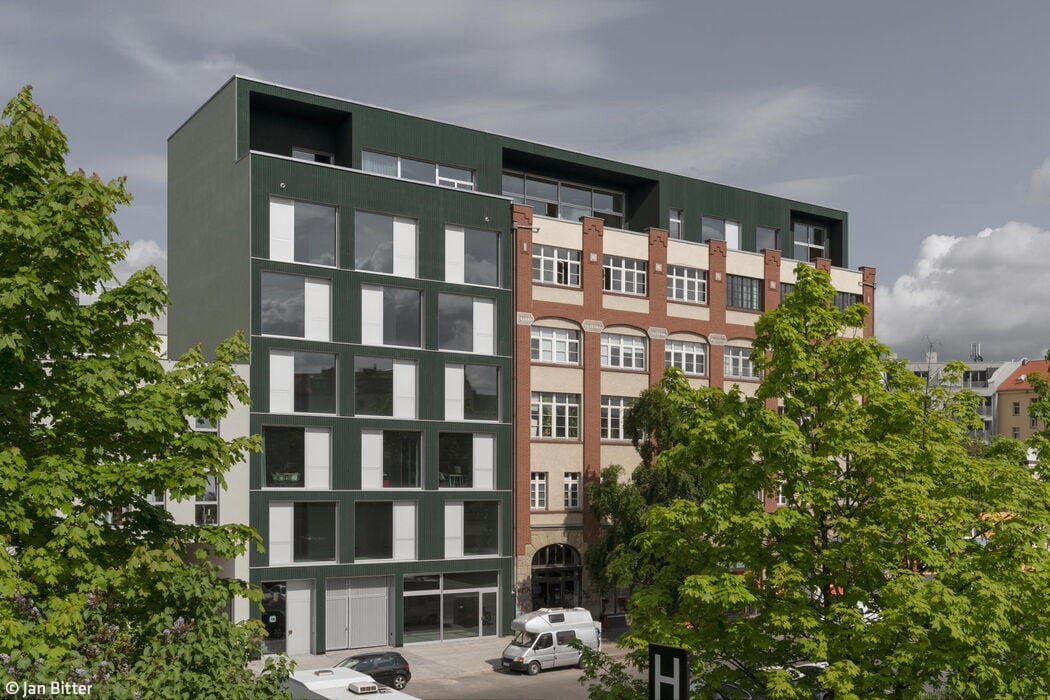
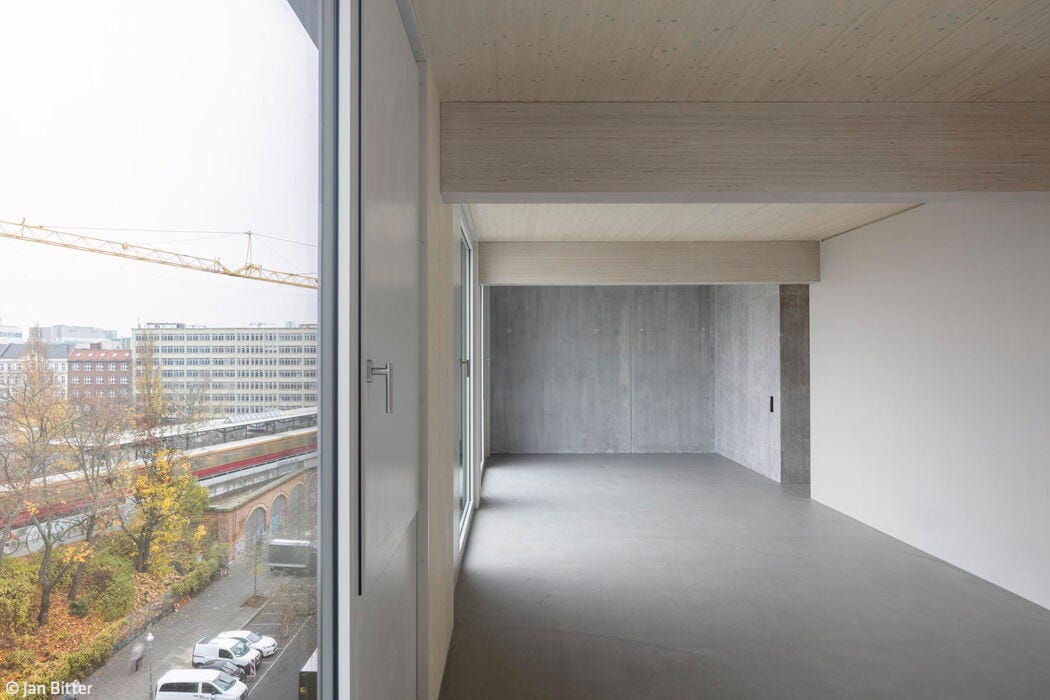
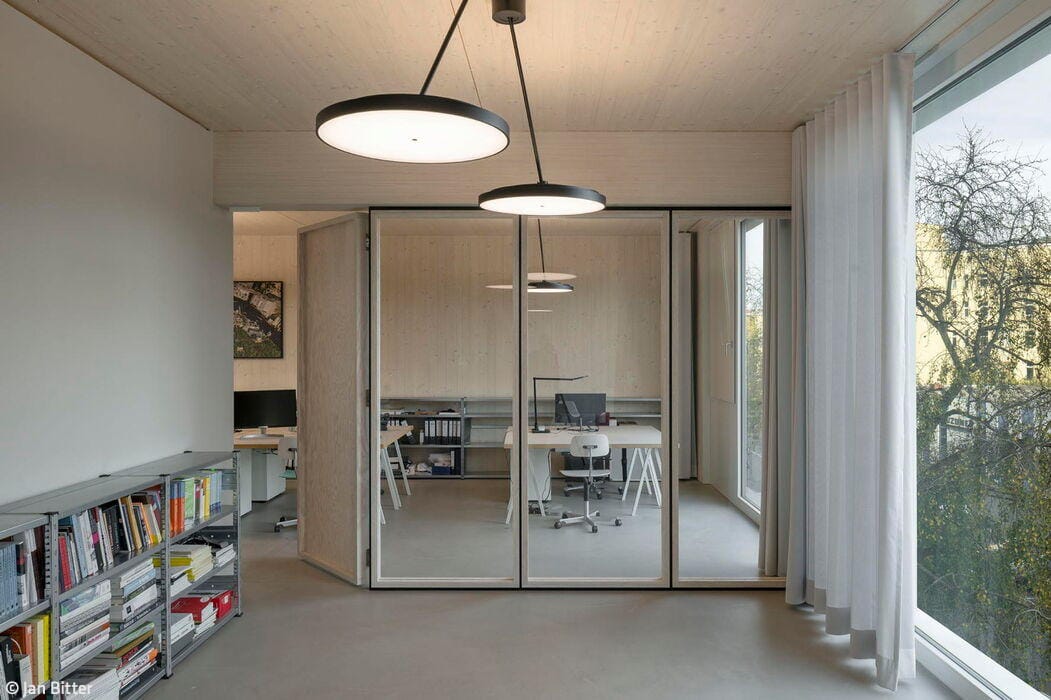
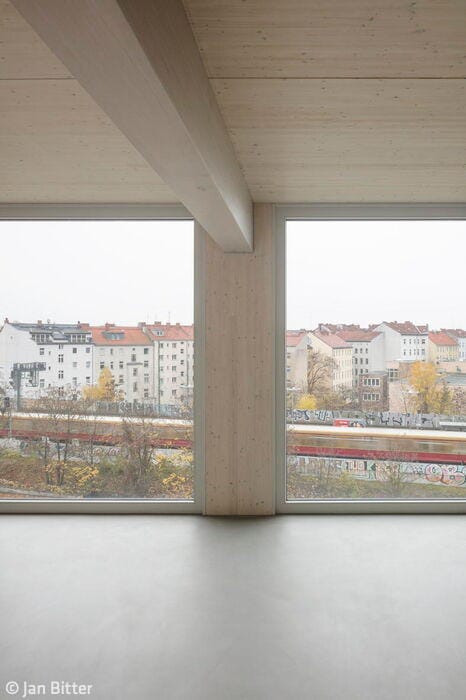
It's encouraging to see that nearly every new building today is held to sustainability standards. In just a few years, responsible design has become the norm—careful planning, environmental stewardship, recyclability, and ethical construction practices are now simply expected. A new mixed-use tower at the Wedding S-Bahn station embodies these principles while filling a crucial gap in the neighborhood. Rising just under 27 meters across seven stories, this distinctive tower-form structure seamlessly combines residential and office space.
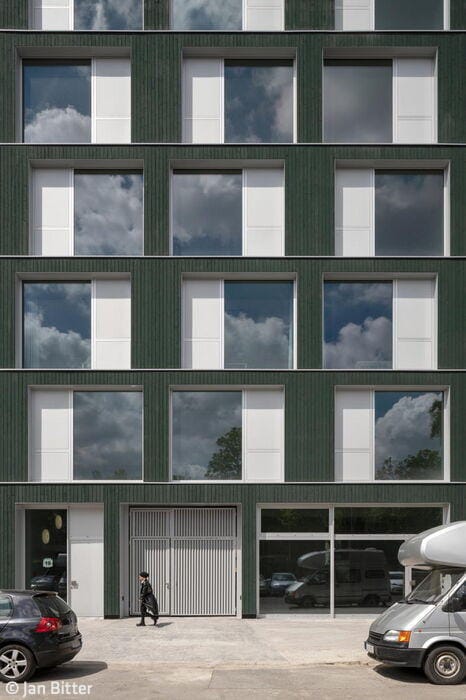
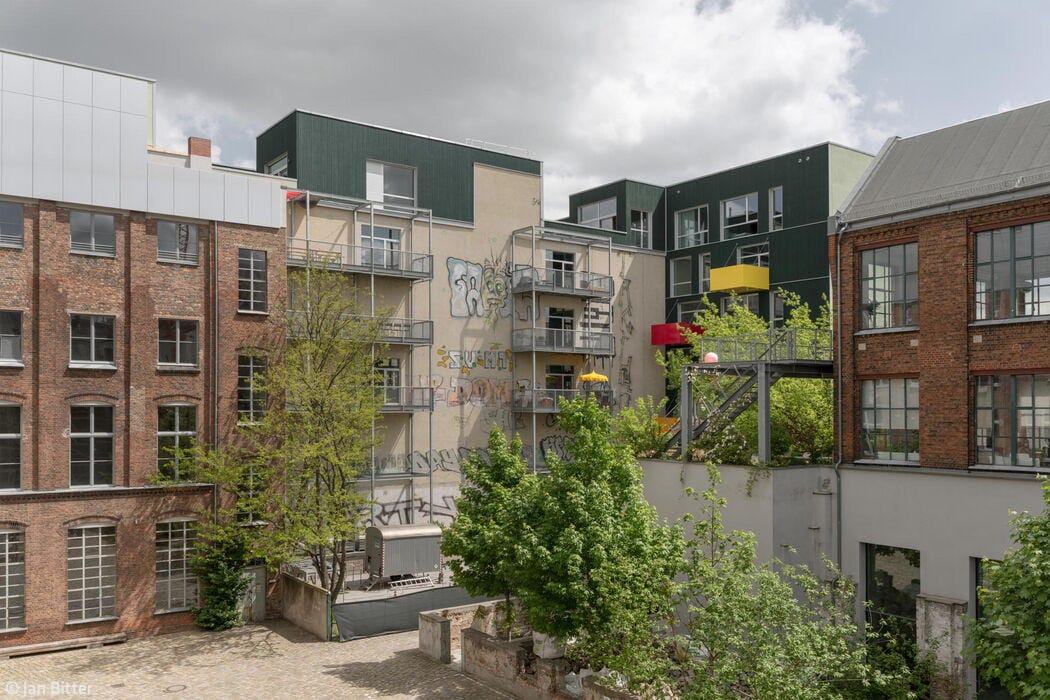
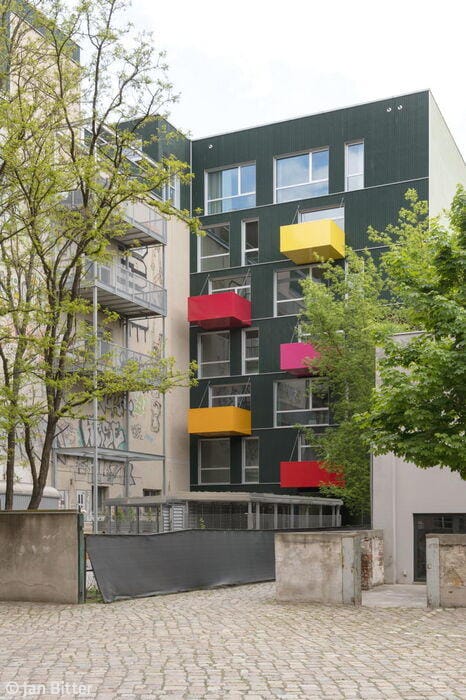
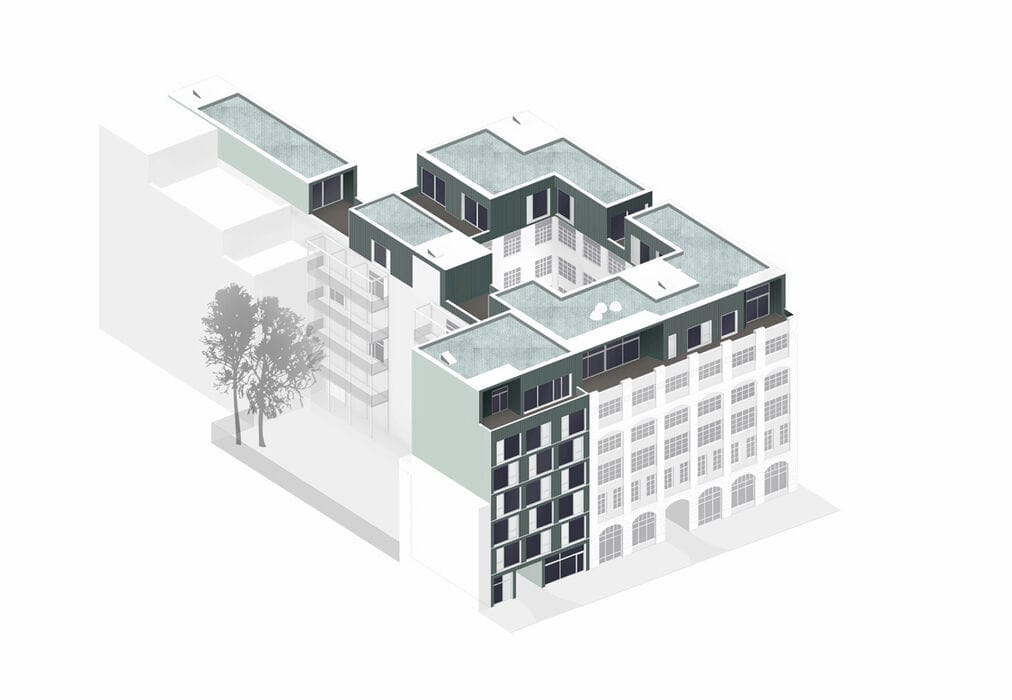
The street-facing east façade features loggias only on the top floor—a practical choice given its proximity to the railway embankment. By contrast, the rear west side opens onto balconies with colorful balustrades. The new building sits directly adjacent to a shorter structure on its left, and borders a historic industrial building on its right. Despite its strikingly contemporary design, the new façade achieves a harmonious relationship with its neighbors: the industrial building's vertical and horizontal wall articulation resonates beautifully with the new building's ribbon windows. Architects Holzer Kobler (Berlin) and Zweikant (Cologne) prioritized wood as their primary building material wherever structurally feasible. The basement, ground floor, and stairwell were cast in reinforced concrete, while the hybrid timber construction represents the maximum timber content possible for a structure of this scale. The façade itself—a ventilated curtain system of spruce wood finished with organic Swedish weatherproof coating—brings warmth and durability to the exterior. The floor plans for both offices and apartments were designed with flexibility in mind, adapting easily to diverse occupancy needs. Staggered white window frames provide striking visual punctuation, creating a compelling contrast against the muted dark green façade.
There's one more strategic move worth noting: the new tower and the existing industrial building were brought into alignment through a clever intervention—the lower industrial structure was extended upward. This addition extends the tower's seventh-floor language seamlessly: the same green frames, loggias, and closed façade elements continue the architectural conversation while adding another residential floor to the street frontage. The north side wing and the courtyard buildings received similar extensions, creating a unified, cohesive height profile across the entire ensemble. The result is a striking example of vertical densification that maximizes the site's potential.
www.zweikant.com
www.holzerkobler.com
Photography:
Jan Bitter
www.janbitter.de
(Published in CUBE Berlin 02|24)

Building Community Through Song
... former Federal President Christian Wulff upon the opening of the new choir centre.
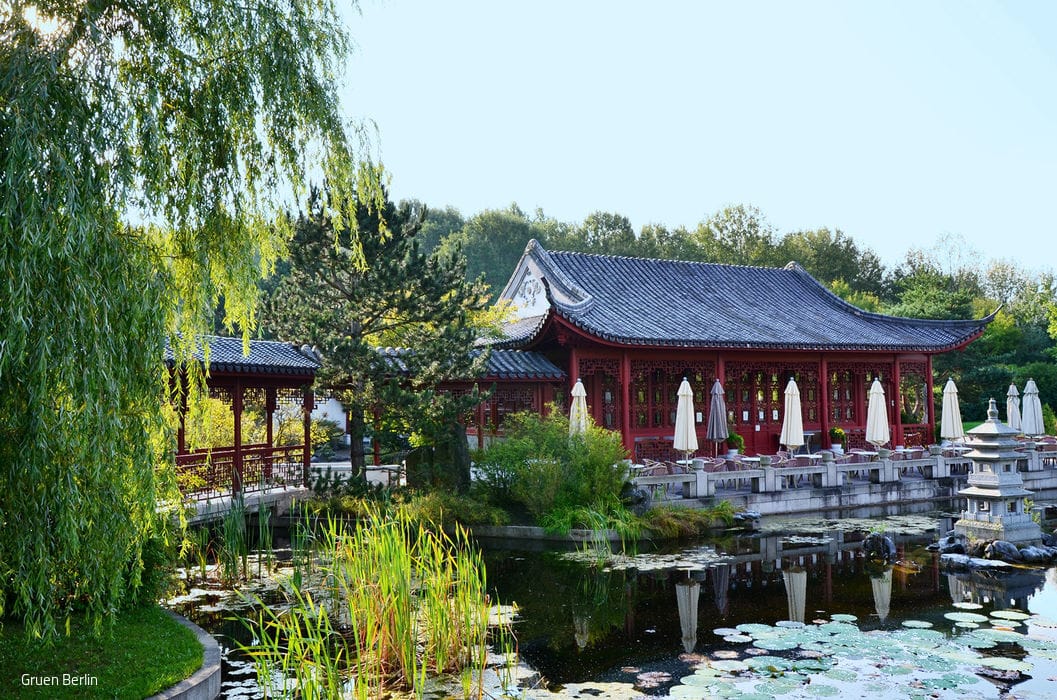
A World Tour in One Day
The "Gardens of the World" Remain an Unforgettable Experience—Six Years After the IGA
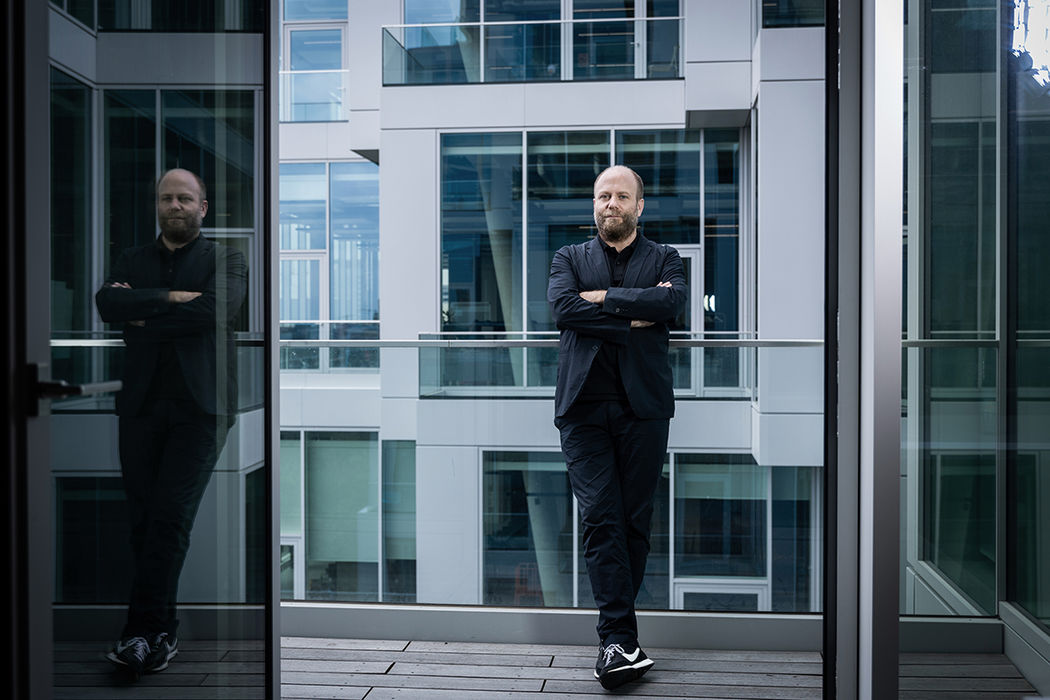
Global Reach
Architect Martin Jasper explains the path forward in this podcast.
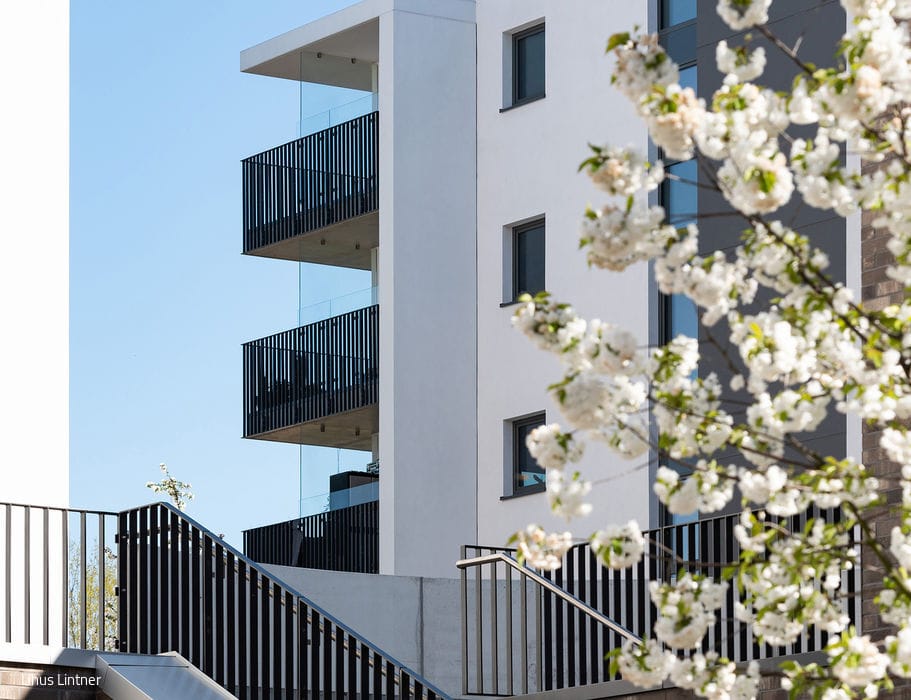
Platinum Recognition: Neu Schöneberg
Sustainable neighbourhood expansion: housing, retail, childcare, and fitness