


Thoughtfully Reimagined
The historic Maarhausen estate near Heumar has become a thriving corporate hub
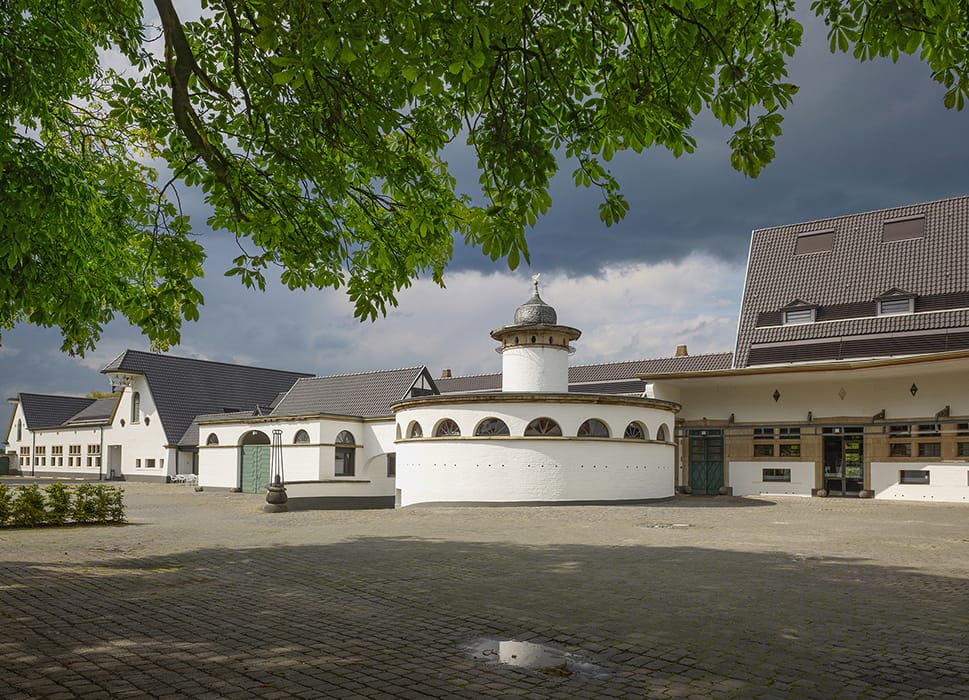
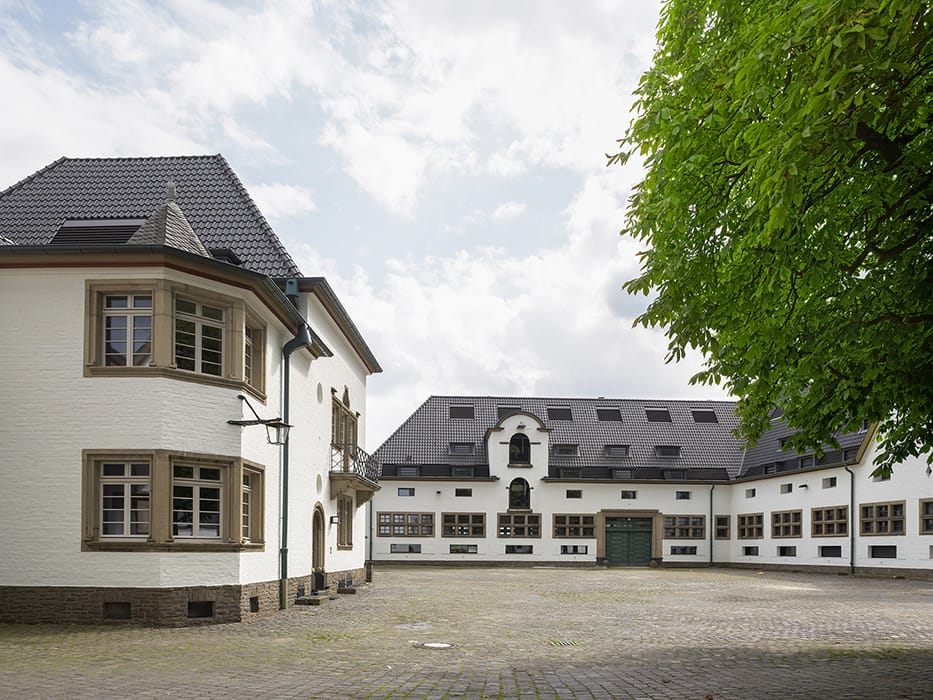
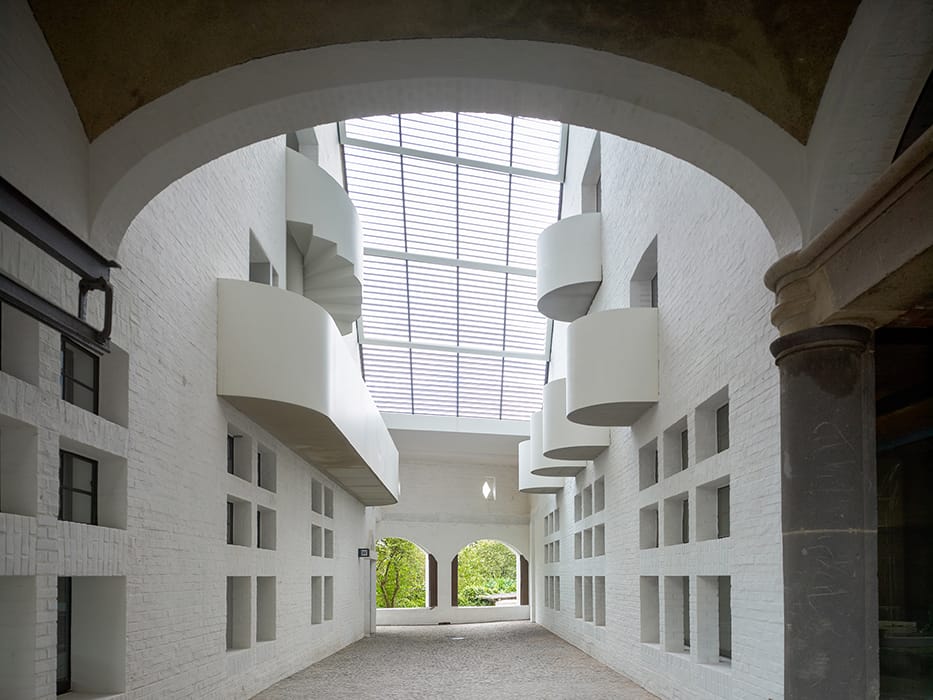
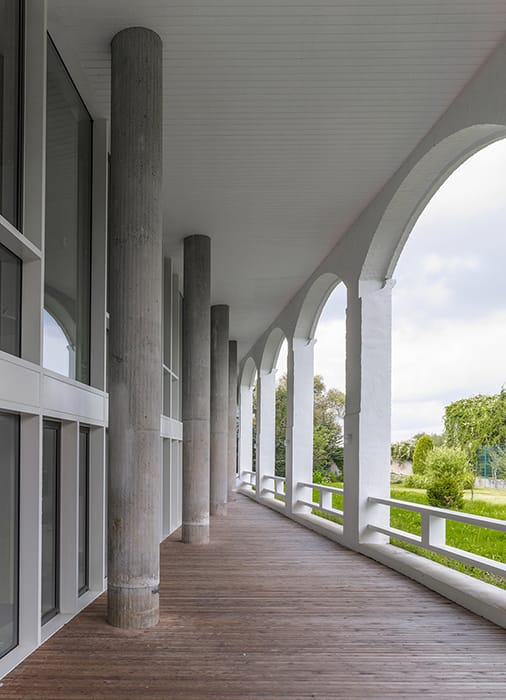
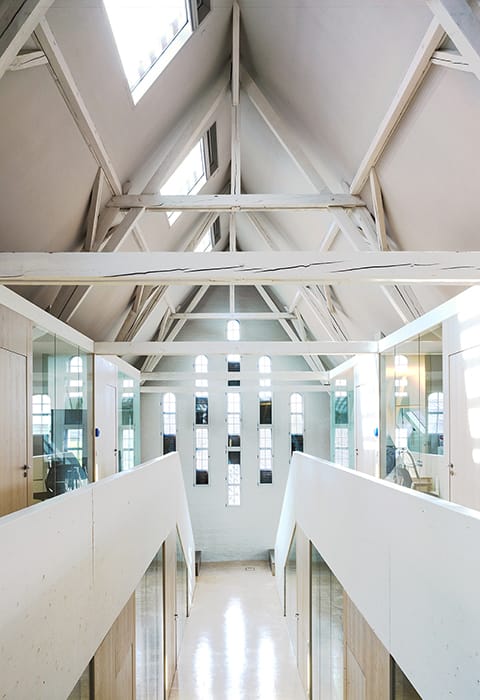
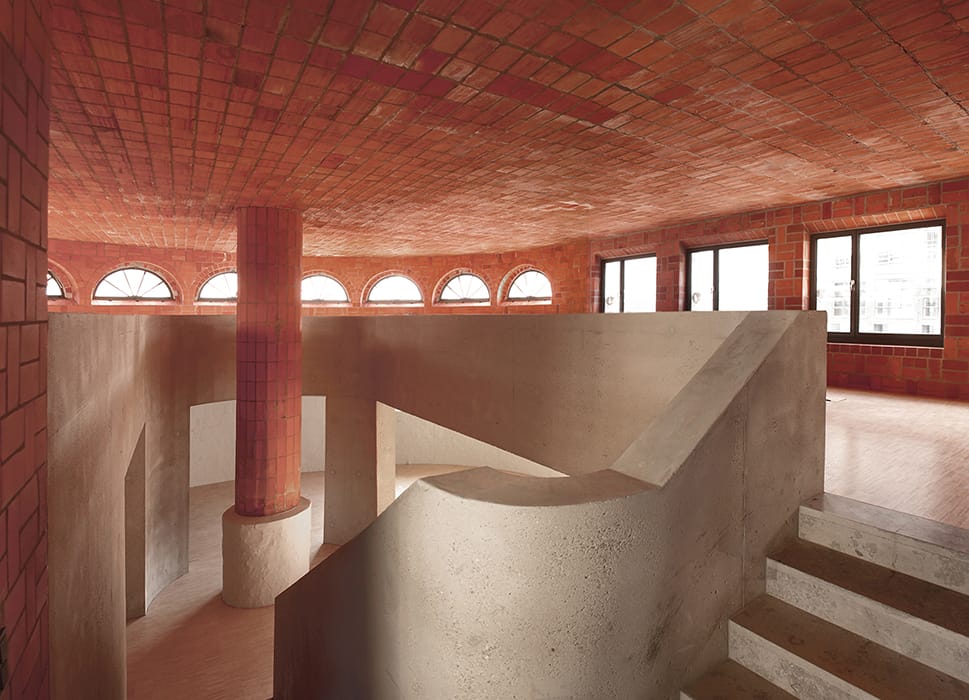
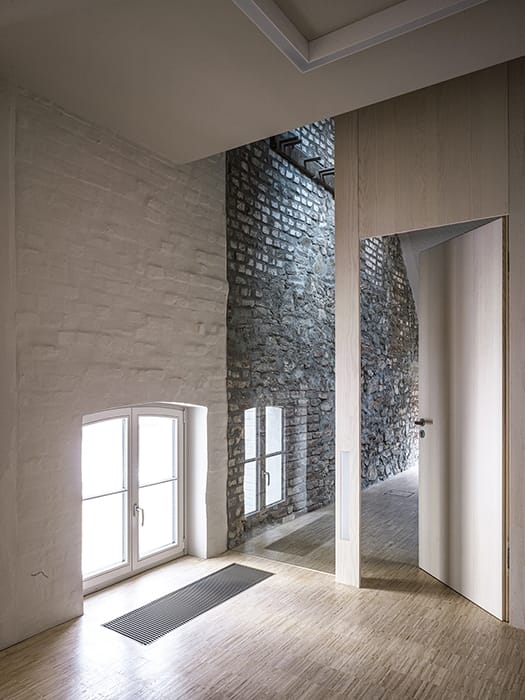
Industrial complexes aren't the only candidates for conversion into dynamic office and commercial spaces. Agricultural structures and land at the city's edge can equally inspire and energize modern enterprises. The Maarhausen estate, converted just years ago in southern Cologne near the Cologne-Heumar interchange, proves this eloquently. The Cologne-based architects trint + kreuder d.n.a. have breathed fresh life into this protected heritage ensemble through a refined, respectful transformation.
The stately Maarhausen estate commands attention along Eiler Straße, anchored by its imposing entrance portal. A cluster of principal and secondary structures radiates from the central courtyard. First documented around 1300, the complex's physical fabric largely stems from the 18th and 19th centuries, built upon foundations from the early modern era. In the 1920s, the Mühlens family—proprietors of the iconic "4711 Echt Kölnisch Wasser" brand—repurposed the estate as a farmyard for their prized horse breeding operation at the adjacent Röttgens stud. Architect Ludwig Pfaffendorf (1872-1949) designed new structures that replaced the western farm buildings, initially featuring wooden roof frames and rendered facades, later upgraded with steel trusses and brick cladding. Following years of vacancy, 2010 marked the beginning of a comprehensive revitalization: transforming the protected compound into a vibrant, cross-disciplinary workplace encompassing over 10,000 m² of studios, offices, and exhibition galleries. The existing building's remarkable typological and spatial character offered the ideal foundation for this vision. Yet meeting contemporary user needs required thoughtfully introducing new openings into the fabric. Working closely with heritage authorities, the team cut these apertures with precision—framing some with precast concrete elements, others integrated plainly into the brickwork itself. The roof design showcased particular ingenuity: rather than conventional skylights, the architects conceived light fields crowned with flush-mounted, horizontal slats of charcoal metal. From within, these deliver brilliant daylight and sky views; from without, the roofline remains visually intact. Original structural frames were preserved and celebrated, with new spaces inserted as distinct volumes. Wherever feasible, historic gates and portals were retained—repurposed as passages to new terraces or formal entrances. The result: the estate's compelling architectural character endures, now purposefully engaged with contemporary life.
Photography Credits:
Christian Richters
(Featured in CUBE Cologne Bonn 04|22)


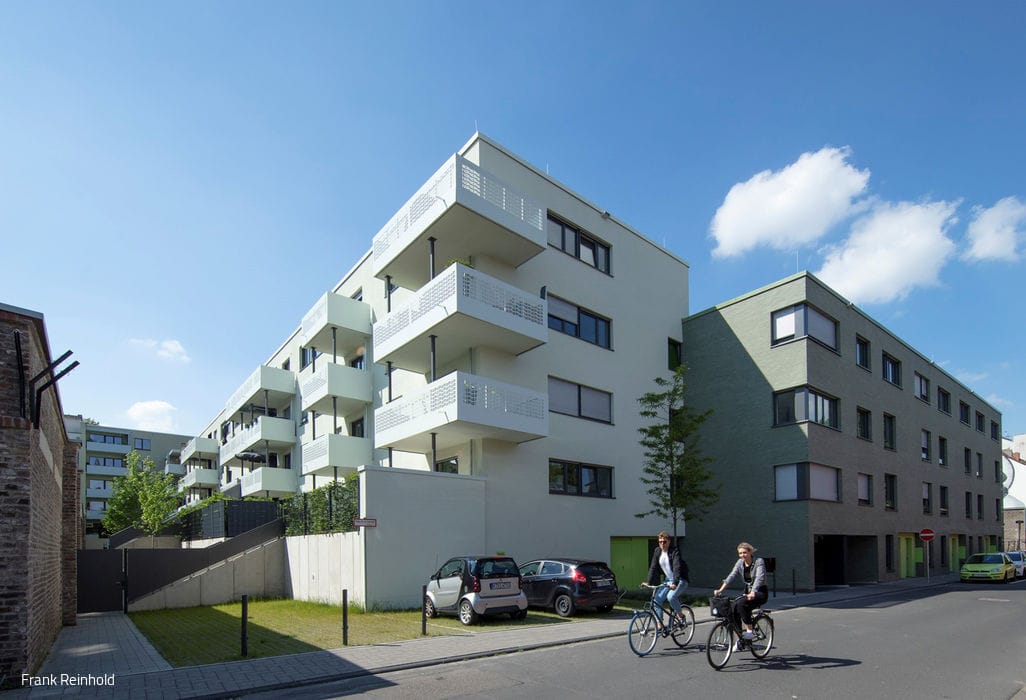
At the Heart of Ehrenfeld
A former industrial site transforms into an open, verdant residential neighbourhood.
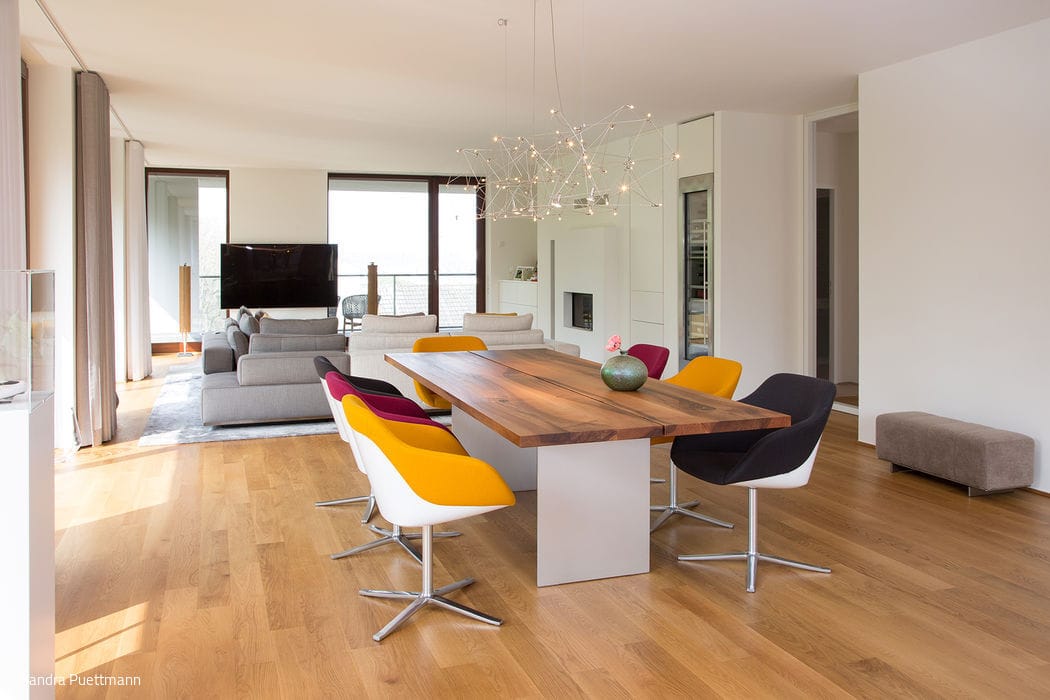
Room for Your Own Style
Thoughtfully Refreshed with Custom Built-Ins, Strategic Lighting, and Meticulous Attention to Detail
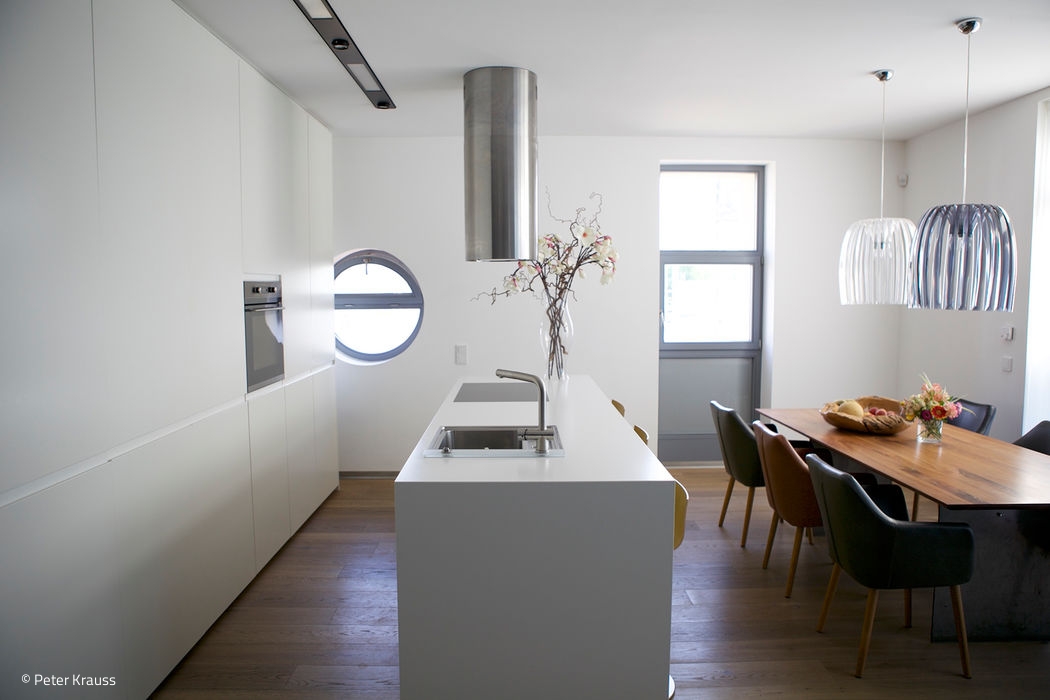
Restrained and Vibrant
A Loft with Shed Roof—Living, Working, and Unwinding Under One Roof
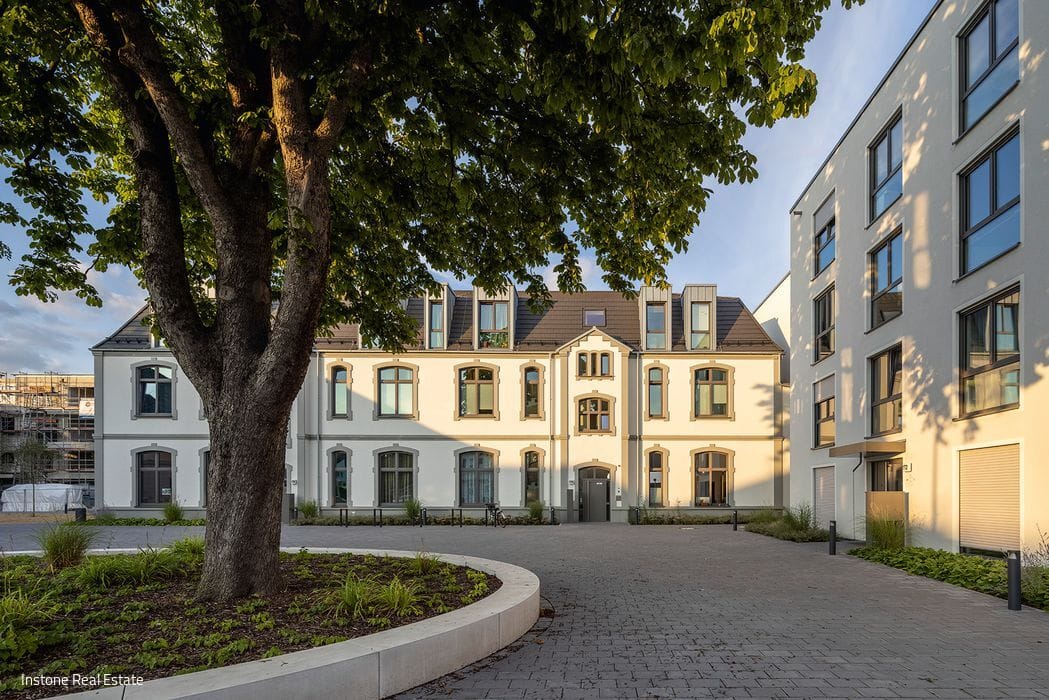
Living with Room to Breathe
Schumanns Höhe in Bonn-Endenich: Where residential diversity meets historical significance.