


Building with Purpose and Permanence
Renovation breathes new life into existing structures while creating flexible living spaces


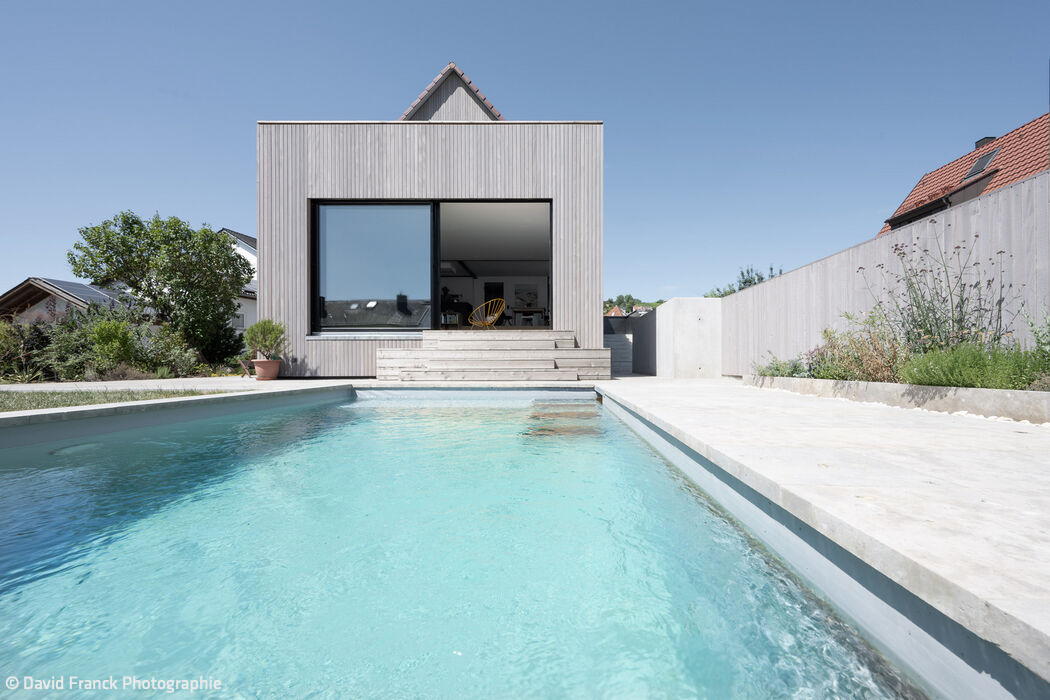




Renovation is fundamentally about rethinking. Unlocking the potential of a historic building and breathing contemporary life into it demands openness to change, responsible stewardship, and space for creative innovation. The goal: transforming existing structures into buildings ready for the future while preserving valuable resources.
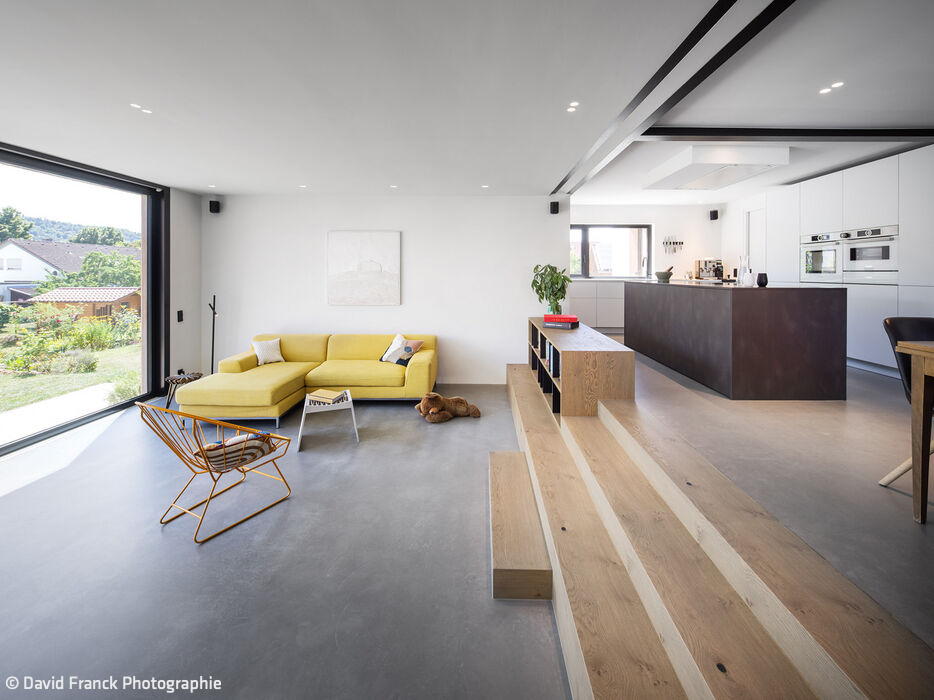
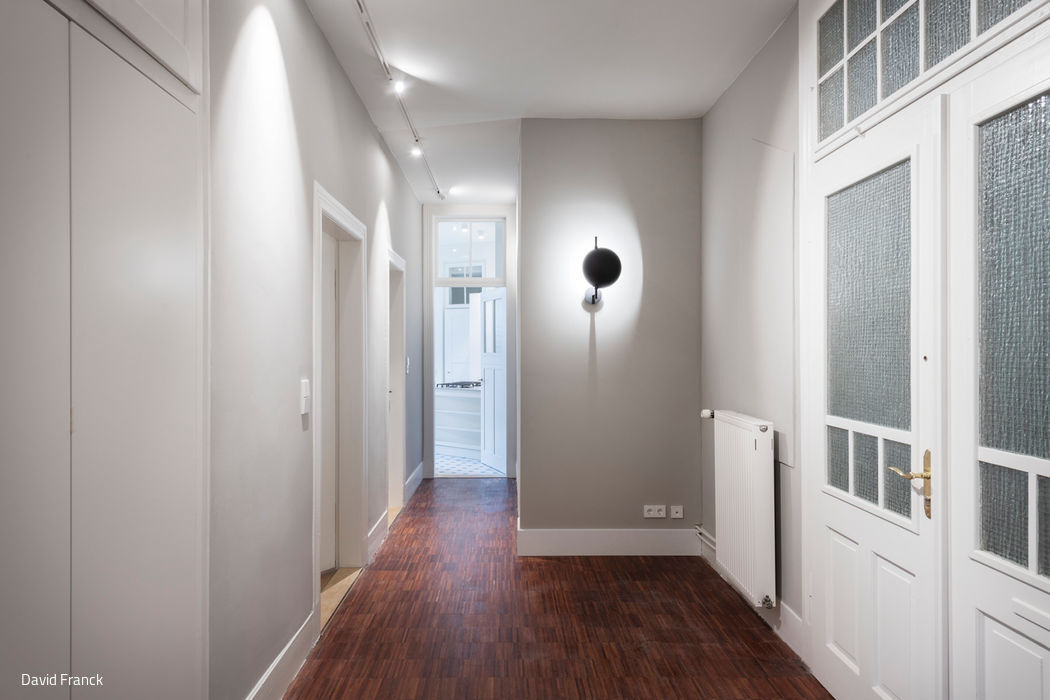
This 3.5-story building has undergone considerable changes over the past century: a threshing barn was added in 1936, the roof was expanded in 1960, followed by periodic modifications and now another substantial renovation. The Stuttgart-based design and architecture studio Seebald. unified the disparate construction phases through a cohesive new facade design and dramatically reinterpreted the building's interior. During the renovation, the structure was gutted down to its vaulted cellar, revealing the existing timber framing. To improve spatial flow, the existing staircase was rotated 180 degrees. To enable seamless passage from the residential section into the barn and accommodate a gallery level, the floor was lowered by 1.20 meters and now functions as a separately accessible tasting room for the winery. The architects made a deliberate choice to reflect the identity of the young family, who have built a reputation in nature-oriented winemaking over the past six years, through their material selections. Natural materials define the spaces throughout: a pre-weathered solid whitewood facade of spruce wraps around the exterior, while the interior similarly celebrates wood in built-in furnishings, staircases, windows, and the room-defining timber frame. The new residential wing addition is also executed as a timber construction.
Contrasting with these natural materials are structural elements crafted from untreated blacksteel: sculptural helical staircases that spiral downward like corkscrews, and a steel stele bearing the laser-etched winery logo. Despite its age, the building has been upgraded into a sustainable smart home through innovative technology and energy systems: a fuel cell heating system generates both warmth and electricity. A cistern captures rainwater while protecting groundwater reserves, and the natural pool in the garden is filtered through a biofilter system. Not all interior spaces are fully finished, allowing for flexible future adaptation. Additional bedrooms can be developed in the upper floor, or the barn could be converted into a studio or guest apartment. With minimal architectural intervention, the roughly 300 m² structure maintains the "multifunctional" character it has embodied throughout the past century.
Photography:
David Franck Photographie
www.davidfranck.de
(Published in CUBE Stuttgart 02|24)
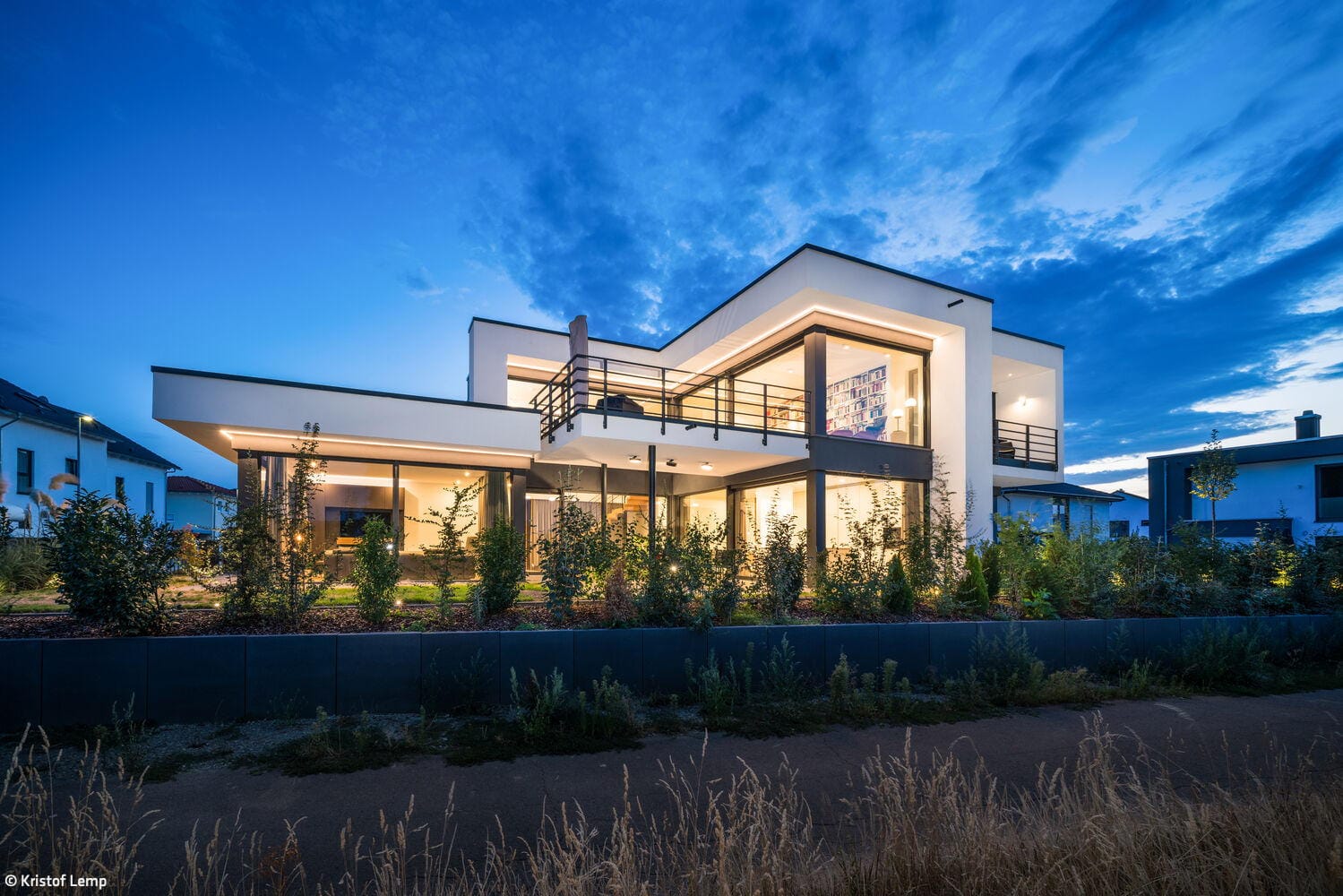

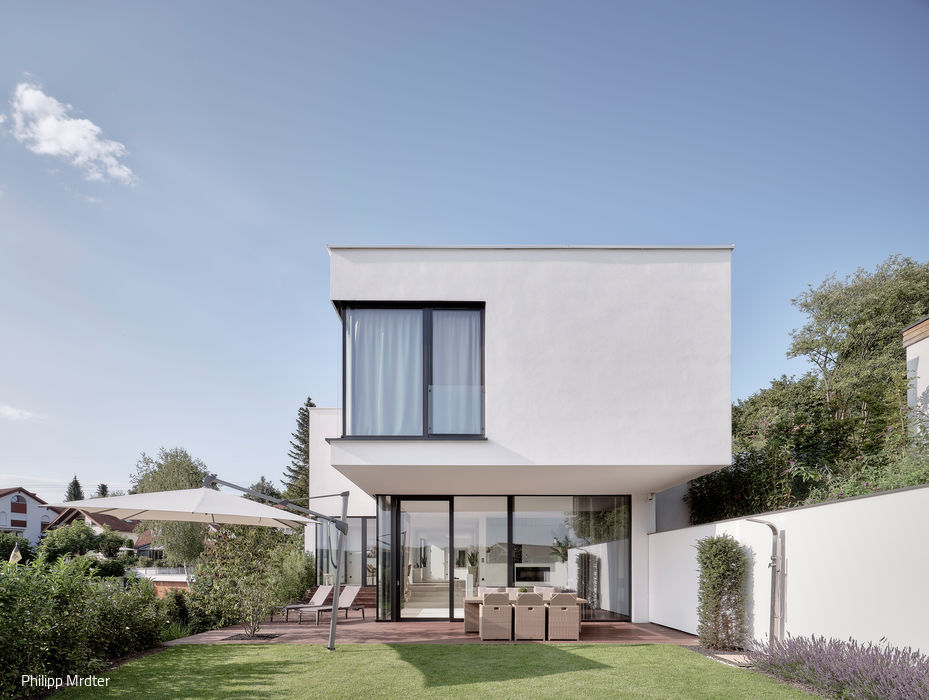
Striking White
A narrow residential block settles into a steep slope, anchored by a natural plateau.
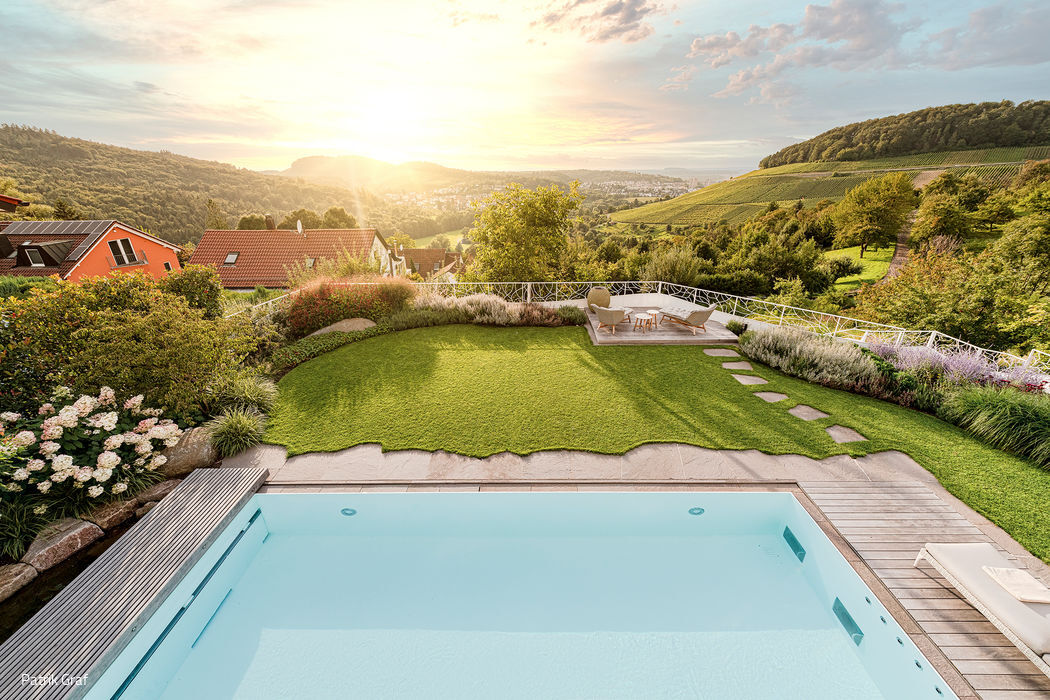
Powerful, Invigorating, Individual
From Overlooked to Irresistible: How a Neglected Garden Became a Stunning Retreat with Pool and Panoramic Views
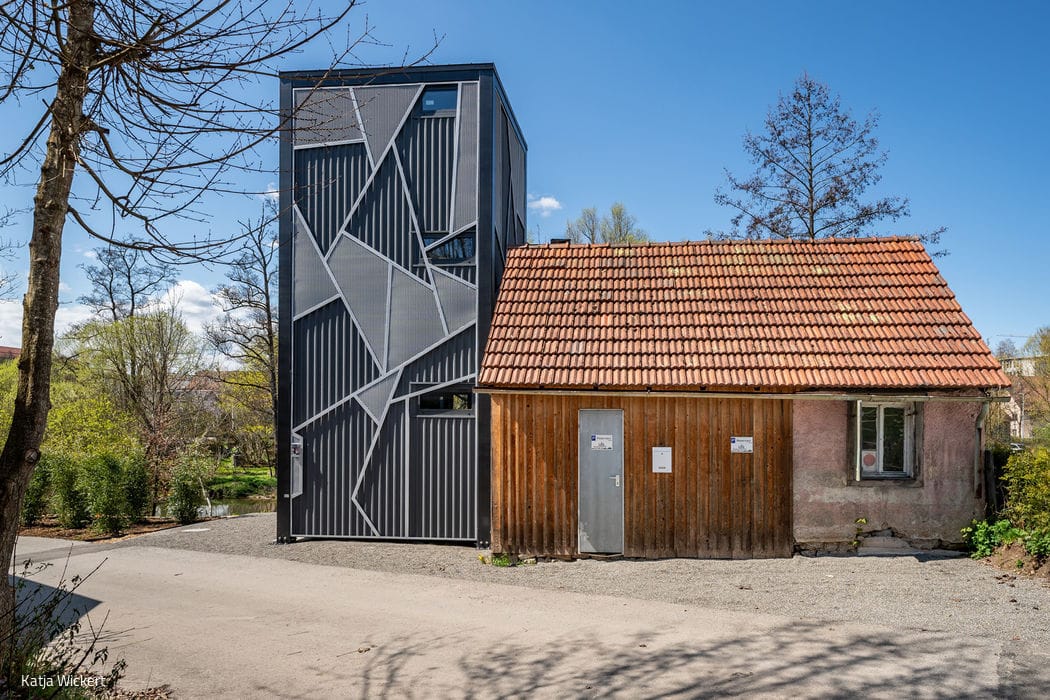
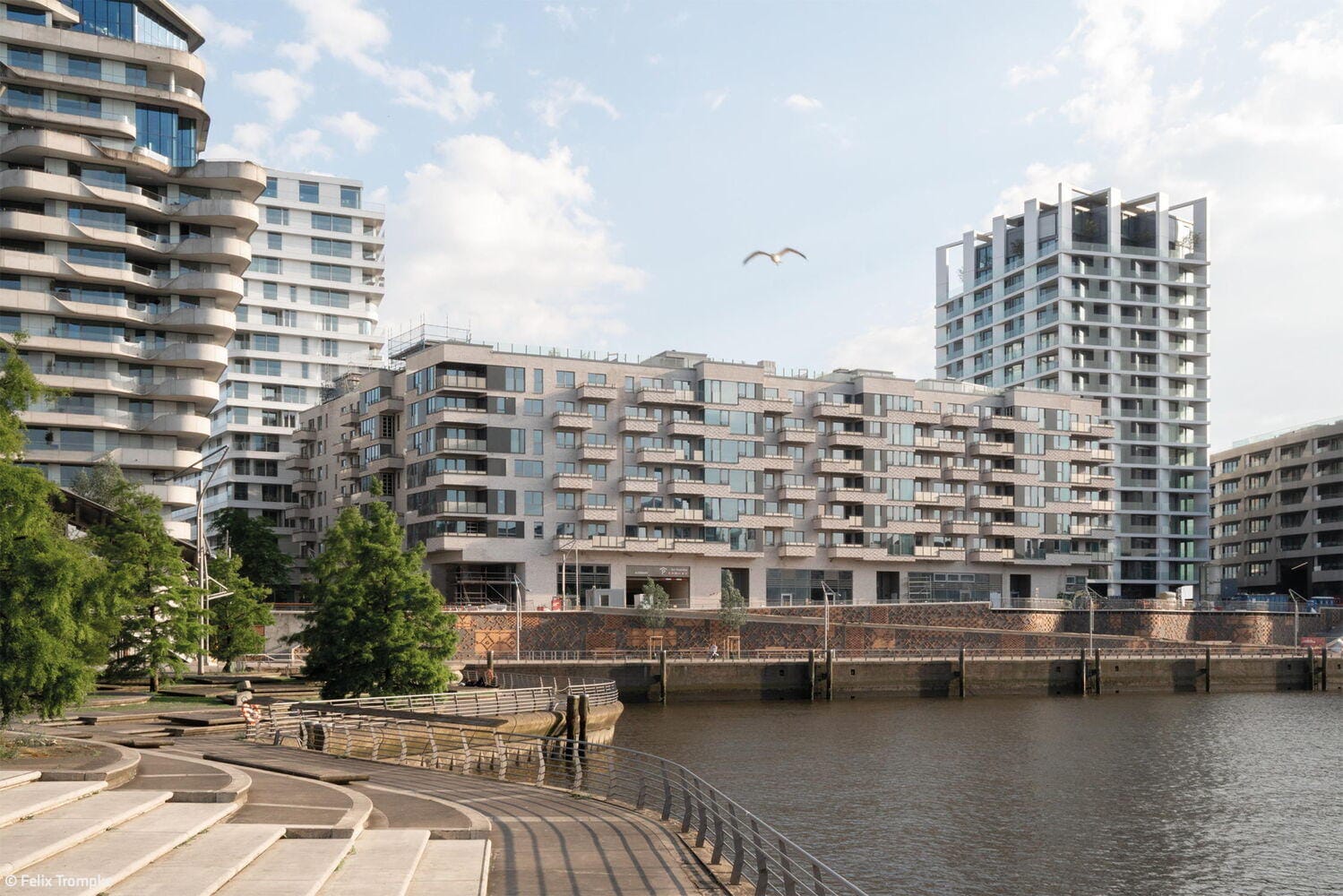
Reaching New Heights
A Modern Tower Meets Historic Mill Architecture on the Neckar
New addition to the ensemble
Office, Meeting Spaces, and Laboratory—in Historical Dialogue