


Anything but ordinary
A distinctive 1960s home modernized with surgical precision
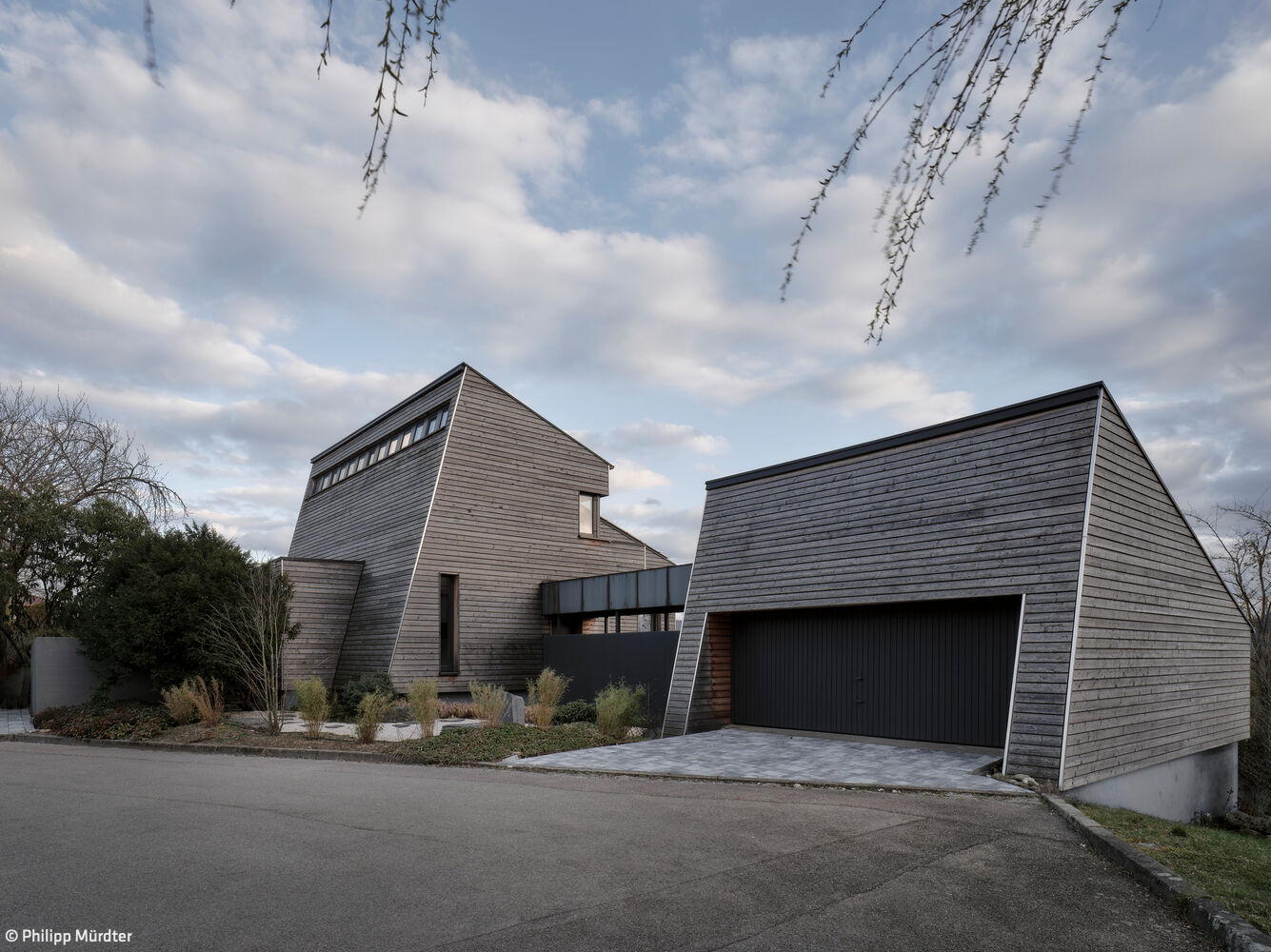
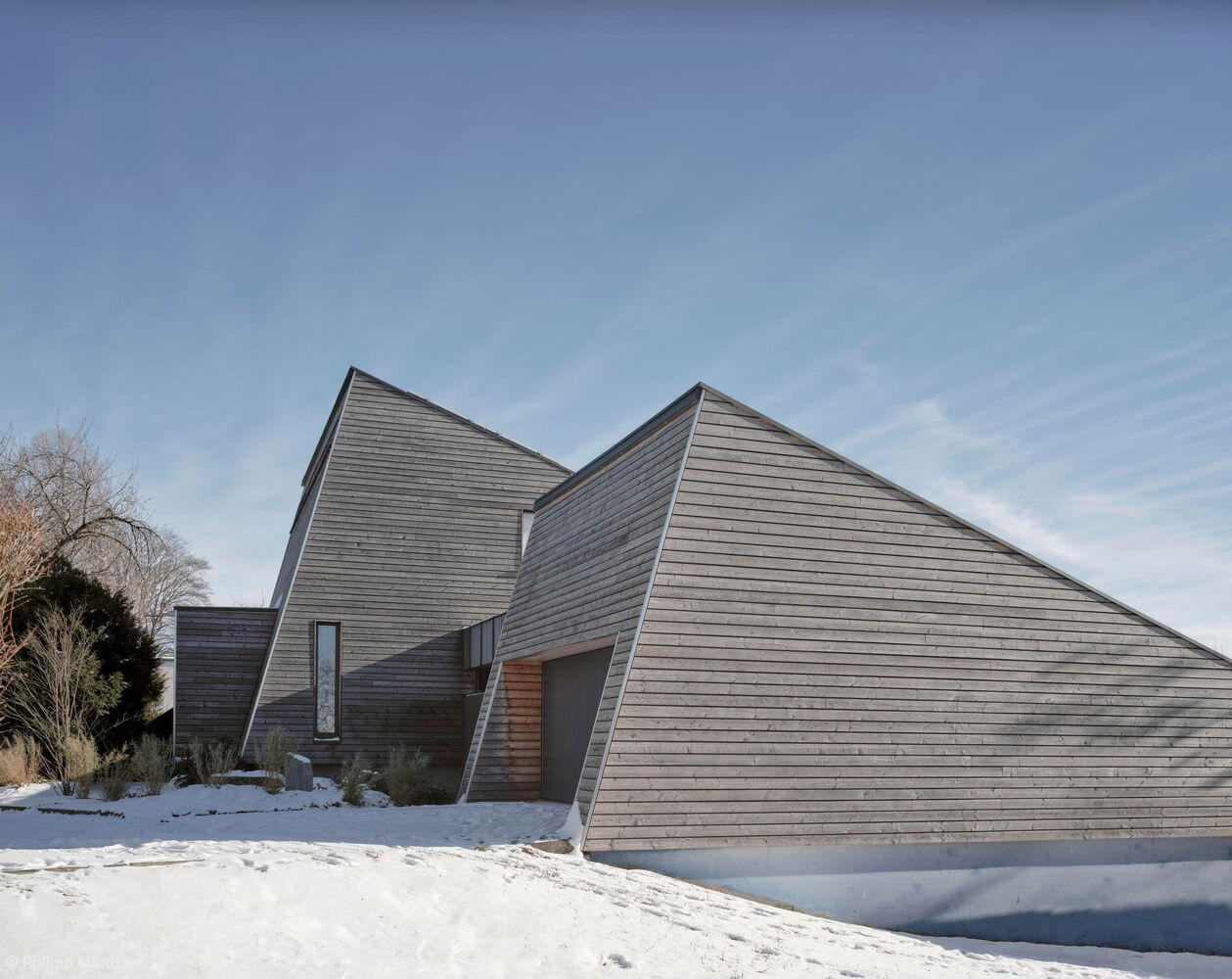
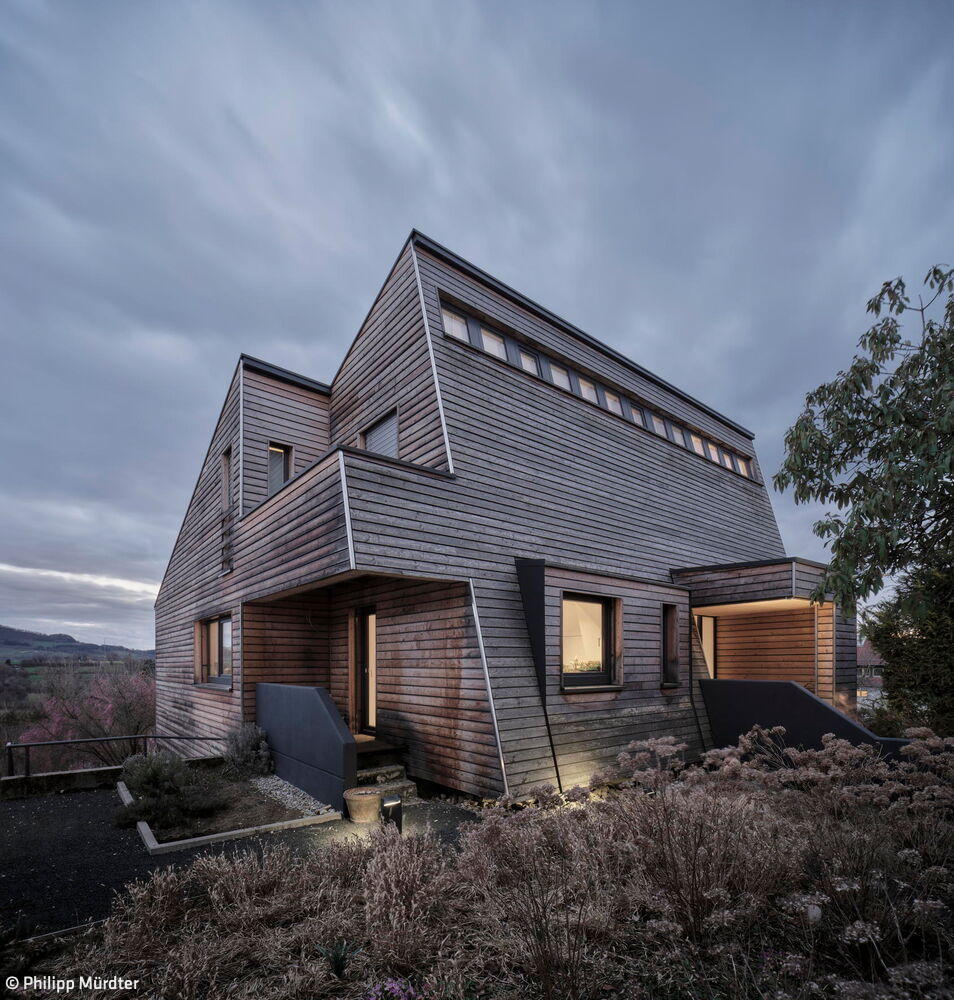
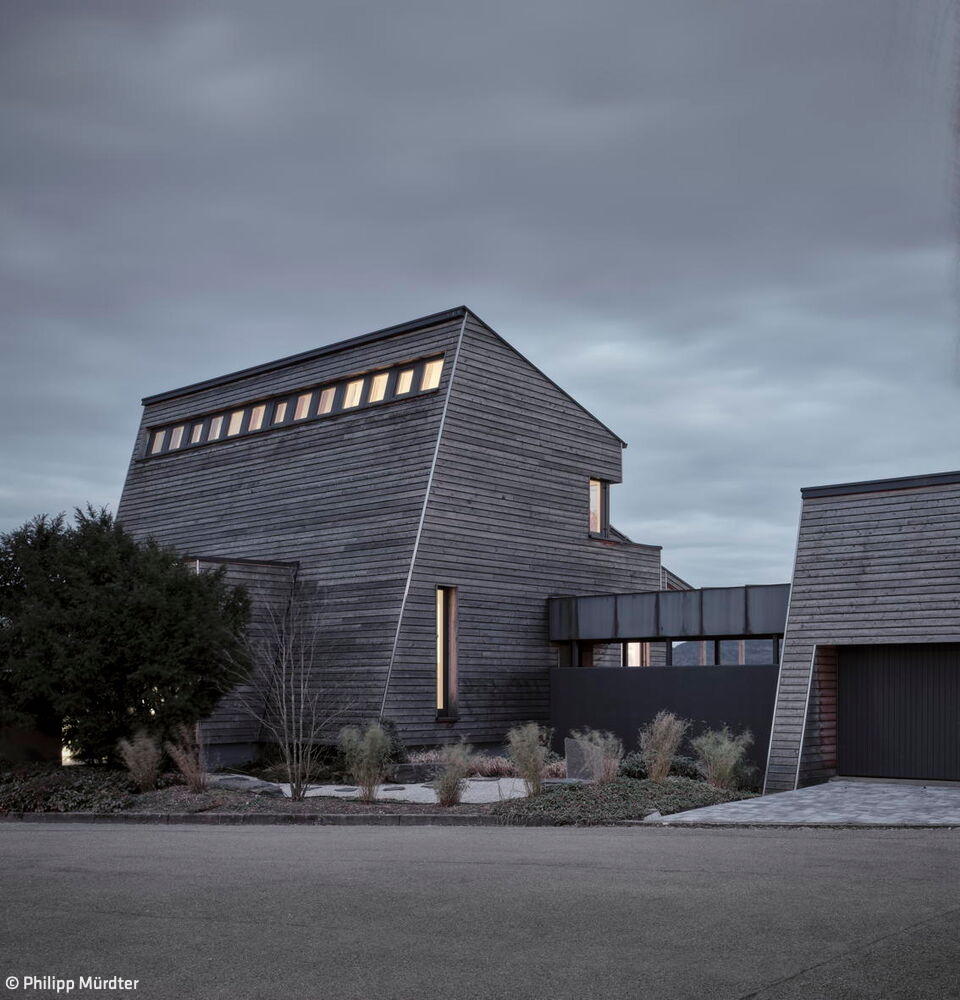
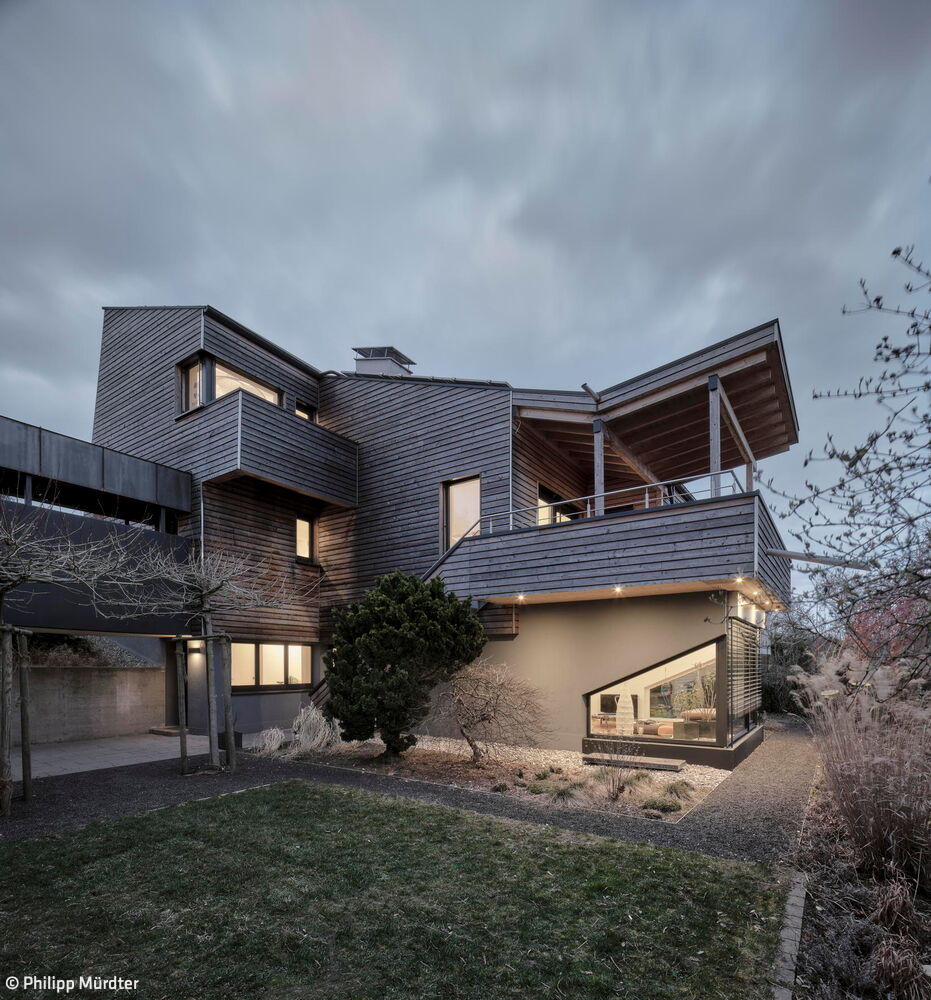

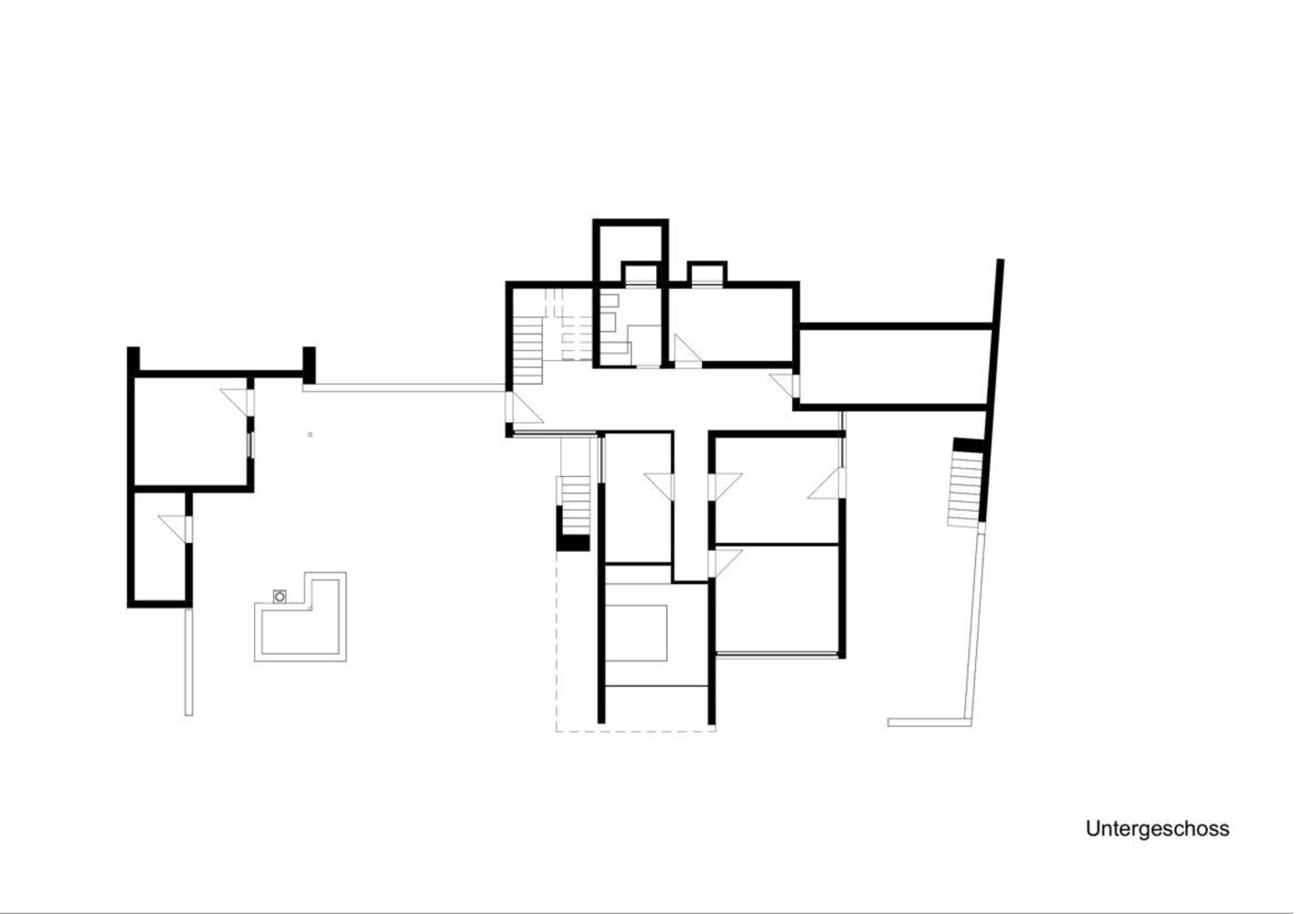
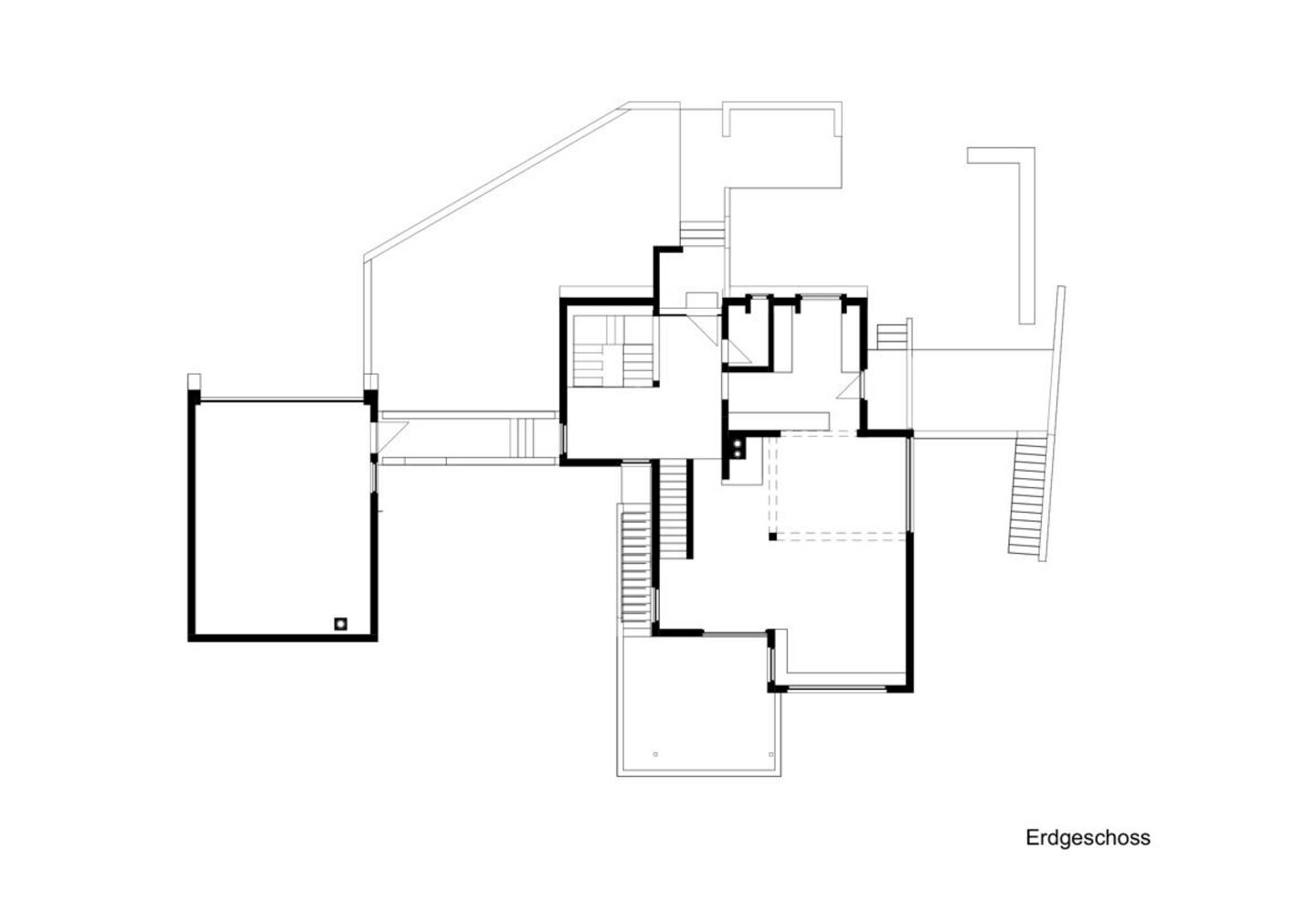
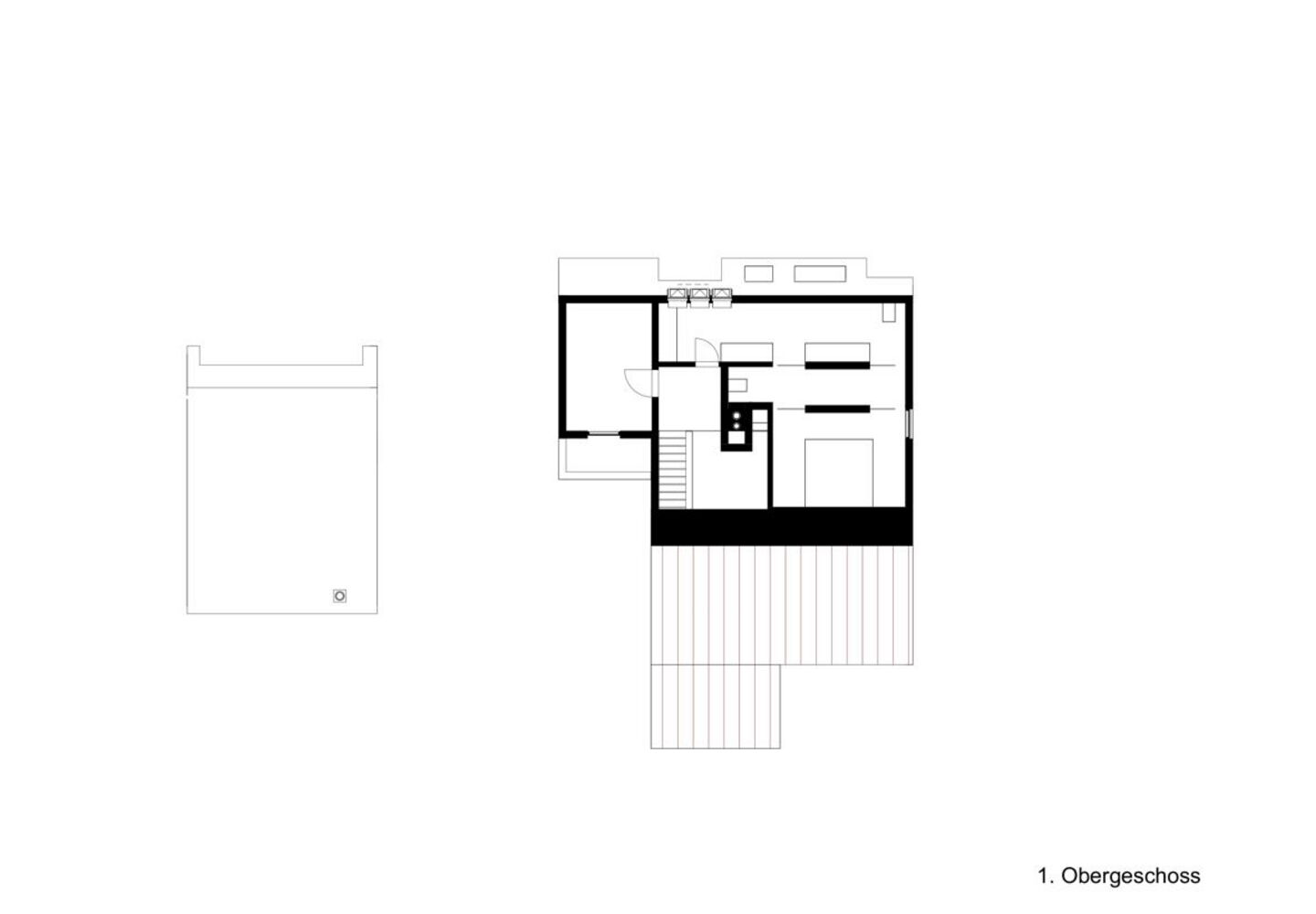
The family originally planned to demolish the existing structure and rebuild on their attractive hillside plot, which commands impressive views of the three Kaiserberge mountains. Renovation seemed costly and constraining—the house appeared incompatible with contemporary living standards. Enter architect Patrick Schiller, whose keen eye recognized what others missed: the potential of this unusual 1960s residence designed by Hans Weik. Rather than demolish, Schiller respected the original architect's vision while making strategic, carefully considered interventions to transform the house into a contemporary home perfectly suited to the family's needs.
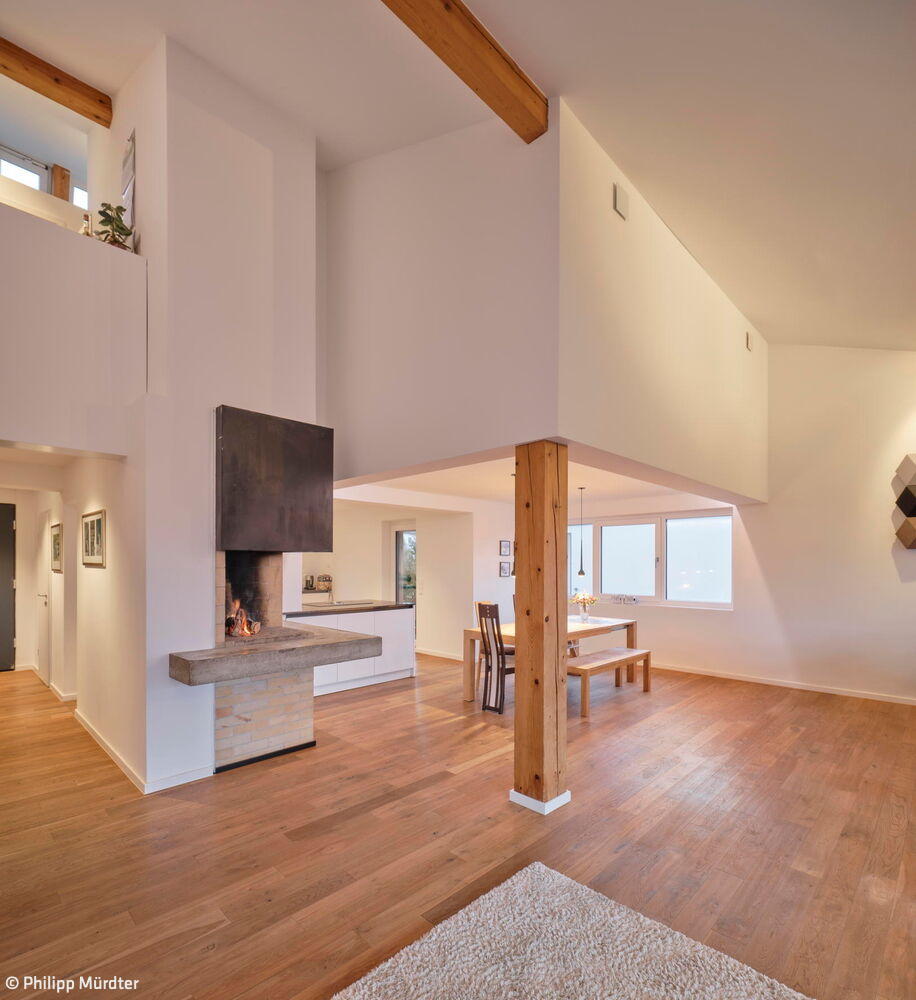
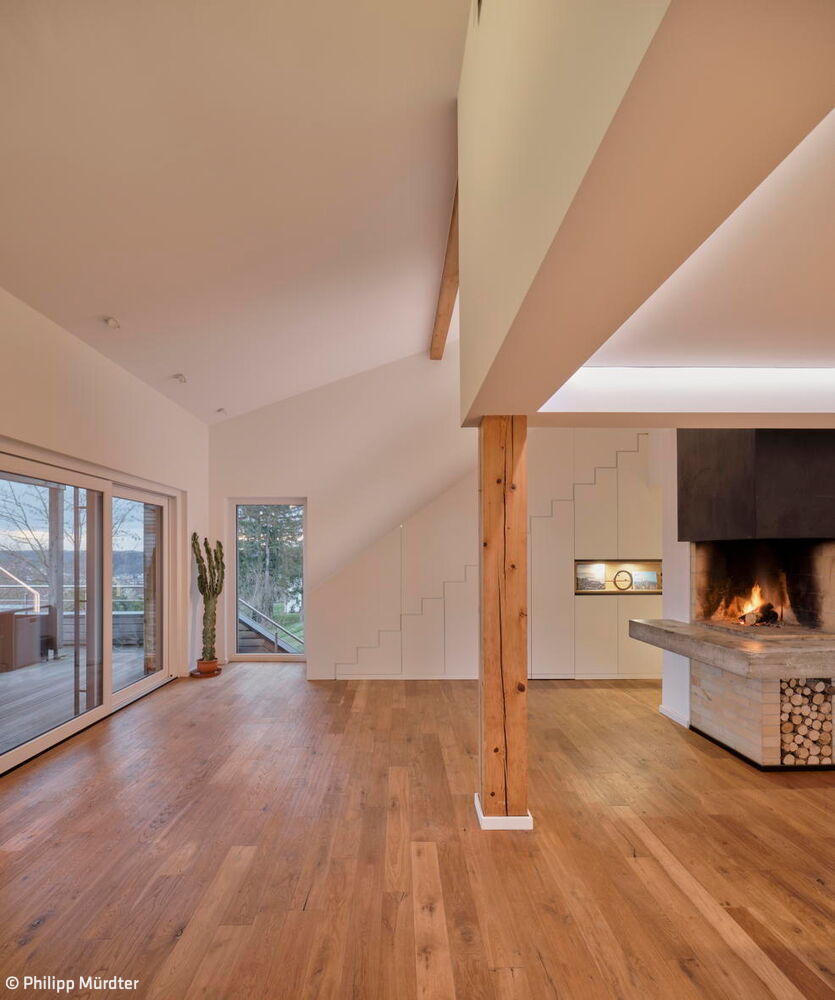
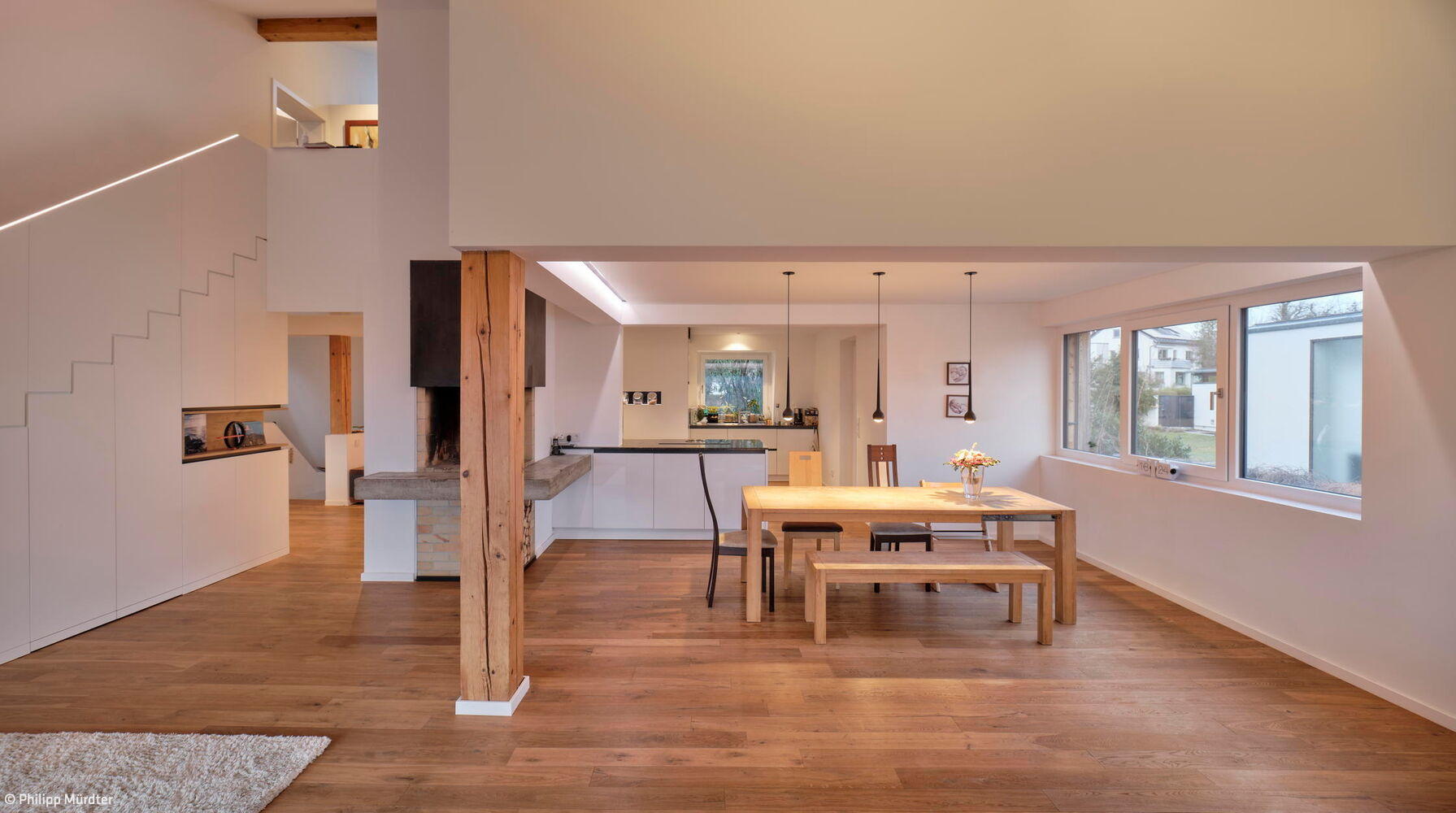
The angled façades were originally clad in asbestos panels—now professionally removed and replaced with warm wooden cladding. The natural material and its horizontal lines emphasize the home's distinctive character. Former colored elements, including metal railings, were softened to complement the wood's muted tones. Colored window frames gave way to understated plastic windows that disappear into the wooden envelope. Beneath the house sits a two-meter-high concrete beam framework that anchors the structure to the slope, accessible via a hatch. Above it, a concrete basement; timber construction with masonry infill defines the ground and upper floors. The original load-bearing structure was preserved—a stroke of fortune. The basement now contains a generous living area alongside smaller rooms and hallway, currently used by the children but adaptable as a rental unit. Ground-floor rooms retained their essential character; only the kitchen opened toward the living and dining spaces. Where dark wooden ceilings once compressed the sense of space, bright surfaces now radiate calm and clarity. Layered with exposed wooden beams—their dark finish removed—and the existing fireplace, the result feels genuinely welcoming. The transformation's masterstroke: previously, the living room faced a sloping roof above the balcony. Schiller curved the roofline upward, revealing the stunning view of Hohenstaufen, Rechberg, and Stuifen. A cozy window seat—the family's specific request—became reality. Three cramped upper-floor rooms now flow seamlessly into a bedroom, bathroom, and dressing area.
Through restrained, thoughtful intervention, Schiller created a thoroughly modern home—complete with mechanical ventilation, photovoltaics, and a heat pump—proving that respect for the past and contemporary performance need not be at odds.
Living space: approx. 220 m²
Construction time: approx. 1 year
Construction method: Solid basement; ground and upper floors in timber frame construction with masonry infill
Energy concept: Photovoltaic system, heat pump, mechanical ventilation
Photography:
Philipp Mürdter
www.philippmuerdter.de
(Published in CUBE Stuttgart 04|24)



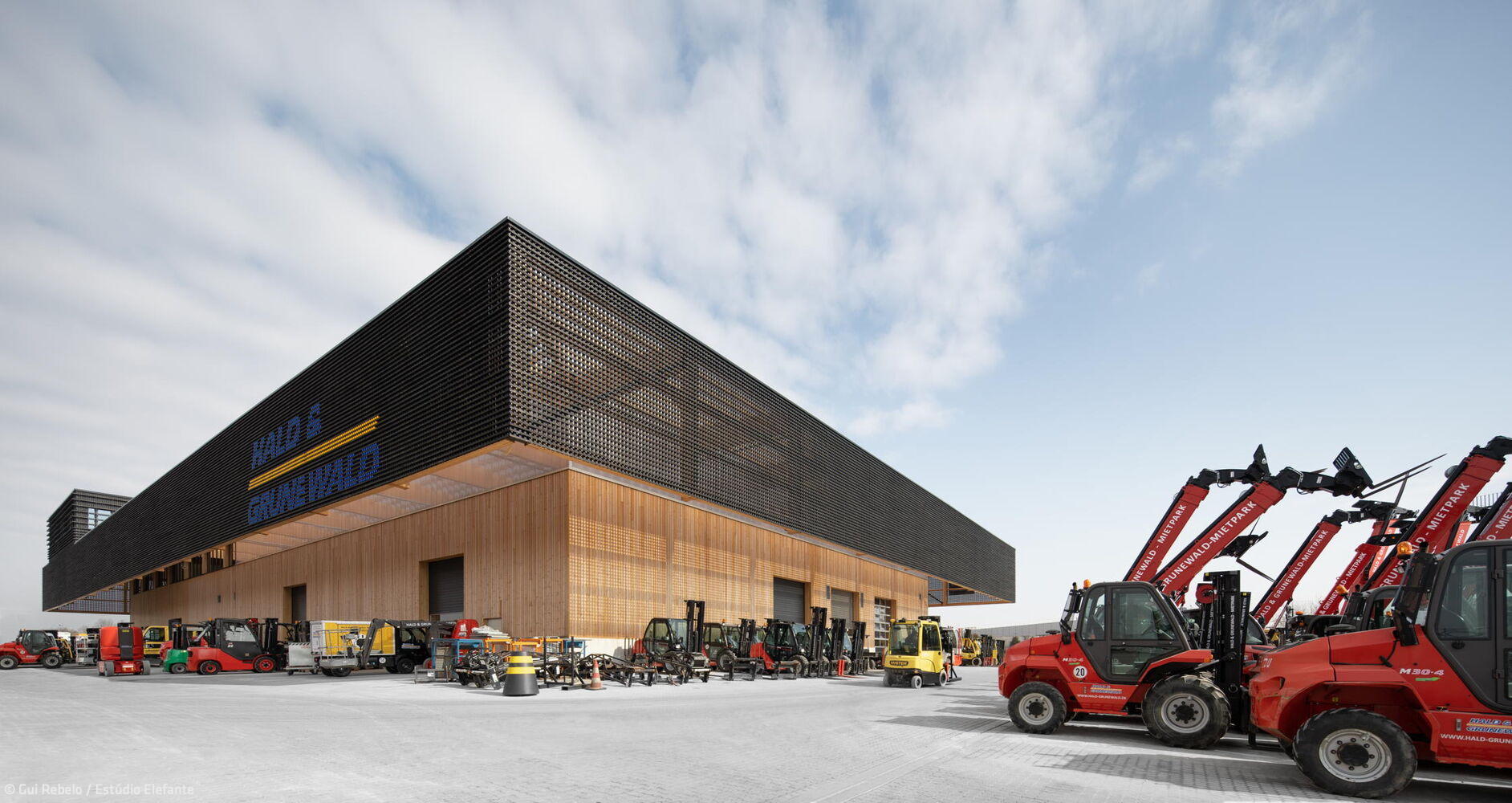
Maximizing Timber
A Sustainable, Long-Lasting Commercial Building That Unites All Operations
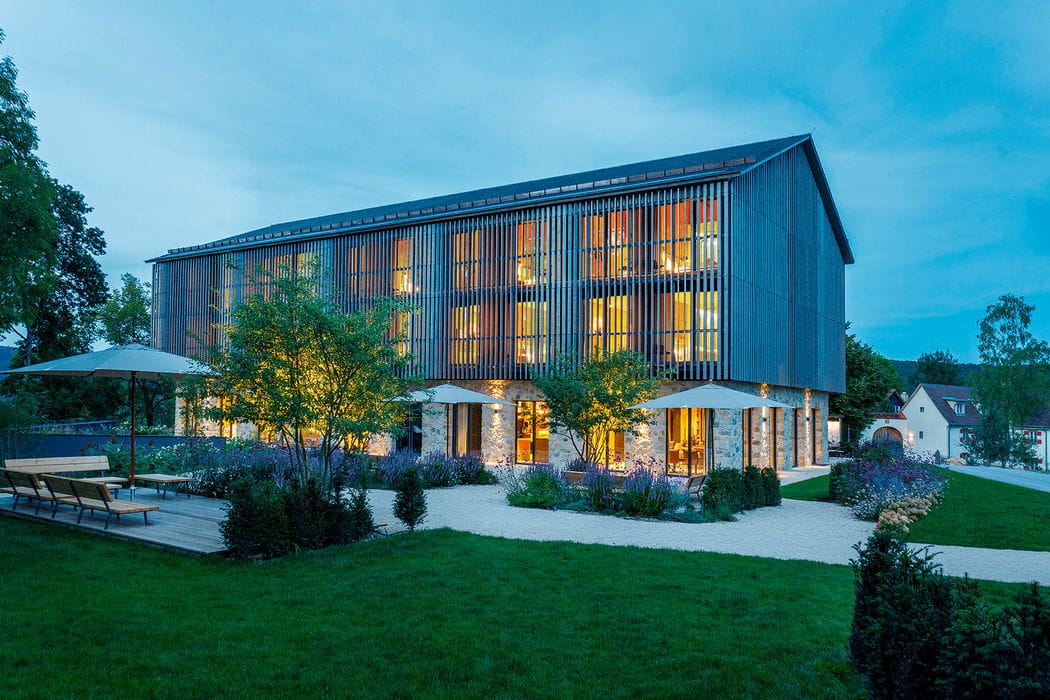
Idyll in the Alb
A new nature hotel for group events on a farmstead demonstrates sustainable design principles in practice
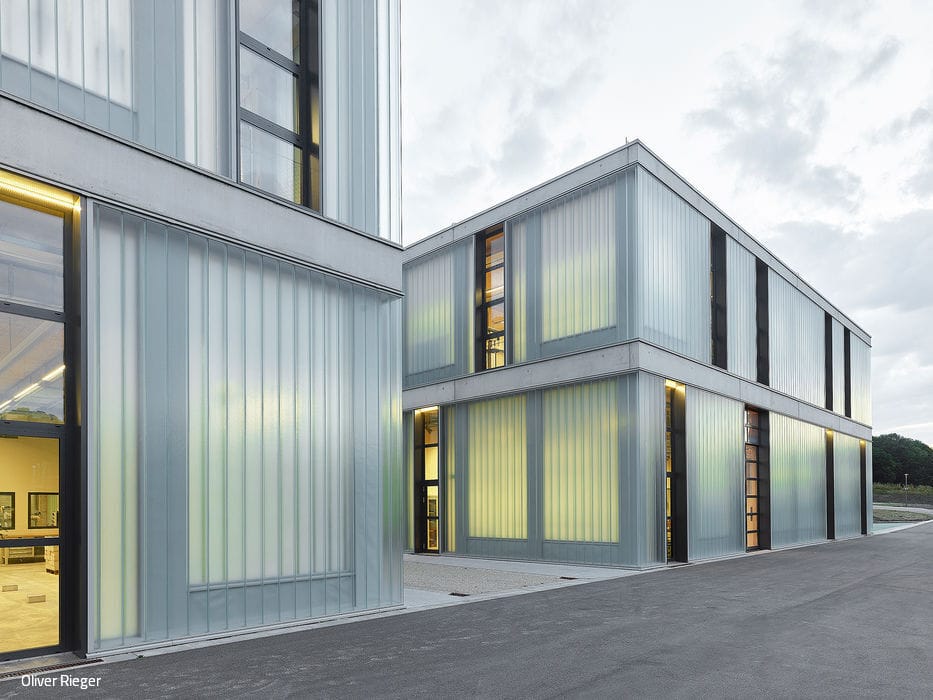
Elegant Simplicity
Expansion buildings with recyclable profiled glass facades elevate school campus design
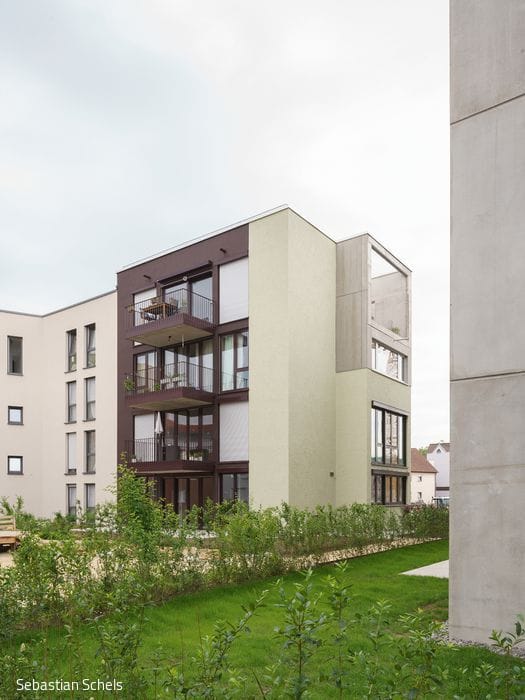
Chameleon
Residential building for a building group with floor plans for open-plan living and a kitchen garden on the roof