


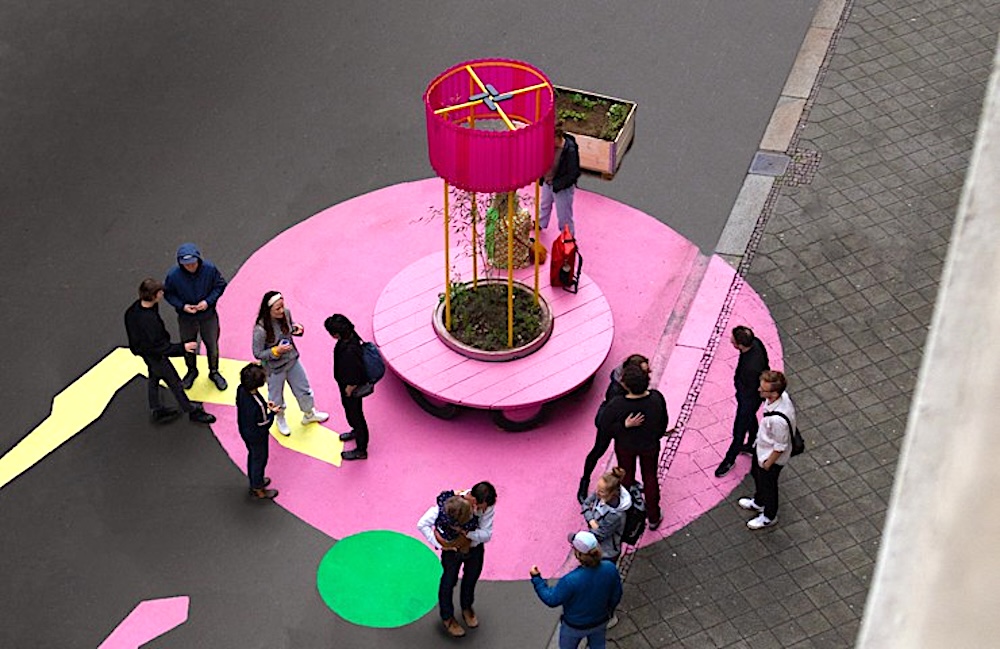
Superblocks – Traffic Calming in East Leipzig. Photo: Superblocks e.V.
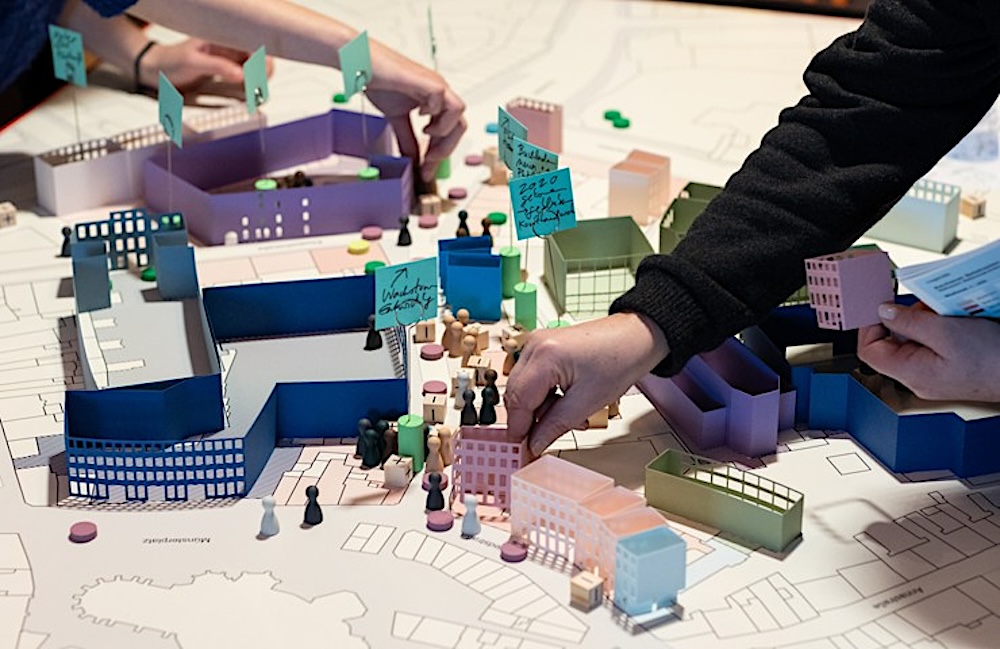
Academy for Collaborative Urban Development (2021)
Urban Resilience in Practice
Exhibition at the German Architecture Museum
By treating crisis as an opportunity for urban transformation, cities can proactively plan for change while enhancing quality of life. Flexibility, adaptability, mixed-use development, and collaboration have become essential to navigating disruption – the hallmarks of urban resilience. To advance this vision, the Federal Ministry of Housing, Urban Development and Construction (BMWSB) launched the "Post-Corona City" initiative, supporting 17 pilot projects that test innovative, replicable approaches to building resilient urban and neighbourhood structures. The projects tackle a range of challenges: revitalizing vacant properties, enhancing public spaces, rethinking mobility, and reimagining land use in city centres. Public spaces received particular attention, with emphasis on activating and programming open areas. Equally important were collaborative planning processes that brought together government officials, civil society organizations, and community groups as equal partners.
The exhibition "Urban Resilience in Practice – Impulses for Cities in Transition" showcases 13 of the 17 funded projects. At the opening on April 27, nine of these initiatives will present their work during a Pecha Kucha-style lecture series running from 3 to 6 p.m. The project is funded by the Federal Ministry of Housing, Urban Development and Construction through the National Urban Development Policy program.
More News
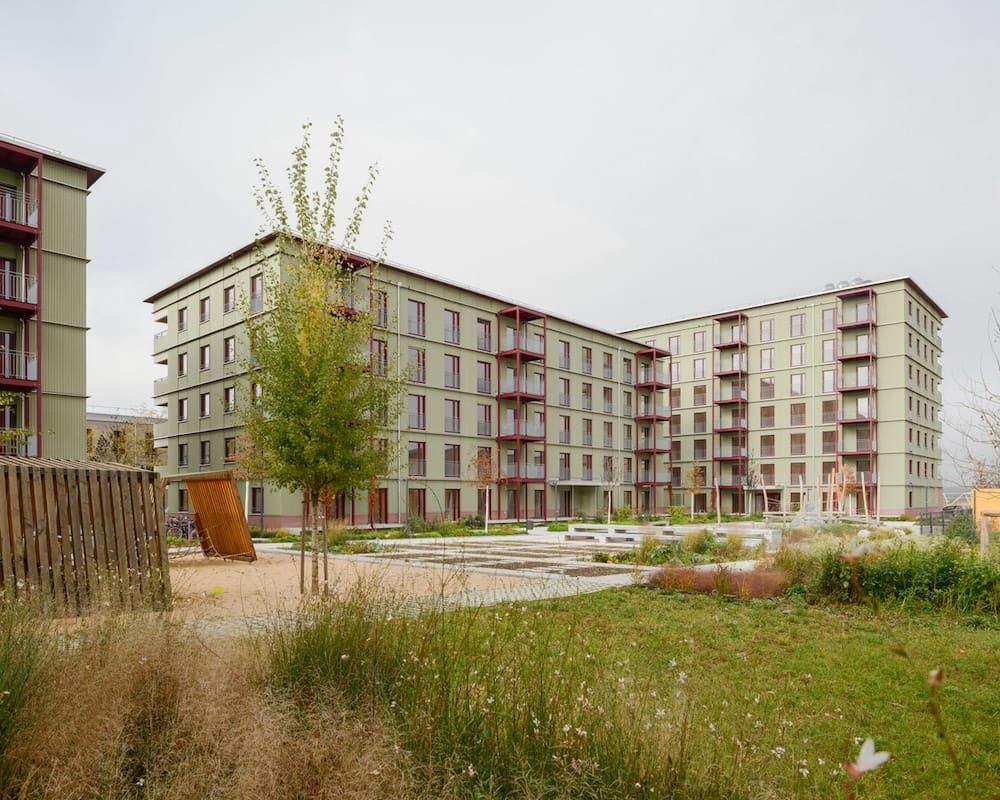
Interplay – Planning and Building in Transition
Exhibition at Architekturgalerie München
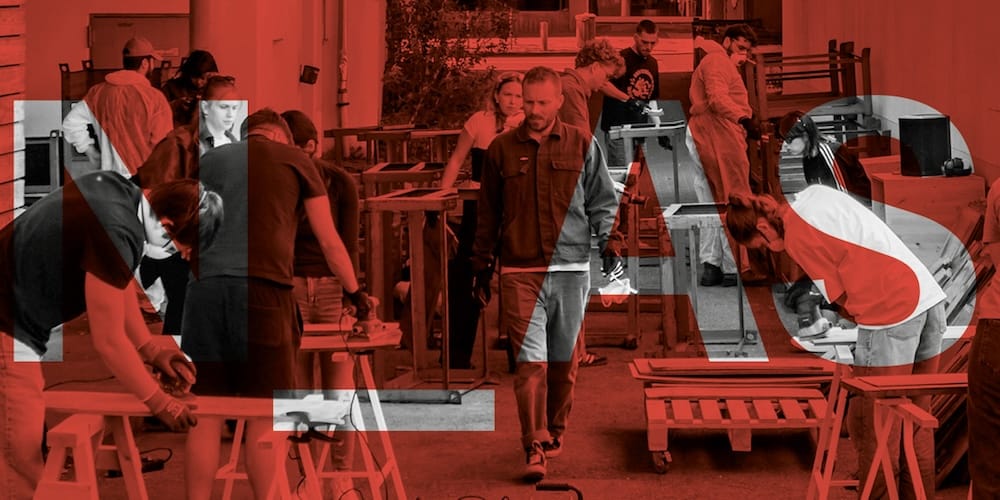
N_AS / New Architecture School Siegen
Exhibition at the Architekturgalerie am Weißenhof
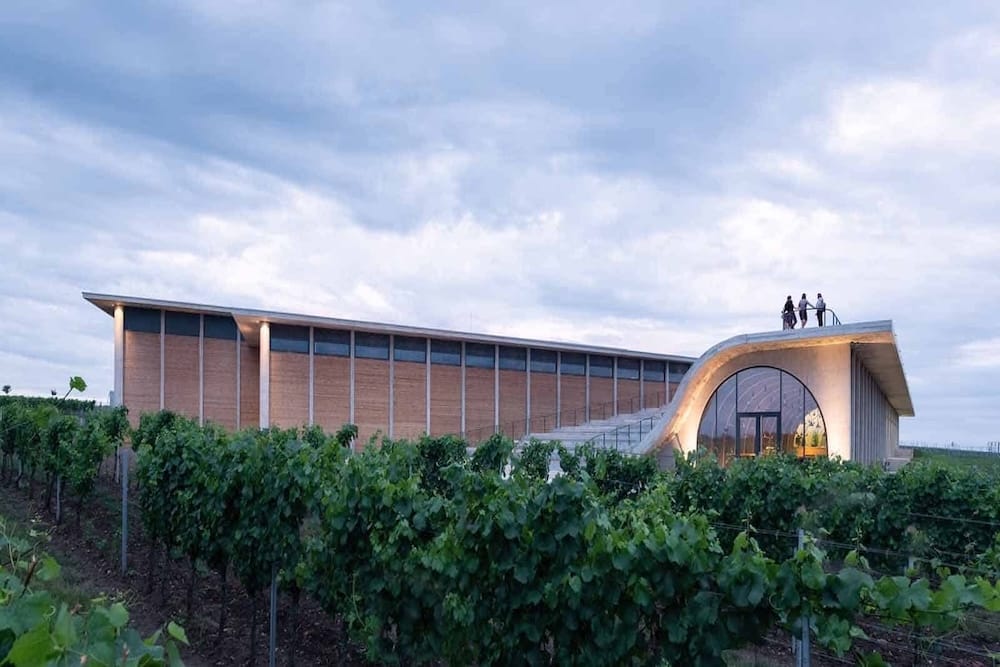
More is Now! Contemporary Czech Architecture
Exhibition at the German Architecture Museum
Regional BDA Architecture Awards 2026 in North Rhine-Westphalia
Additional Competitions Announced