



Photo: Pixabay
TU Berlin Seeks Floor Plans
A Call for Research Support
TU Berlin urgently needs floor plans of single-family homes, multi-family residential buildings, and non-residential structures—including medical practices, office buildings, and public facilities. The goal: developing a predictive model for future insulation waste volumes. Data collection presents a significant challenge because only the legitimate owners of architectural drawings—building proprietors themselves—are legally permitted to share them with us. Every contribution counts! Why this matters: According to Germany's Federal Statistical Office, construction and demolition waste accounts for over 50 percent of the nation's total waste. In the coming years, the volume of insulation waste from deconstructed buildings is expected to surge dramatically. Currently, most insulation materials aren't recycled—they're incinerated or sent to landfills.
Two completed research initiatives—LifeCycleKMF and RemeltingMiwo—examined mineral wool insulation recycling and revealed a critical insight: transportation costs represent a major barrier to scaling recycling strategies, both environmentally and economically. This underscores why a reliable predictive model for future insulation waste is essential for responsible material stewardship. Yet today, no robust methodology exists to forecast when and how much insulation waste will enter the market. At the Department of Building Physics, we're developing a scientifically rigorous, georeferenced approach using bottom-up and top-down analysis to map future insulation material flows. Architects with floor plans and building sections are invited to contribute them for this research initiative.
Plans or other documents
- can be copies or photographs of historical plans, or digital files.
- should ideally include dimensions and details about the insulation materials installed.
- should document the building's location, approximate construction date, and any major renovations involving insulation work.
- can be supplemented with additional information you provide.
- should date from between 2015 and 2025.
Plans will be stored on TU Berlin servers in Germany throughout the research period and then securely deleted. They won't be used for any other purpose, reproduced, or published. All data enters our model anonymously. If you'd like, we'll gladly share our findings about your building with you—just let us know when you submit your materials.
More News
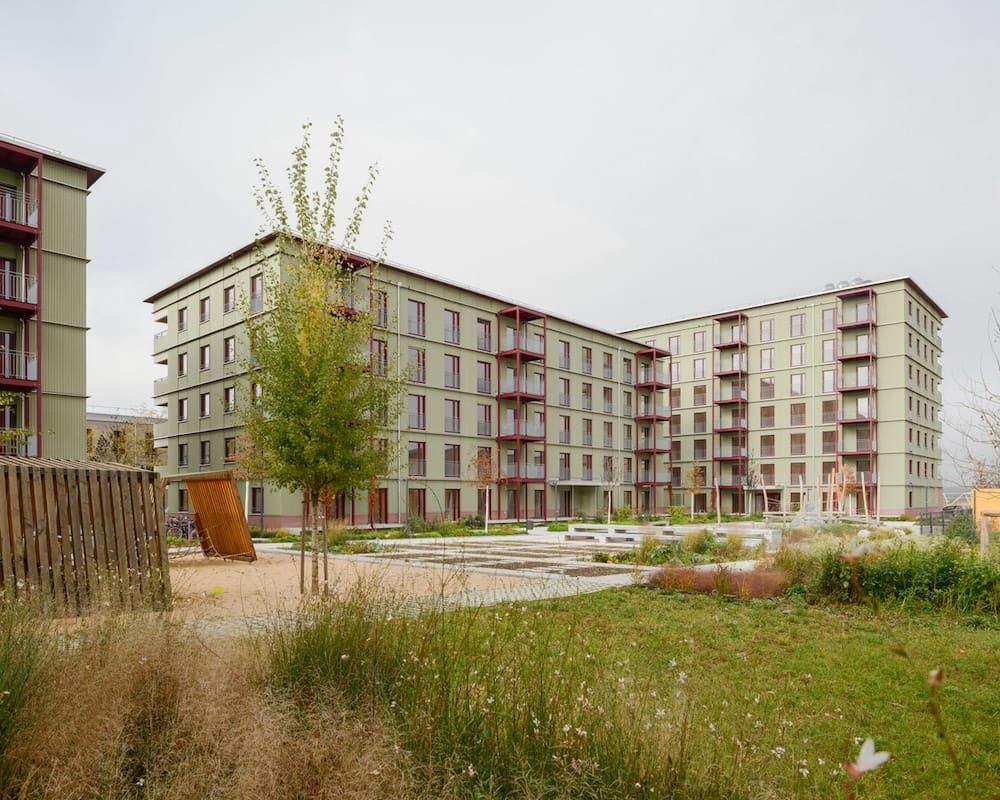
Interplay – Planning and Building in Transition
Exhibition at Architekturgalerie München
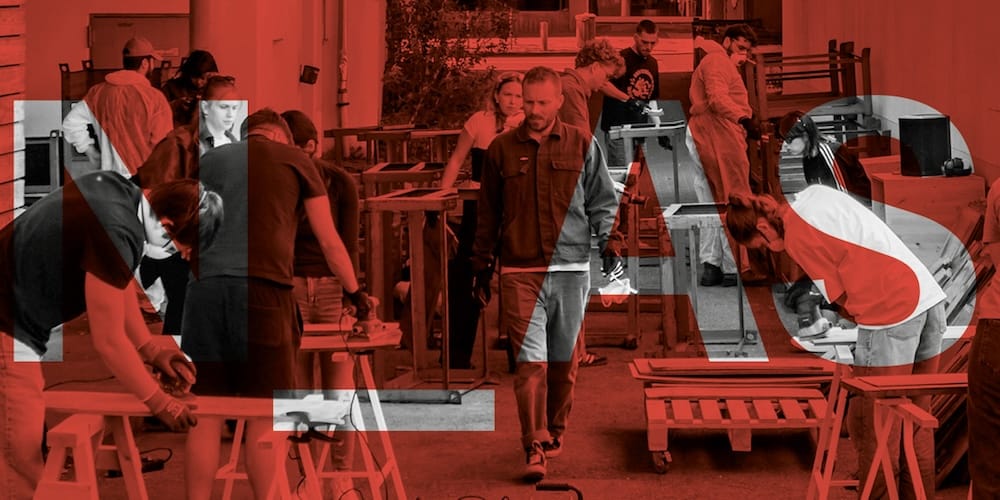
N_AS / New Architecture School Siegen
Exhibition at the Architekturgalerie am Weißenhof
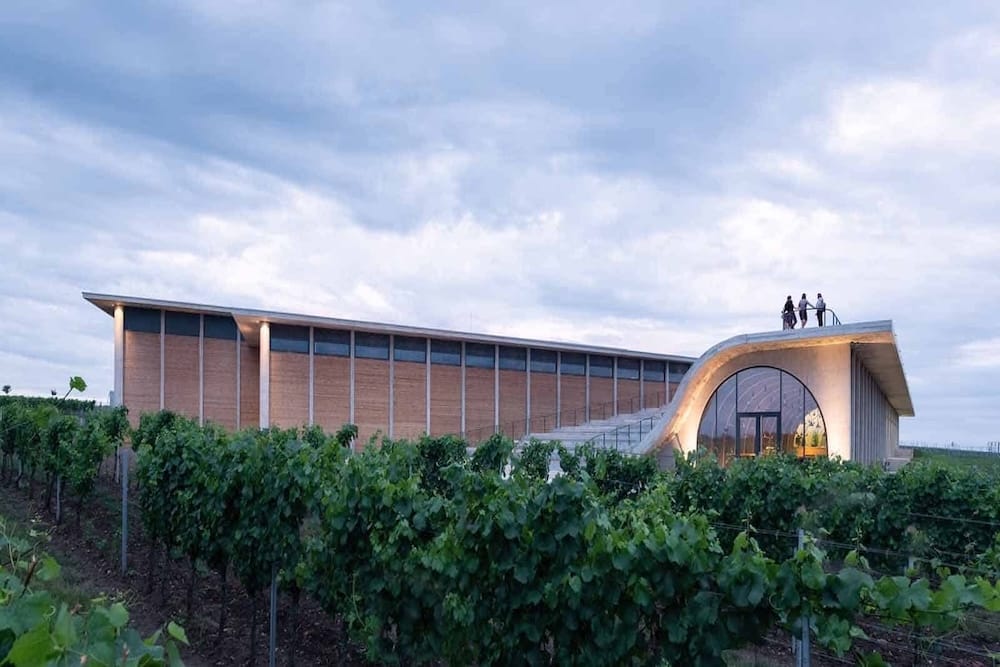
More is Now! Contemporary Czech Architecture
Exhibition at the German Architecture Museum
Regional BDA Architecture Awards 2026 in North Rhine-Westphalia
Additional Competitions Announced