


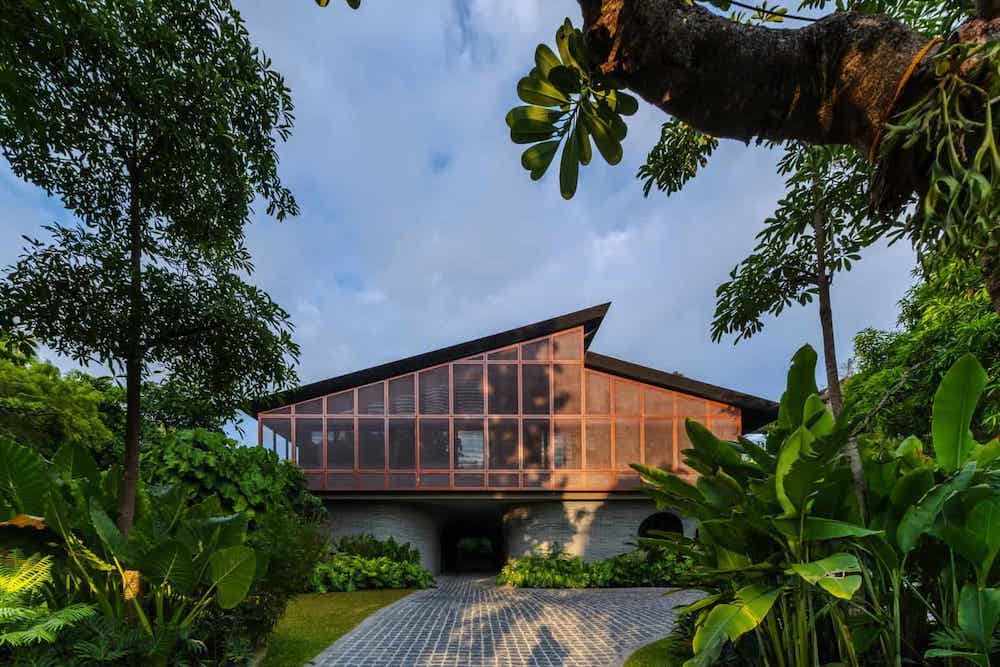
Makari City, Metro Manila, 2023 STUDIO BARCHO Photo: Gabriel Schmid
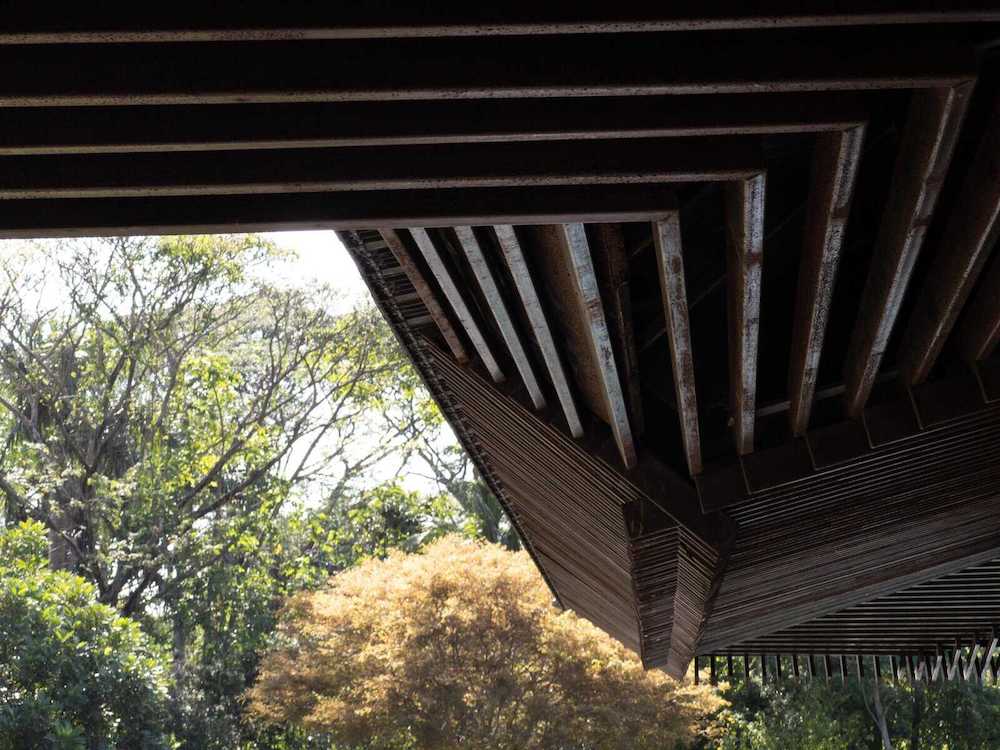
Santa Rosa City, Laguna Province, 2015 JORGE YULO ARCHITECTS AND ASSOCIATES Photo: Patrick Kasingsing
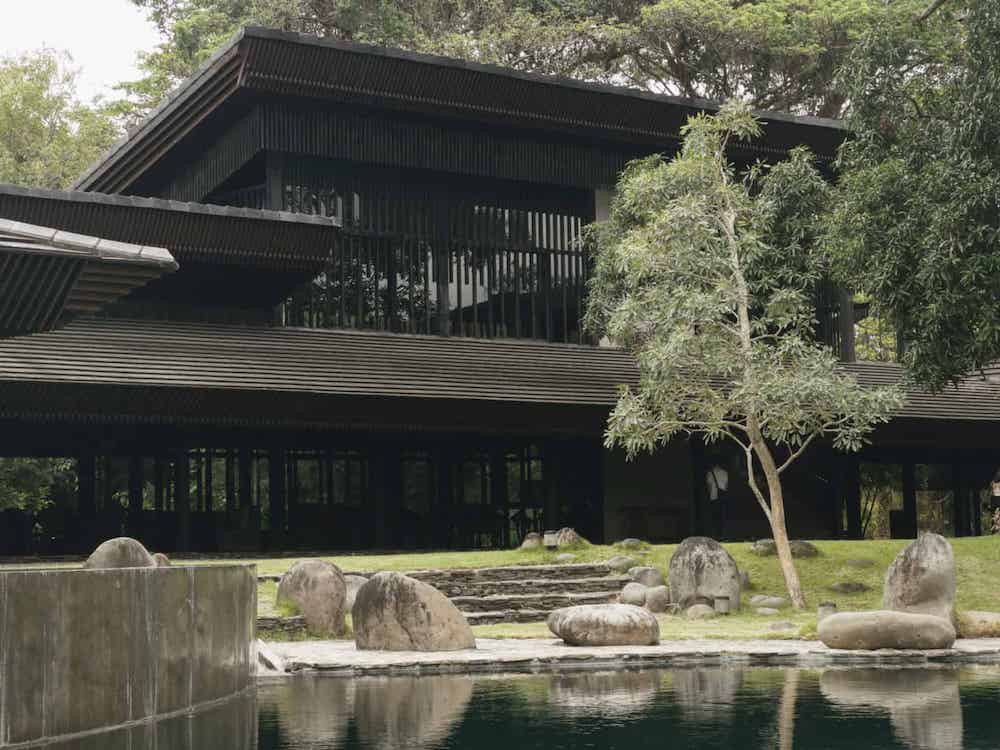
Santa Rosa City, Laguna Province, 2015 JORGE YULO ARCHITECTS AND ASSOCIATES Photo: Patrick Kasingsing
SULOG – Philippine Architecture at a Crossroads
The first presentation of contemporary Philippine architecture in Europe
The German Architecture Museum (DAM), partnering with the National Commission for Culture and the Arts (NCCA), presents the first major exhibition of contemporary Philippine architecture in Europe. Spanning 30 distinct perspectives—from Metro Manila and beyond the archipelago to the global diaspora—the exhibition explores how materials, tropical climates, and worldwide networks shape Philippine design today.
Contemporary Philippine architecture exists at the convergence of interconnected and overlapping forces. Rather than a static tradition, it's defined as a continuous flow of people, places, and processes that transcends national boundaries. The title "Sulog," drawn from the Cebuano language and meaning "water currents," perfectly captures this dynamic essence. It reflects how Philippine architecture has evolved from its island context, shaped by the cross-currents of diverse influences and global exchange networks that define the contemporary practice.
The exhibition draws inspiration from anthropologist Arjun Appadurai's framework of "global cultural flow" (1990)—a concept describing the intersecting transnational networks through which people, goods, economics, politics, and ideas move across boundaries. Appadurai identifies five dimensions essential to understanding these flows: ethnoscapes, technoscapes, financescapes, mediascapes, and ideoscapes. This framework allows us to understand architecture not as the product of a single nation, but as a confluence of cultural exchange unfolding across time and space—encompassing production, use, and meaning-making beyond any fixed territorial boundaries.The exhibition organizes Philippine architecture around three interconnected themes:"People as Network" recognizes architecture and the built environment as emerging from human imagination, experience, and collaboration—shaped by Filipino architects, practitioners, clients, communities, mentors, educational pathways, and diaspora networks spanning the globe."Places as Flow" emphasizes that architecture is fundamentally rooted in place—its context, tropical climate, geology, geography, culture, history, and ongoing processes of place-making."Process as Flows" honors the decision-making processes inherent in architecture's creation and use—encompassing material selection, construction methods, participatory approaches, community engagement, heritage stewardship, and socio-political considerations.
More News
Hans Georg Esch – the architectural perspective
Exhibition at the Museum of Applied Arts from 11 June
How do we want to live?
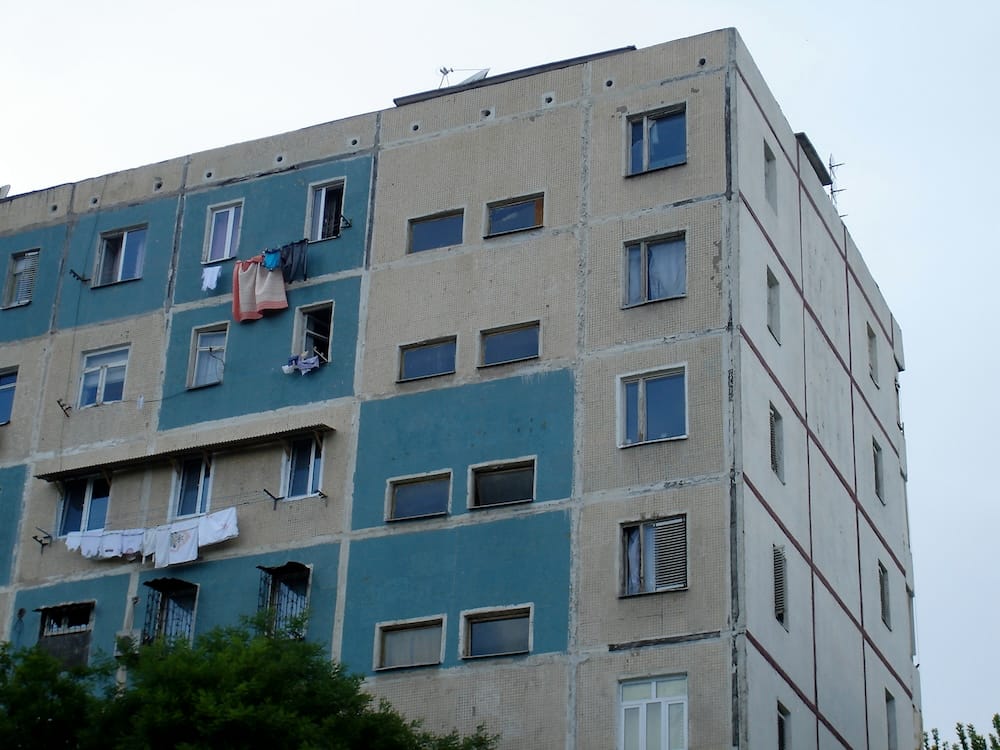
Exhibition focuses on urban coexistence
Community Happens Here
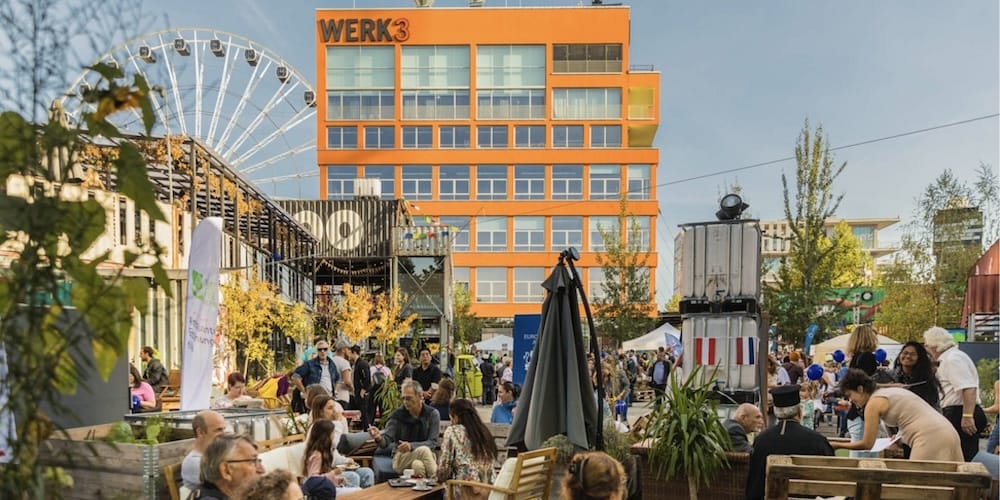
Community-building projects at the Architecture Gallery…
O.M. Ungers – Architecture as an Idea
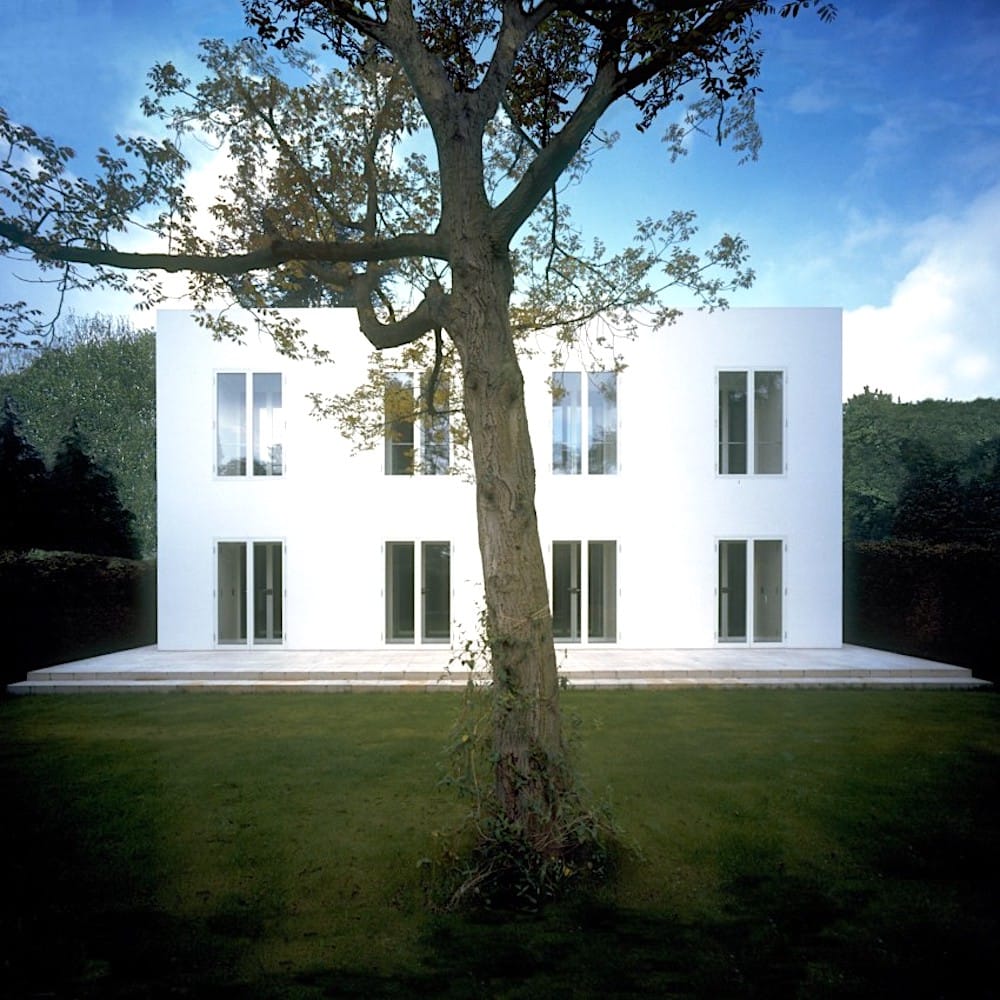
Exhibition at the Museum of Applied Arts