



Photography: Max Geuter

Photography: Max Geuter
Luisa Baldhuber. Afterglow
Exhibition at Haus der Kunst
The "Afterglow" exhibition at Haus der Kunst envelops visitors in the perpetual colors of sunrise and sunset. Luisa Baldhuber's immersive, site-specific installation unfolds as a physical experience that evolves throughout your time in the space. The shifting artificial light activates the painterly composition on the walls, generating a dynamic landscape that seems to breathe. Layered color planes create an optical expansion of the room itself, evoking landscape, horizon, and sky. Through these atmospheric color transitions—born from the interplay of light and wall color—the abstract sky suggests fleeting moments in nature, inviting us to pause and dream.
The concept of remembrance, embedded in the work's title, introduces another dimension to light, painting, and space: time itself. This temporal experience exists on two planes—in our immediate perception and in our memory of actual natural phenomena. Afterglow draws from the minimalist aesthetic of the Light and Space Movement, a profound influence on Baldhuber's practice. Emerging in the 1960s along the American West Coast as a counterpoint to Eastern Minimalism, this movement—shaped by California's distinctive light and landscape—increasingly explored light's spatial properties through immersive installation.
Afterglow also engages with the design principles of the adjacent English Garden, translating them into a spatial installation within the staff entrance of Haus der Kunst. Yet the English garden itself—despite its claim to naturalness—is fundamentally artificial: a carefully composed park modeled on idealized nature. As such, it embodies the increasingly industrialized, rationalized, and socially fractured societies of the 18th and 19th centuries. In Afterglow, Baldhuber deliberately juxtaposes three elements: the supposedly "wild" garden, the neoclassical architecture of Haus der Kunst (constructed during the Nazi era), and the utilitarian passageway. This collision becomes a dynamic installation that fundamentally questions how we distinguish inside from outside. By painting and projecting the illusion of a natural phenomenon into this given space, she destabilizes the building's original intent. Yet Baldhuber's ambition extends beyond spatial transgression. She seeks to awaken our consciousness to what we actually see—and to what we merely assume we know. The sunrise and sunset, occurring daily yet never losing their wonder, serves as her essential poetic metaphor.
The exhibition occupies the staff entrance, accessible via the car park behind the building. Through these solo presentations, Haus der Kunst opens up a previously overlooked space. These site-specific commissions serve a dual purpose: they offer daily inspiration to staff moving through the building, while reinforcing the institution's commitment to supporting emerging artists from Munich.
More News

Unleashed colours
Pop-up exhibition by Temel Nal at Kustermann Pop-up
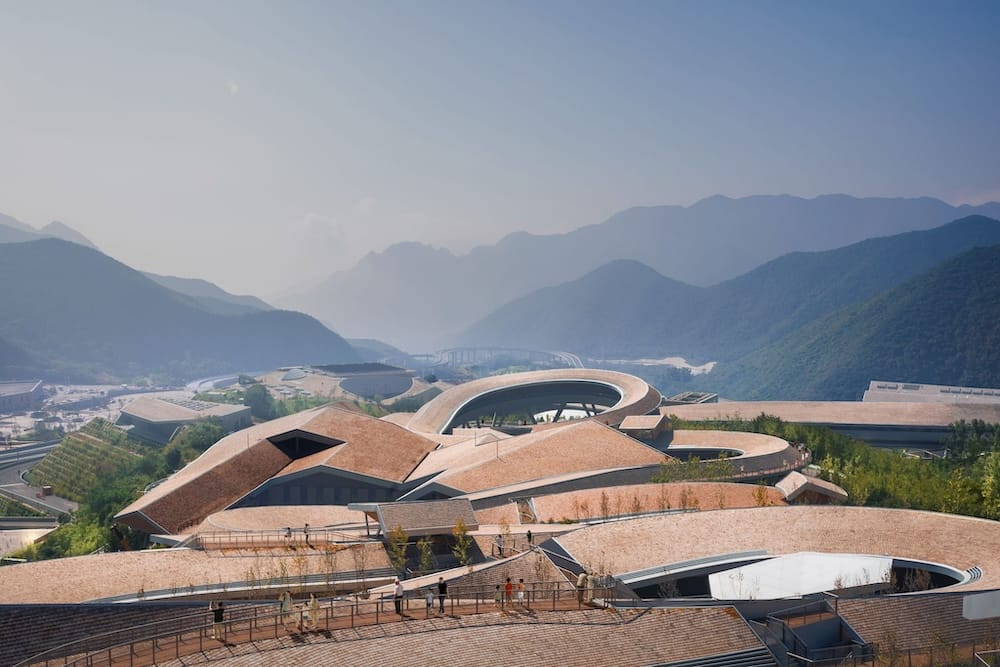
Vital Architecture
Aedes Architecture Forum showcases projects from China
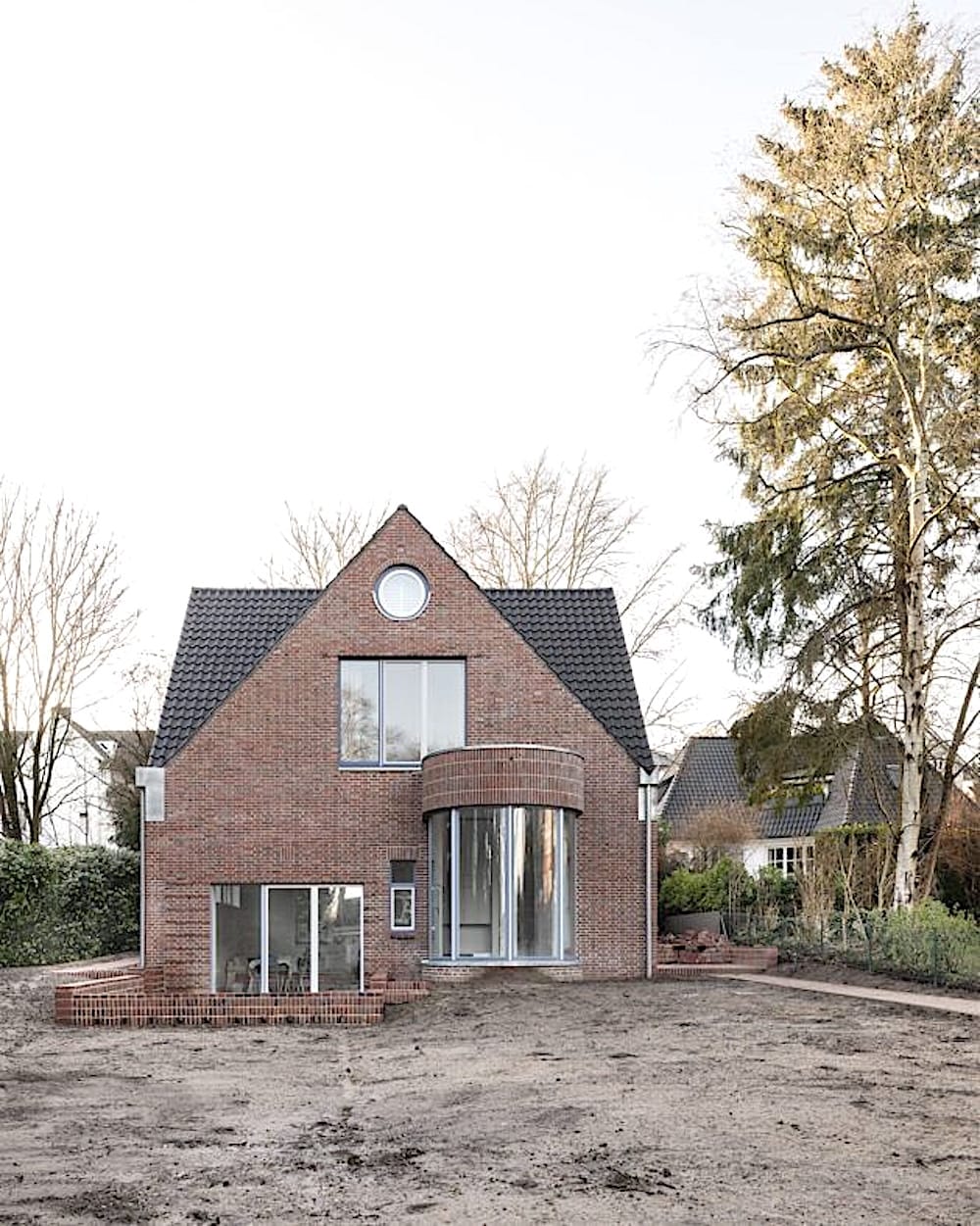
MAX45 2025
Exhibition opening at the BDA Gallery in Hamburg
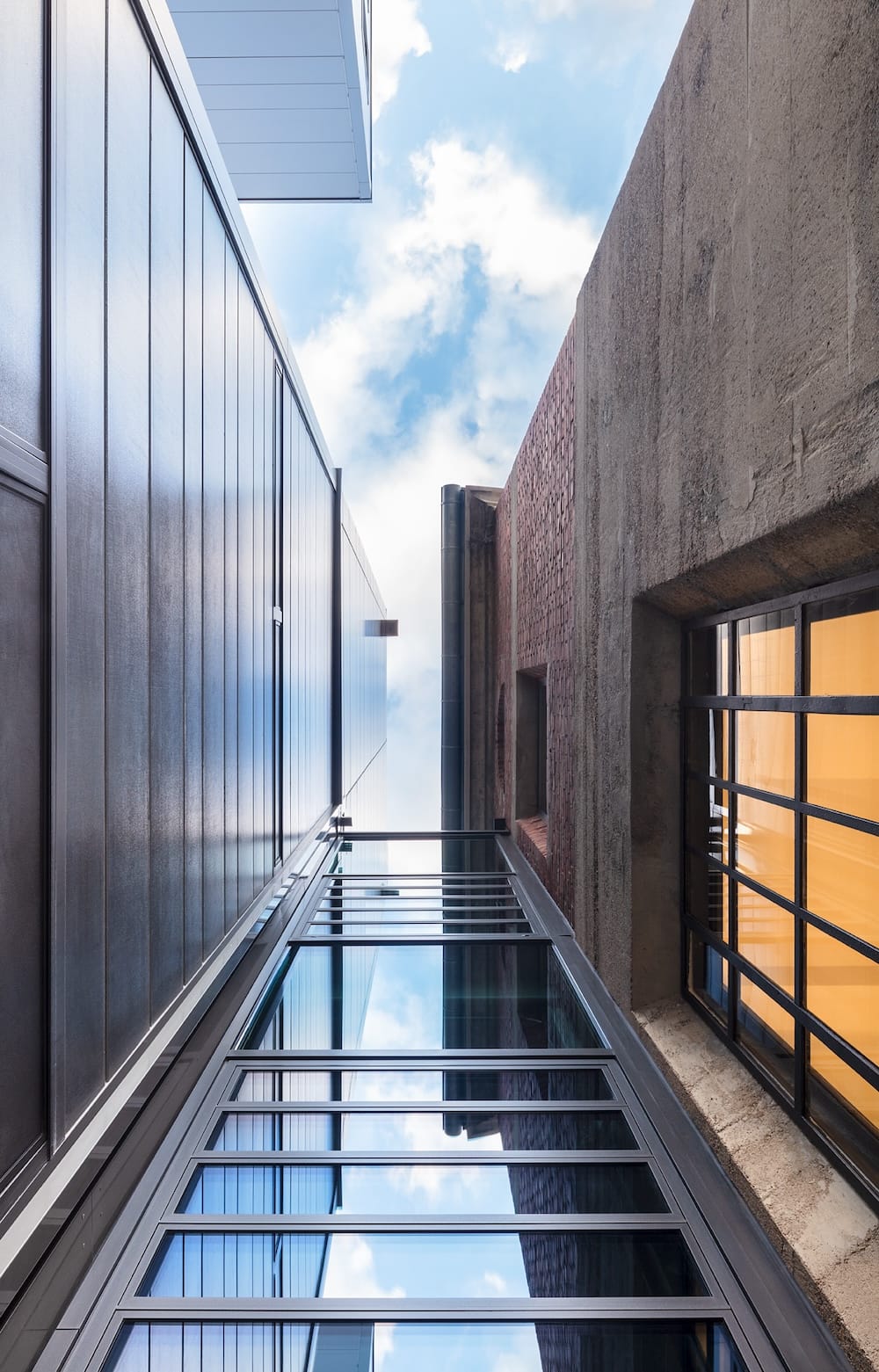
Hans Georg Esch on the Gasteig HP8
Exhibition showcases fresh perspectives on Munich's...