


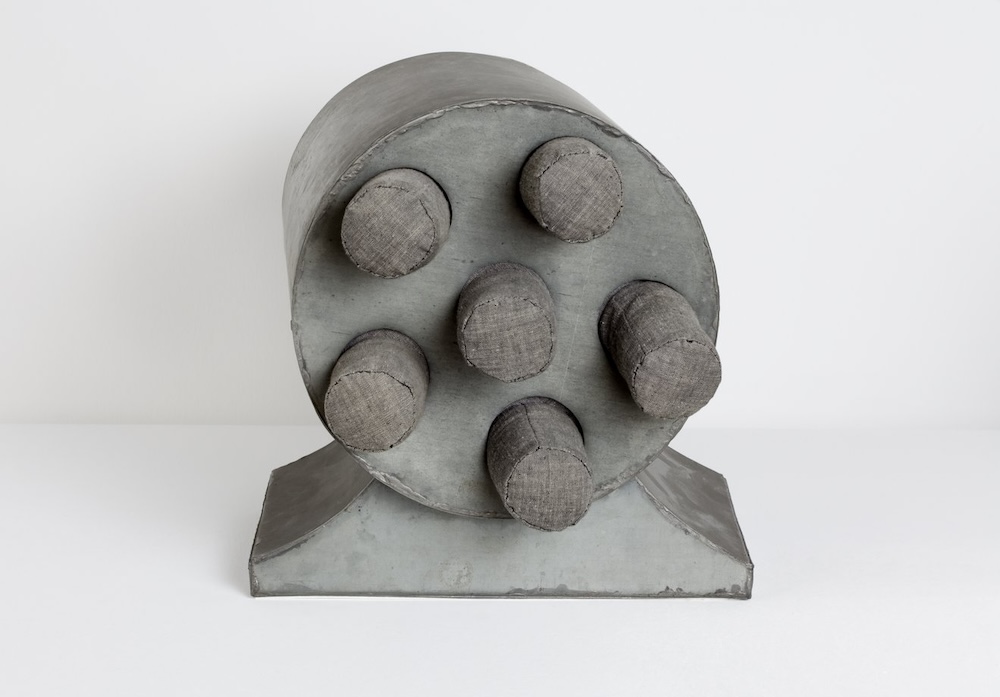
Ursula Burghardt, Untitled (Meat Grinder), 1970Museum Ludwig, Cologne Photo: Rheinisches Bildarchiv, Cologne/Britta Schlier/Brigitte Zobel © Estate of Ursula Burghardt
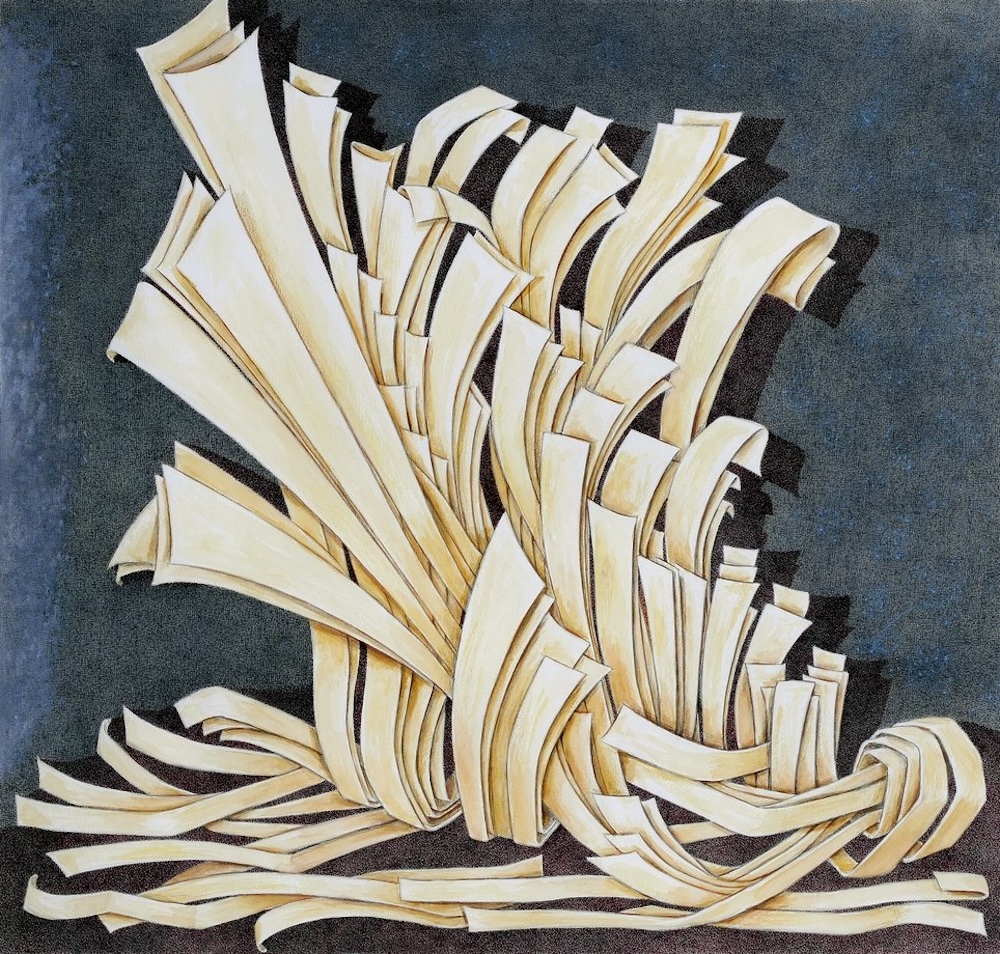
Ursula Burghardt, Large Upright Ribbons, 1998Saxony-Anhalt Cultural Foundation, Moritzburg Art Museum Halle (Saale) © Estate of Ursula Burghardt
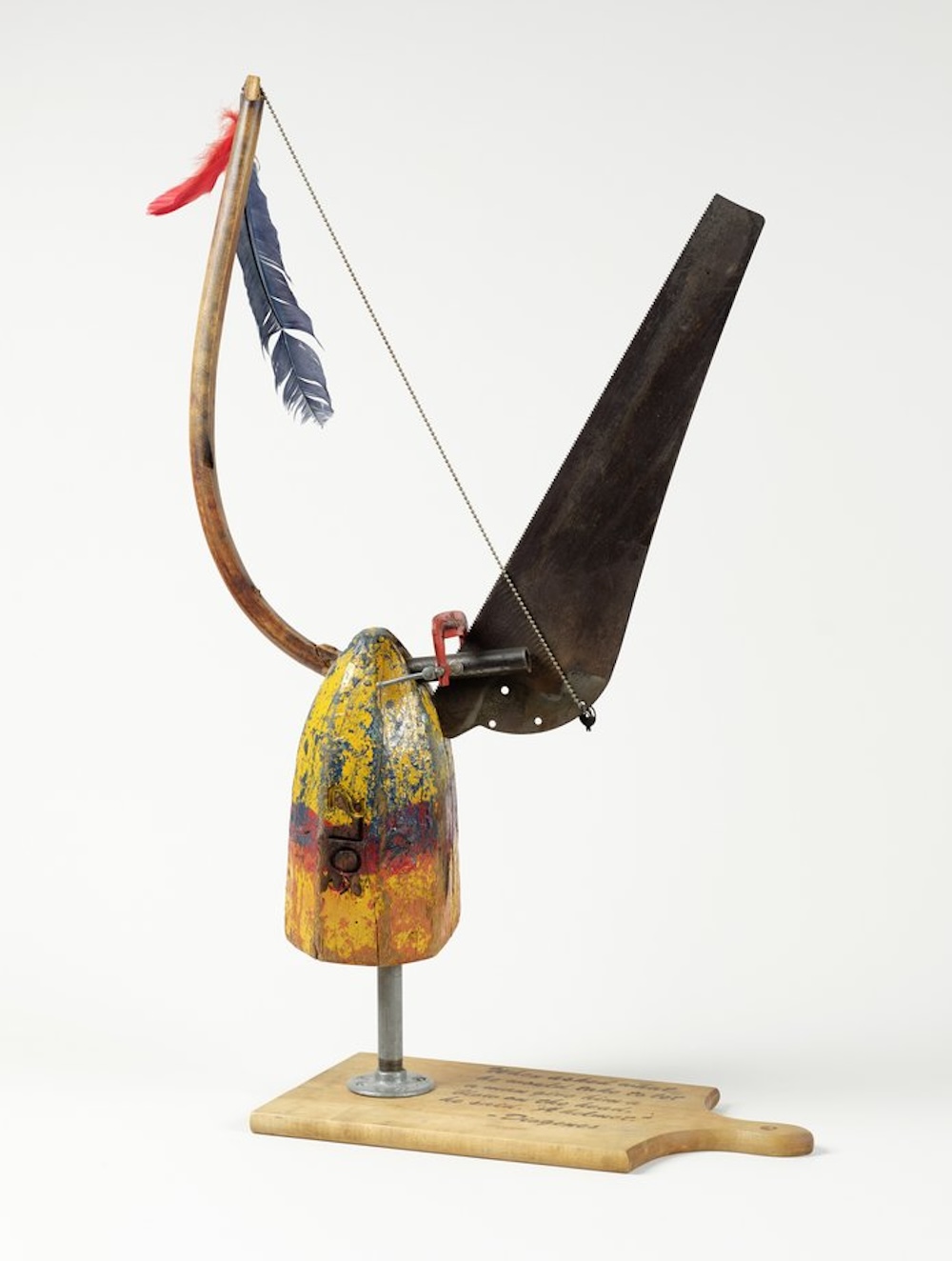
Benjamin Patterson, Helmet, 1976Museum Ludwig, Cologne Photo: Rheinisches Bildarchiv, Cologne/Sabrina Walz © The Estate of Benjamin Patterson
Fluxus and Beyond: Ursula Burghardt, Benjamin Patterson
The Origins of Fluxus and Its Enduring Legacy
At Museum Ludwig, the exhibition "Fluxus and Beyond: Ursula Burghardt, Benjamin Patterson" explores the pioneering origins of the Fluxus movement and its profound, lasting impact. This groundbreaking art movement of the 1960s dissolved the boundaries between art and life, embracing innovative actions and performances as its core language. Cologne's thriving cultural scene—particularly the WDR's Studio for Electronic Music, which drew creative practitioners from across the globe—positioned the city as an essential hub for international artists during this transformative period.
The exhibition centers on works by Ursula Burghardt and Benjamin Patterson, two artists who operated at the margins of the Fluxus network yet whose contributions remain profoundly significant. Burghardt, who fled Buenos Aires in 1936 to escape Nazi persecution, eventually settled in Cologne and reimagined everyday objects as abstract sculptural forms. Her practice embodies a deep social consciousness and critical engagement with post-war German society—themes that resonate throughout her artistic legacy.
Benjamin Patterson, who co-organized the "Fluxus: International Festival of New Music" alongside George Maciunas, channeled his experience of alienation within a predominantly white art establishment into his artistic practice. Following a significant career pause, he returned to art-making in 1988, leaving behind a body of work that continues to provoke and inspire. The exhibition is accompanied by a rich program of concerts, readings, and workshops that contextualize Fluxus within its broader social and historical moment, illuminating the cultural forces that shaped this revolutionary movement.
More News
Kirchen als Vierte Orte
Ausstellung des Museums der Baukultur NRW
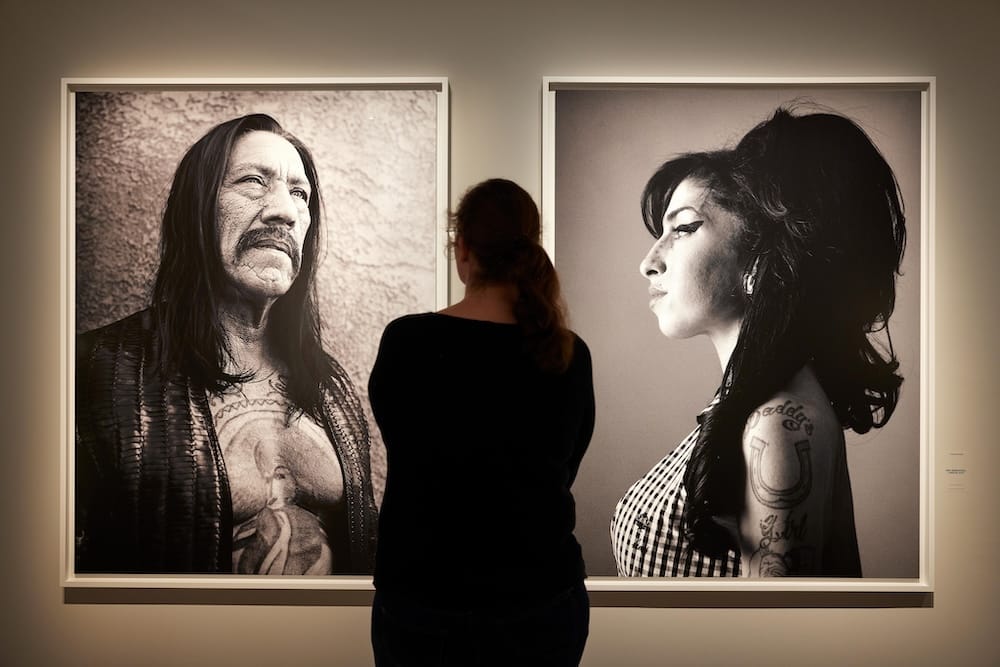
#SHOTBYADAMS
Fotoausstellung im Hessischen Landesmuseum Darmstadt
Produzierende Designer
Pop-up Store im stilwerk Hamburg

Studio 47 unveils its new look following refurbishment
Regional TV station celebrates its 20th anniversary