


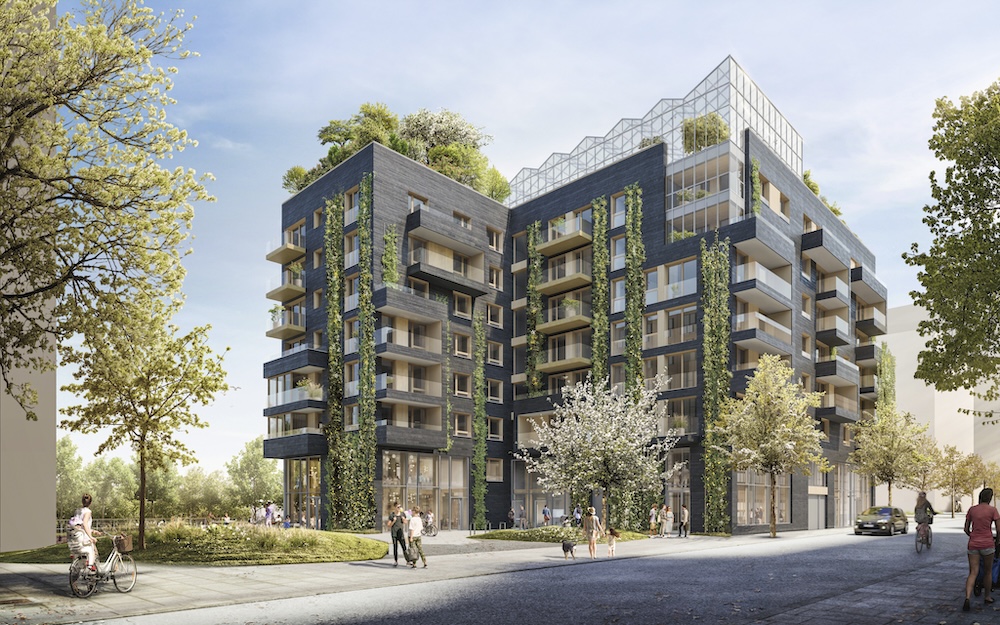
Archy Nova Baakenhafen © Moka Studio

View toward Baakenhafen © Moka Studio

Photo: Maria Uhlemann
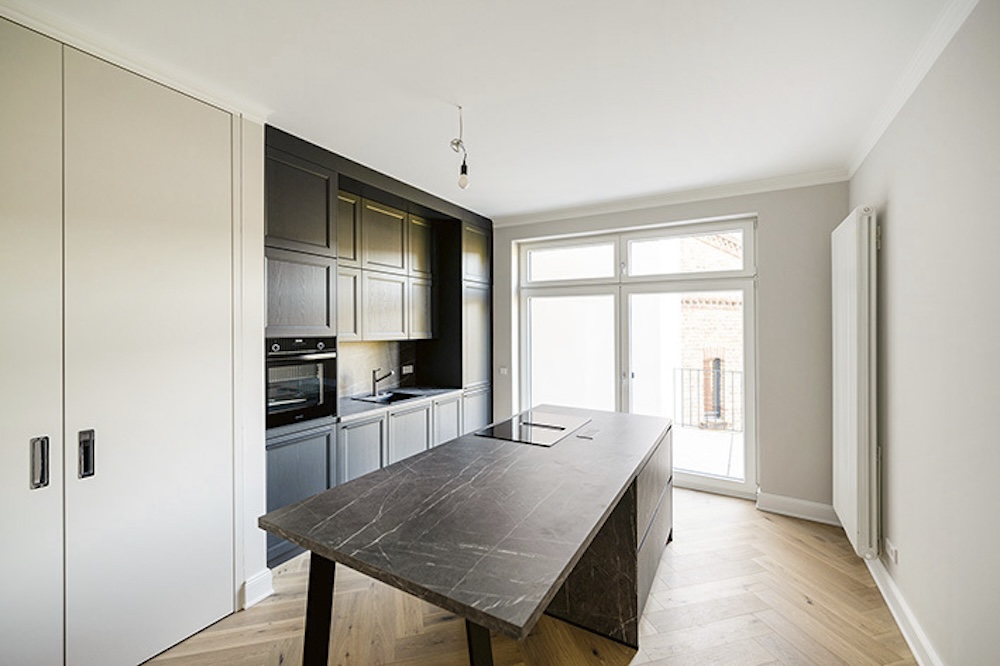
Photo: Maria Uhlemann

Brunnenwiesenstrasse Housing Estate Renovation, Neuhausen – North Elevation
Outstanding Housing Architecture 2025
Social Sustainability Takes Center Stage
What stands out among this year's submissions for the Residential Buildings of the Year Award is striking: most projects either sensitively revitalize existing structures or thoughtfully infill and integrate replacement buildings into their architectural context. The result is a rich diversity of distinctive buildings, each with its own narrative. Some stories reveal themselves instantly—take churches converted into residential spaces, for instance. Others emerge more subtly, woven into the building's massing, façade composition, and material choices that echo the site's heritage. Yet many of these residences also function as quiet urban interventions, mending gaps in the existing fabric. These buildings radiate outward, strengthening the social infrastructure of their neighborhoods through cafés, co-working spaces, intergenerational gathering points, and mobility hubs—alongside amenities for children, youth, and seniors. Meanwhile, other features—particularly communal areas—remain exclusive to residents, expanding their spatial possibilities and fostering genuine community. To adapt to evolving lifestyles, many of these buildings incorporate flexible floor plans and modular spaces that can be easily reconfigured.
Add to this shared outdoor spaces, gardens, and roof terraces that serve as gathering areas and urban gardens while enhancing local microclimate and biodiversity—most incorporating intelligent rainwater management systems aligned with sponge city principles. The residential buildings showcased across these 300+ pages—drawn from Germany, Austria, and Switzerland—showcase remarkable diversity. Yet they share common ground: the contributors have consistently transcended conventional housing provision to pioneer both ecological and social sustainability. While these achievements may seem removed from residents' direct influence, the opposite is true. Through their choices and demands, residents actively shape the thinking of private developers, architects, housing corporations, and investors. This book features buildings initiated by passionate individuals, now fostering vibrant communal living. It showcases projects built with prefabricated components—particularly timber—and highlights developers who deliberately selected circular, recyclable materials over composite alternatives. Throughout these pages are ingenious strategies that breathe fresh life into humble existing buildings and historic monuments alike.
More News
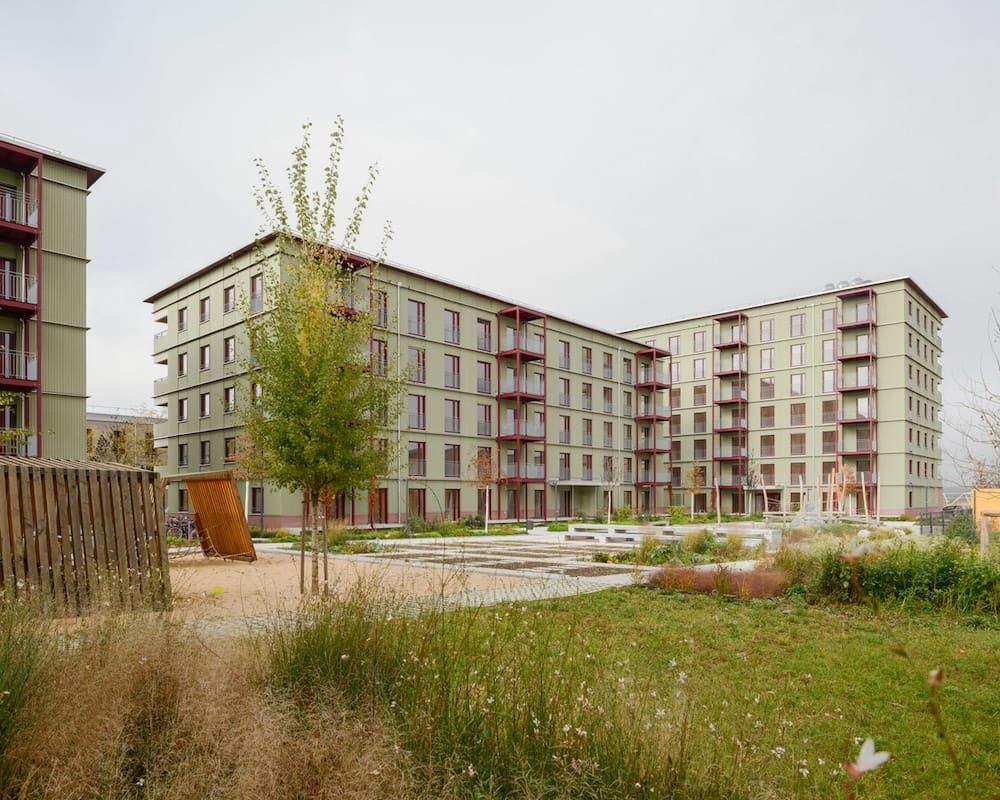
Interplay – Planning and Building in Transition
Exhibition at Architekturgalerie München
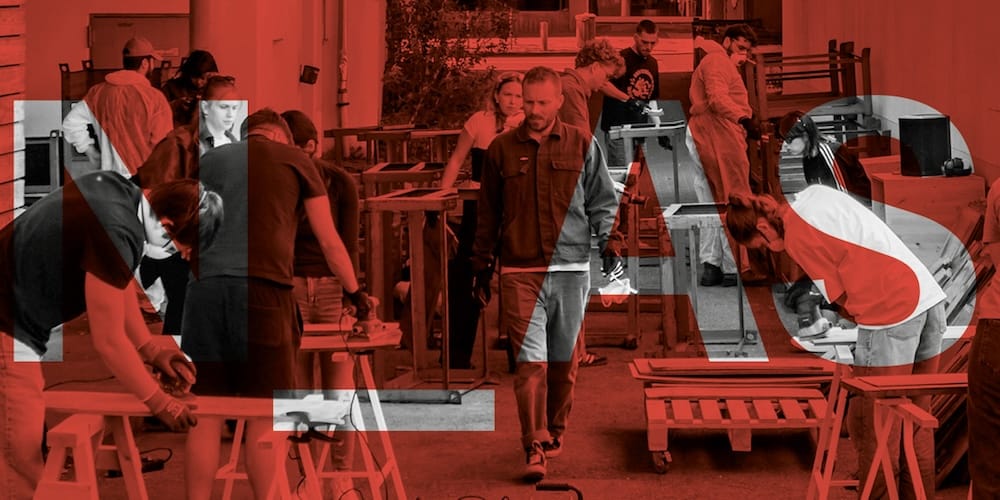
N_AS / New Architecture School Siegen
Exhibition at the Architekturgalerie am Weißenhof
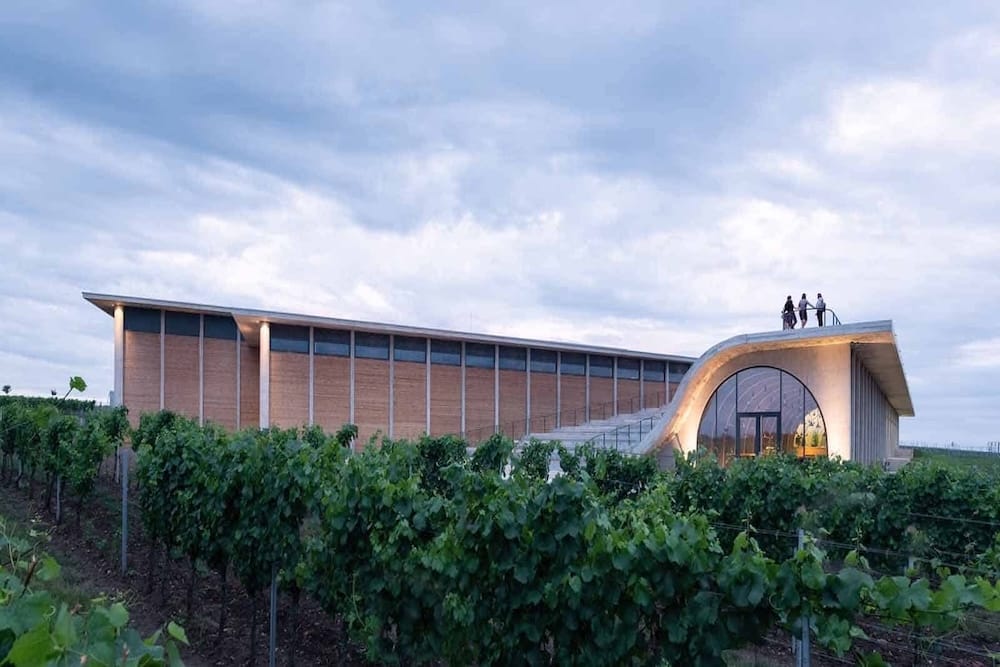
More is Now! Contemporary Czech Architecture
Exhibition at the German Architecture Museum
Regional BDA Architecture Awards 2026 in North Rhine-Westphalia
Additional Competitions Announced