


Thoughtful Renovation
The former Deutscher Herold headquarters in Bonn restored with full respect for its heritage status.
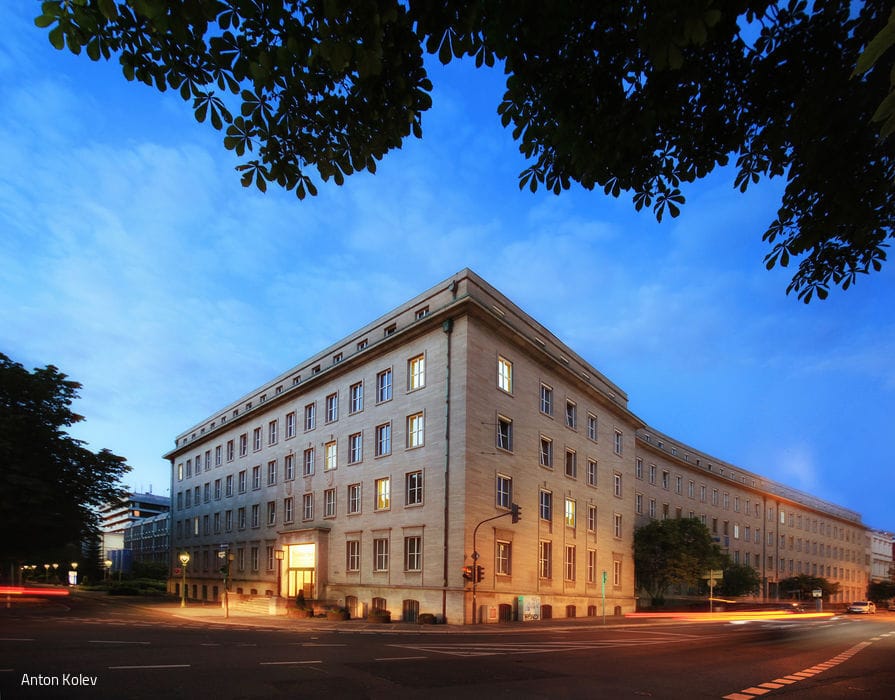
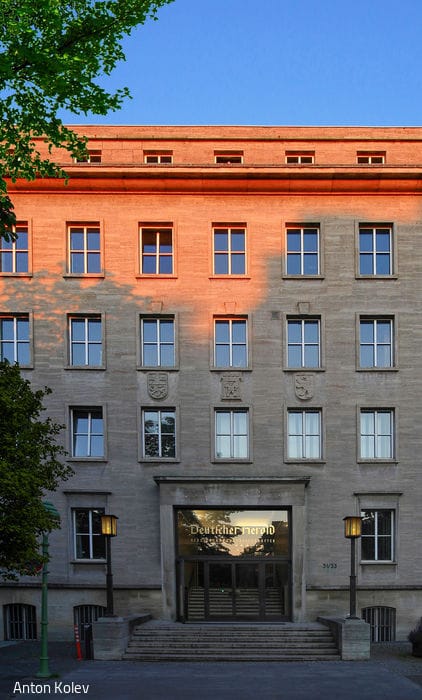
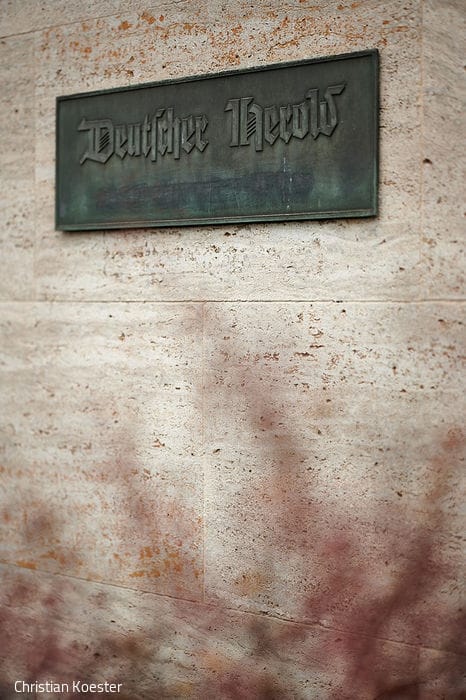
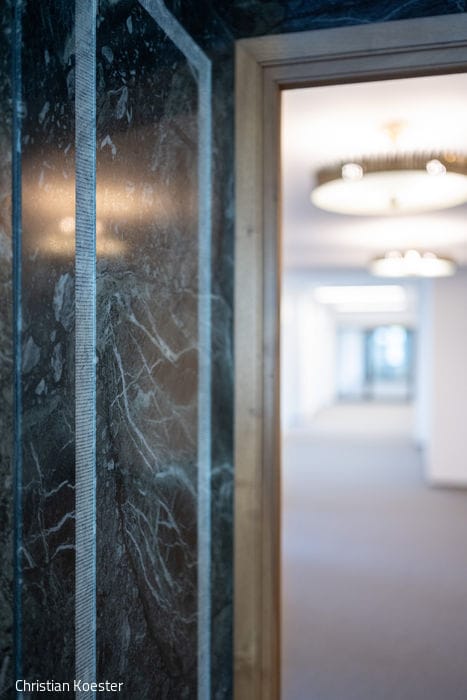
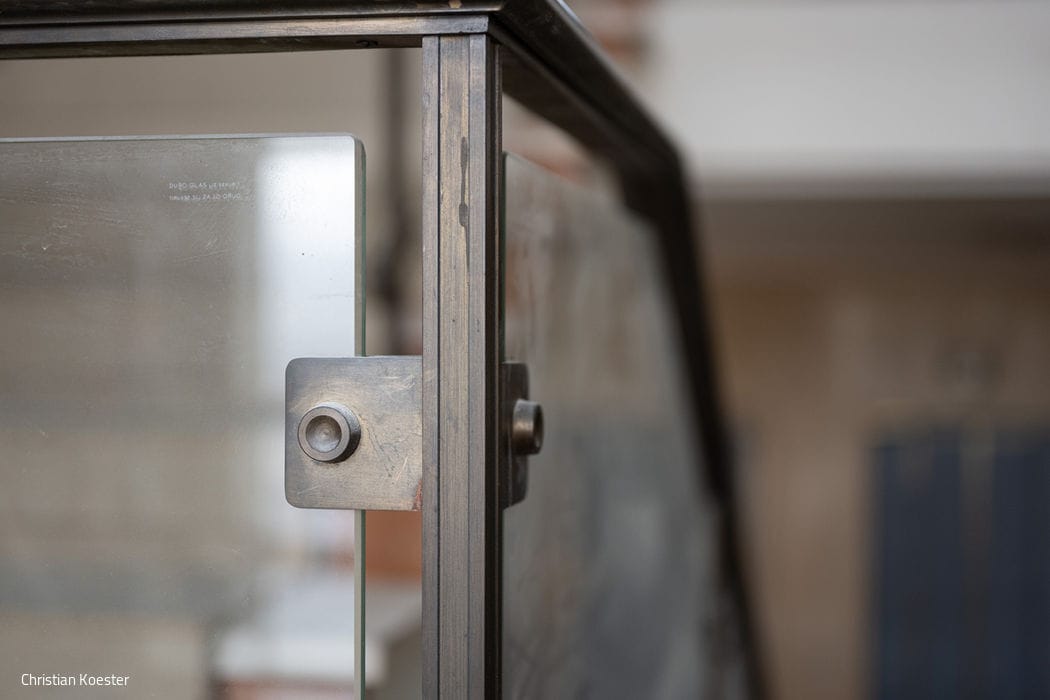
Der Stammsitz der Versicherung Deutscher Herold, die bereits 2001 von der Zurich Gruppe erworben wurde, ist in Bonn seit der Nachkriegszeit zwischen Poppelsdorfer Allee, Bonner Talweg, Heinrich-von-Kleist-Straße und Prinz-Albert-Straße gewachsen. Das 2019 von der Zurich Gruppe aufgegebene Quartier soll in den nächsten Jahren sukzessive ressourcenschonend und zukunftsorientiert umgebaut werden. RKW Architektur + aus Düsseldorf wurde damit beauftragt, das ehemalige Hauptverwaltungsgebäudes des Deutschen Herold denkmalgerecht zu einem modernen Bürostandort zu revitalisieren. Zugleich sollte ein Rechenzentrum, das im Inneren des Blockes unterirdisch situiert war, eine neue Nutzung finden. Im Fokus stand dabei der Umgang mit der vorhandenen Substanz – einem Abriss war eine Sanierung und Umnutzung vorzuziehen, um die im Material gespeicherte graue Energie nicht freizusetzen.
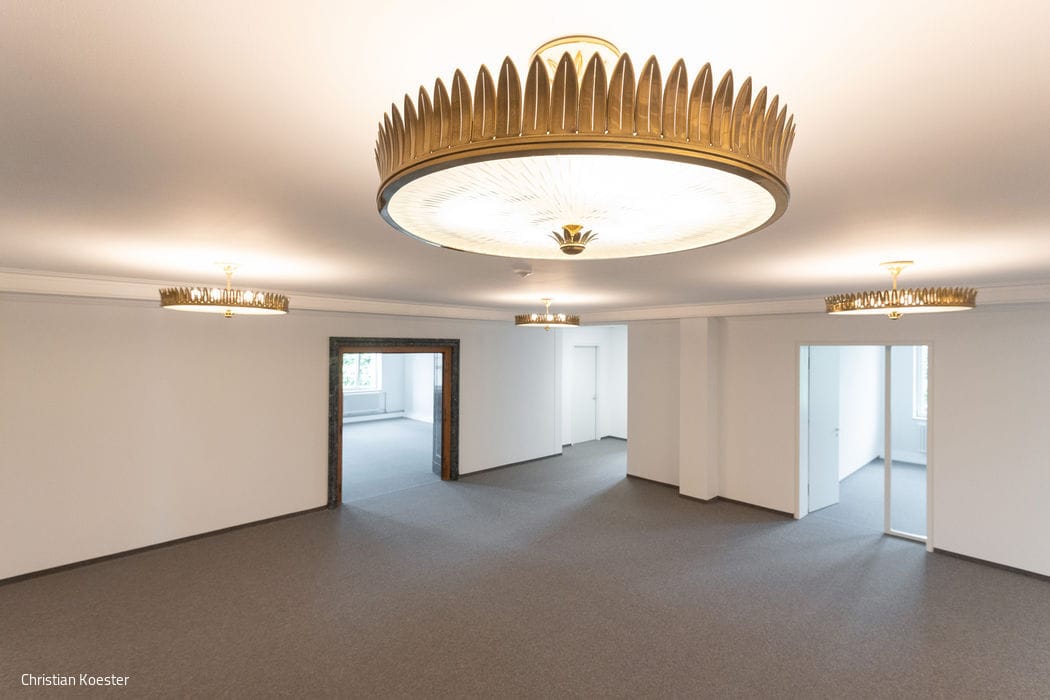
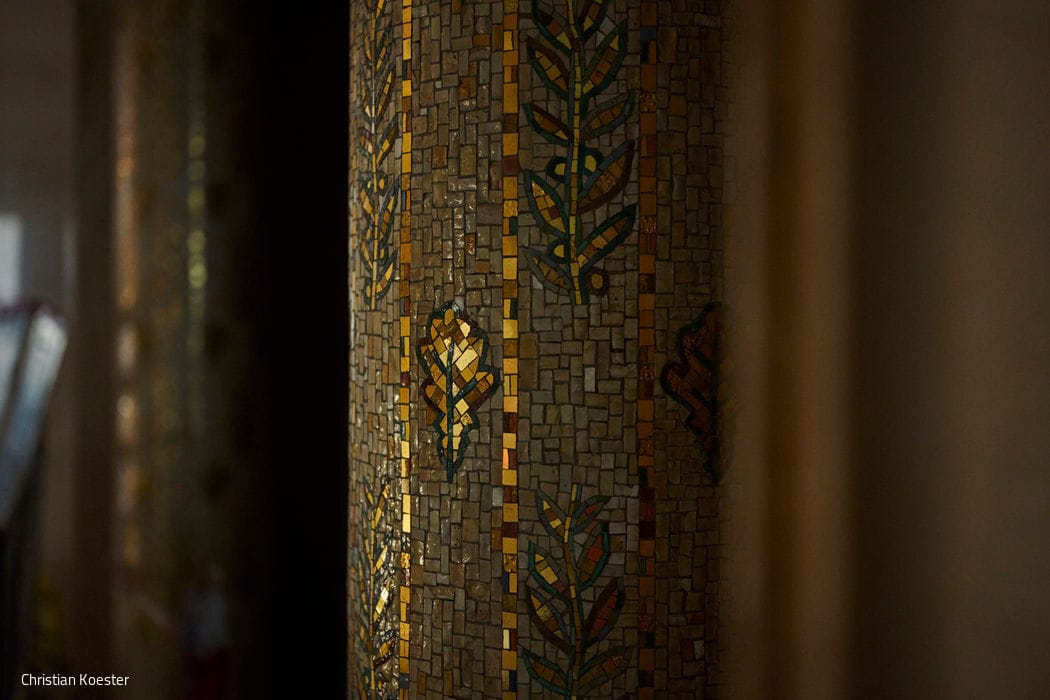
Das Hauptverwaltungsgebäude des früheren Deutschen Herold bildet von weitem das Gesicht des Quartiers, prominent sichtbar an der Poppelsdorfer Allee. Der zweiflügelige Bau verfügt über eine neoklassizistische Natursteinfassade zu beiden Straßenseiten. Er wurde 1949/50 nach Plänen des Bonner Architekten Josef Kofferath für den wenige Jahre zuvor nach Westdeutschland umgesiedelten Versicherer errichtet. Das Gebäude, das eine Bruttogeschossfläche von 10.000 m² umfasst, sollte in seiner Wertigkeit wiederhergestellt werden. Dies ging mit einer Reihe von Herausforderungen einher, die über eine bloße optische Verjüngung hinausgehen. Unter anderem galt es, eine Schadstoffsanierung belasteter Fußböden durchzuführen, auf denen Wände gestellt waren. Aus dieser Sanierung resultierte dann eine komplette Geschossdeckensanierung und in Teilbereichen sogar ein komplizierter Deckenaustausch. Neben neuen Sanitäranlagen musste zudem eine mögliche Multi-Tenant-Nutzung vorbereitet werden. Gleichzeitig sollten in enger Abstimmung mit der Denkmalpflege aber auch viele schutzwürdige Details erhalten bleiben – etwa das Foyer mit Mosaiken und Natursteinverkleidungen oder die schweren bronzenen Deckenleuchter. Die nachträglich eingebauten Alufenster konnten dagegen durch wertige Stulpfenster aus Holz ersetzt werden.
Auch bei der Giebelwand des Hauptgebäudes an der Poppelsdorfer Allee wurde selbstbewusst verfahren: Die Bruchstelle, die zwischen der Natursteinfassade und einem benachbarten Abrisshaus entstand, wurde nicht optisch angeglichen, sondern belassen. So wird die Transformation des Gebäudes an dieser Stelle nach außen hin sichtbar und identitätsstiftend wirksam. Auch ein neuer Nutzer ist bereits für das Gebäude gefunden: Die Universität Bonn wird zukünftig die Räumlichkeiten nutzen. Die zwei unterirdischen Etagen des früheren Rechenzentrums werden dagegen ab Ende 2024 als Kita genutzt werden. Das Bauwerk wird dazu teilweise ausgegraben und weiträumig in den Innenhof geöffnet werden. Jedes der beiden Projekte zeugt so auf seine Art davon, wie sich durch Nachnutzungen graue Energie verantwortungsvoll erhalten lässt und eine nachhaltige Quartiers- und Projektentwicklung mit Vorbildwirkung gelingt.
Photography Credits:
Christian Köster
www.koester-fotografie.de
Anton Kolev
(Published in CUBE Cologne Bonn 04|23)
Clean Lines and Abundant Light
A modern family home that delivers everything the homeowners envisioned.
Living with Space
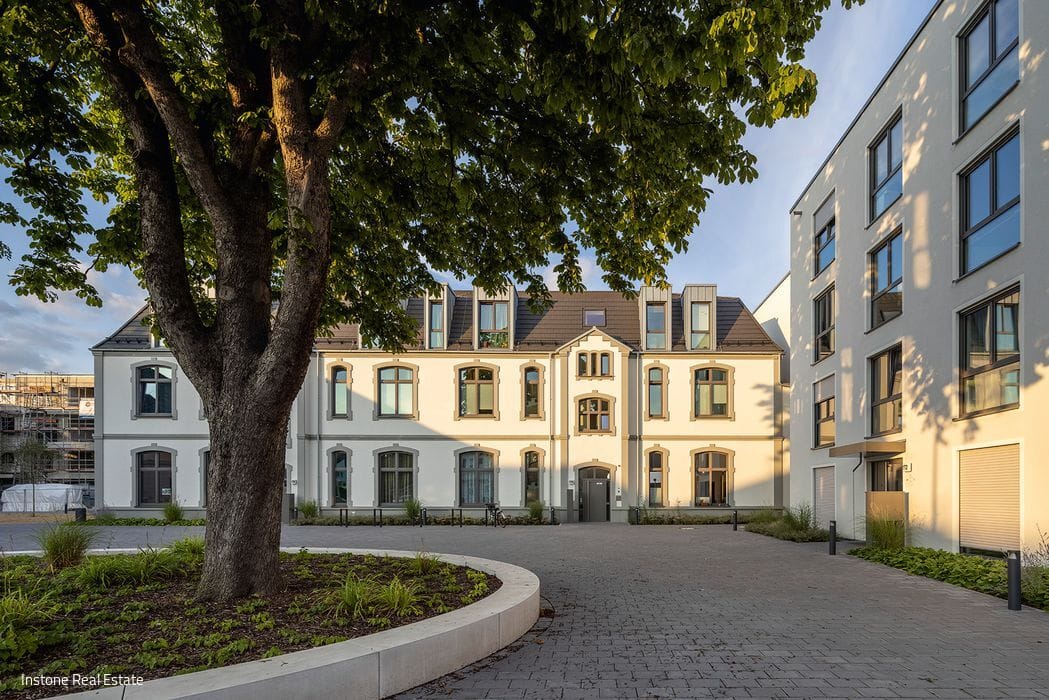
Schumanns Höhe in Bonn-Endenich: Where residential diversity meets historical significance.
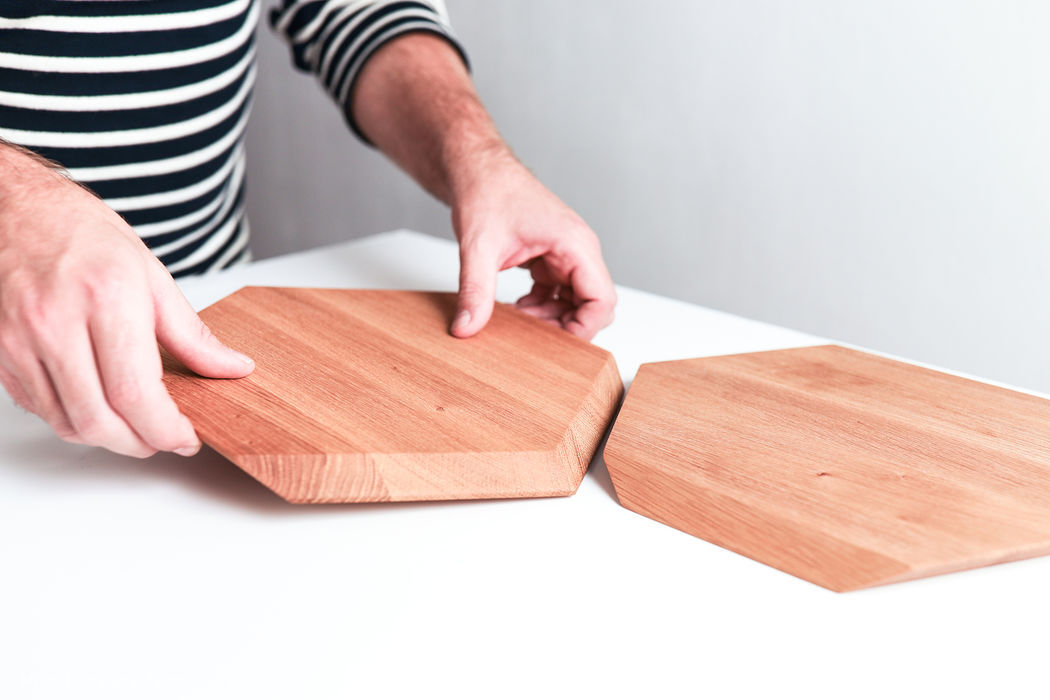
Wooden Furniture for Life
Sophie and Gunnar Brand craft timeless furniture and accessories.
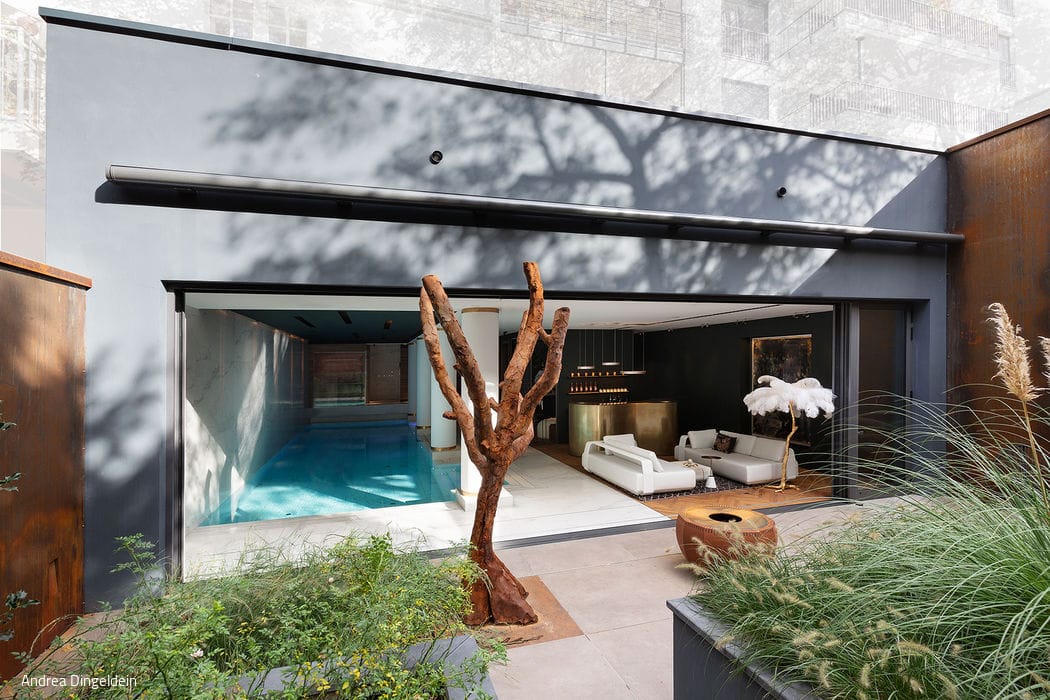
Urban Refuge
A private spa with its own garden hides beneath an apartment building.