



smartvoll Architects, Autopalast Quarter, Salzburg, Austria 2024–2026 © smartvoll

WillemsenU, House Under the Ground, Eindhoven, Netherlands 2023, Photo: Rob van Esch | Architectuurfotograaf

Avanto Architects, Löyly, Helsinki, Finland, 2011–2016 © kuvio.com

AHEC / Diez Office / OMC°C, Vert, Frankfurt am Main / Bonn, Germany, 2023–2025, Photo: David Ertl, 2025 © courtesy of the American Hardwood Export Council (AHEC)
WE/trans/FORM – The Future of Building
Exhibition Opening at the Bundeskunsthalle
In 2025, the Bundeskunsthalle puts ecological transformation at the center of its programming. A major initiative is an international exhibition exploring sustainable architecture and urban development across Europe: "WE/trans/FORM – The Future of Building" brings visitors face-to-face with critical questions about the built environment we're creating. The exhibition spotlights essential design principles for a climate-responsive transformation of our building culture—from climate resilience and biodiversity to circular economy practices, revitalization strategies, and thoughtful restraint. It's an active invitation to understand, experiment, and shape our architectural future.
The exhibition features approximately 80 projects that respond to climate change challenges with purpose and innovation. The Glasner House in the Ahr Valley, for instance, defends against rising flood risk, while the Rambla Climate House protects against drought conditions in Spain. The choice of natural materials—rammed earth in Anna Heringer's work, or timber in Hermann Kaufmann's—speaks to a deeper philosophical inquiry: what truly matters? Studio Bua's barn conversion in Iceland and 51N4E's transformation of Brussels's former World Trade Centre both demonstrate how thoughtful adaptation can cut resource consumption, CO₂ emissions, and construction waste. Cutting-edge research initiatives like the Nest Umar project from the Karlsruhe Institute of Technology and the Hybrid Flax Pavilion from the University of Stuttgart push the boundaries of circular material systems and computational design.
A standout feature is Vert, an installed green wooden structure of American red oak by AHEC/Diez Office/OMCºC, positioned on the museum plaza to cool public spaces and foster biodiversity in urban settings. The Bundeskunsthalle's foyer showcases Tree.ONE, a soaring installation by EcoLogicStudio (Claudia Pasquero/Marco Poletto)—a living synthetic tree cultivated from microalgae that captures atmospheric CO₂ and transforms it into biomaterial, embodying the regenerative architecture we need. For the exhibition design itself, MVRDV (Rotterdam) took a resourceful approach, drawing almost exclusively on existing materials already in the Bundeskunsthalle. The opening on June 6 will be celebrated with a two-day festival on Friday and Saturday, June 6–7, created in partnership with the European Commission's New European Bauhaus initiative.
More News
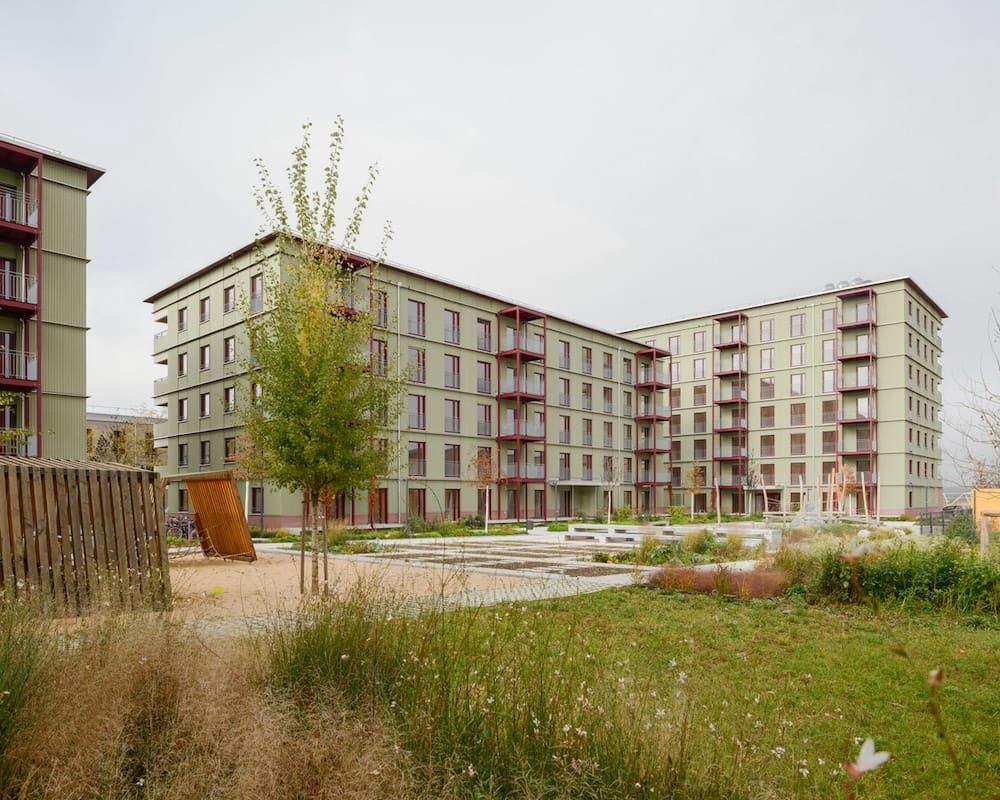
Interplay – Planning and Building in Transition
Exhibition at Architekturgalerie München
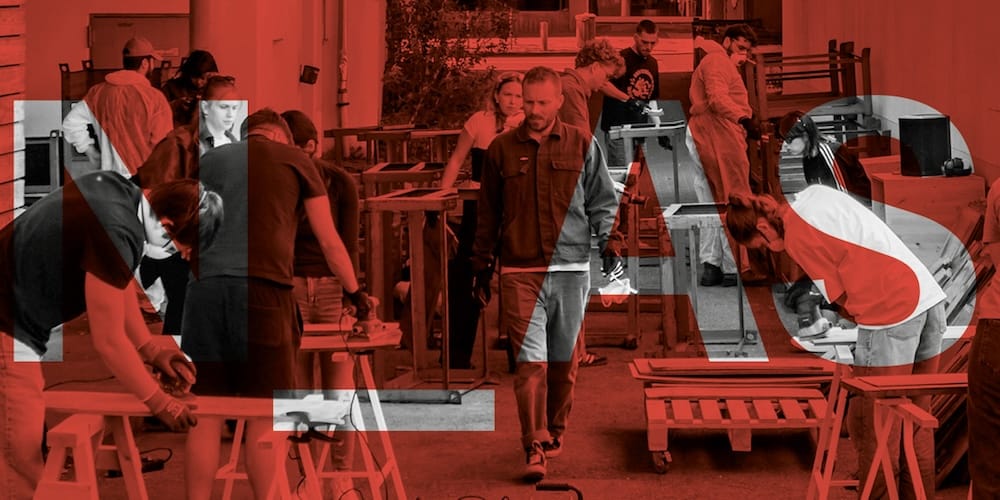
N_AS / New Architecture School Siegen
Exhibition at the Architekturgalerie am Weißenhof
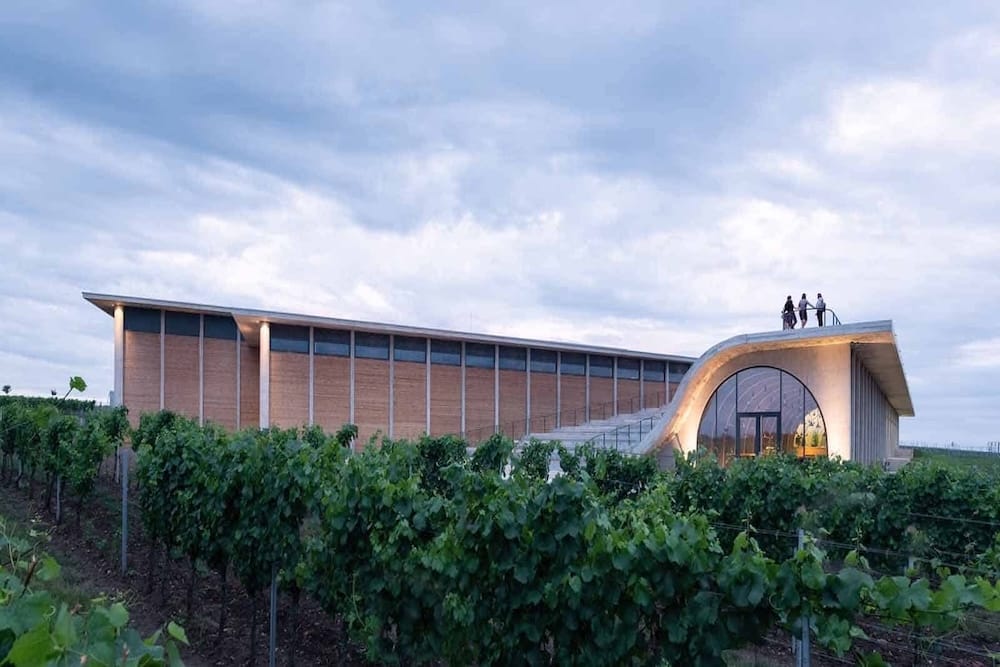
More is Now! Contemporary Czech Architecture
Exhibition at the German Architecture Museum
Regional BDA Architecture Awards 2026 in North Rhine-Westphalia
Additional Competitions Announced