



The Parking House of the Future, Wendlingen am Neckar | Photo: Roland Halbe

Action Sports Centre with Temporary Interventions, Munich-Pasing | Photo: David Matthiessen

Expansion and Renovation of Multi-Purpose Hall, Ingerkingen | Photo: Brigida González
Sustainability Prize in Architecture: Meet the Nominees
Five refurbishment projects and five new builds among them
Ten projects have advanced to the final selection for the German Sustainability Award for Architecture. The jury has chosen five renovation projects and five new construction projects—together representing a diverse spectrum of building types and design challenges. Now in its 13th year, the award is jointly presented by the German Sustainable Building Council (DGNB e.V.) and the German Sustainability Award Foundation. This year marks a milestone: the winners will be unveiled at a brand-new dedicated event, the Forum for Sustainable Architecture, premiering on 27 November 2025 at the Bundeskunsthalle in Bonn.
"Year after year, these projects inspire us with their diversity and resolve," notes DGNB President and Jury Chair Prof. Amandus Samsøe Sattler. "The nominees for the German Sustainability Award prove that sustainable design can be woven seamlessly into everyday architecture—across every building type and use case. Not as an afterthought, but as an integral part of architectural excellence. The result is a building culture that's both tangible and future-ready." Half of the nominees focus on retrofitting existing structures. Munich's landmark Eggenfabrik, a former manufacturing hall, has been thoughtfully restored and transformed into a year-round, fully accessible sports center. The historic exhibition building on Mathildenhöhe in Darmstadt—another protected monument—has been meticulously renovated through collaborative design, restoring it for generations to come. In Ingerkingen, Swabia, the community's multi-purpose hall underwent expansion and renovation, emerging as a model of functional, sustainable, and socially integrated design.
Munich's student quarter is home to the complete renovation of the Sophie Scholl House, demonstrating how postwar modernist structures can embrace sustainable, contemporary living for students. In Regensburg, the energy retrofit and extension of a 1960s residential tower was thoughtfully integrated with broader neighbourhood revitalization efforts. Among the nominated new construction projects, wood and circular economy principles take centre stage. The Schmäh Timber Construction Campus in Meersburg on Lake Constance exemplifies how ecologically, socially, and architecturally ambitious commercial buildings thrive in rural settings. Wendlingen am Neckar's "(Park)haus der Zukunft" – a wooden parking structure – rethinks mobility and adaptability for tomorrow's needs. The Karl Schubert School in Leipzig expanded with a new multi-purpose hall and specialist classroom wing, creating flexible spaces for learning, teaching, and community life that extend well beyond the school day.
The Suffizienzhaus U10 in Kassel, initiated by a community building cooperative, demonstrates how resource-conscious construction—using salvaged materials and flexible layouts—can deliver affordable housing. Architect Prof. Florian Nagler's "Unser Gartenhaus – Haus ohne Zement" (Our Garden House – House Without Cement) expands the existing front building for living and working, advancing his research into simple, sustainable building: using low-impact materials, energy efficiency, and compact spatial design. A specialized jury appointed by the DGNB and German Sustainability Award Foundation evaluated all submissions. Beyond selecting the nominees, these experts—drawn from architecture, construction, and civic life—will determine the finalists and ultimately the award winner.
This year's jury comprises Wiebke Ahues (LXSY Architektur Berlin), Martin Haas (haascookzemmrich STUDIO2050 Stuttgart), Vera Hartmann (sauerbruch hutton Berlin), Prof. Thorsten Helbig (Darmstadt University of Applied Sciences, knippershelbig Stuttgart), Prof. Dr. Maren Kohaus (Rosenheim University of Applied Sciences, sustainable architecture GmbH), Markus Lehrmann (Chamber of Architects of North Rhine-Westphalia), Reiner Nagel (Federal Foundation for Building Culture), Gabriele Pfründer (Building Management Schleswig-Holstein AöR), Elise Pischetsrieder (weberbrunner architekten Berlin), Prof. Matthias Rudolph (State Academy of Fine Arts Stuttgart, Transsolar Energietechnik GmbH), and Prof. Amandus Samsøe Sattler (ensømble Studio Architektur Berlin). Winners will be announced for the first time at the Forum for Sustainable Architecture on 27 November 2025 at the Bundeskunsthalle in Bonn, jointly hosted by the DGNB and the Chamber of Architects of North Rhine-Westphalia. The award ceremony will be the event's ceremonial highlight. For details and free registration, visit www.forum-nachhaltige-architektur.de. The finalists and winning project will also be featured in the evening's German Sustainability Award gala, which concludes the broader congress for the 18th German Sustainability Award, taking place 4–5 December 2025 in Düsseldorf.
More News
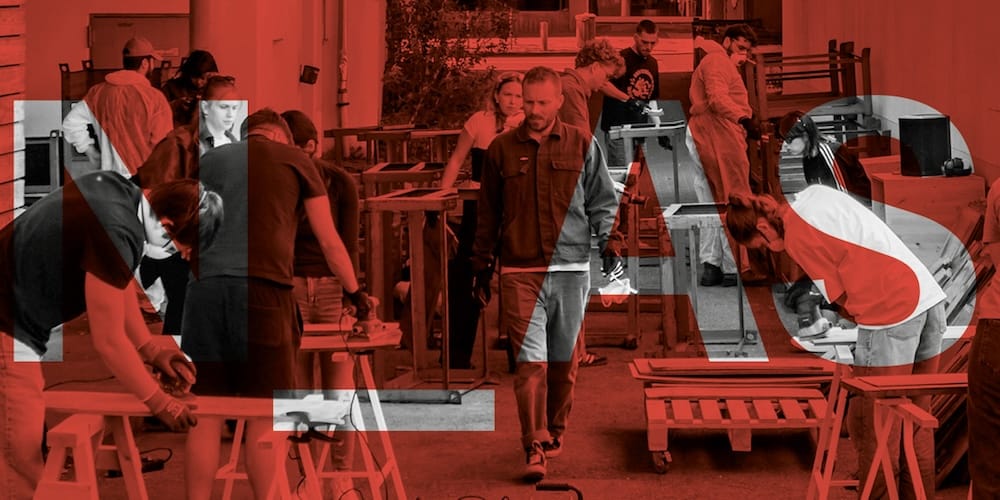
N_AS / New Architecture School Siegen
Exhibition at the Architekturgalerie am Weißenhof
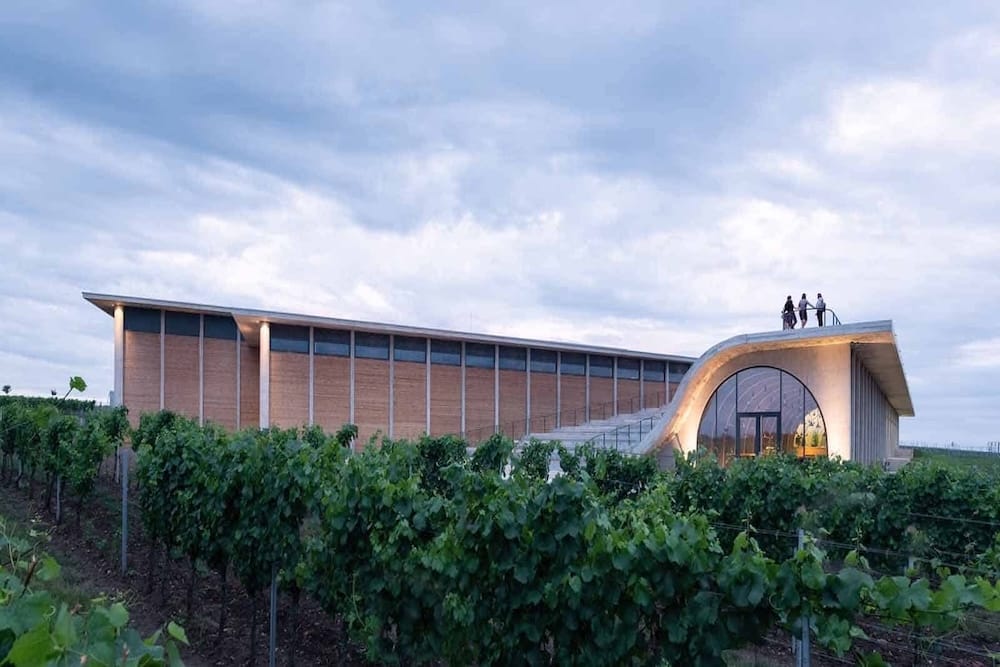
More is Now! Contemporary Czech Architecture
Exhibition at the German Architecture Museum
Regional BDA Architecture Awards 2026 in North Rhine-Westphalia
Additional Competitions Announced
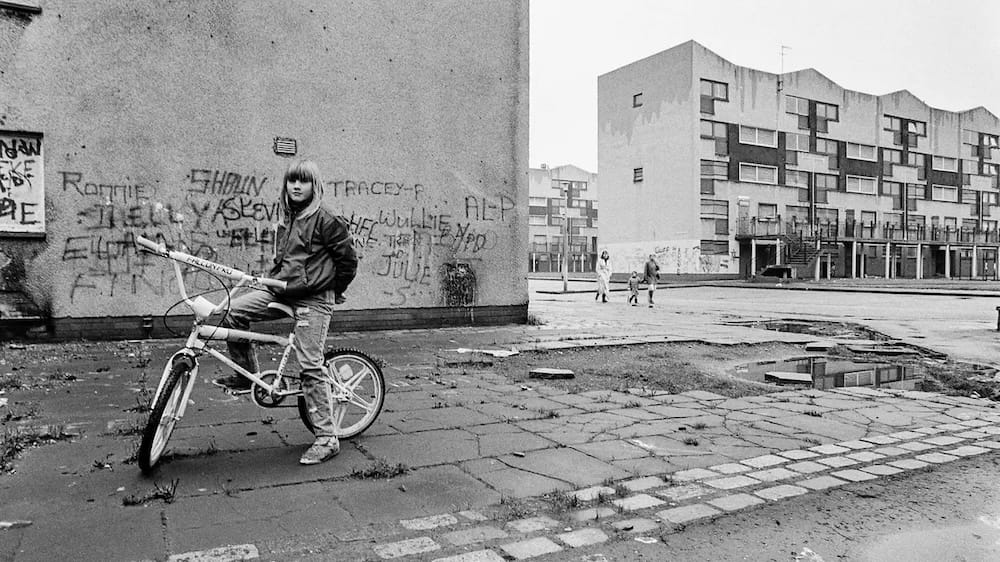
Franki Raffles. Photography, Activism, Campaign Works
Exhibition at the Museum of Labor